En plus de sa collection permanente, des expositions thématiques spéciales sont également organisées de façon saisonnière, ainsi que des expositions d'art en collaboration avec des artistes contemporains
En bref
Daigo-ji is a major Shingon Buddhist temple in Fushimi-ku, Kyoto, and the head temple of the Shingon Daigo-ha branch. It is part of the UNESCO World Heritage Site “Historic Monuments of Ancient Kyoto,” recognized in 1994 for its wooden architecture and garden traditions. The temple is famed for vast precincts on Mount Daigo and as the site of Toyotomi Hideyoshi’s celebrated cherry blossom viewing in 1598.
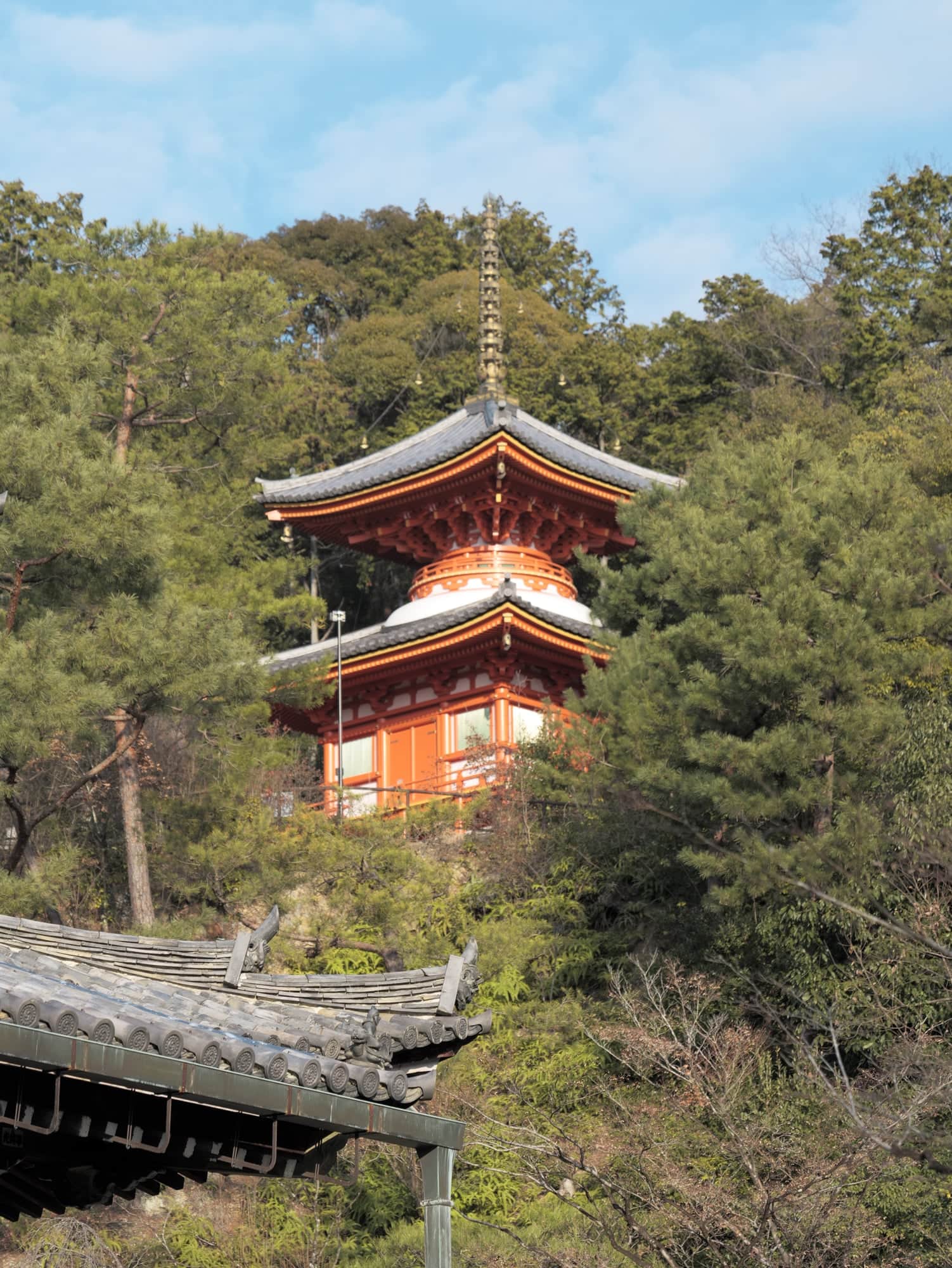
Founded in 874 by the monk Shōbō (Rigen Daishi), Daigo-ji developed through the Heian and medieval periods as an important esoteric center. Fires and warfare led to losses, but key structures were rebuilt, and patronage in the Azuchi–Momoyama era revived the complex. The five-story pagoda from 951 is the oldest surviving building in Kyoto, and many halls date from the 16th–17th centuries.
The complex spans lower, middle, and upper precincts on the mountain. Visitors encounter the grand Sanbō-in sub-temple with Momoyama-era architecture and gardens, the Kondō (Main Hall), the five-story pagoda, and the vermilion Bentendō by a pond. A steep trail leads to the Kami-Daigo upper precinct with early halls and mountain worship sites. The temple museum preserves an extensive collection of sculptures, mandalas, and documents, including National Treasures and Important Cultural Properties.
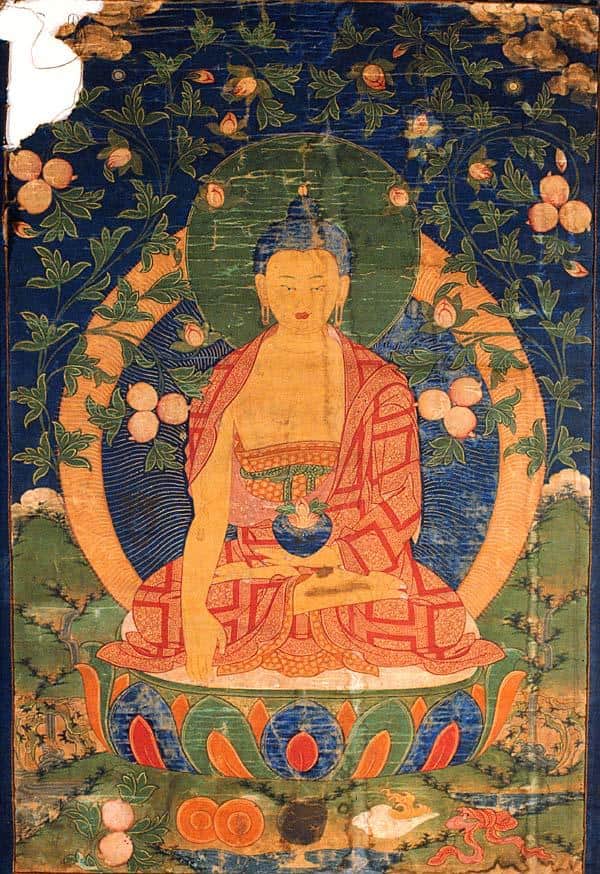
Daigo-ji’s principal image is Yakushi Nyorai, enshrined as a hibutsu (hidden Buddha), reflecting Shingon esoteric worship. The temple is the 11th stop on the Saigoku Kannon Pilgrimage, linking it to a wider devotional route across western Japan. Seasonal rituals, Buddhist ceremonies, and historical associations position Daigo-ji as a key locus of religious practice and cultural heritage in Kyoto.
Daigoji conserve plus de 150 000 artefacts culturels, dont 75 537 Trésors nationaux, ce qui en fait l'un des plus riches dépôts d'art bouddhiste et de documents historiques du Japon.
L'image principale de Yakushi Nyorai est un hibutsu (Bouddha caché) non exposé au public, reflétant les pratiques ésotériques Shingon, donc ne vous attendez pas à voir la divinité principale même en visitant le Kondō.
Ce temple offre 1 designs de goshuin différents
Identiques aux heures d'ouverture
Régulier
Main grounds and museum are wheelchair accessible. Some temple areas have steps. Accessible toilets available.
En plus de sa collection permanente, des expositions thématiques spéciales sont également organisées de façon saisonnière, ainsi que des expositions d'art en collaboration avec des artistes contemporains
Portez des chaussures de marche confortables car le terrain du temple est vaste et comprend de nombreux escaliers.
Le complexe du temple s'étend sur trois enceintes distinctes à travers le mont Daigo, avec un sentier de montagne escarpé nécessaire pour atteindre la zone supérieure de Kami-Daigo, donc prévoyez au moins 3 à 4 heures pour une visite complète et portez des chaussures de randonnée solides si vous prévoyez d'explorer au-delà des terrains inférieurs.
Pour aller au-delà du tourisme, renseignez-vous auprès de Daigo-ji sur ses séances de méditation et ses rituels saisonniers. À votre arrivée, vous pouvez rejoindre les moines ou les observer. La pratique a duré plus de 1 150 ans.
Visitez en février ou au début de l'hiver si vous souhaitez découvrir la beauté architecturale et les jardins du temple sans les foules écrasantes qui arrivent pour les fleurs de cerisier du printemps.
Si vous visitez pendant la saison des fleurs de cerisier au printemps (fin mars à début avril), arrivez avant 8h30 ou visitez en semaine pour éviter les foules massives qui se rassemblent pour les célèbres cerisiers pleureurs.
Visitez pendant la saison des cerisiers en fleurs pour découvrir les lieux où Toyotomi Hideyoshi a organisé sa légendaire fête de hanami en 1598, bien que vous deviez vous attendre à des foules beaucoup plus importantes durant cette période de pointe début avril.
Les esprits divins vénérés en ce lieu sacré
5 structures sur le site
Durée de visite
90+ minutes
Autres pages utiles liées à ce lieu.
Moins de 300 m Moins de 600 m
Ce que ce lieu est censé accorder
Fushimi, Kyoto Préfecture
4 publications récentes
5.0
2 avis
Prévoyez au moins 3 à 4 heures si vous souhaitez voir l'ensemble du complexe, qui s'étend sur trois enceintes du Mont Daigo. Les terrains inférieurs sont accessibles, mais pour atteindre la zone supérieure de Kami-Daigo, il faut emprunter un sentier de montagne escarpé, alors portez des chaussures robustes. Début avril attire de grandes foules pour la saison des fleurs de cerisier, quand les terrains s'animent avec le même paysage que Toyotomi Hideyoshi a choisi pour sa célèbre fête hanami de 1598.
Au-delà du spectacle saisonnier, le site accueille également des expositions thématiques itinérantes et des collaborations occasionnelles avec des artistes contemporains, il se peut donc qu'il y ait quelque chose de supplémentaire à voir selon le moment de votre visite.
 MM
MMMarcus Mok s’est enregistré
Daigo-ji
Fushimi, Kyoto
 AP
APAlessia Petringa a partagé un goshuin