Admission
Non confirmé
En bref
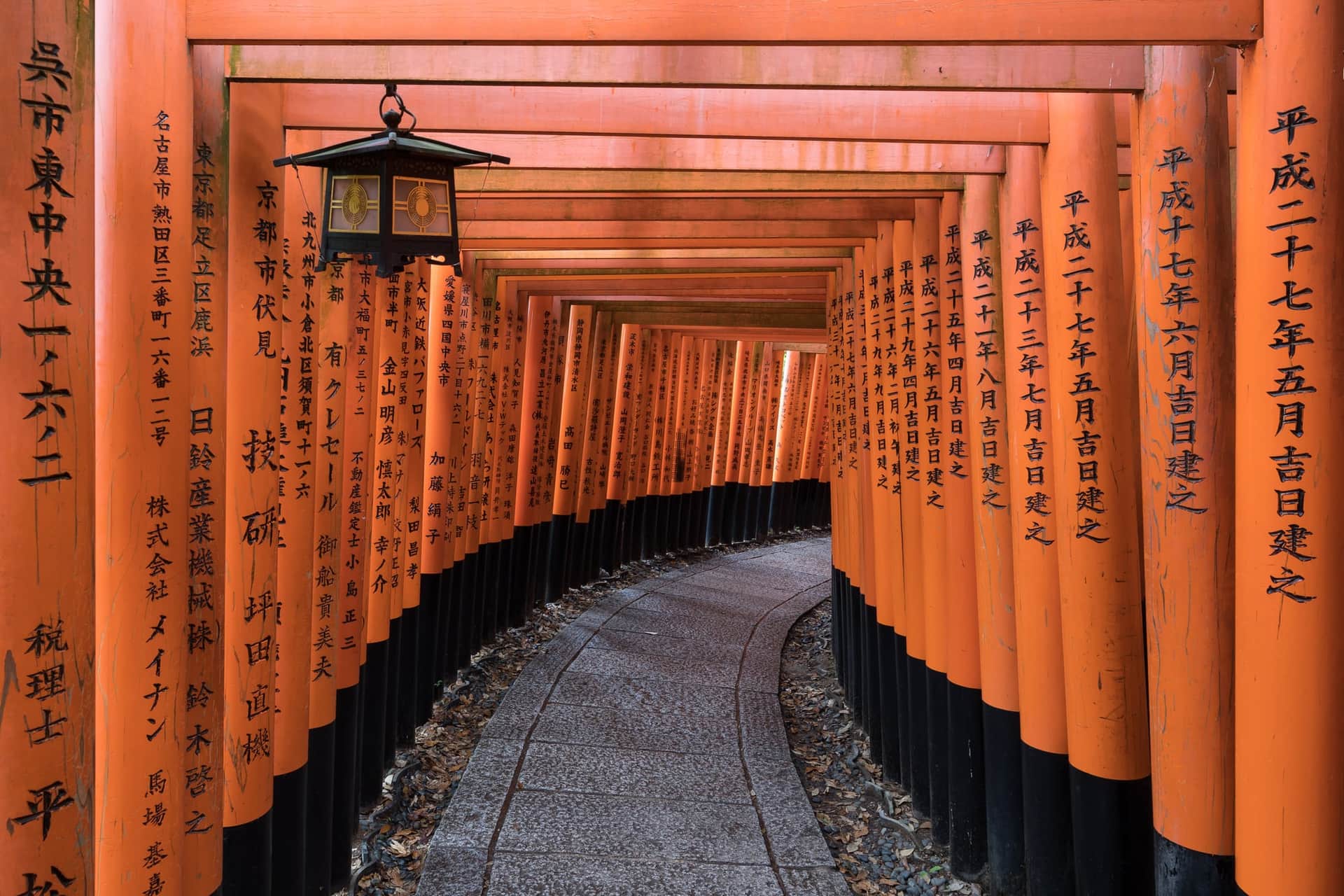
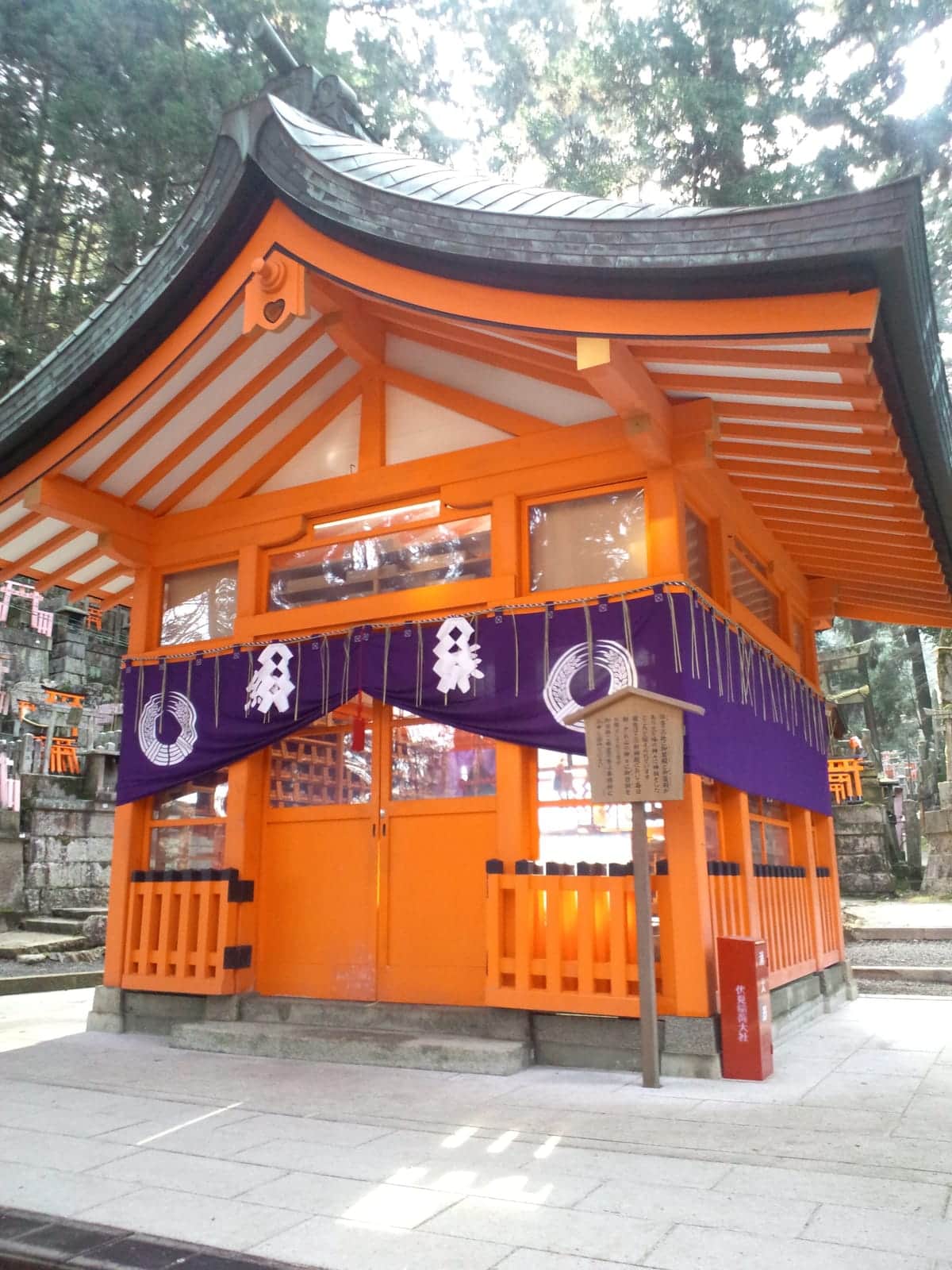
During the Edo period, this worship hall was also called Kumotsujo, meaning 'offering place,' reflecting its role as a destination for pilgrims completing their journey through the famous Senbon Torii gates.
From Okusha Hohaisho, all three peaks of Mount Inari are visible directly behind the prayer hall, making it the perfect vantage point to worship the sacred mountain itself rather than a specific deity.
Ce sanctuaire offre 1 designs de goshuin différents
Régulier
¥300
Non confirmé
Équipements
Set aside 2 to 3 hours minimum for your entire visit to Fushimi Inari Taisha if you want to reach Okuyashiro Hohaisho, as it sits at the end of the Senbon Torii tunnel and requires a substantial walk up the mountain.
Plan to arrive at Okuyashiro Hohaisho in the late morning or early afternoon after you've walked through the Senbon Torii, as the altitude and cooler air make this a refreshing destination midway through your shrine visit rather than a starting point.
Approach the Hohaisho with a quiet demeanor and take time to face the three peaks of Mount Inari in prayer or reflection, as this is fundamentally a place of worship rather than a photo checkpoint, and the cooler, more isolated setting invites genuine spiritual engagement.
Wear layers and bring a light jacket even on warm days, since the altitude of this worship hall combined with the valley setting creates noticeably cooler temperatures than the main shrine area below.
Position yourself to photograph Mount Inari's three peaks directly behind the Hohaisho building, as this is the intended focal point of the worship hall and creates the most spiritually resonant composition for your images.

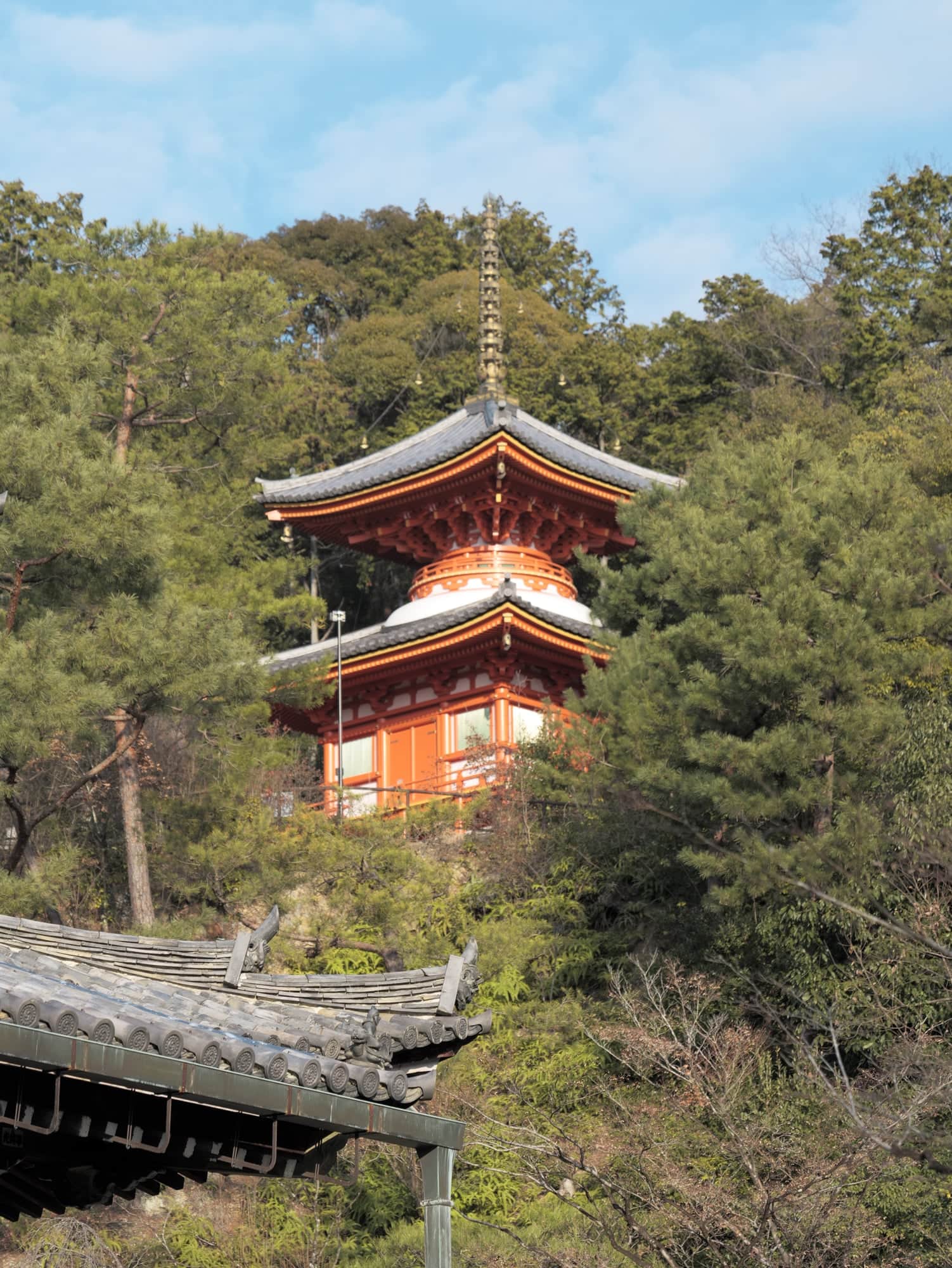
Fushimi, Kyoto Préfecture
Autres pages utiles liées à ce lieu.
Moins de 300 m Moins de 600 m
La location nécessite l'application de l'opérateur et un numéro de téléphone japonais. Les pass journée docomo sont vendus dans les supérettes. Sources de données
5 publications récentes
4.0
1 avis
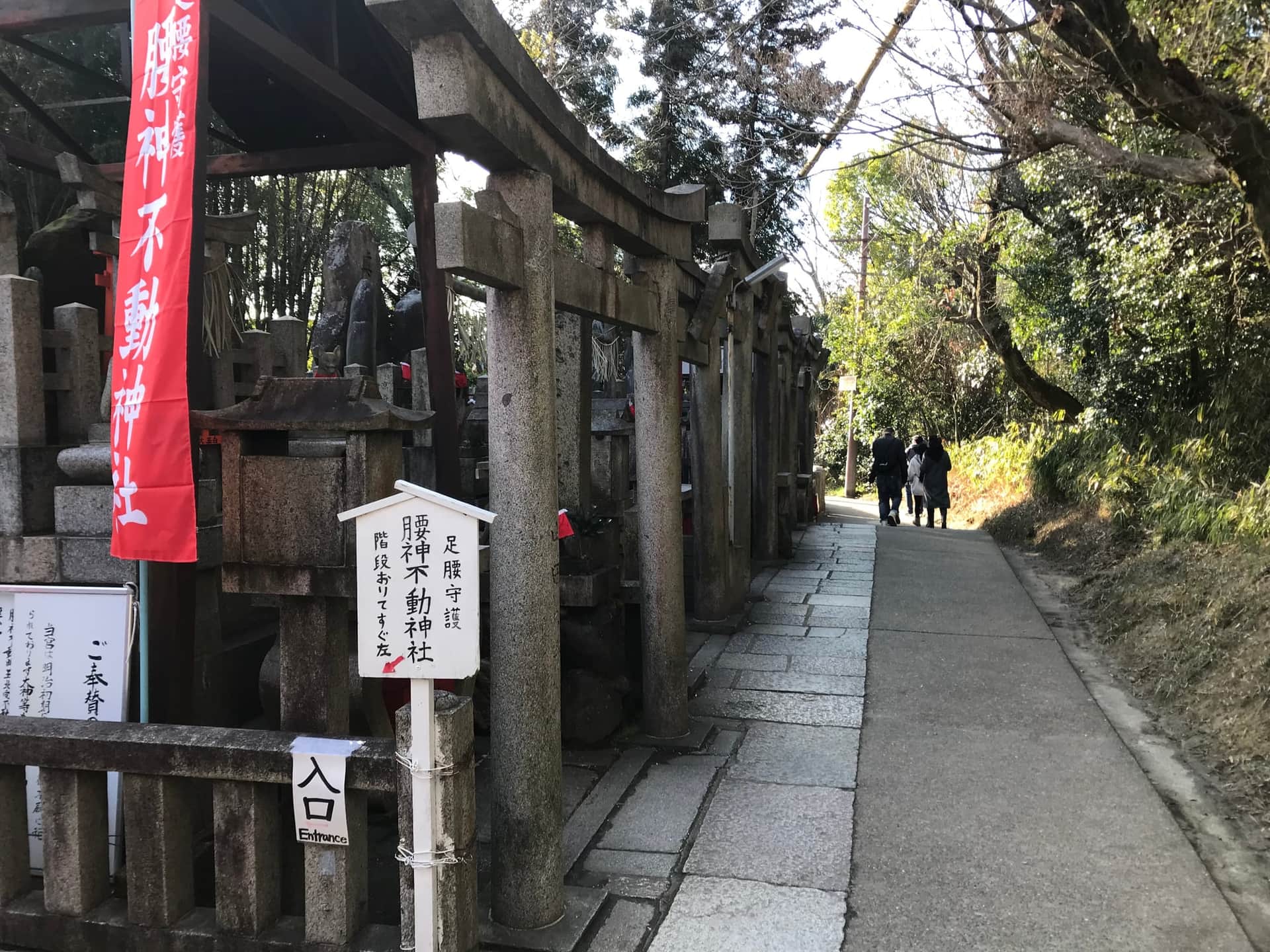
Vous accédez à ce hall de culte après avoir traversé le Senbon Torii, et il se situe juste au-delà de la zone du sanctuaire principal en montant vers le Mont Inari. C'est un point d'arrêt plus tranquille avant de commencer la promenade complète sur la montagne, avec les trois pics d'Inariyama derrière celui-ci.
Sur le côté droit du terrain, vous trouverez la Pierre Omokaru, où vous soulevez la pierre supérieure d'une lanterne après avoir formulé un vœu. Si elle vous semble plus légère que prévu, le vœu est censé se réaliser. Un goshuin est également disponible ici, et c'est un bon endroit pour faire une pause avant de commencer le sentier de montagne.
 ДБ
ДБДмитрий Бессонов s’est enregistré
Okuyashiro Hohaisho
Fushimi, Kyoto