
Arrive between 9 AM and 4:30 PM on weekdays if you want to participate in a blessing ceremony (御祈祷), as the shrine accepts walk-in prayers during these hours with no reservation needed and a typical 30-minute duration.
De un vistazo
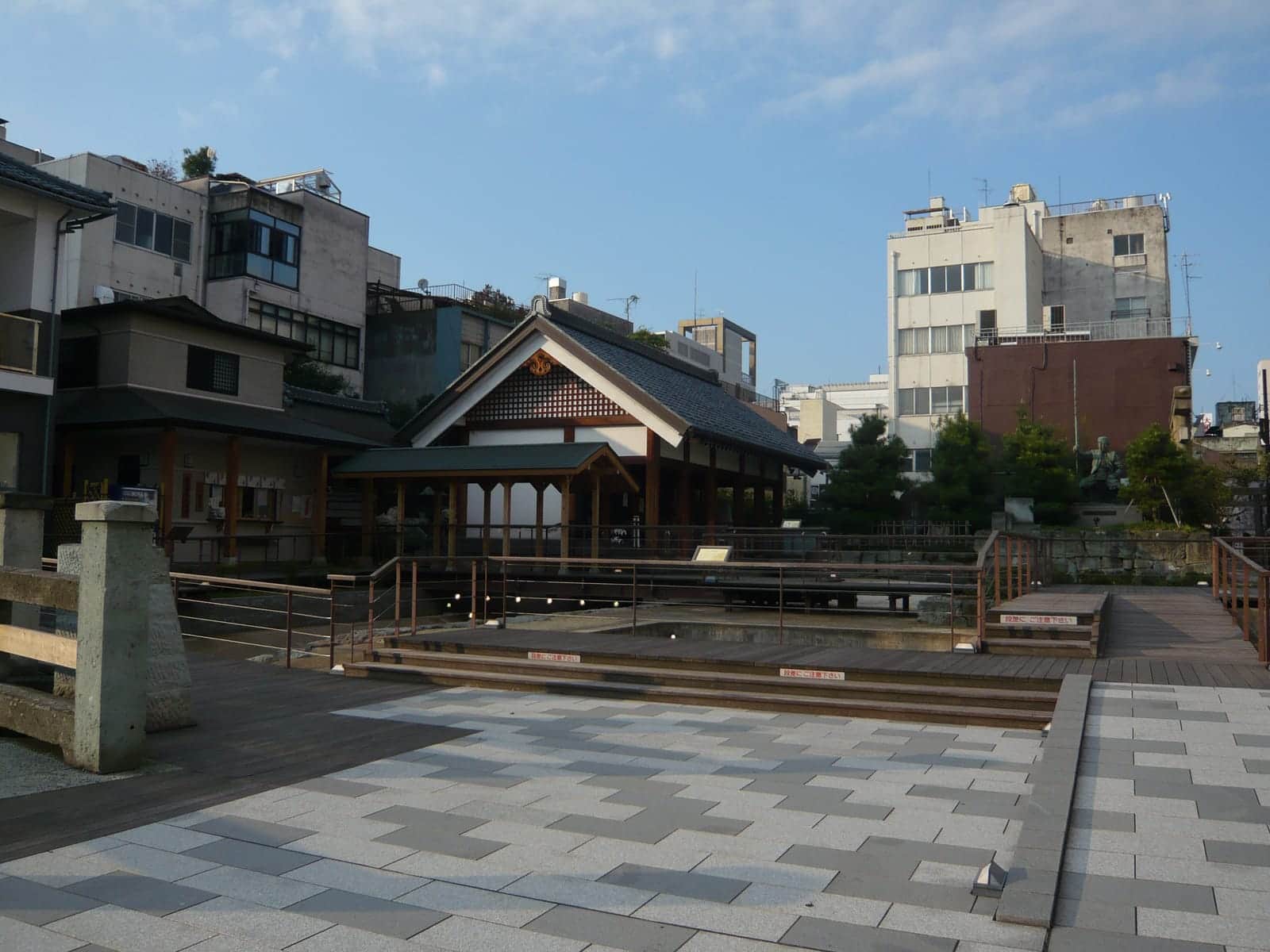
Founded in 1628 inside Fukui Castle to enshrine Tokugawa Ieyasu, the shrine sits adjacent to the castle ruins in the heart of modern Fukui City, just a 7-minute walk from the station.
The shrine was rebuilt in 1949 using materials from Kyoto's Mitsui Family Ancestral Shrine after being destroyed by WWII air raids and the 1948 Fukui earthquake.
Este santuario ofertas 1 diferentes diseños de goshuin
Igual que el horario de apertura
Regular
¥500
Instalaciones
Arrive between 9 AM and 4:30 PM on weekdays if you want to participate in a blessing ceremony (御祈祷), as the shrine accepts walk-in prayers during these hours with no reservation needed and a typical 30-minute duration.
If you plan to collect a goshuin (shrine stamp), bring a dedicated goshuin book or blank notebook, as the shrine office offers this service while you wait.
Visit during the Tanabata Festival (early July) or Obon season (mid-August) to see limited-edition goshuin stamps and participate in seasonal traditions like hanging wish tags on the grounds.
The shrine sits directly adjacent to Fukui Castle ruins on the west side of Chuo Park, so plan a combined visit to explore both sites in one outing.
The 250,000 origami cranes at the entrance create an intensely colorful display best photographed in natural morning light before crowds arrive.
When making a wish or prayer at the shrine, take a moment to observe how other visitors interact with the sacred spaces before approaching the main hall.
Los espíritus divinos venerados en este lugar sagrado.


Sin confirmar
Menos de 300 m Menos de 600 m
El alquiler requiere la app del operador y un número de teléfono japonés. Los pases de un día de docomo se venden en tiendas de conveniencia. Fuentes de datos
Más páginas relacionadas con este lugar.
Lo que se cree que concede este lugar
Fukui, Fukui Prefectura
2 publicaciones recientes
4.0
1 reseña
Si deseas participar en una ceremonia de bendición, ve entre las 9:00 a.m. y las 4:30 p.m. entre semana. Se aceptan visitantes sin cita previa, y la ceremonia generalmente dura unos 30 minutos. Si planeas obtener un sello goshuin, lleva un libro goshuin dedicado o un cuaderno en blanco, ya que la oficina del santuario puede hacerlo mientras esperas.
El santuario se encuentra junto a las ruinas del Castillo Fukui en el lado oeste de Chuo Park, por lo que funciona bien como parte del mismo paseo. La entrada es especialmente llamativa por su gran cantidad de grúas de papel, que se ven mejor a la luz de la mañana antes de que el área se llene de gente. En julio y alrededor de Obon, también puedes encontrar goshuin de temporada y tradiciones de etiquetas de deseos.
 OSPro member
OSKColaborador dejó una reseña
OSPro memberOSKColaborador compartió un goshuin
Sakae no Yashiro Shrine 佐佳枝廼社