Admisión
Sin confirmar
De un vistazo
The temple released an official theme song in 2010 called 'Tera zukkyun! Ai no Ryōhō-ji!' under its own record label created with music ensemble IOSYS, complete with a voice actress cosplaying as Benzaiten.
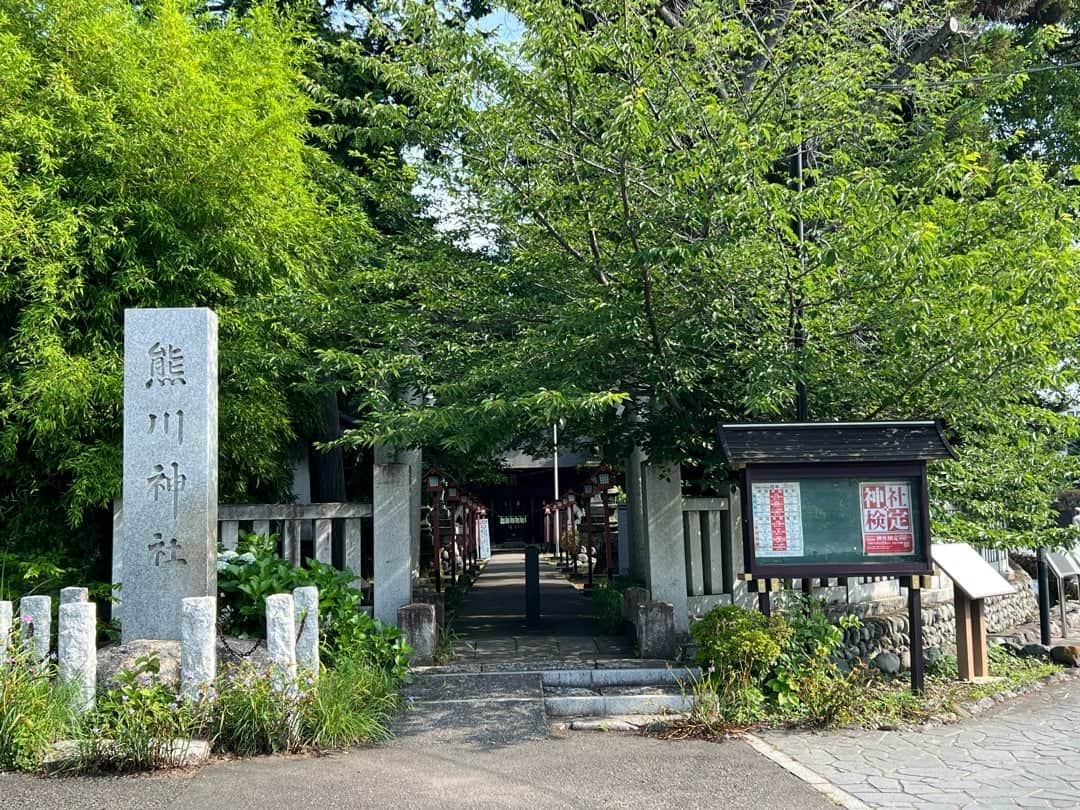
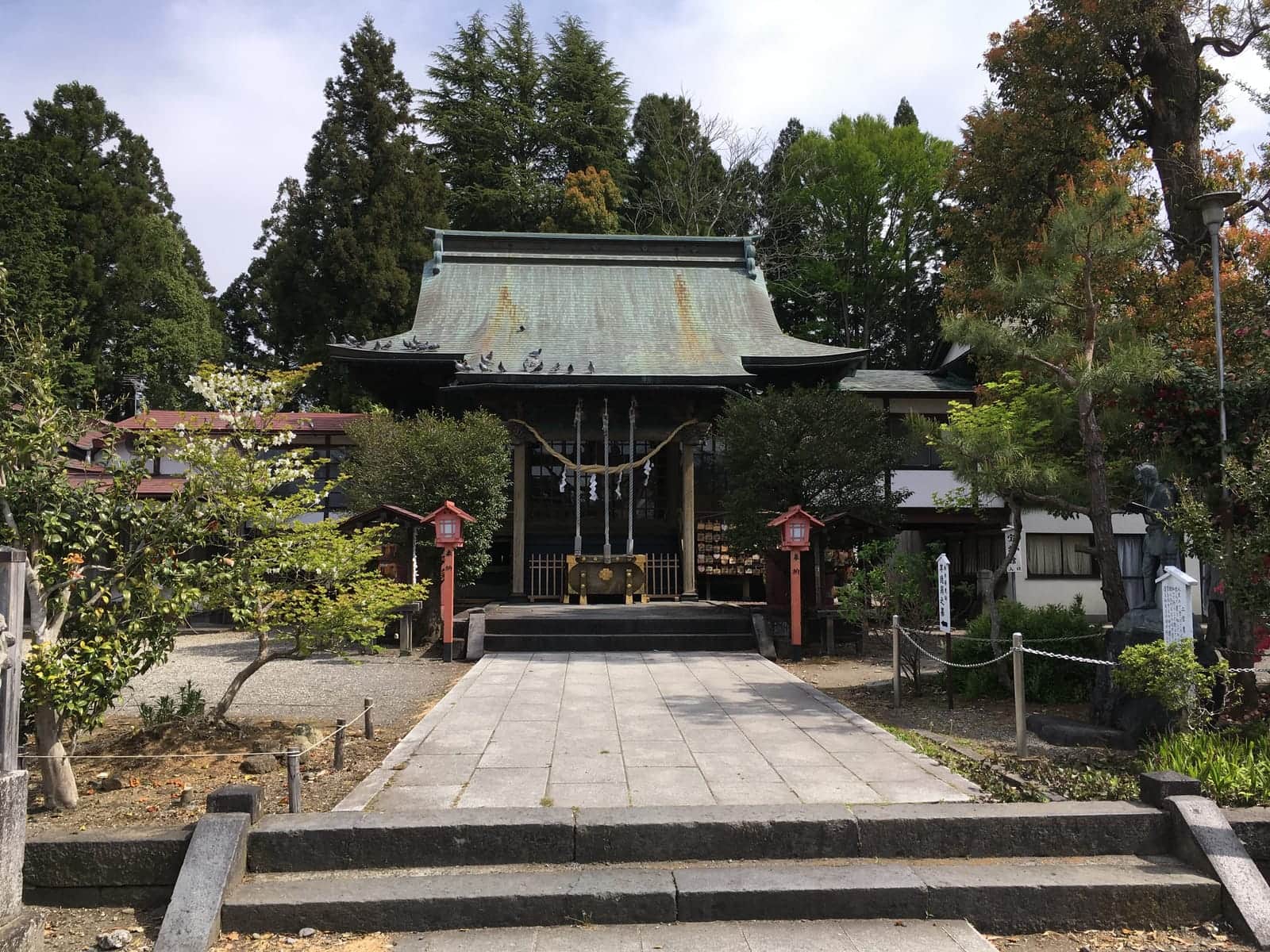
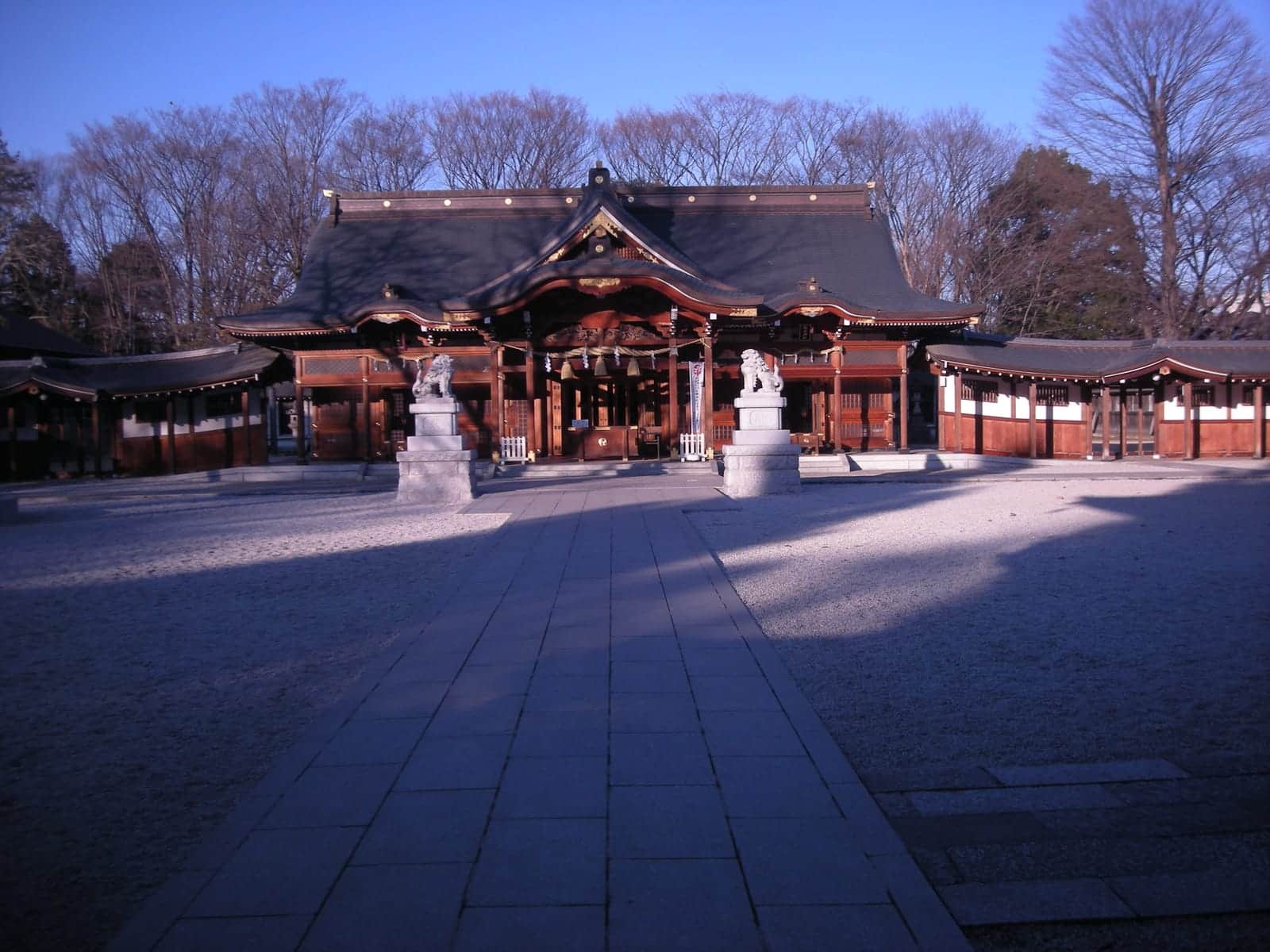
Founded in 1489 by Keiun Nicchō as a retirement retreat, Ryōhō-ji blends Nichiren Buddhism with Shinto traditions, enshrining both the Buddhist goddess Benzaiten and the Shinto agricultural deity Ugajin under one roof.
Este templo ofertas 1 diferentes diseños de goshuin
Regular
Sin confirmar
Visit on a weekday morning to enjoy the temple grounds without the crowds that gather on weekends, especially if you want to photograph the anime-style signage and deities in peace.
If you're part of the Hachiōji Shichifukujin Pilgrimage, bring your pilgrimage booklet to get stamped at Ryōhō-ji, which enshrines Benzaiten as one of the seven lucky deities on the route.
Bring ema (wooden prayer plaques) or purchase them at the temple to write your wishes and hang them on the ema shelf, which is a central part of the visitor experience here.
Ask permission before taking photos of the anime-style signboards and deity illustrations, as the temple uses these modern artistic elements as part of its spiritual presentation and may have preferences about how they're documented.
Wear comfortable shoes since the temple grounds include multiple halls and pathways, and you may want to explore the cemetery area and various shrine spaces throughout the property.
Los espíritus divinos venerados en este lugar sagrado.
Hino, Tokyo Prefectura
Lo que se cree que concede este lugar
0 publicaciones recientes
Comparte cómo fue tu visita para ayudar a otros viajeros.
Todavía no hay publicaciones públicas de la comunidad.
Más páginas relacionadas con este lugar.
Menos de 300 m Menos de 600 m
Datos de horarios: Public Transportation Open Data Center
El alquiler requiere la app del operador y un número de teléfono japonés. Los pases de un día de docomo se venden en tiendas de conveniencia. Fuentes de datos