
Puente Alemán
Otra estructura
De un vistazo
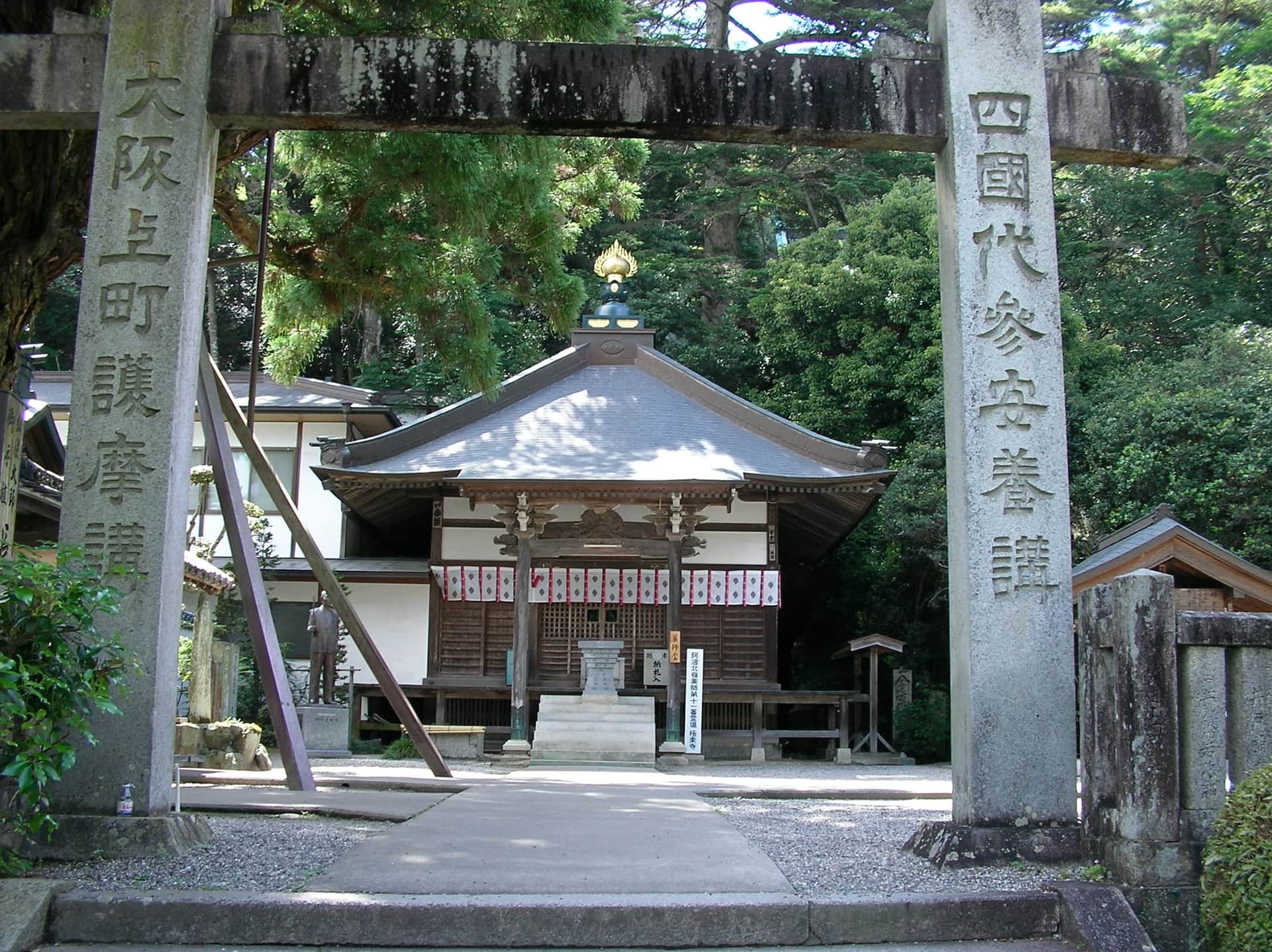
The shrine sits at the foot of Mt. Ōasa and features an enormous camphor tree on its grounds, a living monument that has witnessed centuries of worship and regional history.
The shrine's location in Bando, Naruto puts it near the famous Naruto whirlpools, where the Seto Inland Sea meets the Kii Channel in one of Japan's most dramatic natural phenomena.
Igual que el horario de apertura
Este santuario ofrece goshuin, pero aún no tenemos fotos. ¡Sé el primero en compartir el tuyo!
Instalaciones
Los espíritus divinos venerados en este lugar sagrado.
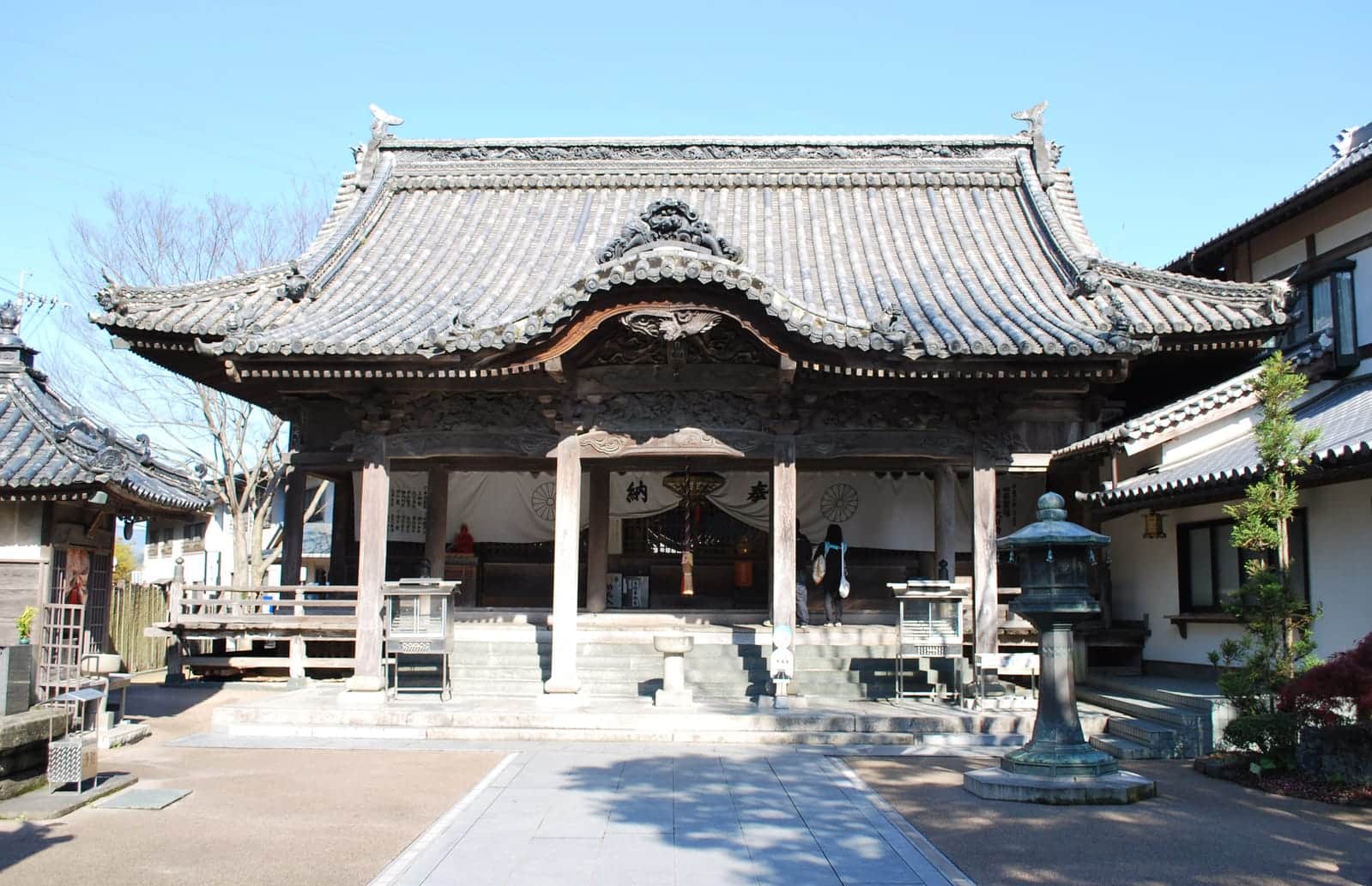
2 estructuras en el terreno
Sin confirmar
Naruto, Tokushima Prefectura
Más páginas relacionadas con este lugar.
Lo que se cree que concede este lugar
0 publicaciones recientes
Comparte cómo fue tu visita para ayudar a otros viajeros.
Todavía no hay publicaciones públicas de la comunidad.
Menos de 300 m Menos de 600 m