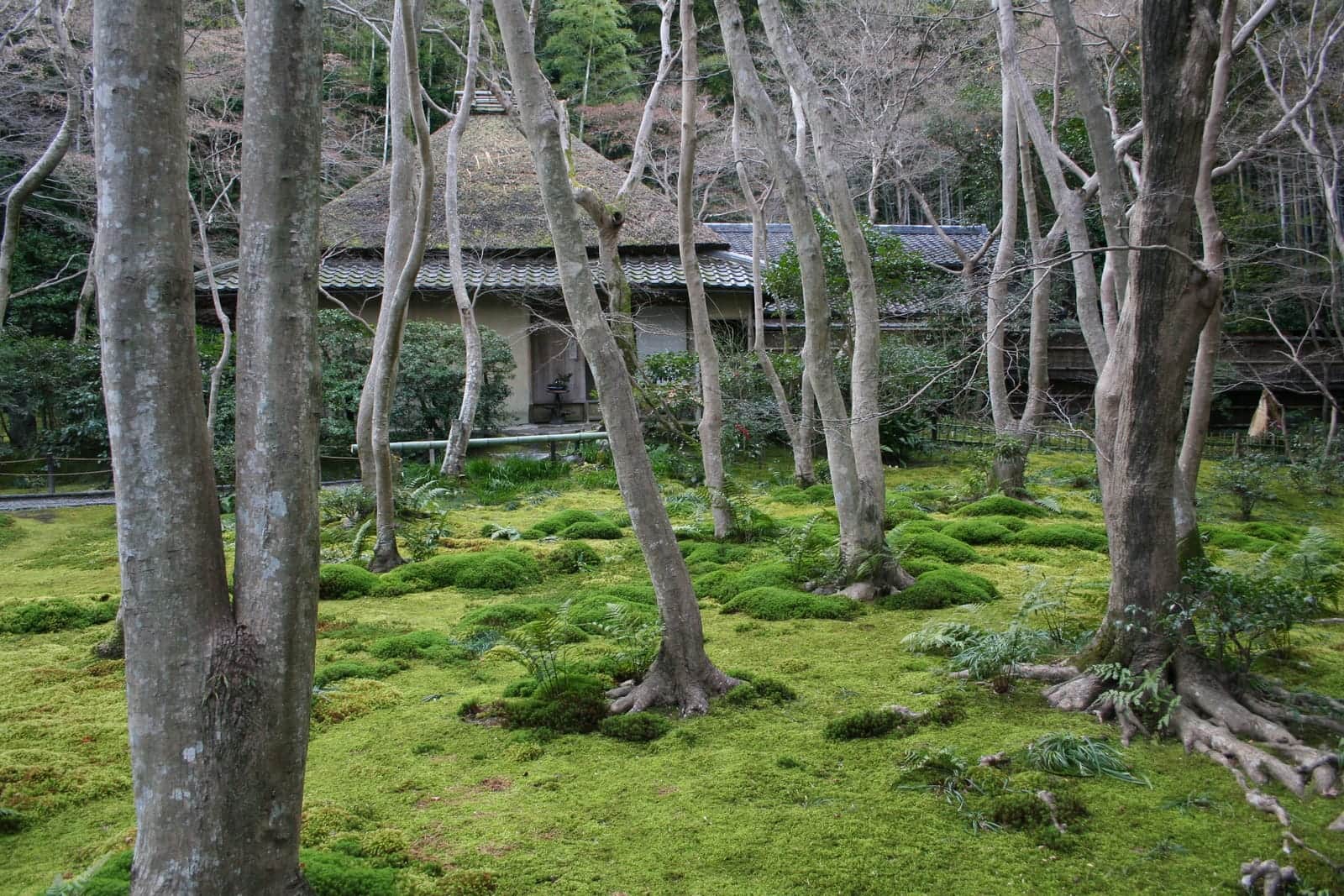
Visit on a weekday morning before 10 AM to experience the shrine's moss garden and sub-shrines without the crowds that build up during afternoon hours when tour groups arrive from nearby Tenryū-ji temple.
De un vistazo
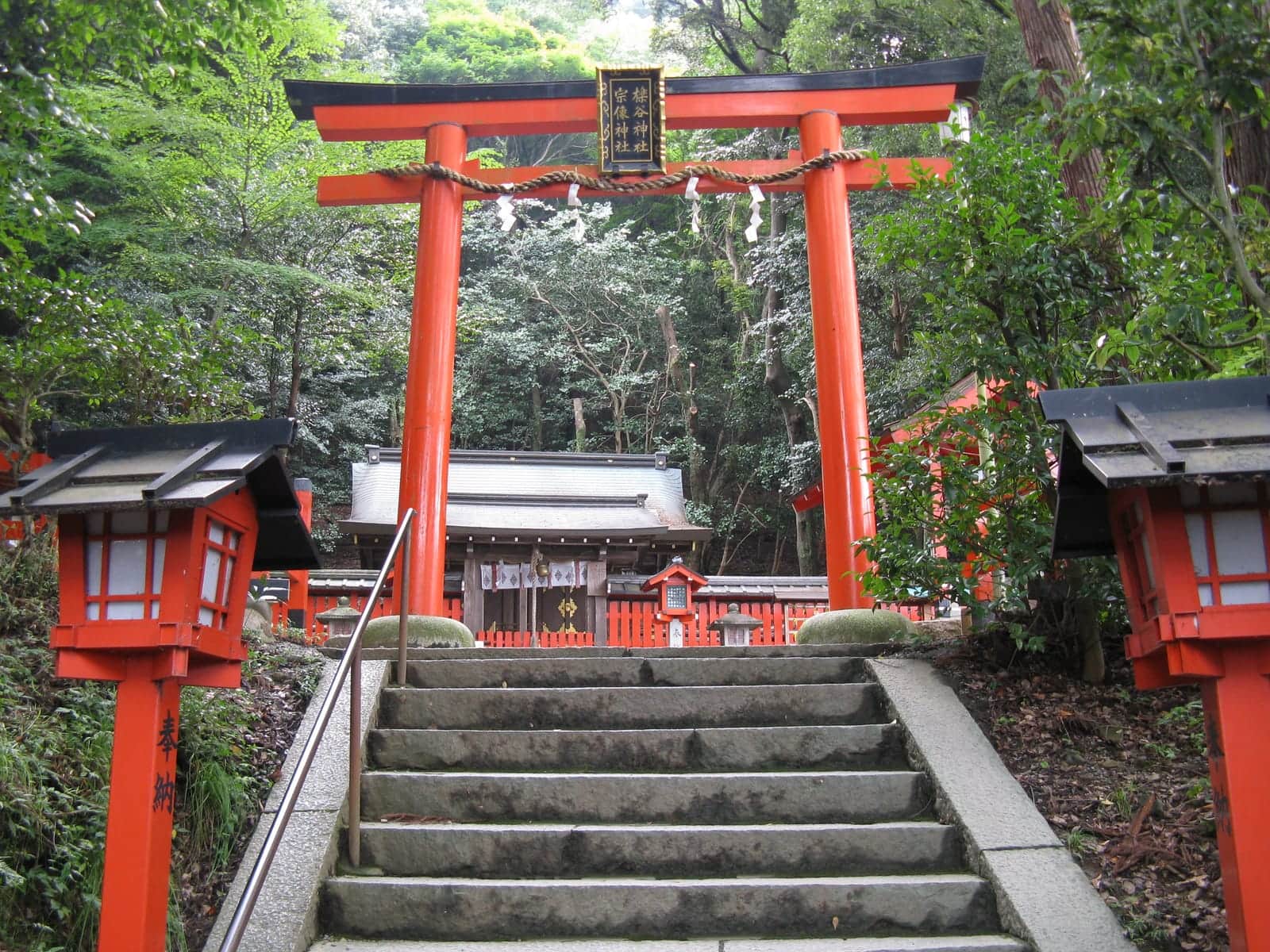
A scene from the Tale of Genji, written in the 11th century, specifically describes this shrine's black torii gate and brushwood fences, making it one of Japan's oldest literary landmarks.
Nonomiya Shrine relocated every time a new emperor took the throne during the Heian period, with each location chosen through divination to purify imperial princesses before they served at Ise Shrine.
Este santuario ofertas 1 diferentes diseños de goshuin
Igual que el horario de apertura
Regular
Visit on a weekday morning before 10 AM to experience the shrine's moss garden and sub-shrines without the crowds that build up during afternoon hours when tour groups arrive from nearby Tenryū-ji temple.
Plan to spend 20-30 minutes at the shrine itself, then continue on the Sagano walking path through the bamboo forest to Tenryū-ji or toward the foothills, as Nonomiya works best as part of a larger Arashiyama itinerary rather than a standalone destination.
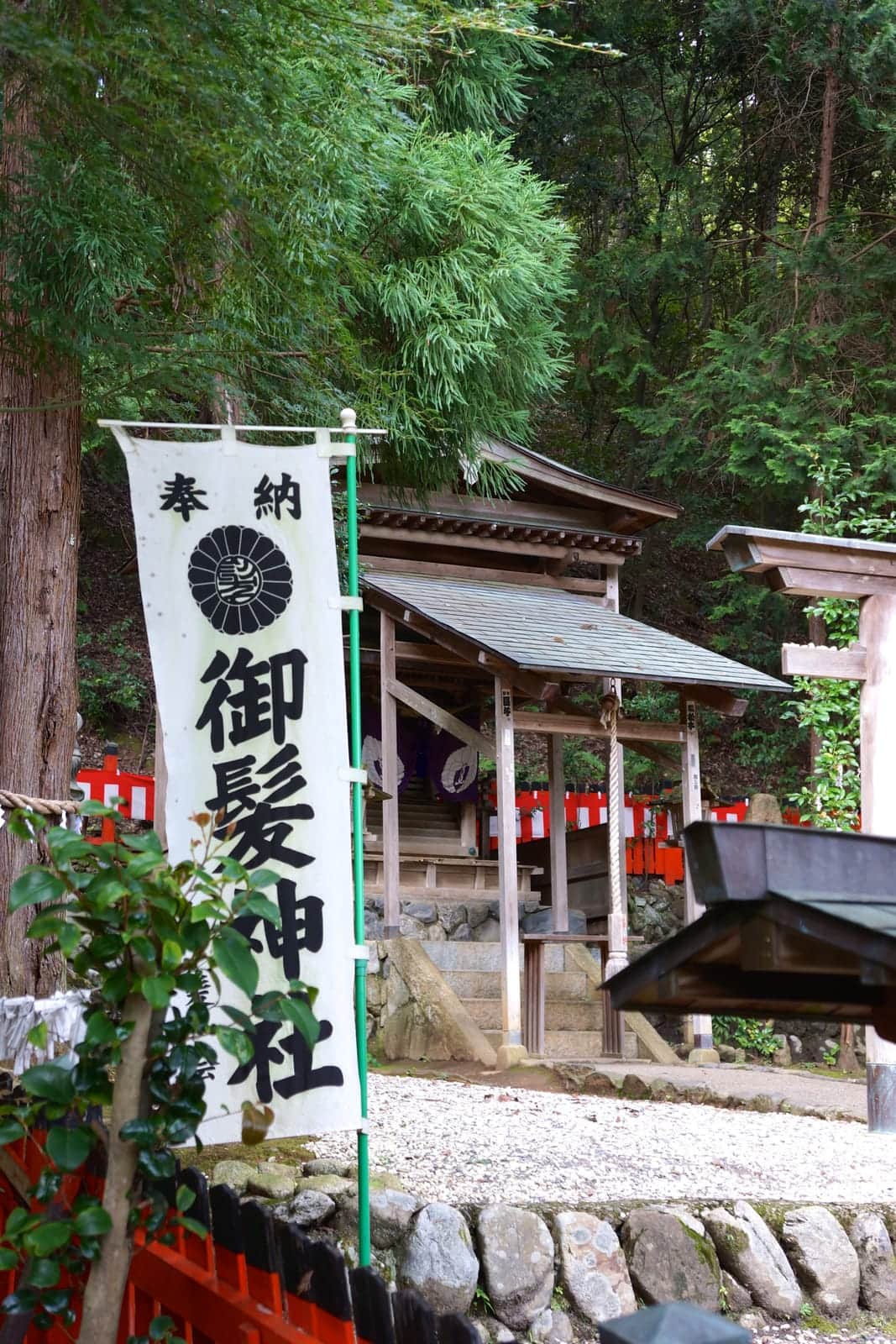
If you're visiting for matchmaking or childbirth blessings, purchase an ema (wooden votive tablet) and hang it at the appropriate sub-shrine: Daikokuten for marriage or Shirafuku Inari for childbirth and easy labor, as these deities have specific roles in women's life transitions.
Photograph the distinctive black torii gate and brushwood fencing from multiple angles during your visit, as these unbarked timber elements are historically accurate to the Heian period and directly referenced in the Tale of Genji, making them the shrine's most photogenic features.
Los espíritus divinos venerados en este lugar sagrado.
Celebraciones estacionales y ocasiones especiales.

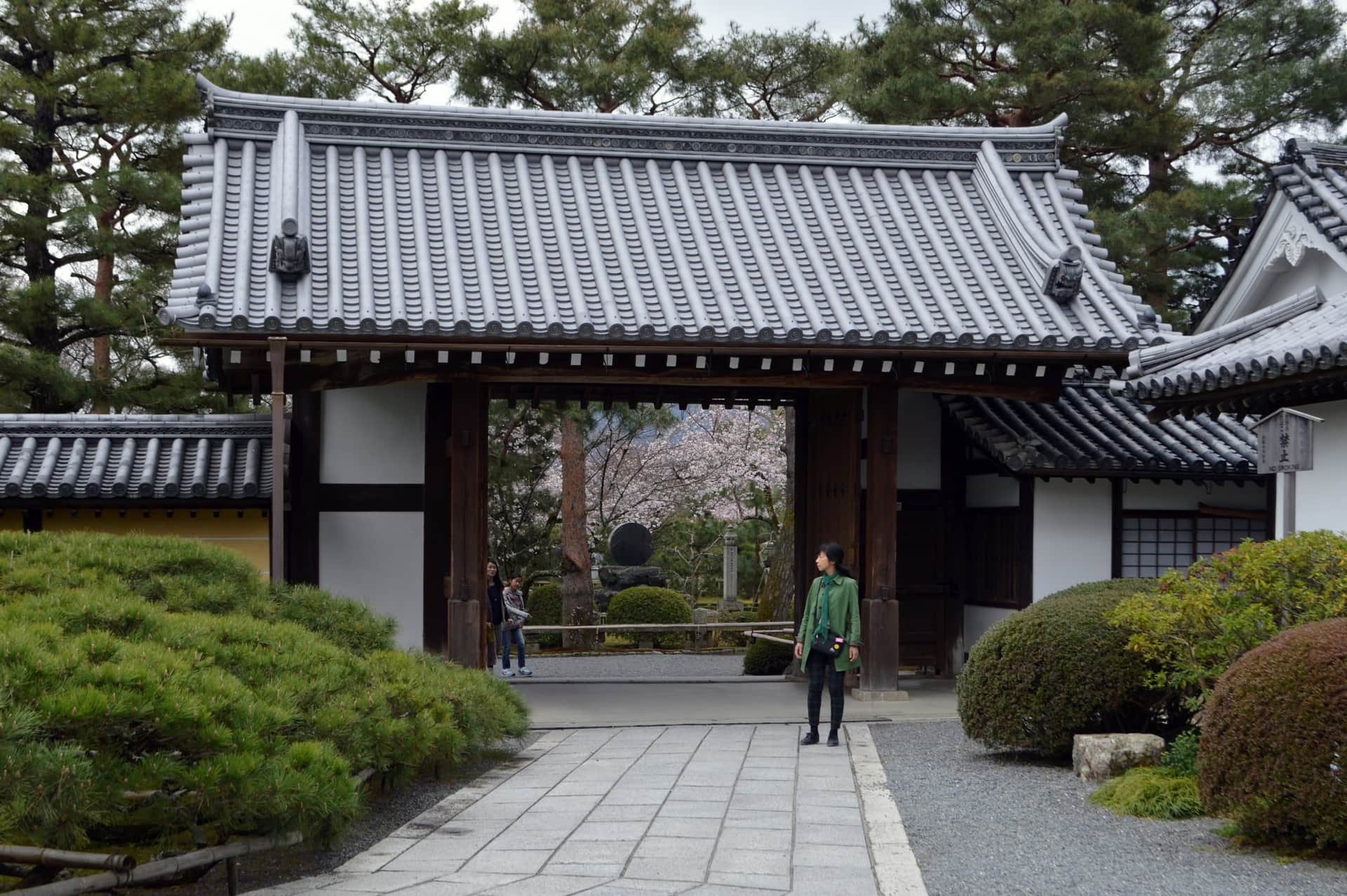
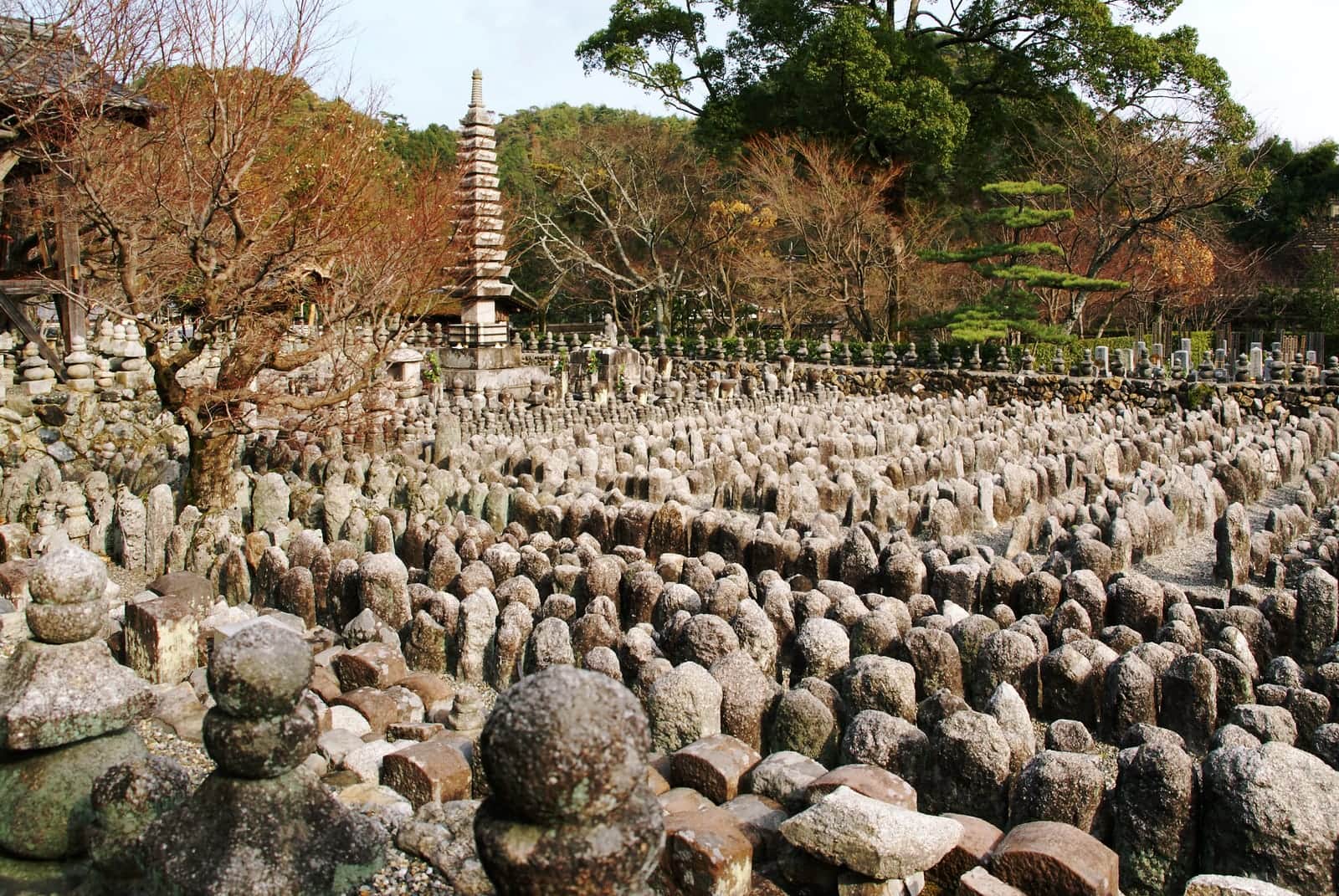
Ukyo, Kyoto Prefectura
Más páginas relacionadas con este lugar.
Lo que se cree que concede este lugar
Menos de 300 m Menos de 600 m
El alquiler requiere la app del operador y un número de teléfono japonés. Los pases de un día de docomo se venden en tiendas de conveniencia. Fuentes de datos
5 publicaciones recientes
3.5
2 reseñas
Puede llegar a Nonomiya Shrine caminando unos 15 minutos a través del bosque de bambú de Arashiyama, por lo que se adapta naturalmente como parada turística. Suele estar muy concurrido, especialmente con visitantes extranjeros, así que si desea una visita más tranquila, evite las horas pico.
El santuario es conocido por los emparejamientos y por las oraciones relacionadas con la maternidad y los partos seguros. Los visitantes comúnmente se detienen en el torii de madera negra, la pequeña cerca y la piedra sagrada, que la gente toca suavemente mientras hace un deseo. El terreno es compacto y tranquilo, con bambú y musgo que le dan una sensación distintiva y antigua de Kioto.