
Admisión
Sin confirmar
De un vistazo
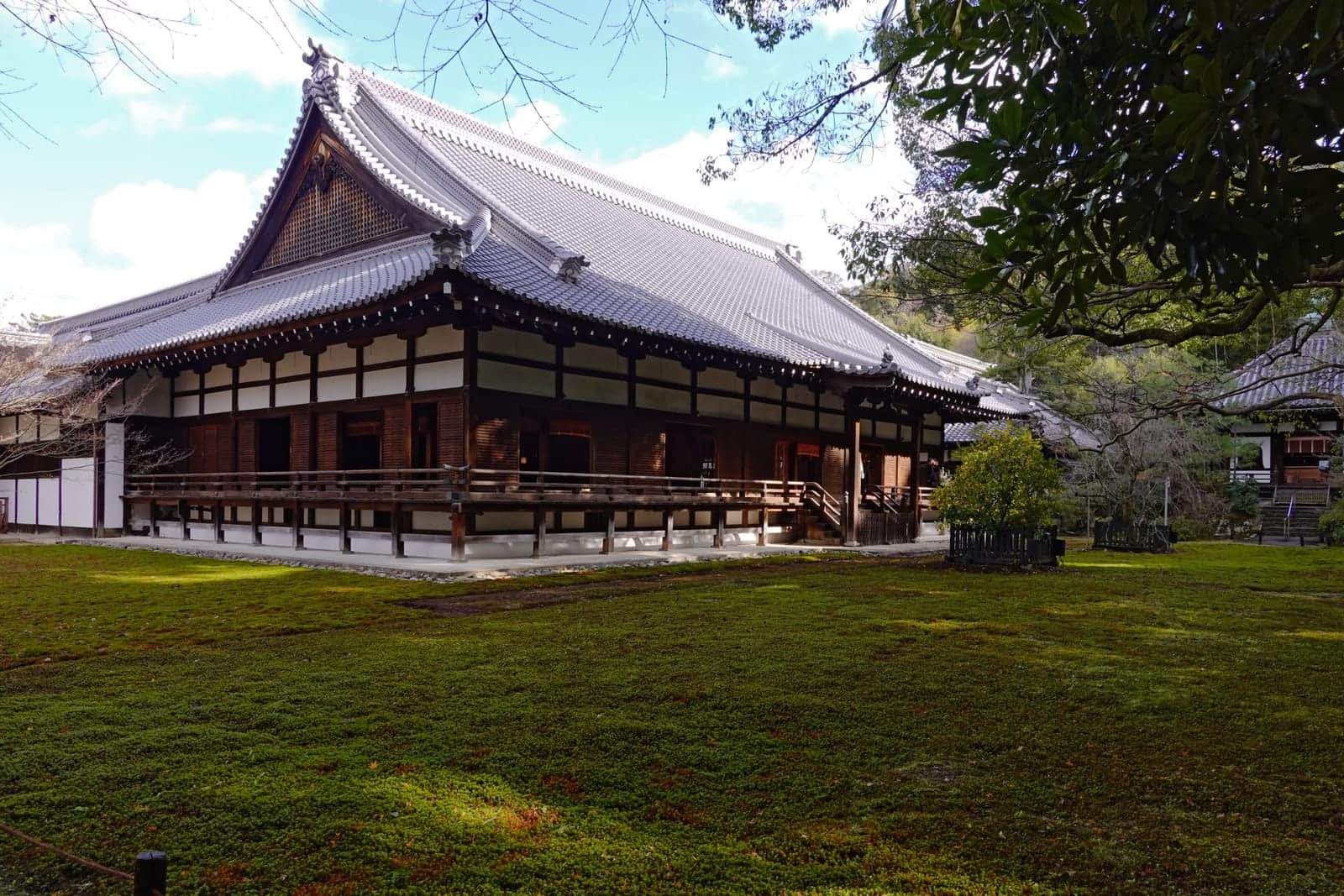
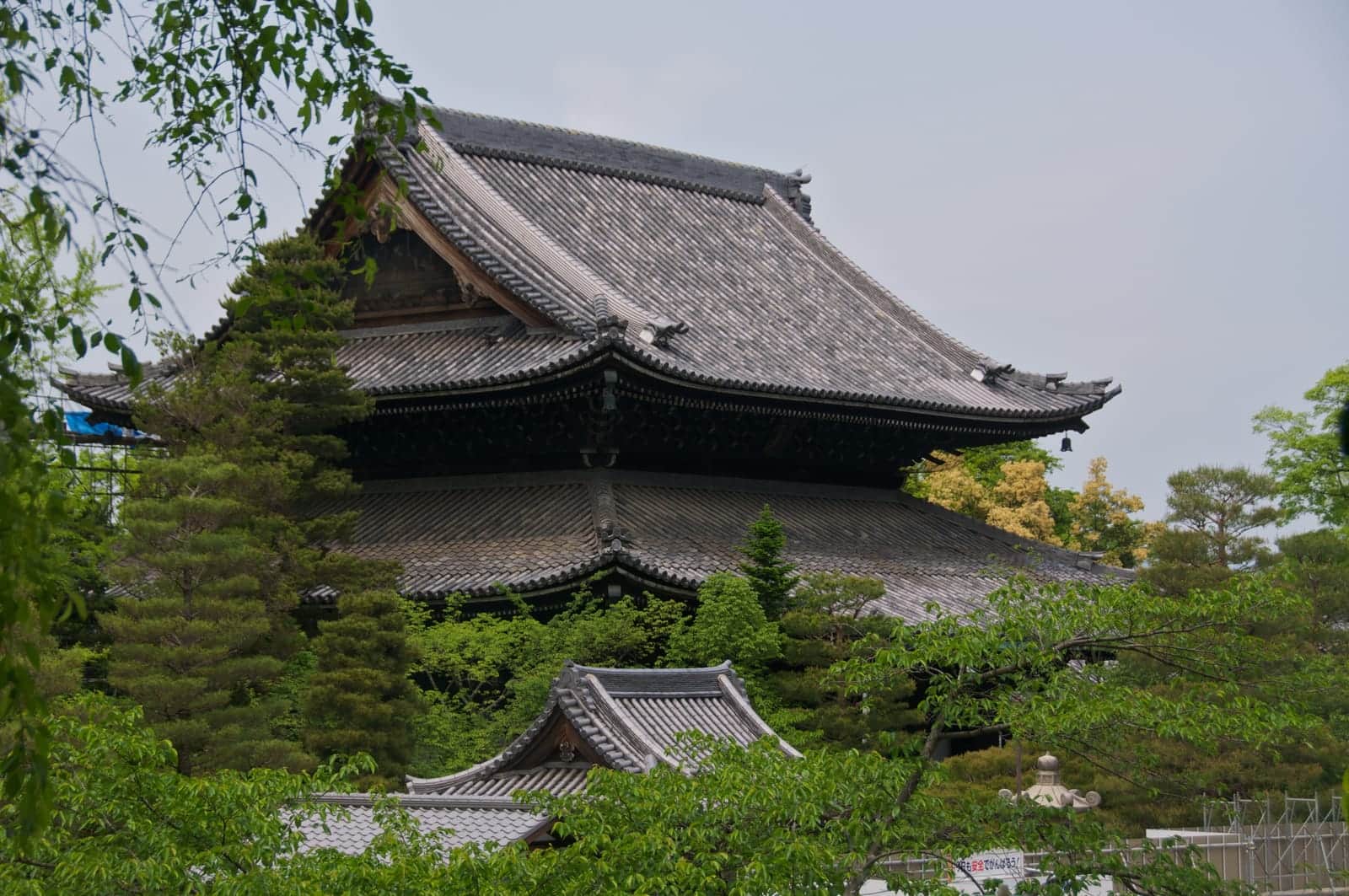
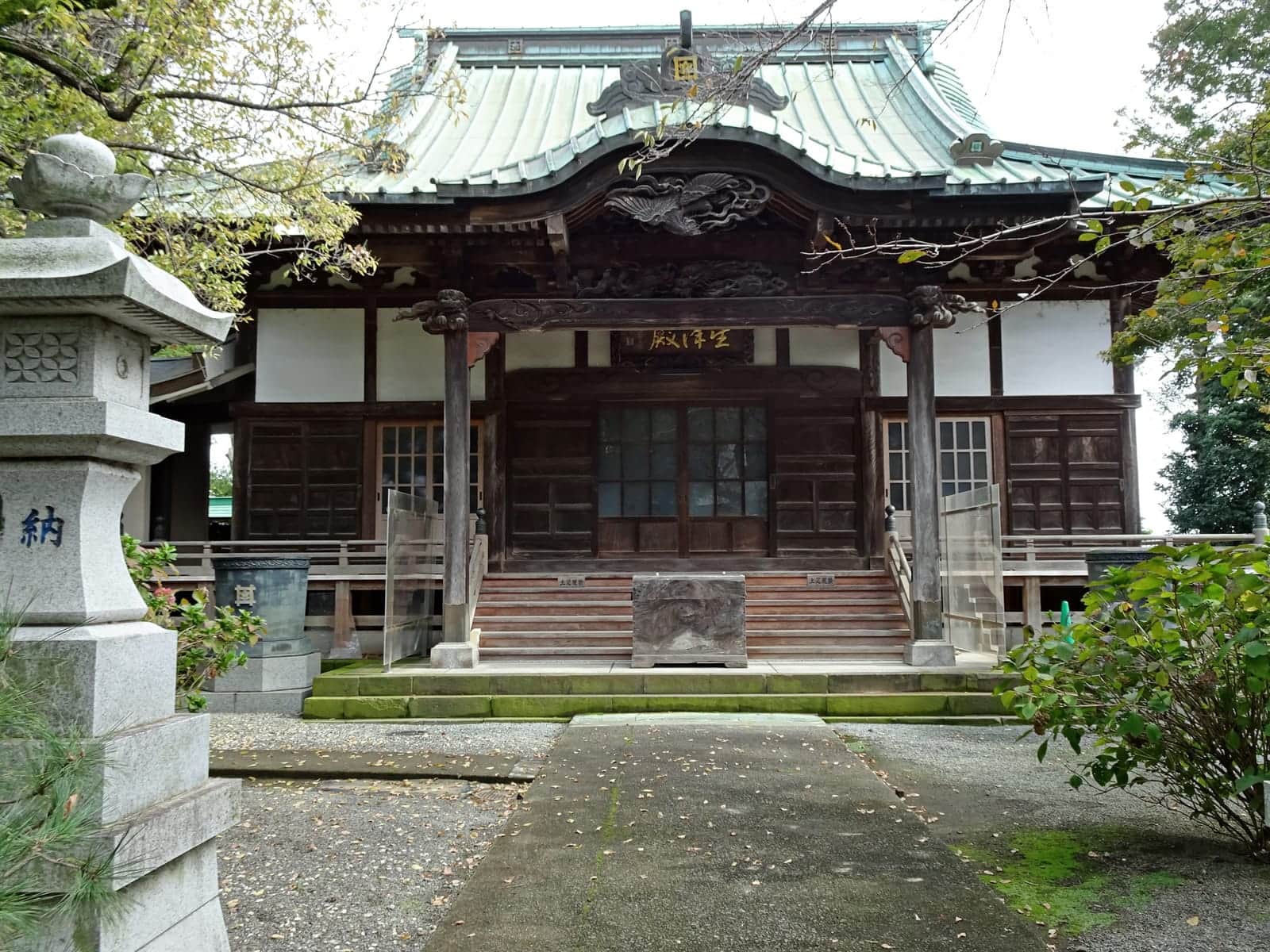
Kaji enshrines Tenme Hitotsume no Kami, the god of metalworking itself, alongside two legendary swordsmiths: Sanjo Munechika and Awataguchi Yoshimitsu from the Heian period.
A legendary sword forged here bears an unusual dual signature: 'Sanjo Munechika' on one side and 'small fox' on the other, commemorating the Inari deity who aided the master swordsmith.
Este santuario ofertas 1 diferentes diseños de goshuin
Regular
¥500
Sin confirmar
Visit in autumn to experience the shrine's most striking feature: a tunnel of crimson maple leaves along the approach and around the main hall that creates a natural archway best viewed from the base of the stairs looking upward.
If you visit during the Obon period in August, position yourself in the shrine grounds to view the Gozan no Okuribi (five mountain bonfire festival).
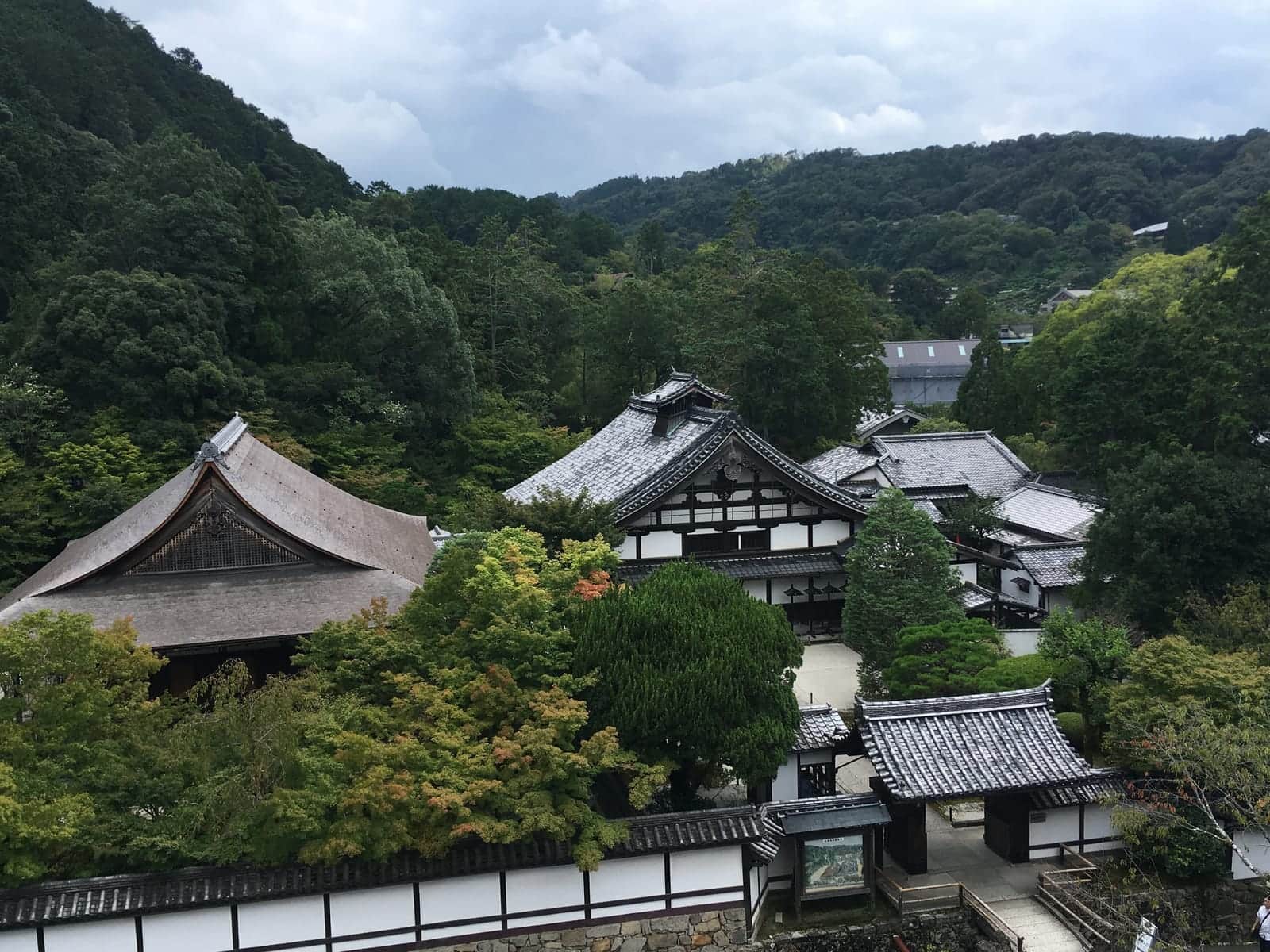
The shrine sits within Awata Shrine's larger precinct on elevated terrain, so wear sturdy shoes with good grip since the approach involves climbing stairs and the stone paths can be slippery after rain or during winter.
Explore the subsidiary shrines scattered throughout the precinct, especially the Kitamuki Inari shrine with its connection to the legendary sword smith Munechika and the Shussei Ebisu shrine housing a rare wooden Ebisu statue carved by the shrine's first caretaker. These smaller shrines reveal layers of Kyoto's craft and warrior history that most casual visitors miss.
Bring a camera or phone for photography, but be respectful of any posted restrictions and avoid photographing other visitors without permission.
Pay close attention to the Kaji shrine's main dedication to the gods of metalworking and swordsmithing, particularly the connection to legendary sword makers Sanjo Munechika and Awataguchi Yoshimitsu.
Celebraciones estacionales y ocasiones especiales.

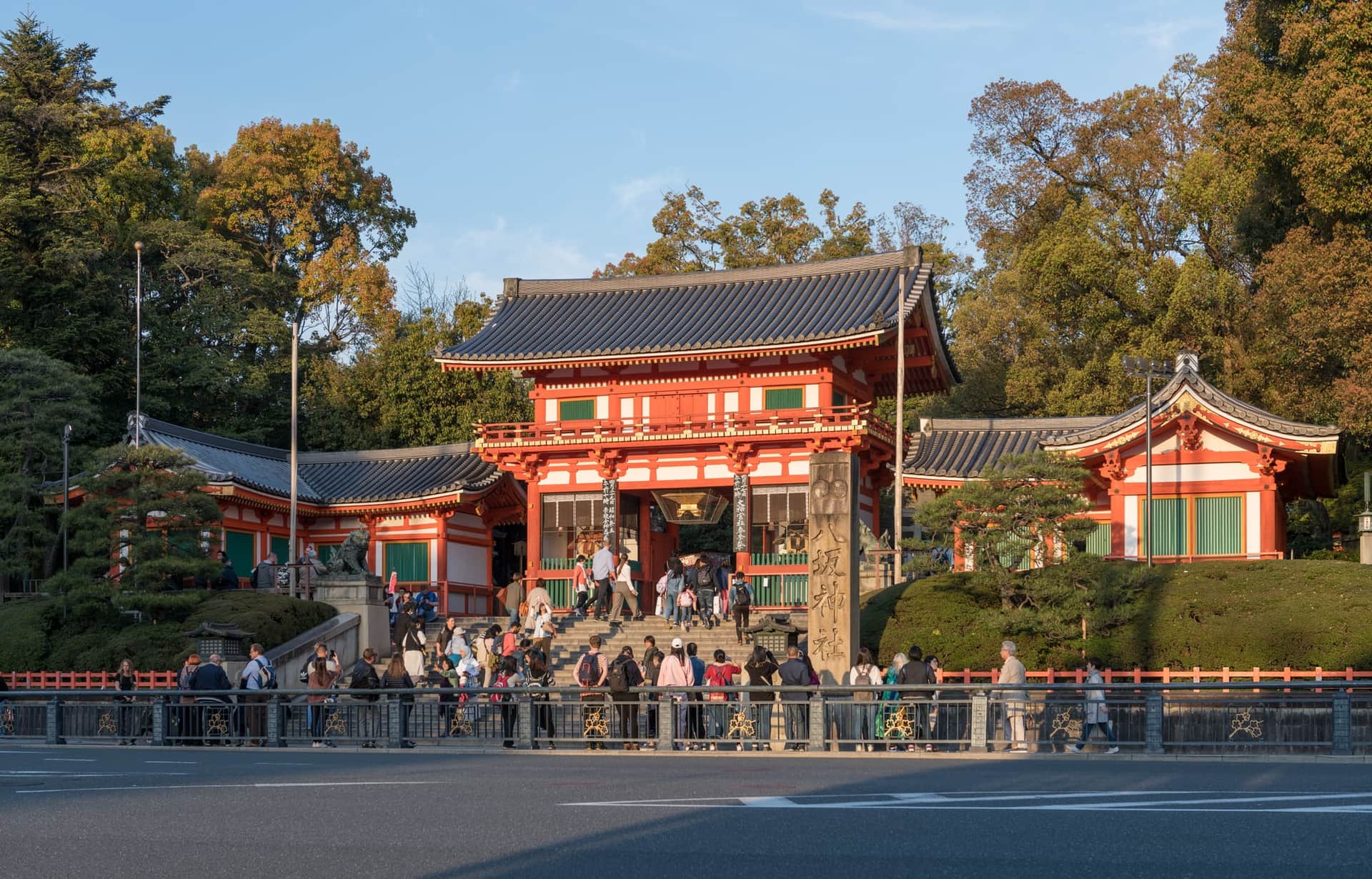
Higashiyama, Kyoto Prefectura
0 publicaciones recientes
Comparte cómo fue tu visita para ayudar a otros viajeros.
Todavía no hay publicaciones públicas de la comunidad.
Más páginas relacionadas con este lugar.
