Templo
Motoyama-ji
Mitoyo•4.3km(54 minutos a pie)
De un vistazo
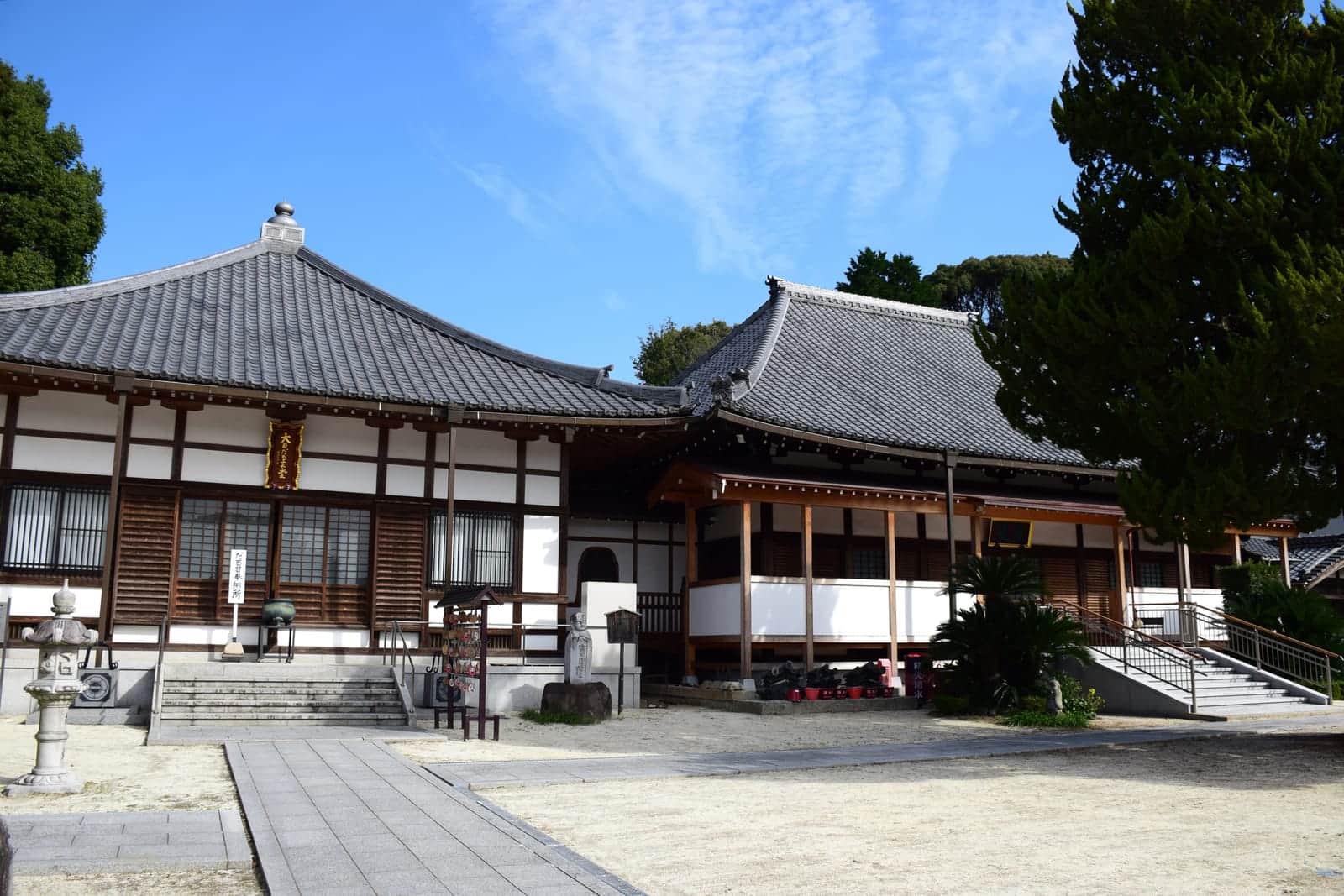
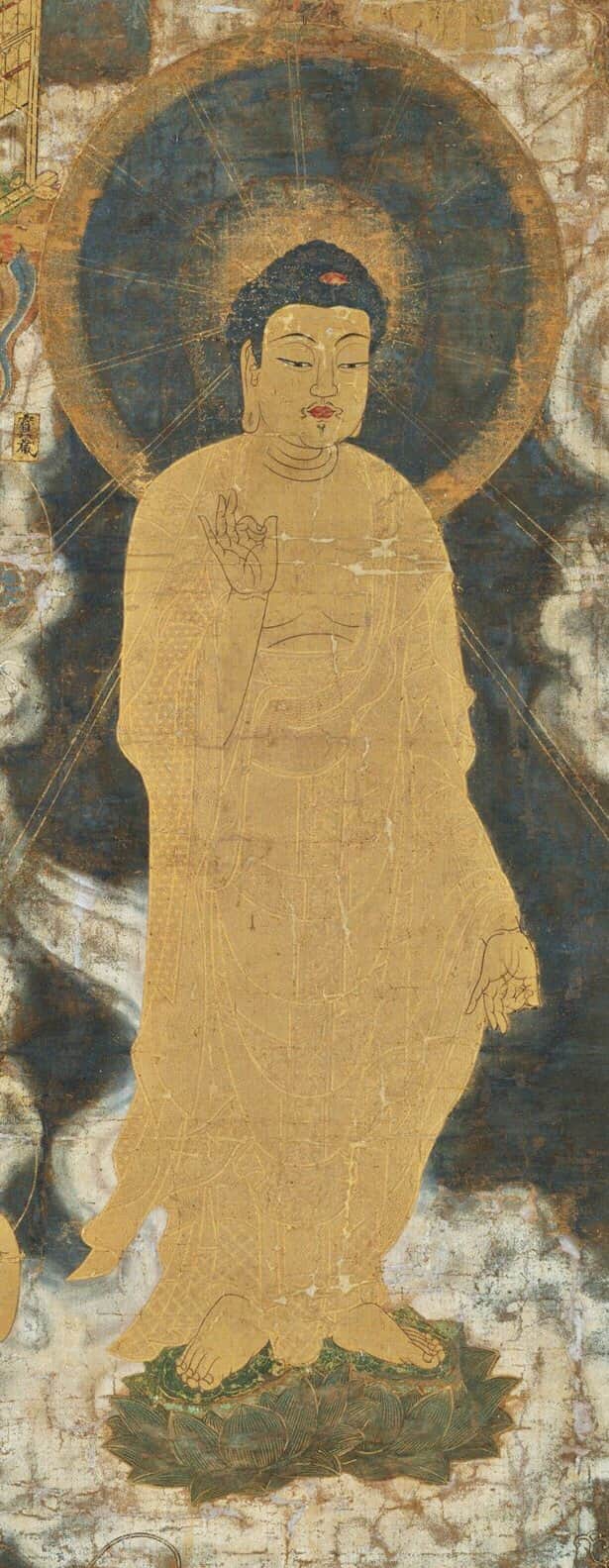
Kobo Daishi carved the temple's principal Amida Buddha statue in 807 and originally enshrined it in the Shinto shrine above. It wasn't moved to its current Buddhist temple home until over 1,000 years later.
Jinnein and Kannonji are the only two temples among all 88 Shikoku pilgrimage sites that share the exact same grounds, a unique arrangement created after Meiji-era religious reforms forcibly separated them from a Shinto shrine.
Igual que el horario de apertura
Este templo ofrece goshuin, pero aún no tenemos fotos. ¡Sé el primero en compartir el tuyo!
Instalaciones
Compras y recuerdos
Los espíritus divinos venerados en este lugar sagrado.
Sin confirmar
Más páginas relacionadas con este lugar.
Menos de 300 m Menos de 600 m
Kanonji, Kagawa Prefectura
Lo que se cree que concede este lugar
0 publicaciones recientes
Comparte cómo fue tu visita para ayudar a otros viajeros.
Todavía no hay publicaciones públicas de la comunidad.