Día en Kamakura
Una ruta de un día en Kamakura para coleccionistas de goshuin principiantes, conectando templos icónicos, atmósfera costera y segmentos de caminata manejables.
- 1 día
- 6 paradas
- Kamakura, Kanagawa
Sobre este viaje
Un paseo costero de un día para coleccionistas novatos de Kamakura, conectando los principales templos Zen, Hachimangu, Hase y el Gran Buda.
Itinerario día a día
Primera visita a Kamakura
- 6 paradas
- unos 315 min con visitas
Engaku-ji
KamakuraFundado en 1282, Engaku-ji es uno de los templos zen budistas más importantes de Kamakura y ocupa el segundo lugar entre los Cinco Grandes Templos Zen. El complejo del templo cuenta con edificios designados como Tesoro Nacional y jardines serenos, ofreciendo a los visitantes una experiencia profunda de la tradición Rinzai Zen.
Visita estimada · 45 minEntrada adulto · ¥200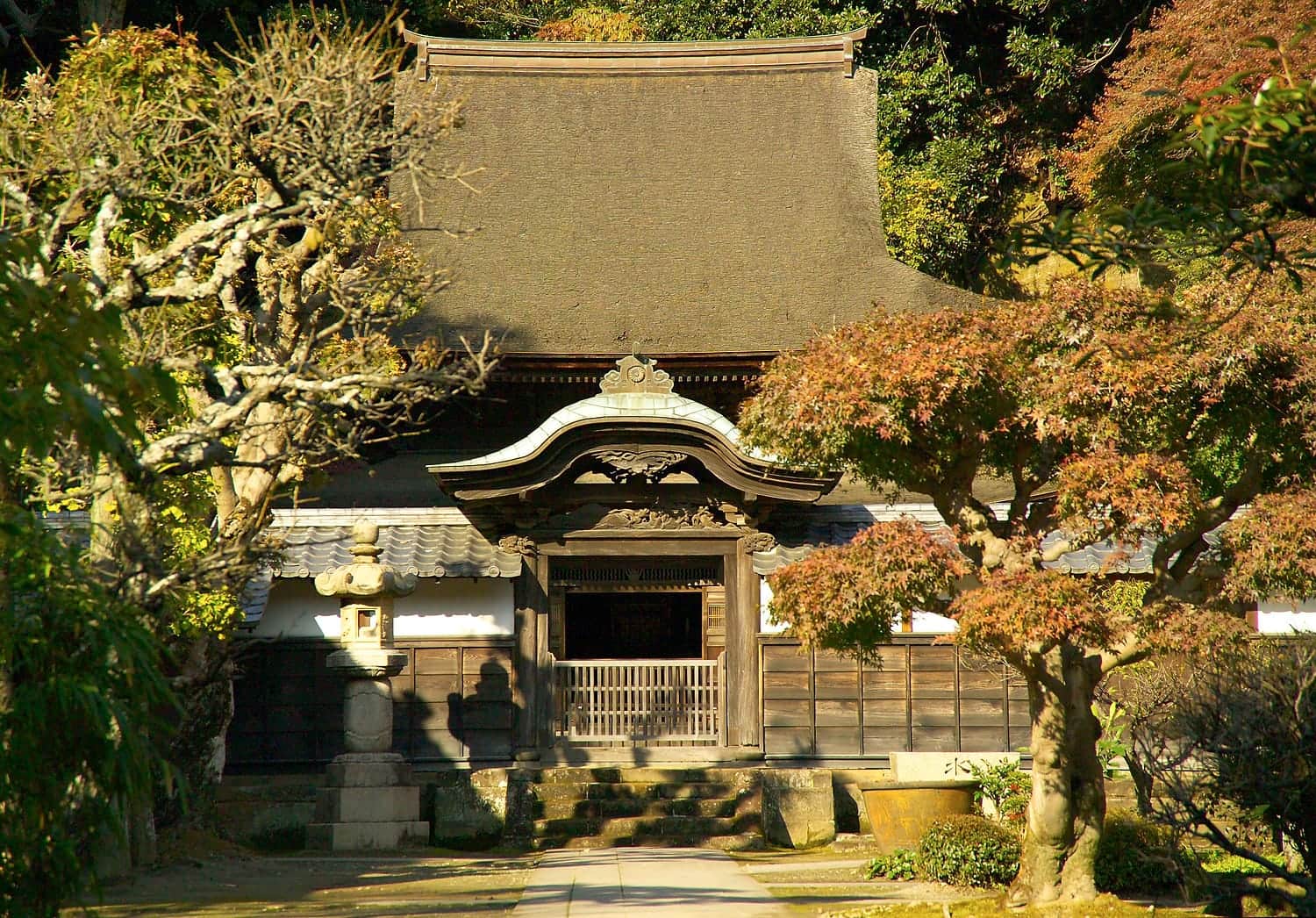
- Traslado
unos 20 min
Kencho-ji
KamakuraFundado en 1253, Kencho-ji es el primer monasterio de entrenamiento Zen de Japón y el principal de los Cinco Grandes Templos Zen de Kamakura. El templo tiene salones históricos y jardines, y muestra la práctica budista Zen.
Visita estimada · 45 min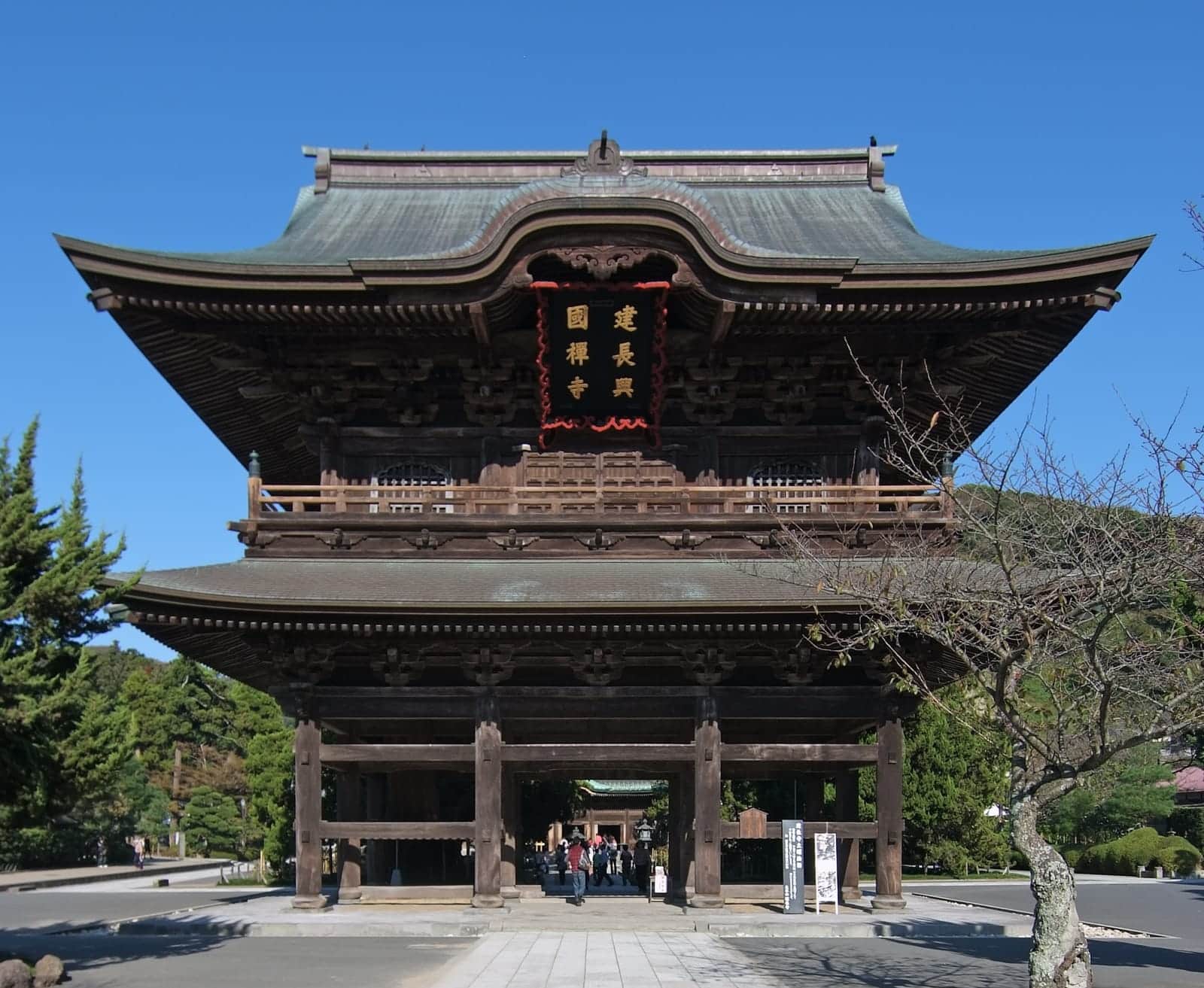
- Traslado
unos 20 min
Tsurugaoka Hachimangu
KamakuraEl santuario sintoísta más importante de Kamakura, fundado en 1063. Dedicado a Hachiman, la deidad patrona de los samurái. Presenta un acceso espectacular a través de puertas torii de color bermellón y una empinada escalinata que conduce al salón principal, ofreciendo vistas panorámicas de la ciudad.
Visita estimada · 45 minEntrada gratuita9 lo han visitado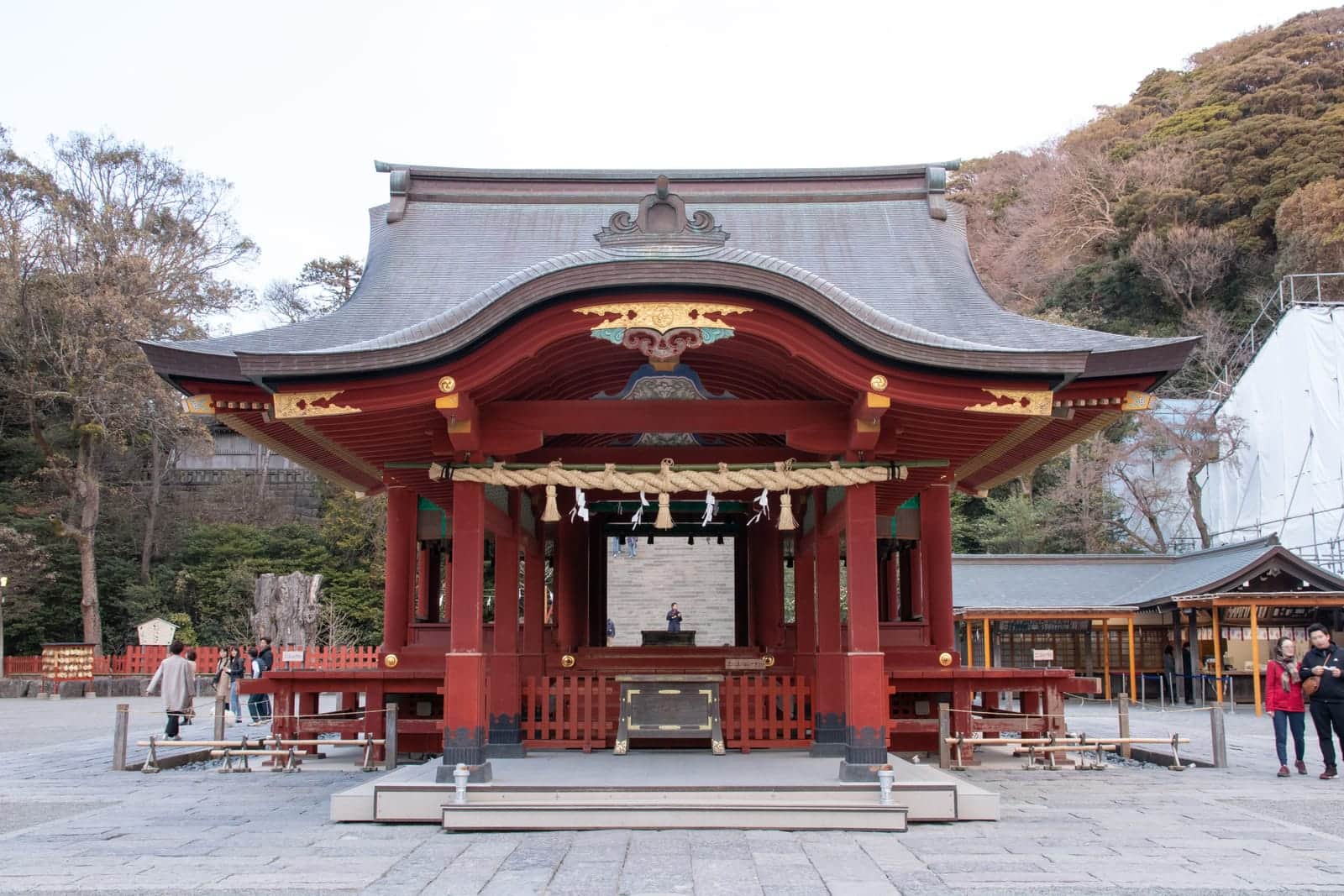
Zeniarai Benten Jinja
KamakuraZeniarai Benten es un santuario pequeño pero muy popular en el oeste de Kamakura, conocido por el manantial de cueva donde los visitantes lavan dinero con la esperanza de multiplicarlo. Combina tradiciones budistas y sintoístas y atrae a muchos turistas durante todo el año.
Visita estimada · 45 min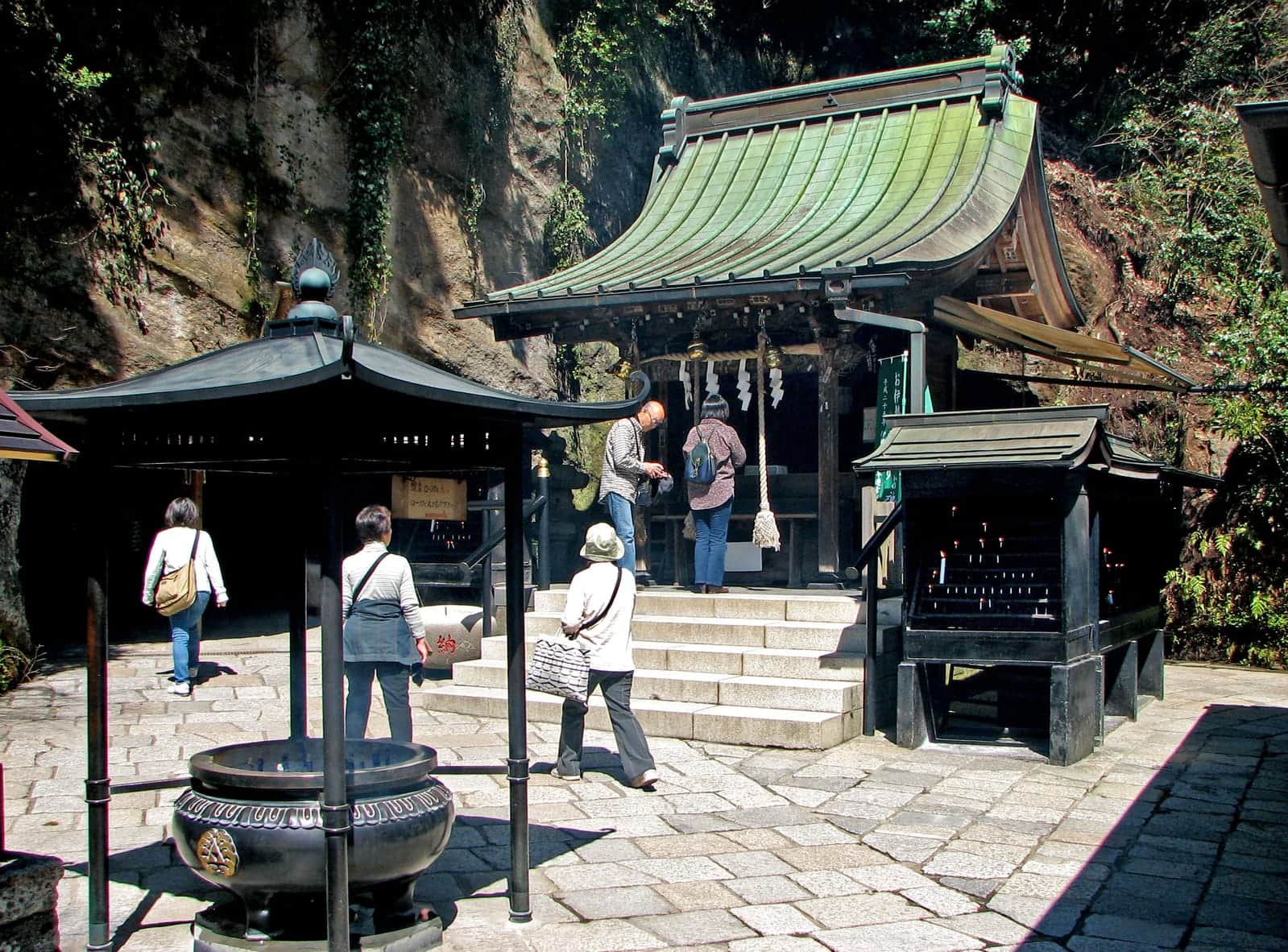
- Traslado
unos 20 min
Kotoku-in
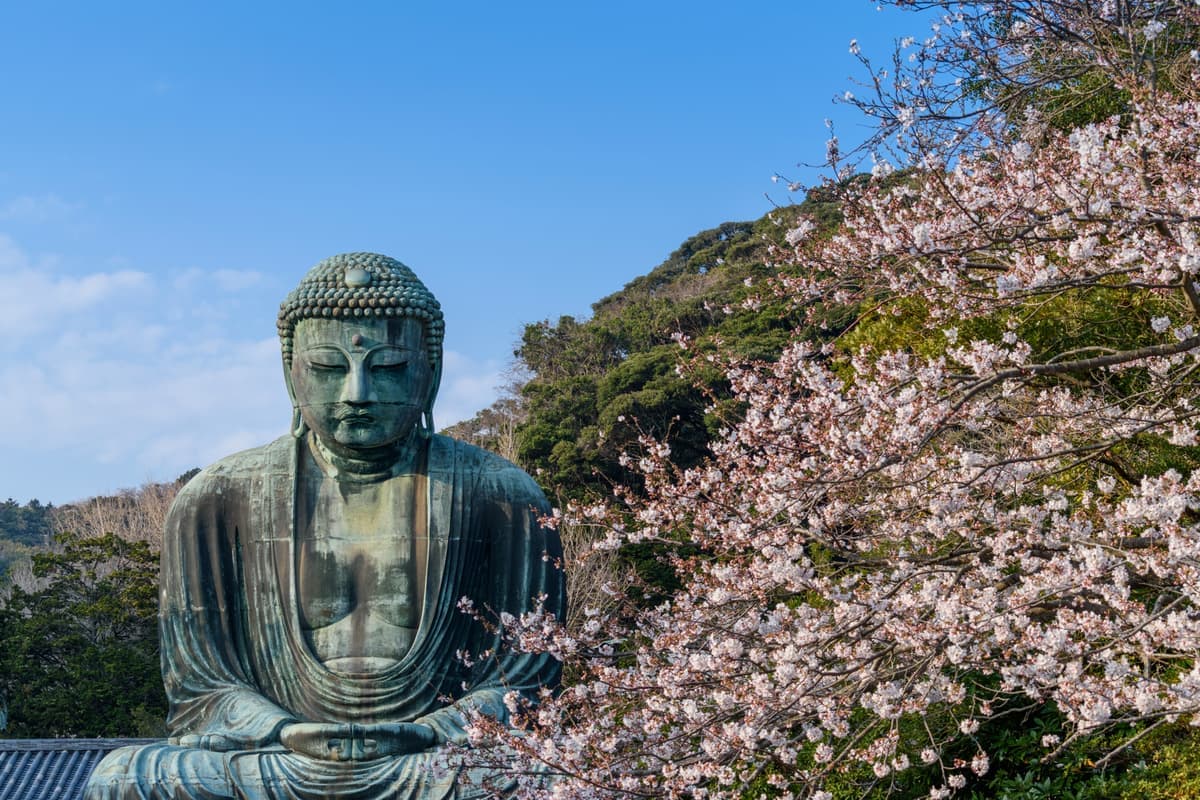
KamakuraTe adentras en un tranquilo patio y te encuentras con una mirada que ha resistido tormentas, tsunamis y siglos. Ante ti se alza el Gran Buda de Kamakura—la imagen de bronce al aire libre de Amitābha (Amida) en Kōtoku-in en Kamakura, Prefectura de Kanagawa—serena, vasta e imposiblemente calma. Fundida en 1252, esta estatua es el corazón de un templo Jōdo-shū formalmente conocido como Kōtoku-in (高徳院), o por su nombre anterior Shōjōsen-ji (清浄泉寺) de Daii-zan (大異山). Es un Tesoro Nacional designado y una de las 22 propiedades propuestas para la lista de Patrimonio Mundial de la UNESCO en Kamakura. La estatua mide aproximadamente 11.3 metros de altura, y después de que el gran salón del templo fue destruido repetidamente—por tormentas en 1334 y 1369, y luego un devastador tsunami en 1498—ha permanecido al aire libre desde entonces: una meditación en bronce bajo el cielo cambiante. Fundaciones Históricas Para entender Kōtoku-in, debes verlo no solo como un monumento único, sino como el espíritu destilado del budismo medieval de Kamakura, un paisaje religioso moldeado por el ascenso del gobierno guerrero y la búsqueda de una salvación accesible. El templo pertenece a la Jōdo-shū—la escuela de la Tierra Pura fundada en Japón por Hōnen—que centra la devoción en Amida, el Buda de Luz Infinita, cuyo paraíso occidental acoge a todos los que invocan su nombre con sinceridad. Este es el significado que anima la estatua: una imagen imponente de Amida que da forma a la esperanza, el recuerdo y los votos. El ancla histórica clave es la fundición del bronce en 1252, durante el período Kamakura, un tiempo en el que nuevos movimientos budistas echaron raíces tanto entre las élites como entre los plebeyos. La escala y la refinada quietud de la estatua nos dicen que no fue un encargo menor: refleja la riqueza, la fe y la ambición artística que definieron la época en que Kamakura—no Kioto—era el corazón palpitante del poder y la cultura. Los nombres formales del templo—Kōtoku-in, y anteriormente Shōjōsen-ji con el nombre de la montaña Daii-zan—lo sitúan dentro de las tradiciones de nomenclatura en capas del budismo japonés, donde un templo vivo puede llevar múltiples títulos que reflejan su linaje, geografía local e identidad histórica. Lo que hace que la historia de Kōtoku-in sea inolvidable es el ciclo de pérdida y resistencia que siguió. El Gran Buda estaba originalmente protegido dentro de un gran salón, como corresponde a un ícono venerado. Pero el salón sucumbió a un clima violento no una sino múltiples veces: primero destruido por tormentas en 1334, reconstruido, y luego nuevamente destruido en 1369. Cada reconstrucción representó la determinación de la comunidad para proteger la imagen; cada ruina marcó las realidades costeras expuestas de Kamakura. Finalmente, un tsunami en 1498 arrasó el salón por completo. El bronce Amida permaneció, y desde ese día ha estado bajo el cielo abierto. Esta transformación—de una imagen interior a un ícono al aire libre—se ha vuelto central en cómo las personas experimentan la estatua: como un compañero vivo del viento, la luz, la lluvia y las estaciones que pasan. Los siglos XX y XXI trajeron un nuevo tipo de custodia: esfuerzos de conservación científica e ingeniería. Sensible a las realidades de los terremotos y la erosión costera, el templo implementó conservación y refuerzo sísmico en el siglo XX y nuevamente en el siglo XXI. Estas obras, realizadas para que la estatua pueda resistir futuros temblores y continuar recibiendo visitantes de manera segura, son parte de una administración moderna que corre paralela al cuidado devocional de siglos. Durante estas iniciativas, la estatua siguió siendo el corazón de la identidad del templo: un gigante silencioso cuya preservación se entiende como un deber cultural y una ofrenda religiosa. El peso histórico y cultural del sitio es reconocido mucho más allá de Kamakura. El Gran Buda de Kōtoku-in es un Tesoro Nacional designado de Japón, colocándolo entre las obras más veneradas del patrimonio artístico del país. También forma parte del conjunto de 22 propiedades propuestas para la lista de Patrimonio Mundial de la UNESCO en Kamakura—un reflejo de cuán fuertemente el patrimonio medieval de la ciudad sigue moldeando la comprensión global de la religión, el arte y la historia japonesas. Maestría Arquitectónica Párate cerca del pedestal de loto de la estatua, y puedes sentir la lógica del diseño en acción. Esta es una figura de bronce Amitābha representada con una disciplina contenida: ojos bajos, una boca en la más leve sonrisa, y el dhyāna mudrā, el gesto de meditación, formado por manos plegadas en el regazo. El efecto es uno de profunda autoconfianza. Incluso si no sabes nada de budismo, la escultura te atrae hacia su compostura. La figura de bronce—aproximadamente 11.3 metros de altura—habría sido fundida en múltiples secciones, un método práctico para una obra tan monumental. La estatua es hueca, una elección de ingeniería que reduce el peso y distribuye el estrés. Las técnicas de fundición medieval en Japón implicaban crear moldes que pudieran soportar grandes paneles, que luego se unirían, terminarían y recibirían su superficie característica. Con el tiempo, el metal ha adquirido una suave pátina verde, un registro visible de los siglos. Aunque el salón original ha desaparecido, el exterior de la estatua revela sutiles trazos de su larga vida al aire libre—variaciones mínimas de tono, patrones de erosión y el suave brillo que proviene de incontables estaciones de viento y aire salado. Mientras que el salón de madera original se ha perdido, la presencia exterior de la estatua revela una inteligencia arquitectónica de otro tipo. Los constructores se adaptaron al sitio abierto a través de una cuidadosa ubicación y construcción de la base, anclando el monumento a una plataforma firme. En una región propensa a terremotos, la combinación de estructura interna y diseño de base es esencial. El moderno refuerzo sísmico—inst
Visita estimada · 45 minEntrada adulto · ¥3009 lo han visitado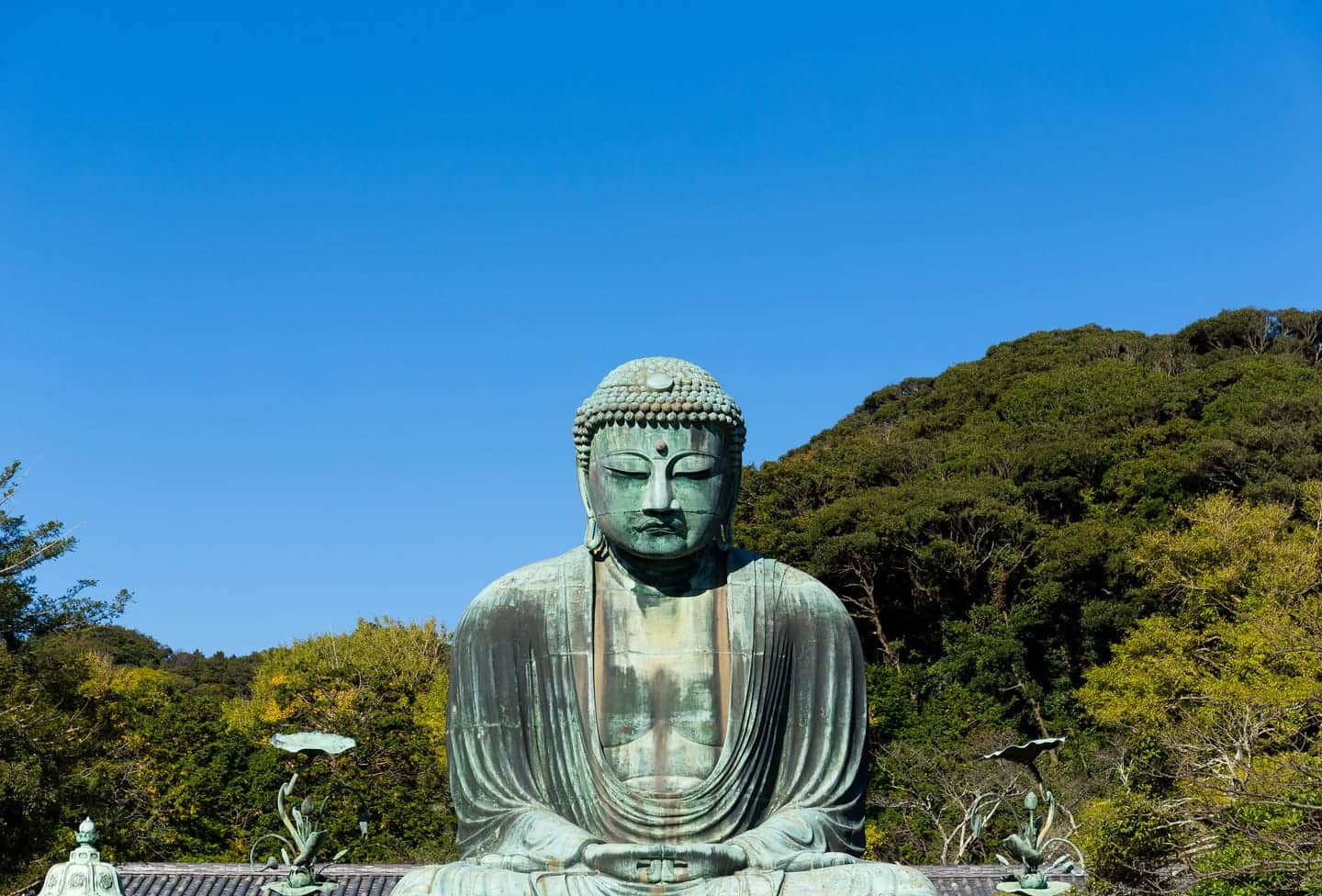
- Traslado
unos 20 min
Hase-dera
KamakuraIn the dim, gold-washed hush of the main hall, a single figure towers above you: a standing statue of the Eleven-Headed Kannon—the bodhisattva of mercy—rising a full 9.18 meters (about 30 feet) in height, carved from camphor wood and entirely gilded so that it seems to glow from within. This is the heart of Hase-dera, also called Hase-Kannon, a hillside temple in Kamakura belonging today to the Jōdo-shū (Pure Land) tradition. Tradition credits its origin to 721, when the monk Tokudō commissioned a pair of Kannon images; documentary records appear in 736, and the temple later shifted from Tendai teaching to the Jōdo-shū school. Its vast Kannon-dō hall, peaceful gardens, and mysterious Benten-kutsu cave make it a place where art, story, and sea air meet in one unforgettable setting. Historical Foundations The tale that gives Hase-dera its soul begins in the early 8th century. According to tradition, the monk Tokudō—a figure associated in legend with the spread of Kannon devotion across eastern Japan—commissioned two images of Jūichimen Kannon (the Eleven-Headed Kannon) from a single, massive camphor tree in 721. One statue became the principal figure at Hasedera in Yamato (today’s Nara Prefecture); the other, the story goes, was set adrift to follow the will of the bodhisattva and eventually found its destined shore in eastern Japan. Whatever the precise truth behind the legend, a temple at Kamakura dedicated to Kannon is historically recorded by 736, placing Hase-dera deep into the fabric of early Buddhist expansion into the Kantō region. In its earliest centuries, Hase-dera stood within the philosophical orbit of Tendai, the inclusive and scholastic school dominant in medieval Japan. The later transition to Jōdo-shū—the Pure Land school that focuses on the compassionate vow of Amida Buddha—reflects the evolving religious landscape of Kamakura, which rose to prominence as the seat of warrior government in the late 12th and 13th centuries. As the city developed under powerful clans, the devotional currents that ran through Kamakura’s society—reliance on Kannon’s mercy, aspirations for rebirth in Amida’s Pure Land, and the protection of local deities—took material shape in temples like Hase-dera. Over time, Hase-dera emerged as a recognized center of Kannon worship and a station on the Bandō Sanjūsansho—the Bandō 33 Kannon pilgrimage, a regional devotional circuit honoring Kannon at thirty-three sacred sites across eastern Japan. Hase-dera is Temple No. 4 on this route, a status that underscores its enduring importance as a place where supplicants come to seek relief from suffering and a share in Kannon’s boundless compassion. Although wildfires, storms, and political upheavals punctuated the temple’s long life—as they did for many Kamakura monuments—Hase-dera’s main identity remained steady: a sanctuary where Kannon is enshrined, Amida is venerated, and the compassionate gaze of Jizō watches over travelers and children. The shift from Tendai to Jōdo-shū did not displace Kannon’s central role; it rather enfolded Kannon devotion within a broader Pure Land devotional practice that continues today. Architectural Mastery Hase-dera occupies a steep hillside above the sea, and its buildings unfold across terraces that climb the slope. This layered composition is part of its architectural charm: each ascent reveals a new hall or overlook, a garden or a grotto, all connected by pathways that choreograph your experience between earth, sky, and sea. The Kannon-dō, or main hall, enshrines the colossal Jūichimen Kannon. The statue’s height—9.18 meters—places it among the largest wooden Buddhist images in the country. Carved from camphor wood and lavishly gilt, it stands in an attitude of poised benevolence. Eleven small faces are arranged along the crown of the head, each registering different aspects of compassion: serene, fierce, laughing, instructing—Kannon’s gaze that sees all forms of suffering. The sculpture’s gold leaf skin amplifies ambient light, producing a quiet radiance, while the wood beneath gives it palpable warmth. Architecturally, the hall is a sanctuary for light and mass: columns and beams frame a space scaled to the statue, and the elevated platform, canopy, and altar furnishings create a vertical hierarchy that leads the eye up to Kannon’s face. Nearby stands the Amida-dō, a more intimate pavilion dedicated to Amida Nyorai, the Buddha of Infinite Light, whose nembutsu invocation anchors Jōdo-shū practice. The spatial dialogue between the Kannon-dō and the Amida-dō expresses a theological partnership: the salvific promise of Amida and the active compassion of Kannon together guide devotees toward liberation. The Jizō-dō honors Jizō Bosatsu, the guardian of travelers, children, and those in transition. Around it you will often see ranks of small Jizō statues, placed as memorials and prayers, tenderly individual yet collectively powerful. The repetition of figures forms a visual mantra, a compassionate field that holds both grief and hope. The Kannon Museum offers a curated look at the temple’s treasures and context. Here, explanatory displays help translate the symbolic language you encounter in the halls: iconographic attributes, historic dedications, votive offerings, and the craft processes behind wooden sculpture and gilding. While the main hall engages you emotionally and ritually, the museum engages you intellectually and historically, giving depth to what you’ve just seen. Below the halls, under the slope, runs the Benten-kutsu—the Benzaiten cave. This low, winding grotto is dedicated to Benzaiten, the deity of flowing things—water, music, eloquence—whose cult traveled from India through China to Japan and took on a deep association with coasts and commerce. The cave walls bear carved images of Benzaiten and related attendants, creating a dreamlike corridor of deities. The atmosphere is tactile: niches flicker with votive lights, the air is damp and cool, and the sound is close; you carry your prayers along the tight passages like a stream carries fallen leaves. The built environment of Hase-dera places equal weight on architecture and terrain. Timber halls adapt to the contours of the mountain, porches open to terraced views, and stairways frame glimpses of the sea. The entire complex reads as a case study in how religious architecture in Japan often performs as landscape architecture: buildings and slopes co-author the experience. Religious & Cultural Significance At Hase-dera, the devotional heart is Kannon, here embodied as Jūichimen Kannon—the Eleven-Headed Kannon. In Buddhist cosmology, Kannon (Avalokiteśvara) is the bodhisattva who hears the cries of the world. The eleven heads symbolize a compassionate awareness that multiplies in all directions; the bodhisattva’s attentiveness is not just wide, but deep, encompassing sufferings both obvious and intimate. The temple’s alignment with Jōdo-shū situates its practice in the embrace of Amida Buddha, whose vow opens the path to rebirth in the Pure Land. Visitors encounter this through the nembutsu—the mindful recitation of Amida’s name—and through the visual presence of Amida-dō alongside the Kannon-dō. In this theological ecology, Kannon often appears as Amida’s compassionate agent—guiding beings toward salvation, answering prayers for protection, and offering solace in hardship. Hase-dera’s role as Temple No. 4 on the Bandō Sanjūsansho pilgrimage places it in a sacred itinerary that has shaped religious life in the region for centuries. Pilgrims circulate through thirty-three Kannon temples, reciting sutras, offering incense, and receiving goshuin—calligraphic seals that mark the journey’s spiritual ledger. The number thirty-three itself echoes Kannon’s vow to manifest in thirty-three forms as needed to help sentient beings. Hase-dera’s giant Kannon, standing like a lighthouse above the coast, embodies the pilgrimage’s promise: guidance in a perilous world. The presence of Jizō at Hase-dera signals the temple’s pastoral care for liminal lives—those just beginning, just ending, or caught in transit. Jizō’s childlike aspect makes him especially beloved; people place small statues, bibs, and caps as acts of remembrance and protection, particularly for children lost before or shortly after birth. This practice is not merely decorative; it is a ritual language—a way for grief to speak and find community. The Benten-kutsu connects Hase-dera to the watery world beyond the hill. Benzaiten, the deity of music, wealth, and eloquence, is also a guardian of waterways and the sea. In coastal Kamakura, where tides and trade have long shaped life, Benzaiten’s cave forms a devotional link between maritime fortune and spiritual flow. The cave’s carvings, with their rhythmic repetition, echo Benzaiten’s musical dimensions and invite the visitor into a meditative cadence of light, sound, and motion. Because of all this, Hase-dera functions as both temple and microcosm: a site where multiple Buddhist figures—the compassionate Kannon, the salvific Amida, the protective Jizō, and the flowing Benzaiten—address different human needs within a coherent spiritual estate. Ritual practices here range from quiet sutra recitation to incense offerings and seasonal visitations, and the temple’s calendar follows the rhythm of blooms, pilgrimages, and local observances. Yet even outside formal rites, stepping before the 9.18-meter Kannon is itself a ritual of scale and humility—a silent acknowledgment of the immeasurable compassion the figure represents. Natural Setting & Environment Hase-dera’s topography is part of its identity. The temple climbs a hill in Hase, a district of Kamakura, and presides over views of the Sagami Bay coastline. This meeting of mountain and sea is more than picturesque; in Japanese religious thought, such thresholds are potent. Mountains suggest ascent and clarity; the sea suggests flux and boundlessness. Hase-dera’s terraces let you feel both—the groundedness of stone steps beneath your feet and the sweep of horizon threading through the pines. At the base, ponds and bridges gather water into reflective planes, doubling the scene and quieting the mind. As you ascend, the paths narrow and open in turn, offering framed vignettes: a cluster of Jizō among mossy stones, a sakura bough arching over eaves, a glimpse of blue water between cedar trunks. The temple’s famed hydrangea path—lining the hillside with a mosaic of blue, purple, and pink during the early summer rains—has become one of Kamakura’s seasonal emblems, drawing visitors who seek that rare alchemy of mist and color. In autumn, the maples flare crimson; in winter, the architectural bones stand crisp against a pale sky; in spring, plum and cherry break the quiet with fragrance and fluttering petals. This seasonal choreography amplifies the temple’s teachings. As you watch koi ripple the pond or leaves drift down a stair, impermanence—the Buddhist axiom of change—ceases to be a concept and becomes a sensation. At the upper terrace, near the Kannon-dō, the long view returns: the curve of the coast, boats like brushstrokes on the water, wind folding through treetops. For many visitors, that vista is a breath that returns the world to scale. Visitor Experience & Heritage Hase-dera welcomes you in layers, much like its hillside. The lower precincts orient you gently: gardens, ponds, and the approach to the Kannon Museum, where an hour’s unhurried visit can anchor your understanding before you climb. Exhibits guide you through the temple’s stories: the 721 tradition of Tokudō and the 736 historical record; the craft behind a 9.18-meter wooden statue, from timber selection and joinery to lacquering and gold leaf application; and the role of Hase-dera as Temple No. 4 on the Bandō 33 Kannon pilgrimage. Labels and diagrams give you a language for what you’ll see: what distinguishes Jūichimen Kannon from other Kannon forms, why Amida appears with specific hand gestures, how Jizō’s iconography developed in Japan. From there, the ascent to the upper terrace becomes a ritual in its own right. The steps, worn smooth from centuries of feet, carry you past small shrines and devotional stones. When you enter the Kannon-dō, take time to adjust to the hall’s microclimate of quiet. The statue’s scale rewards slow looking: notice the relationship between the main face and the ring of smaller faces above; the way the gilding softly reflects light onto the surrounding beams; the offering tables, where prayers accumulate in bouquets of incense and flowers. Even if you know the numbers—9.18 meters of height, a tradition reaching to 721—the encounter is visceral first, factual second. Outside, the balcony near the hall offers a prospect over the roofs of Kamakura and the Sagami Bay coastline. The city’s layers—shrine groves, tiled eaves, modern streets—collapse into a single plane, a living palimpsest. It is easy to see why Hase-dera has long served as a place to gather strength before reentering life’s currents. Continue to the Amida-dō to experience the difference in scale and tone: where the main hall surges upward, the Amida Hall gathers inward, supporting a more intimate engagement with the nembutsu and the idea of Amida’s Pure Land. The Jizō-dō then wraps that spiritual arc with a community dimension. The small Jizō figures that populate the precinct—some new, some weathered—manifest the temple’s role in remembrance and healing. Each one is a story; together they read like a communal sutra. Descending, you enter the Benten-kutsu. The transition from sunlit terrace to shadowed grotto is immediate and sensory: cool air, stone underfoot, the scent of wax, and the tactile presence of the carvings. Here Benzaiten’s realm feels literally carved from the earth; the line between natural cave and human intervention blurs. The goddess’s association with water and music resonates with the cave’s acoustics and the temple’s maritime horizon. It is a place to make a wish that requires flow—eloquence in speech, ease in livelihood, grace in art—and to leave it where the rock can keep it for you. Throughout your visit, the temple’s custodians maintain a balance between accessibility and conservation. Pathways are clearly marked, interpretive materials are thoughtfully presented, and devotional spaces retain their sanctity for prayer as well as viewing. As a living temple in the Jōdo-shū tradition, Hase-dera is not a museum frozen in time, but a working community of practice. The Kannon Museum and the halls simply make that practice legible to all. Hase-dera’s cultural significance stems from how comprehensively it weaves together essential threads of Japanese religious life: It holds a monumental image of Kannon—at 9.18 meters, one of the most commanding wooden Kannon statues in Japan—enshrined in a hall that translates devotion into architectural form. It integrates Jōdo-shū Pure Land devotion through the Amida-dō, aligning personal prayer with the tradition’s hope for rebirth in Amida’s Pure Land. It serves communities of memory through the Jizō-dō, where small statues become touchstones for families and a visual chorus of care. It honors the coastal lifeworld via the Benten-kutsu, connecting spiritual practice to the sea’s rhythms and the arts’ flowing energies. It participates in a regional sacred network as Temple No. 4 on the Bandō Sanjūsansho pilgrimage, anchoring it within centuries of devotional travel and story. For the modern visitor, this means that a day at Hase-dera can be many things at once: an aesthetic encounter with masterful wood sculpture and gold leaf; a walk through hillside gardens that shift character with the seasons; a contemplative interlude in the shadow of a giant bodhisattva; a lesson in how religious traditions in Japan overlap and reinforce one another. The temple’s atmosphere—never merely quiet, but actively calming—derives from that integration. Nothing feels extraneous; everything seems to return to the core proposition that compassion not only uplifts, but also organizes a space and a life. As you conclude your visit, consider the many layers of time present here. The 721 tradition and the 736 record restore to the mind’s eye a world of early monks and mountain paths; the later Jōdo-shū identity situates you among medieval devotees who sought reliable practices in tumultuous times; the Bandō 33 Kannon circuit wraps Hase-dera into a map of prayer that is still walked today. And in the present moment, under the gaze of the Eleven-Headed Kannon, you add your own brief chapter—another voice in the chorus of needs and thanks that has sounded here for more than a millennium. Practical advice for absorbing Hase-dera’s essence is simple: Give the Kannon-dō time. The statue’s scale takes a few quiet minutes to register fully. Pair the hall with the Kannon Museum. Understanding the materials and symbolism enriches the emotional impact. Visit the Benten-kutsu after the halls. The shift to subterranean sacred space is a powerful counterpoint to the mountain-and-sea vistas above. If you can, come in a season of change—early summer hydrangeas, autumn maples—to let the landscape amplify the teachings of impermanence and compassion. And when you step back out onto the terrace, take one last look over Sagami Bay. The horizon is a line, but it is also a threshold—the same kind of threshold Hase-dera occupies between past and present, mountain and sea, art and devotion. The golden Jūichimen Kannon behind you and the waters ahead make a final, silent promise: that compassion, like light on the ocean, finds its way to every shore.
Visita estimada · 90 minEntrada adulto · ¥40010 lo han visitado