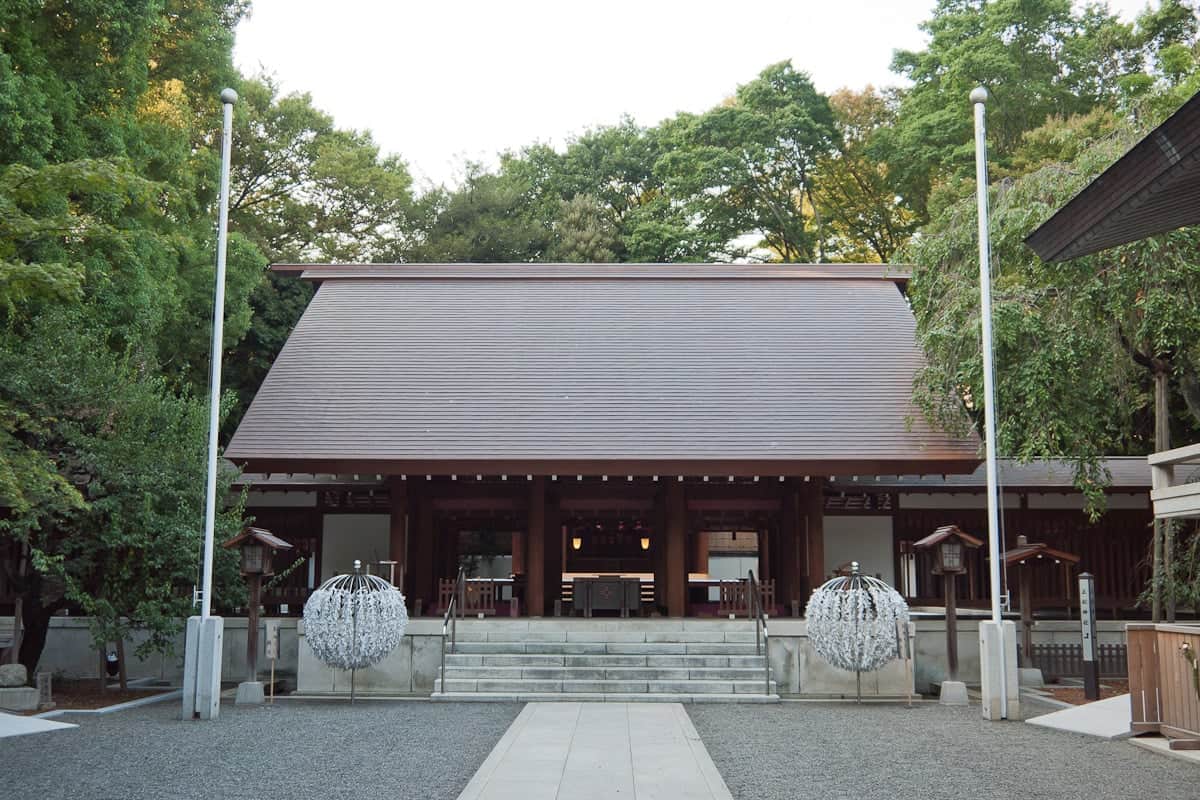
Guardian kami of military virtue and protection
General Nogi Maresuke (1849–1912) was a celebrated commander of the Imperial Japanese Army, best known for leading the siege of Port Arthur during the Russo-Japanese War of 1904–05 and for his earlier role in the capture of Port Arthur from China in 1894. After the war, Emperor Meiji appointed him president of the Gakushūin (Peers' School), where he also served as a mentor to the young prince who would become Emperor Shōwa.
Nogi became a revered symbol of samurai loyalty and self-sacrifice throughout Japan. On the day of Emperor Meiji's state funeral in September 1912, he and his wife took their own lives in an act of junshi — following one's lord in death — an event that deeply moved the nation and reignited interest in the bushido code. He is enshrined at several Nogi Jinja across Japan, and the Nogizaka neighborhood in Tokyo preserves his name to this day.
As a Shinto kami, Nogi is venerated as a guardian spirit of martial virtue, loyalty, and protection. His life story, marked by a profound sense of duty and atonement, made him a model figure in Meiji-era Japan and continues to draw worshippers seeking strength of character and spiritual protection.
1 place