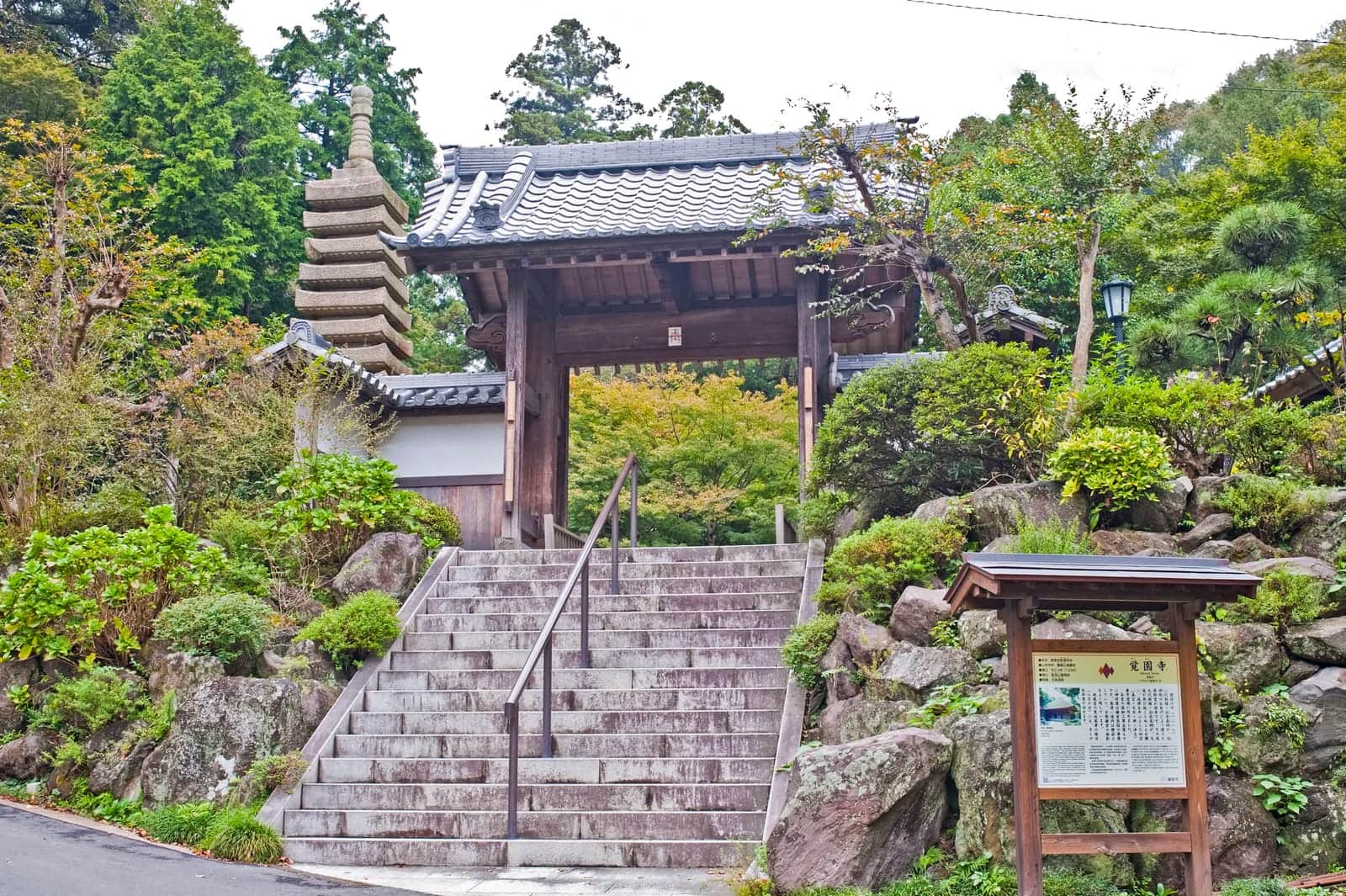
前往半僧坊需要穿过森林攀登约250级陡峭的石阶,因此请穿着抓地力好的结实舒适的鞋子,并预留15-20分钟从建长寺主要区域上山的时间。
概览
Hansōbō earned his nickname as 'rice monk' after saving a shipwrecked Zen monk (son of Emperor Daigo II) from Ming China in the 14th century and serving as his varlet, carrying his food.
神社的12座乌鸦天狗雕像守护着防火,因为半僧坊的原始雕像奇迹般地在法兴寺的大火中幸存下来,赋予了他保护建长寺免受火灾的力量。
此 寺院 提供 1 款不同的御朱印设计
通常
前往半僧坊需要穿过森林攀登约250级陡峭的石阶,因此请穿着抓地力好的结实舒适的鞋子,并预留15-20分钟从建长寺主要区域上山的时间。
该神社是天园远足路线的起点或终点,您可以考虑沿着这条从山顶神社延伸至周围山区的步道继续前行,延长您的游览时间。
沿着通往神社的道路寻找12尊乌鸦天狗像,每尊都以不同的姿态呈现,作为Hansobo的守护者保护Kenchoji寺免受火灾侵袭。
6月上旬至7月中旬可欣赏沿路盛开的蓝色绣球花,秋季则有枫树的绚丽红叶铺满通往神社的步道。
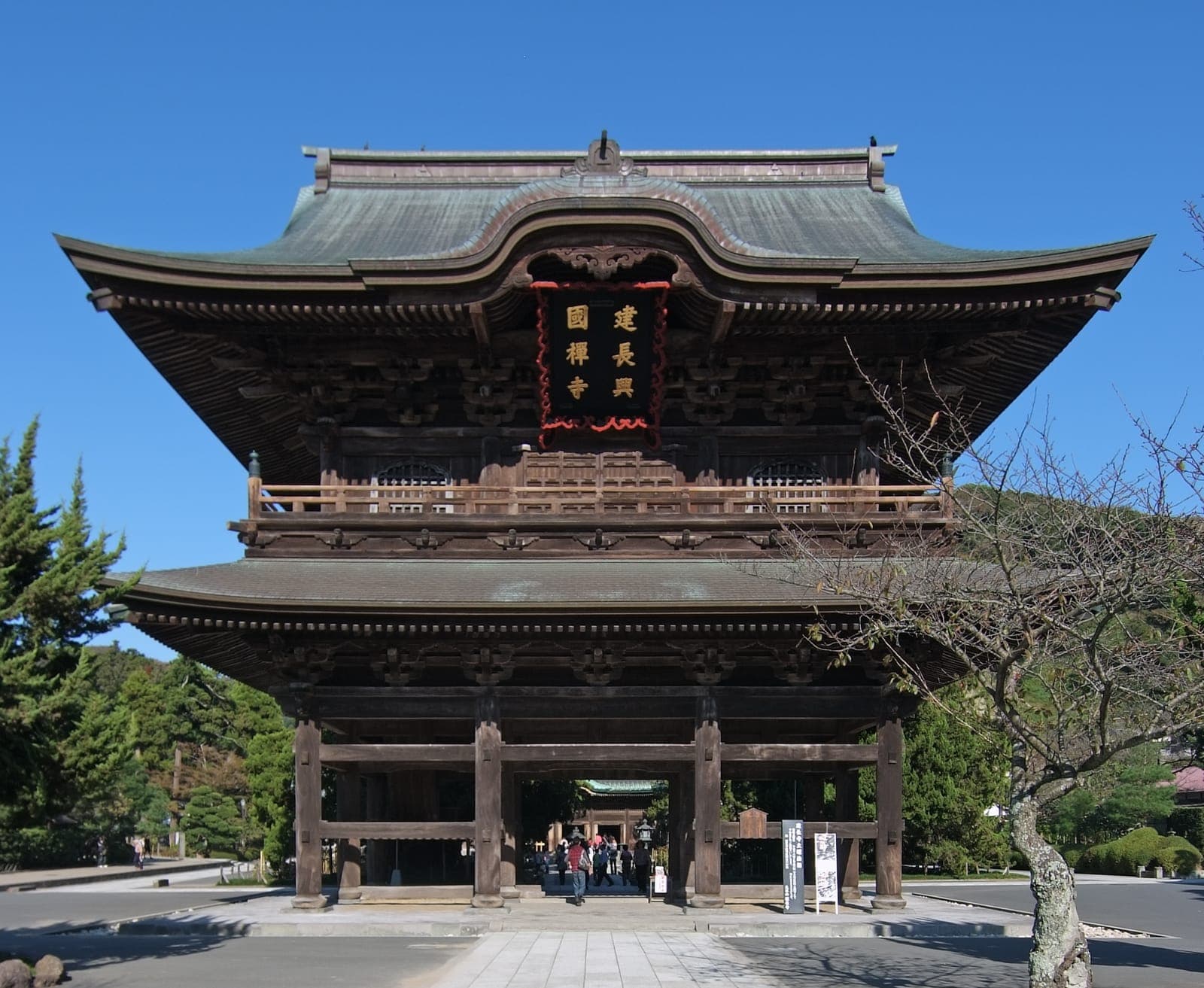
建长寺 建筑群的一部分。
尚未确认
1 条最新帖子
分享你的参访体验,帮助其他旅行者。
 ZBPro member
Zoë BolandPro 分享了御朱印
300米以内 600米以内
时刻数据:公共交通开放数据中心