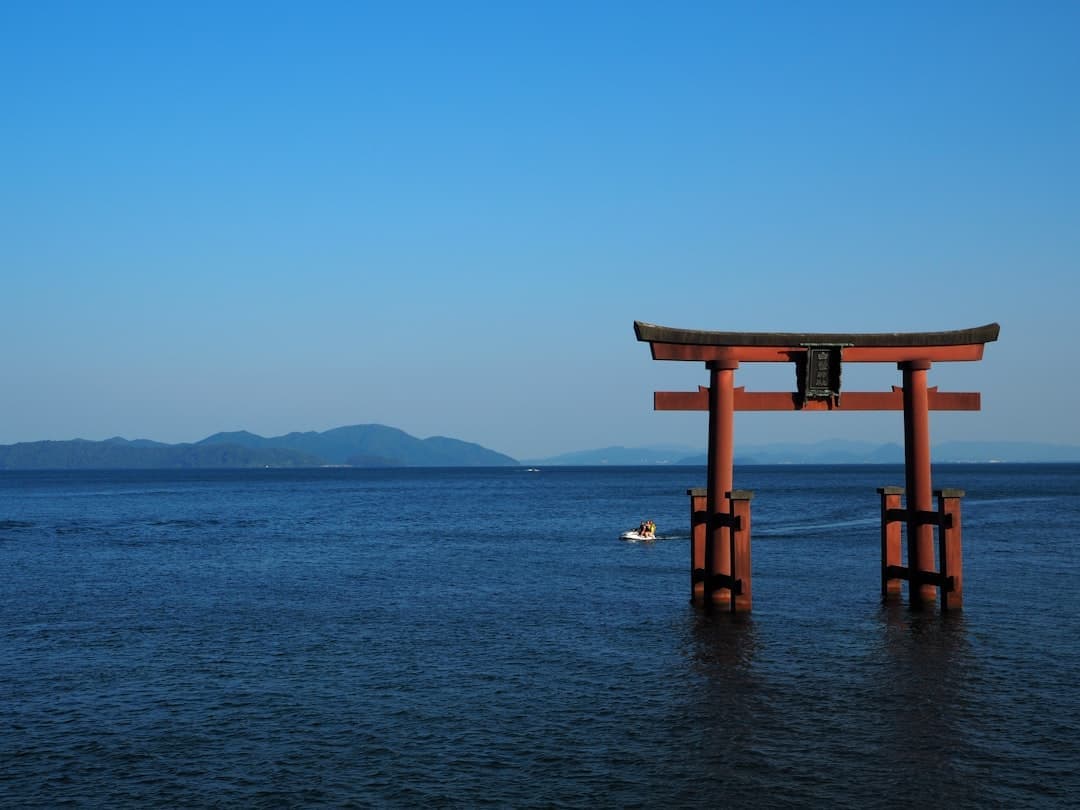
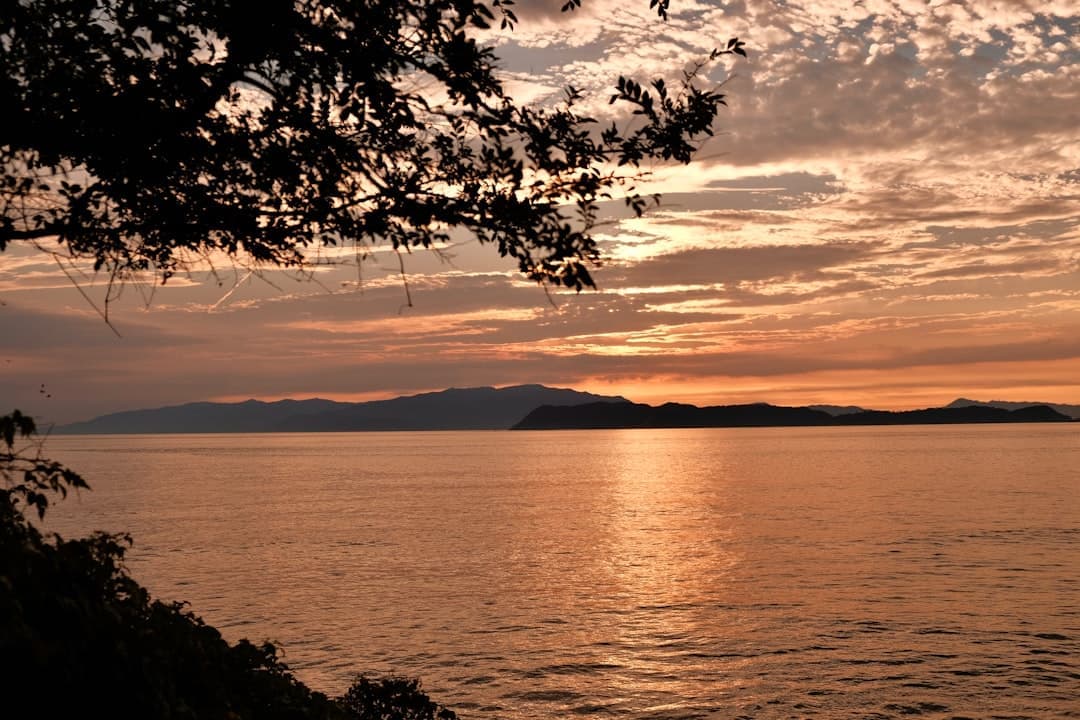
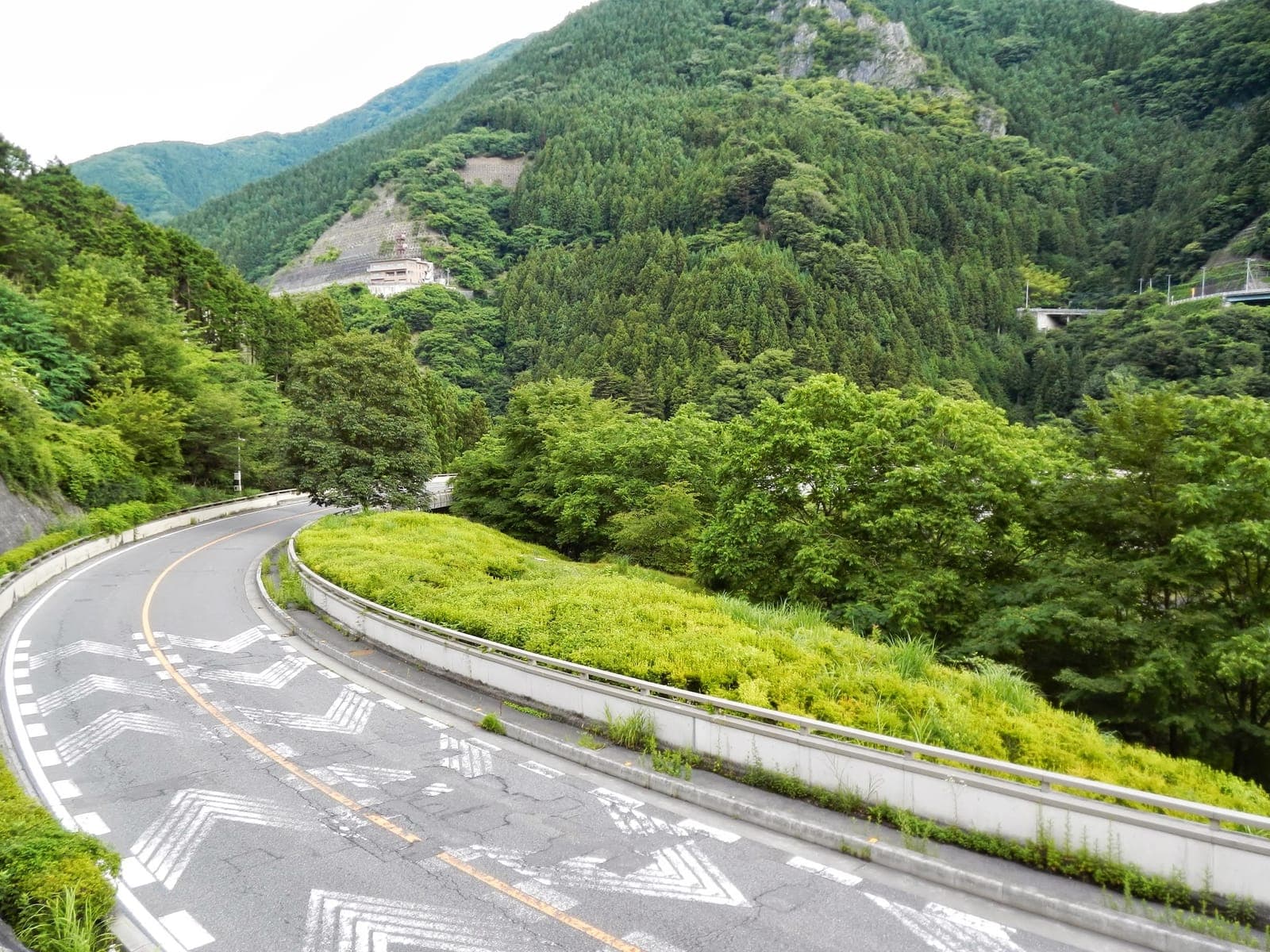
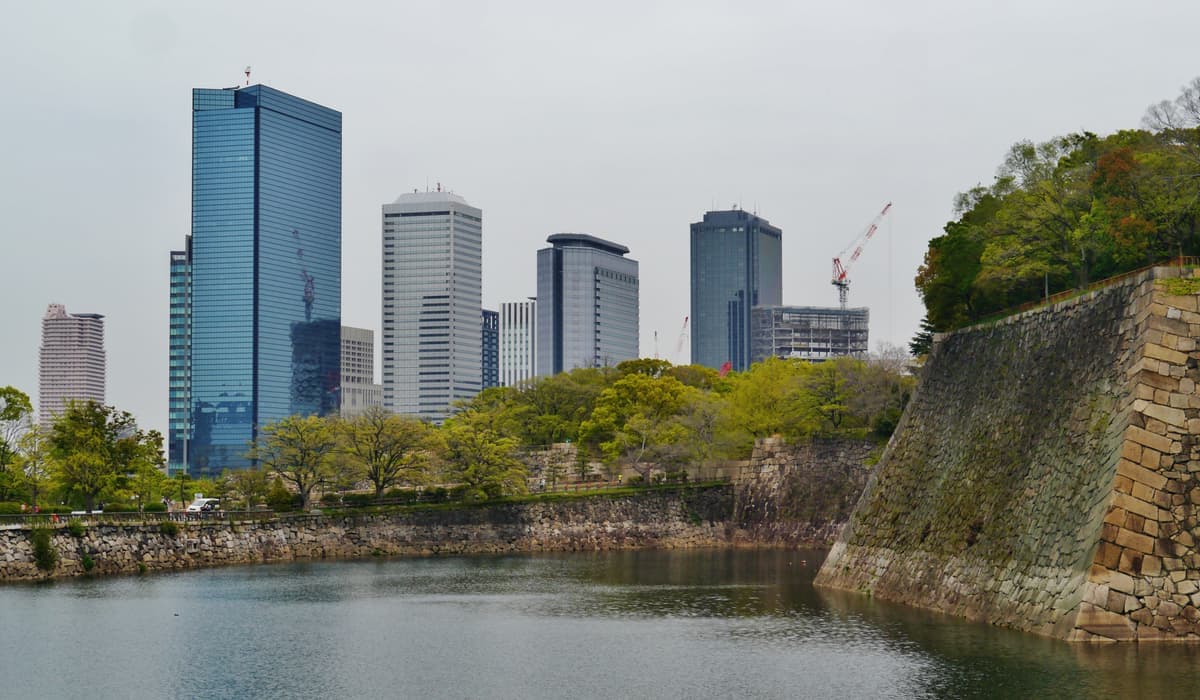
시가 현은 일본 중부 간사이 지역에 위치하며 교토 동쪽에 있습니다. 일본 최대 호수인 비와 호수와 히코네 성, 오쓰 주변의 사찰과 신사 지역 같은 역사적 장소들로 잘 알려져 있습니다. 이 현은 수경 풍경, 옛 성곽 도시의 문화, 그리고 주요 간사이 도시들로의 편리한 접근성을 결합하고 있습니다.
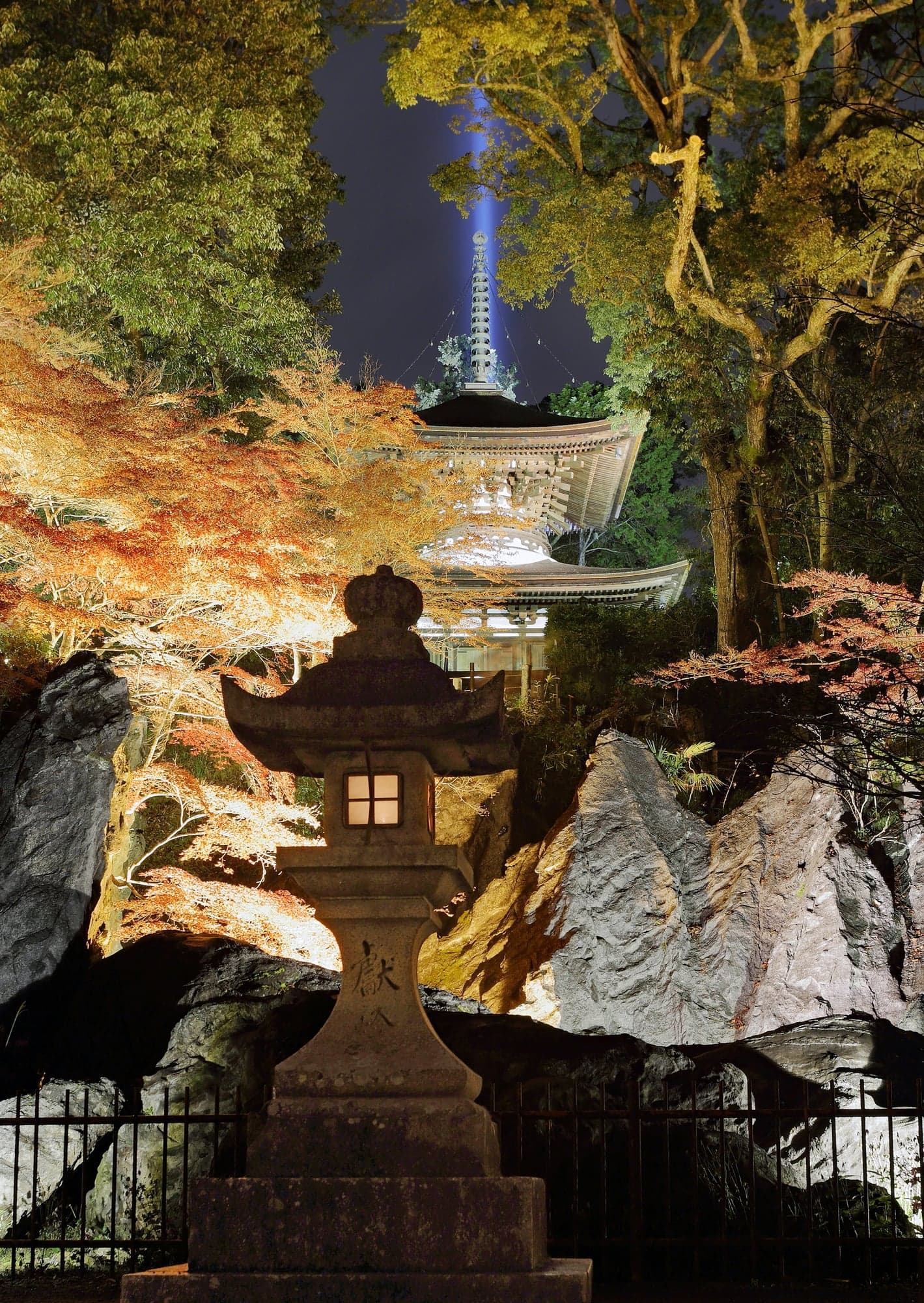
Ishiyamadera (石山寺), 정식 명칭으로는 Ishikosan Ishiyamadera (石光山 石山寺)는 시가현 오쓰에 위치한 진언종 도지파 불교 사찰입니다. 서국관음 순례길의 13번째 정차지로 알려져 있으며, 비불(히부쓰)인 여의륜관음상이 본존으로 비밀리에 봉안되어 있기로 유명합니다. 이 사찰은 전통적으로 나라 시대와 연결되어 있으며, 오랫동안 관음 신앙의 중요한 중심지였습니다. 사찰의 역사는 이후의 중건과 후원을 반영하고 있으며, 중세 및 근세의...
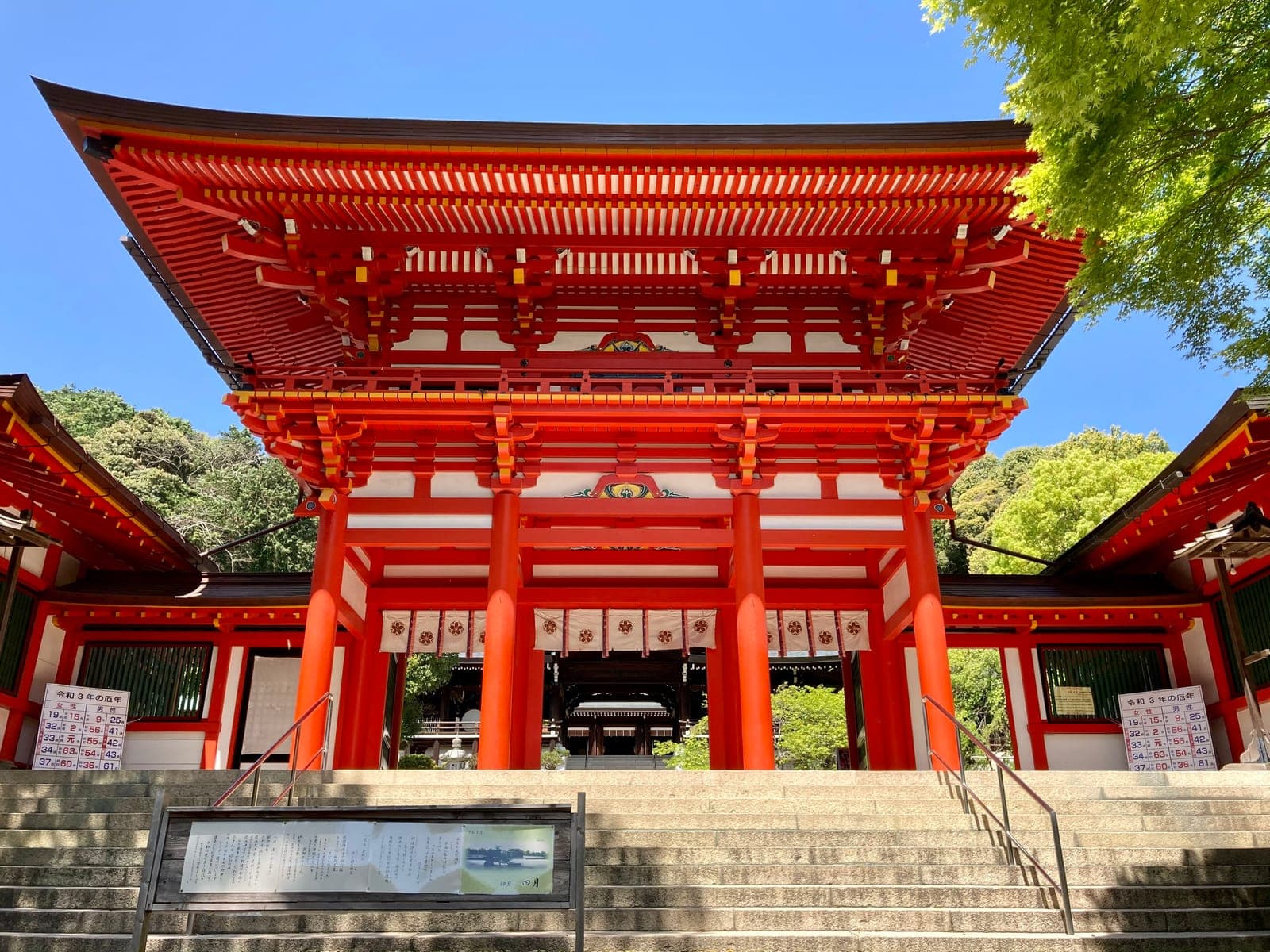
시가현 오쓰시에 위치한 신사로, 덴지 천황을 모시기 위해 1940년 옛 오미 오쓰궁 터에 건립되었습니다. 울창한 숲, 주홍색 도리이, 시계 박물관, 카루타와의 연관성, 그리고 매년 열리는 유마부사(기마궁술) 행사로 유명합니다.
왜 가볼 만한가
Emperor Tenji installed Japan's first water clock here in 671 AD, making him the ancestor deity of timekeeping. The shrine now houses a clock museum with ancient timepieces, including incense clocks and Japan's oldest pocket watch.
Omi Jingu는 1940년에 건립되었으며 덴지 천황을 모시고 있습니다.
The shrine hosts Japan's national karuta championships every January. Emperor Tenji wrote the first poem in the famous Ogura Hyakunin Isshu collection, making this the spiritual home of competitive karuta.
Suigimori Shirohige Jinja로 요청된 신사 기록입니다. 사용 가능한 지오코딩 결과는 교토의 시모가모 신사를 가리키고 있으나, 이는 사용자의 입력과 정확히 일치하지 않습니다. 잘못된 식별을 피하기 위해 원래 명칭을 보존하고 최소한의 통합된 세부 정보만 포함되었습니다.
Jorakuji는 시코쿠 순례와 관련된 일본의 불교 사찰입니다. 자료에 따르면 고야산 진언종에 소속되어 있으며, 9세기 초까지 거슬러 올라가는 역사를 지니고 있습니다. 현재 도쿠시마에 위치한 이 사찰의 본당과 대사당은 문화재로 지정되어 있습니다.
왜 가볼 만한가
Toyotomi Hideyoshi was so impressed by this temple that he removed its 1452 gate for his own Fushimi Castle. Tokugawa Ieyasu later moved it again to Mii-dera, where it still stands today.
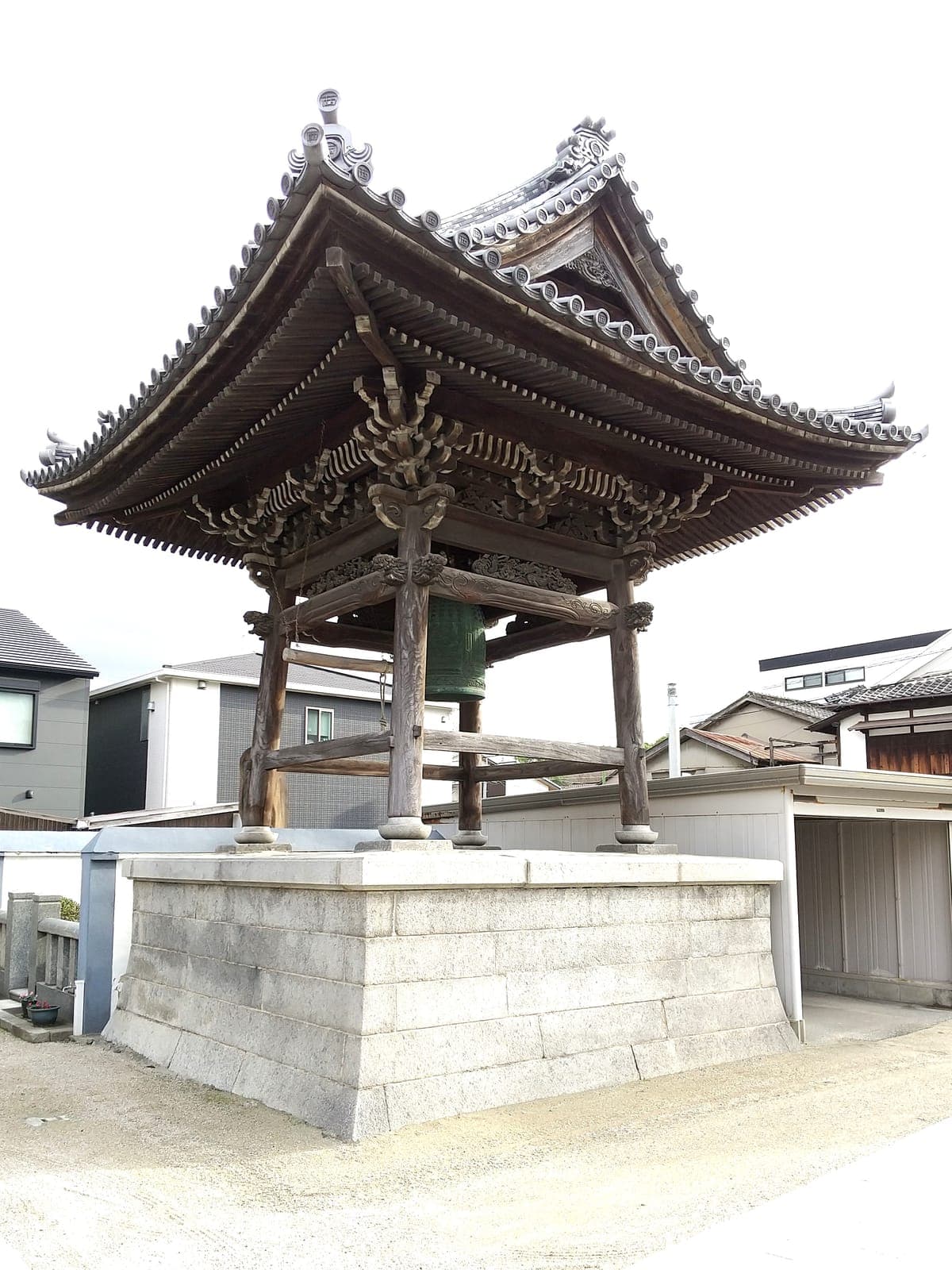
Saikyoji is a Buddhist temple in Otsu, Shiga, associated with Prince Shotoku and later restored by Master Shinsei. It serves as the head temple of the Tendai Shinsei sect and preserves historic buildings, including an important main hall and the Akechi...
왜 가볼 만한가
사이교지(西教寺)는 시가현 오쓰시에 있는 불교 사찰로, 전통적으로 쇼토쿠 태자와 관련이 있습니다.
기차로 오시는 경우, JR 히에이잔사카모토역(도보 30분) 또는 게이한 사카모토역(도보 25분)에서 걸어오는 거리가 상당히 먼 점 참고하시기 바랍니다.
Mikami Jinja는 시가 현 야스에 위치한 역사적인 신토 신사로, 아메노미카게노미코토에 봉헌되어 있습니다. 후지와라노 후히토에 의해 약 718년에 창건되었으며, 그 혼덴은 가마쿠라 시대의 국보입니다.
왜 가볼 만한가
Arrive by car or taxi from Yasu Station (about 10 minutes away) since the shrine sits at the foot of Mount Mikami with limited public transit options once you leave the station.
Visit in June if you want to witness the rice planting ceremony held annually to commemorate the paddy field that supplied rice for Emperor Showa's first Niiname Festival in 1925, a unique local tradition tied directly to this shrine.
Plan your visit for October to experience the Zuiki Festival of Mikami, an Important Intangible Folk Cultural Property that celebrates the harvest season with traditional rituals you won't see at other times of year.