입장료
확인되지 않음
한눈에
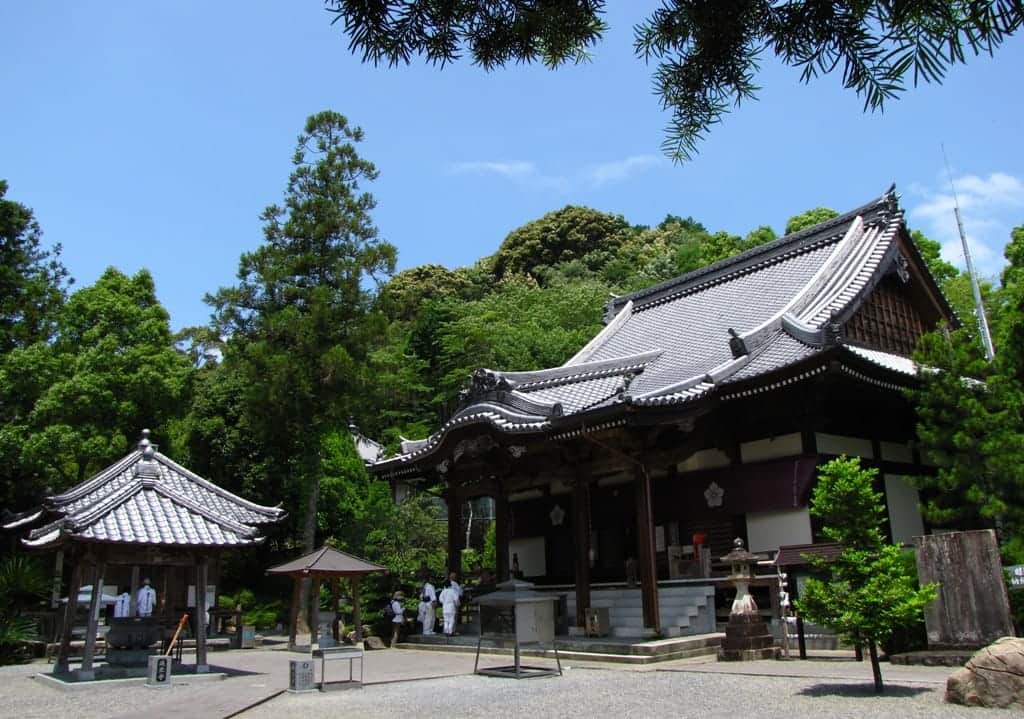
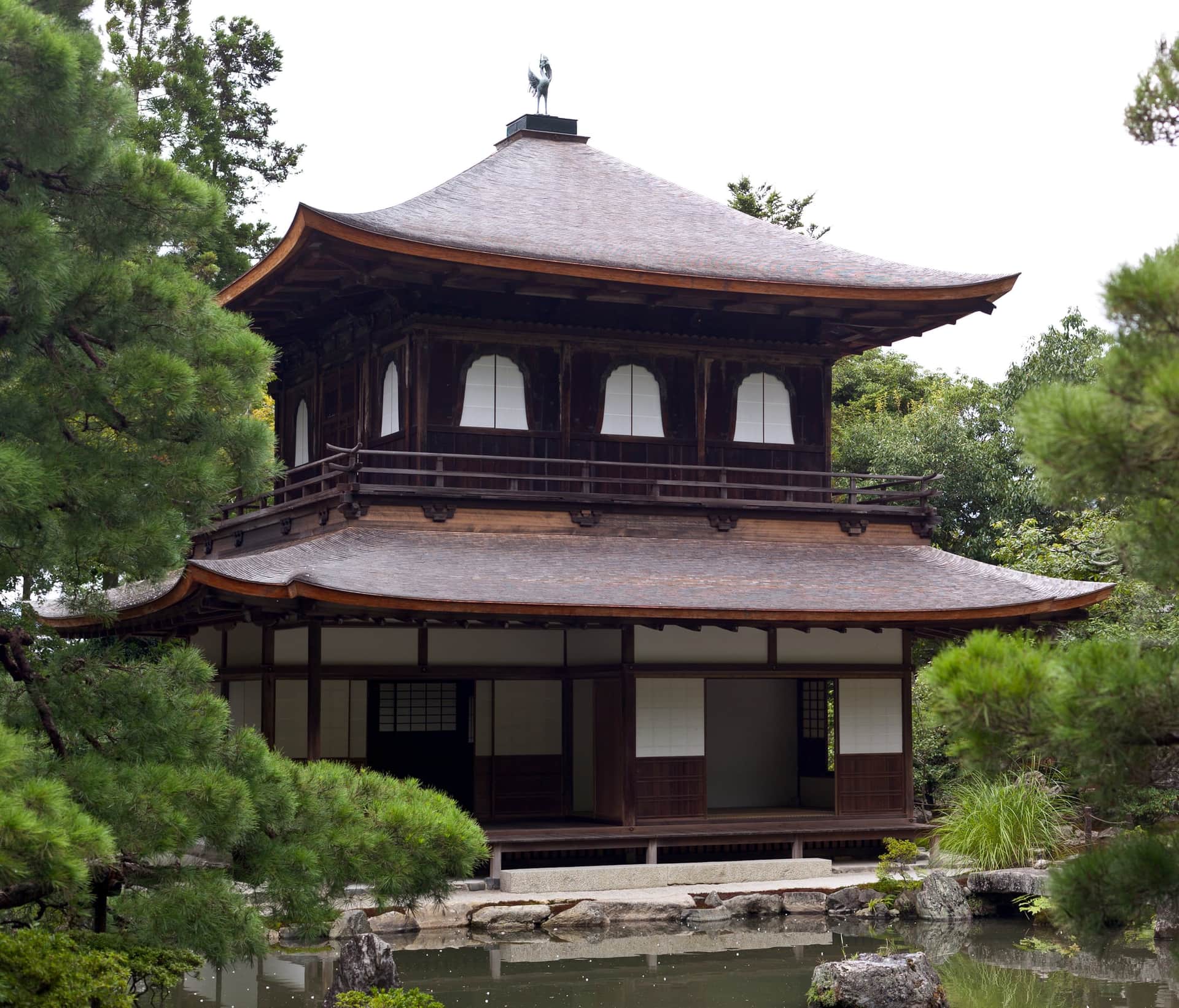
Founded in the 8th century, Manihouto was established during Japan's classical period and has survived over 1,200 years of earthquakes, fires, and wars without major relocation.
The temple's moss garden transforms dramatically with the seasons, shifting from deep emerald in spring to rust and gold tones in autumn, creating two completely different landscapes.
이 사찰은 고슈인을 제공하지만 아직 사진이 없습니다. 가장 먼저 사진을 공유해 보세요!
확인되지 않음
Visit on a weekday morning between 9 and 11 AM to experience the temple's refined gardens and architecture with minimal crowds, which is especially rewarding given Manihouto's reputation as a quieter alternative to central Kyoto temples.
Plan your visit for late October through early November to see the temple's fall foliage at peak color, as the serene botanical environment is specifically noted for vibrant autumn displays that transform the grounds.
Bring a pair of clean socks or slip-on shoes since you'll likely need to remove your footwear when entering interior temple spaces and viewing the cultural treasures housed inside.
Ask temple staff for permission before photographing interior spaces, artwork, or any designated cultural treasures, as many Buddhist temples restrict photography in certain areas to preserve the contemplative atmosphere and protect sacred objects.
Explore the less-trafficked pathways that wind through the botanical gardens on the temple grounds, where you can find quiet alcoves and seasonal plantings that most visitors miss by sticking to the main routes.
Maintain a quiet, meditative demeanor throughout your visit, especially in garden areas and near prayer spaces, since the temple's appeal lies in offering a serene escape rather than a social gathering spot.
이 장소와 연결된 다른 페이지입니다.
사쿄구, 교토부 현
최근 게시물 0개
방문 경험을 공유해 다른 여행자를 도와주세요.
아직 공개 커뮤니티 게시물이 없습니다.