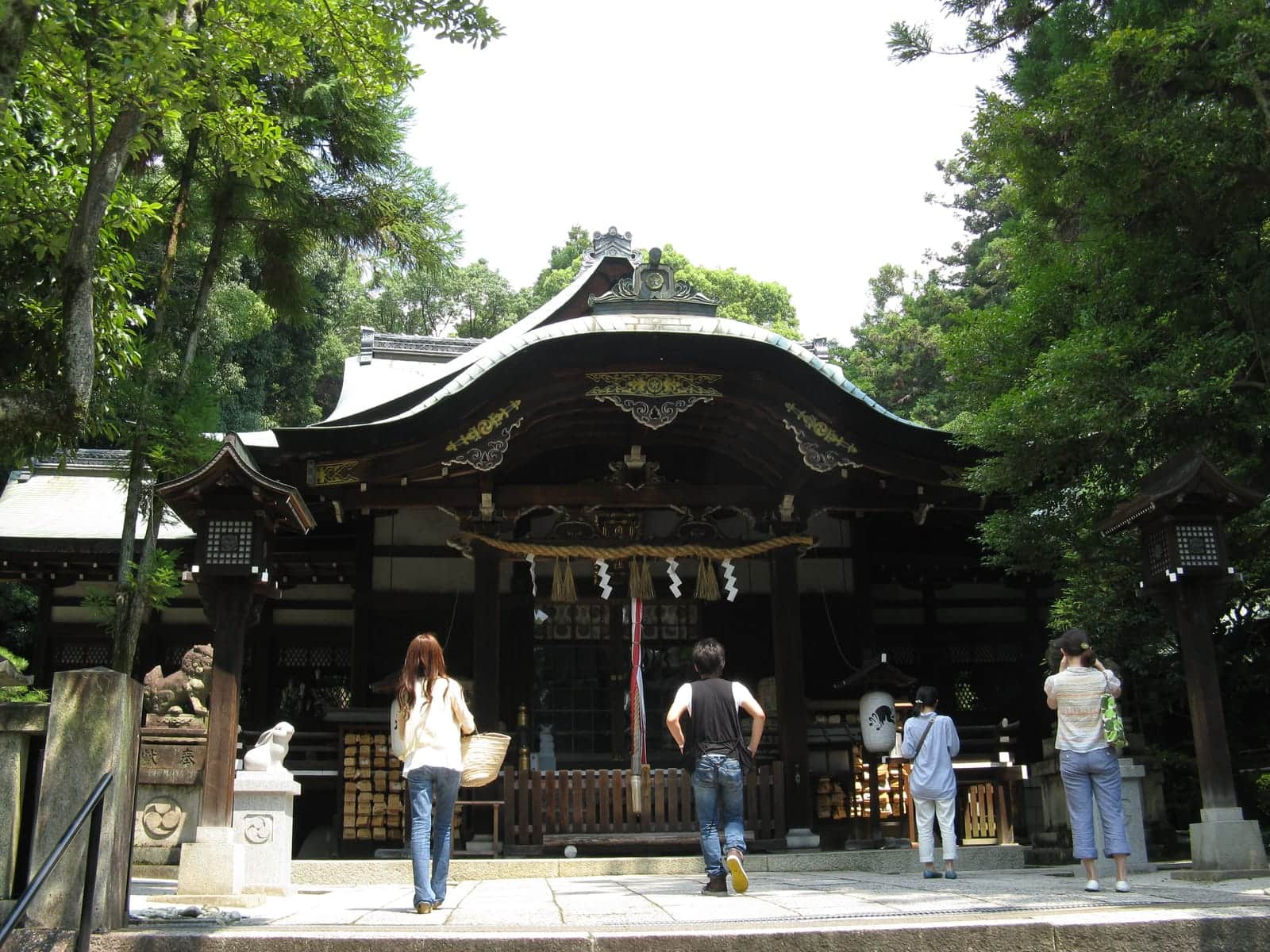
Visit early on a weekday to avoid the groups that arrive after noon.
한눈에
Konchi-in was moved to its current spot inside Nanzen-ji in 1605. Its garden was then designed for a planned visit by Tokugawa Iemitsu, but the shogun never actually came.
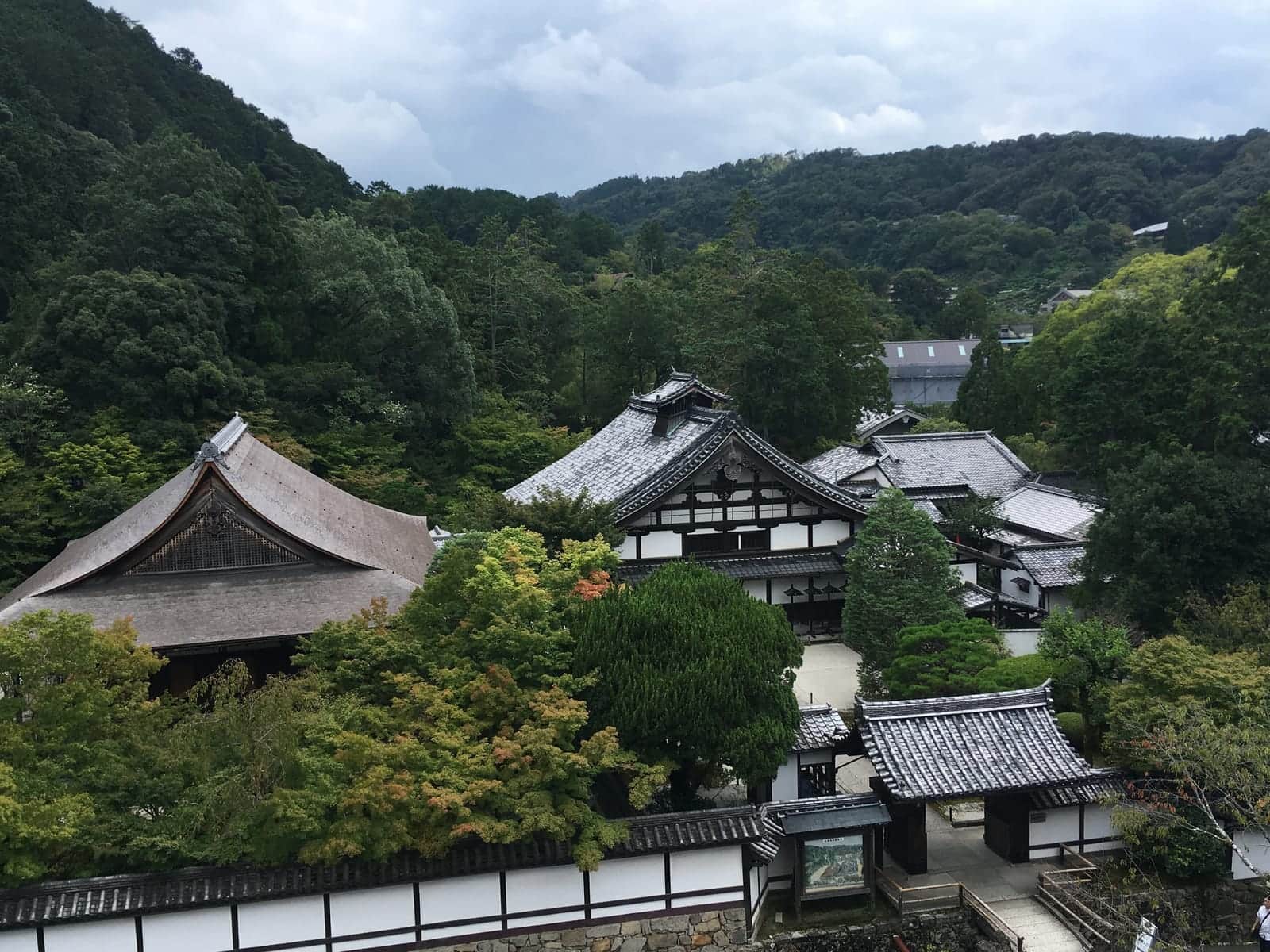
The Crane and Turtle Garden is one of Kyoto's clearest examples of shakkei, or borrowed scenery. The hills beyond the temple wall are part of the composition, even though they are not inside the garden.
영업시간과 동일
이 사찰은 고슈인을 제공하지만 아직 사진이 없습니다. 가장 먼저 사진을 공유해 보세요!
편의 시설
Visit early on a weekday to avoid the groups that arrive after noon.
Position yourself low to the ground to capture the crane and turtle stones against the raked gravel; the best light is soft morning sun from the east side.
The tea room (shoin) is often open to visitors, offering a view of the garden from inside; ask the attendant about the borrowed scenery (shakkei) technique used in the design.
Speak quietly and turn off your phone ringer; this is an active temple, not just a tourist site, so observe the same quiet reverence you would in a larger hall.
There is no entrance fee, but a small donation is appreciated; combine the visit with Nanzen-ji for a single ticket if you plan to explore the aqueduct as well.
The temple grounds are mostly flat, but the garden viewing area has a slight step; wheelchair users can request assistance from the staff at the main Nanzen-ji gate.
Plan a stop of about 30 to 45 minutes for the garden and main hall. Konchi-in is usually much quieter than Nanzen-ji itself, so weekdays or the first opening hour are the best times if you want the Crane and Turtle Garden to feel still and uncrowded.
Bring a little cash for admission, since this is a small temple rather than a full tourist complex. If you are coming by subway, Keage Station is the easiest walk, and if you are already at Nanzen-ji, Konchi-in is just a short detour off the main flow of visitors.
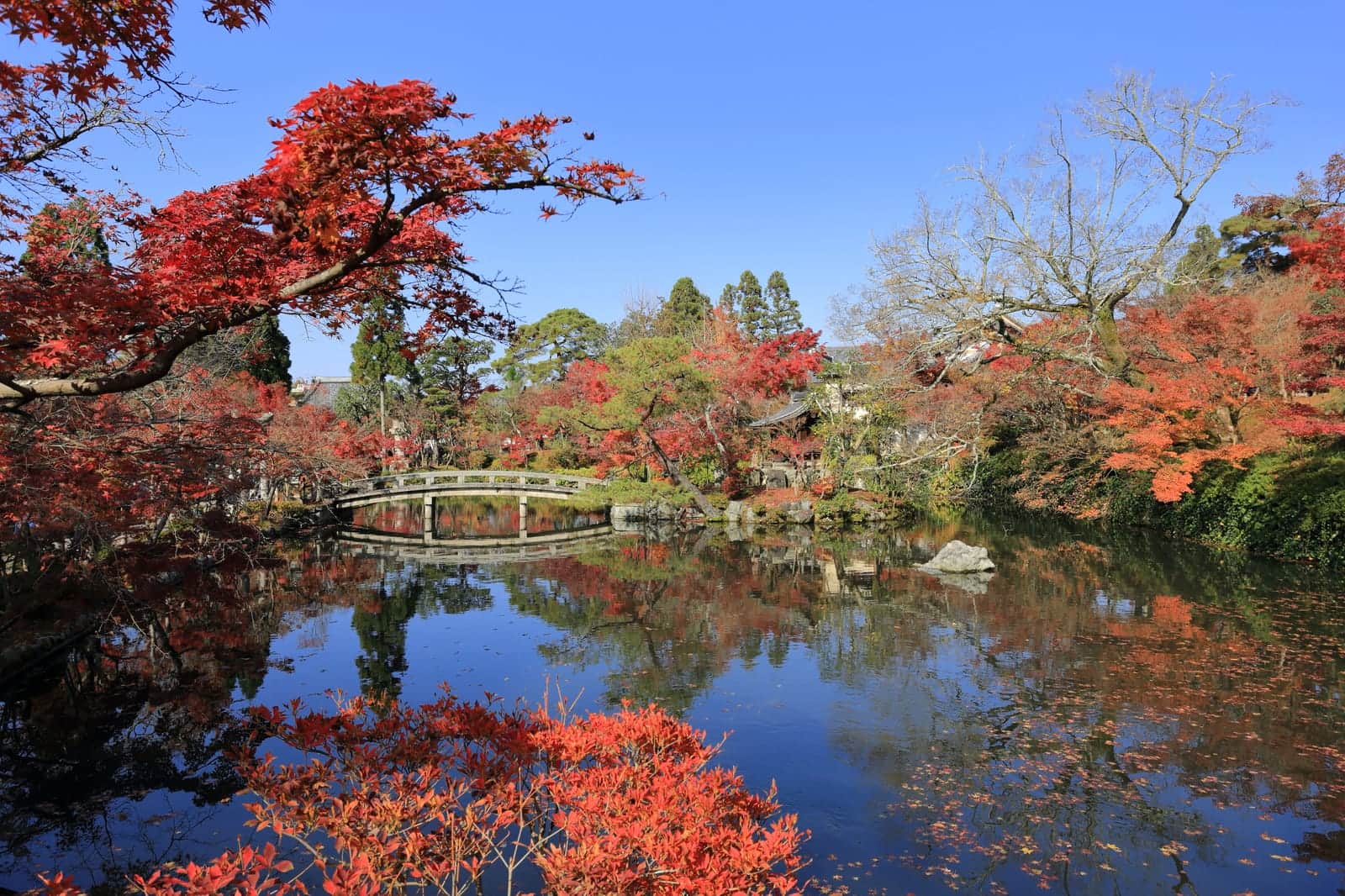
If you visit in spring, the fresh green around the stones softens the whole scene, while autumn adds scattered leaves that make the gravel and rock shapes stand out.
Look for the two stone islands that suggest a crane and a turtle, then scan the center for the Horai-style rock grouping. Once you know the symbolism, the garden reads very differently, and the visit becomes more than just a pretty dry landscape.
이 신성한 장소에서 숭배되는 신령들
확인되지 않음
사쿄구, 교토부 현
이 장소와 연결된 다른 페이지입니다.
이곳이 베푼다고 여겨지는 것
최근 게시물 3개
5.0
1개 리뷰
정원이 가장 한적할 때를 원한다면 평일 이른 시간에 가세요. 정오 이후에는 단체 방문객이 더 많아집니다. 30분에서 45분 정도를 잡으면 됩니다. Keage Station에서 가는 지하철 도보가 가장 쉽고, 이미 Nanzen-ji에 있다면 본류에서 잠시 벗어나는 짧은 우회 코스입니다.
정해진 입장료는 없지만, 작은 기부나 약간의 현금이 있으면 감사히 여깁니다. 이곳은 현재도 운영 중인 사찰이므로 휴대폰은 무음으로 하고 조용히 말해 주세요. 경내는 대부분 평탄하지만 정원 감상 구역에는 약간의 단차가 있으며, 필요하면 직원이 접근을 도와줄 수 있습니다.
다실에서는 정원을 내려다볼 수 있고, 차경식 설계에 대해 물어볼 수 있습니다.
Agnieszka Kaczyńska 님이 체크인했습니다위치 확인됨
Konchi-in
Sakyo, Kyoto
 SUPro member
Steffi UlrichPro 님이 고슈인을 공유했습니다
300m 이내 600m 이내
대여하려면 사업자 앱과 일본 전화번호가 필요합니다. docomo 1일권은 편의점에서 구입할 수 있습니다. 데이터 출처