拝観料
未確認
概要
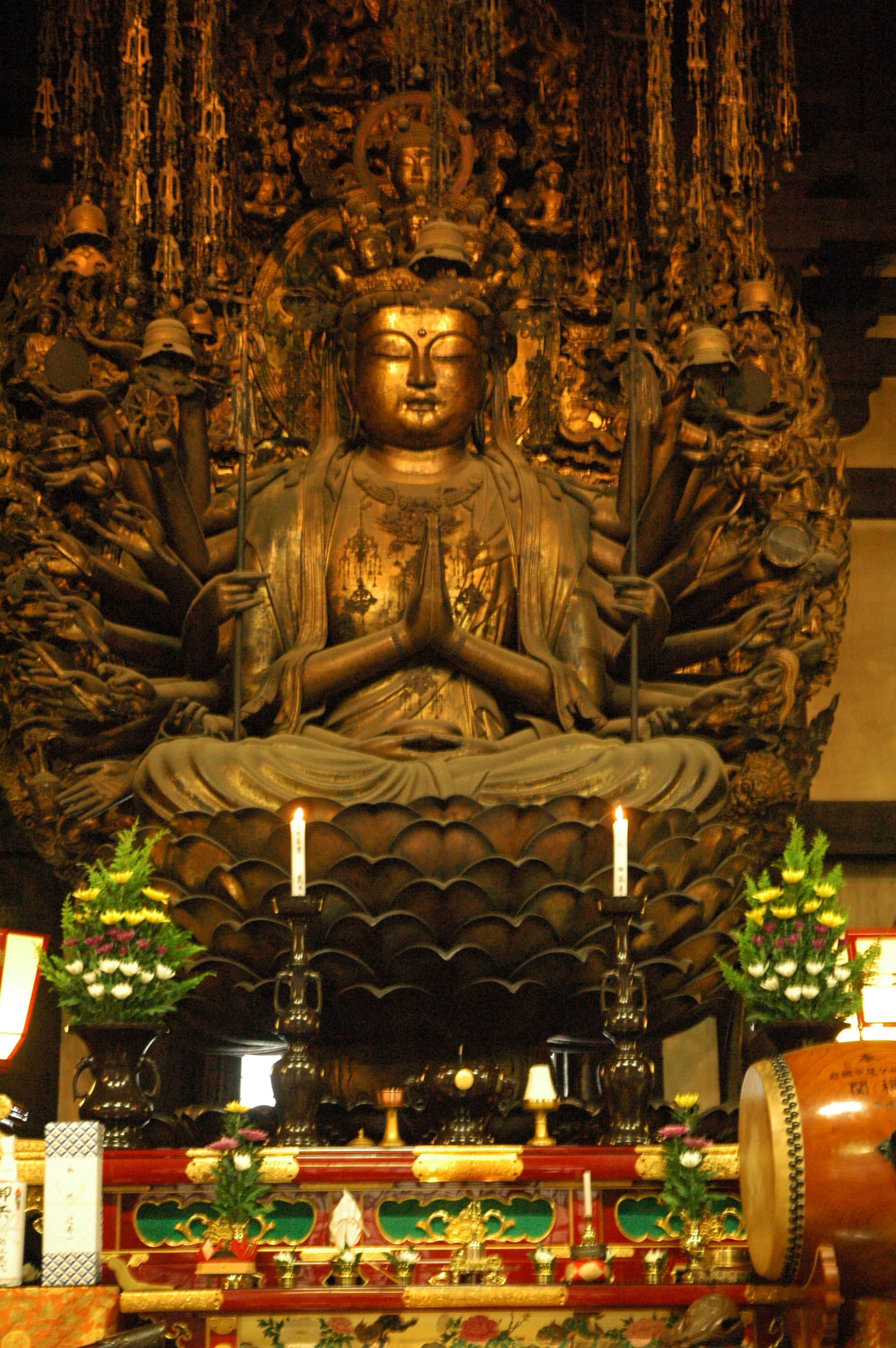
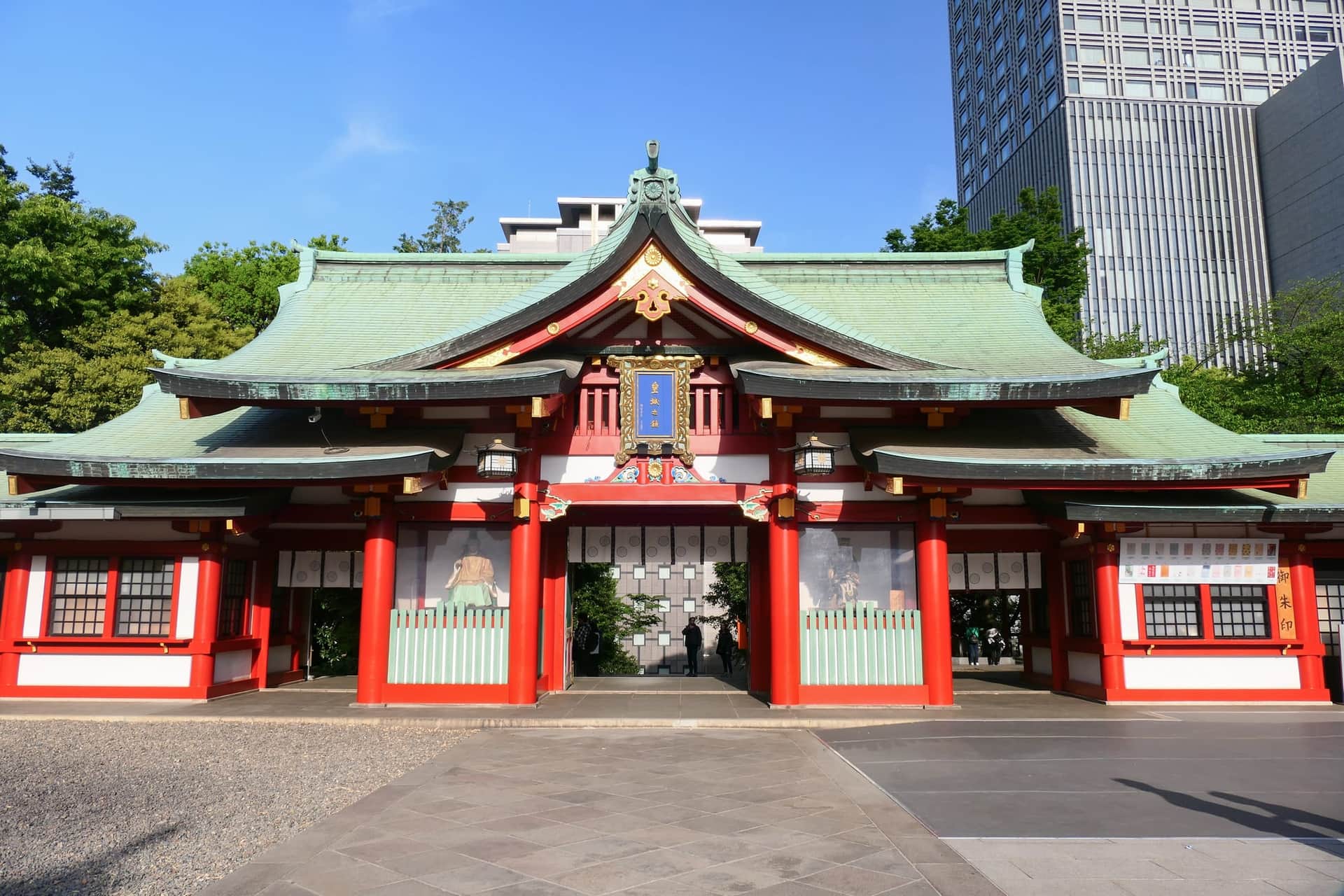
A famed Edo-period magistrate named Ooka Echizen enshrined this temple's deity in his own home before it moved to Akasaka in 1887, making it one of Japan's rare temples born from a samurai's private devotion.
During Japan's Meiji era persecution of Buddhism, this temple survived by claiming its main deity was Buddhist (Dakini-Shinten) rather than Shinto, a clever religious strategy that allowed it to thrive.
こちらの寺院では1種類の御朱印があります
拝観時間と同じ
通常
未確認
設備・サービス
Get your goshuin (temple stamp) between 10am and 3pm if you want it handwritten by a monk; outside those hours only pre-printed versions are available. Plan your visit timing accordingly if collecting handwritten stamps is important to you.
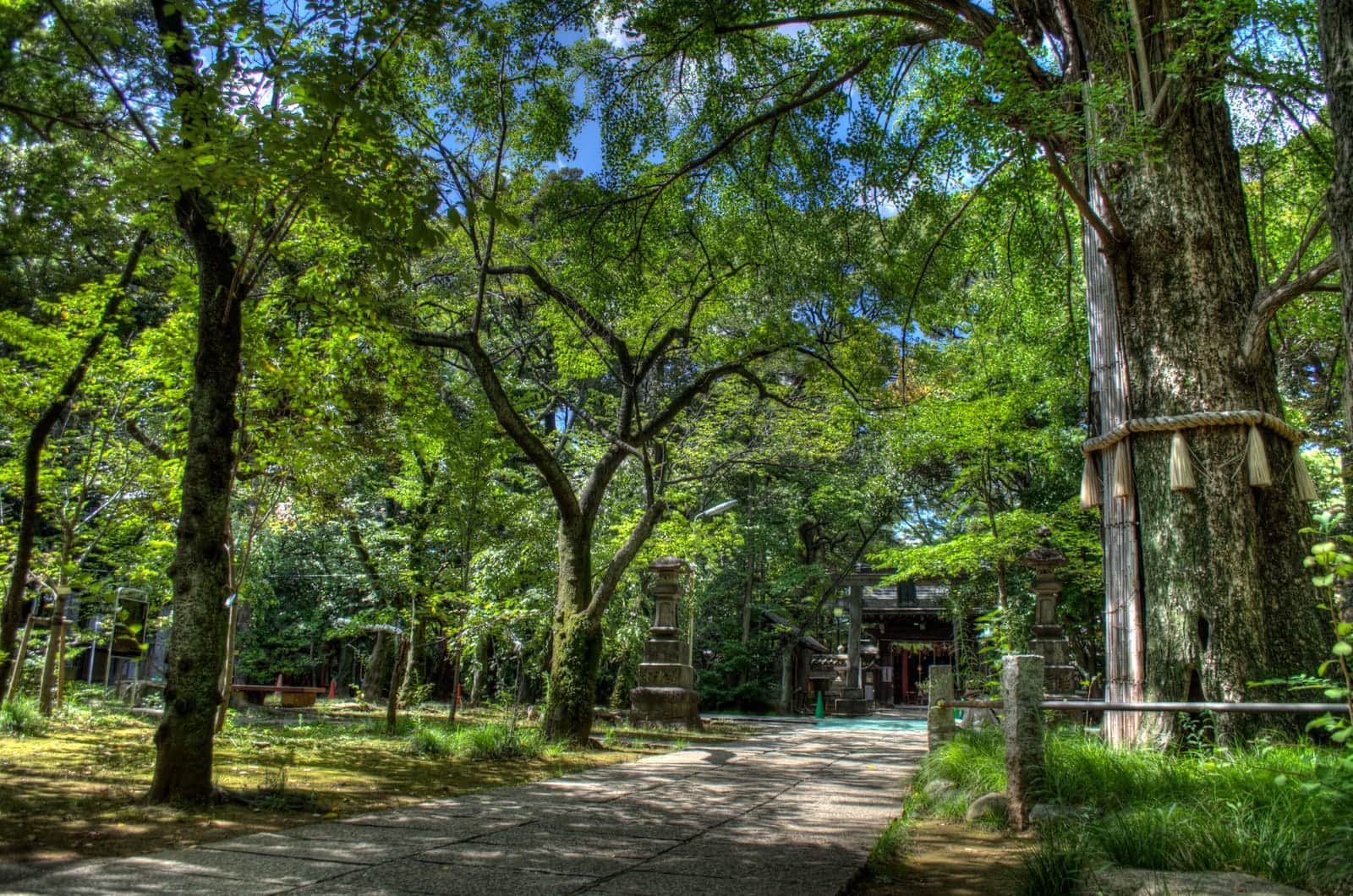
Expect the temple to be busier on weekends and during lunch hours, but it opens at 6am on all days including holidays. Arriving before 8am gives you a quieter experience with the fox statues and votive offerings without the crowds of singers and TV personalities who visit for entertainment industry blessings.
Visit the Yuzu Inari Sonten shrine and pick up a 10-yen coin said to bring financial luck when kept in your wallet. If your wish comes true, return the following year with the coin plus added interest as a token of gratitude, which is a meaningful local tradition.
Bring cash if you want to make offerings or purchase items like the lucky 10-yen coins and votive flags, as some smaller shrines and vendors on the grounds may not accept cards.
この聖地で祀られている神仏
六本木, 東京都 県
この場所がもたらすと信じられているもの
最近の投稿 0件
参拝の感想を共有して、他の旅行者を助けましょう。
公開されている投稿はまだありません。
この場所から続けて探せる関連ページです。
300m以内 600m以内
時刻データ: 公共交通オープンデータセンター

C3-12.赤坂センタービルディング前(青山通り)
docomo bike share
C3-02.赤坂地区総合支所
docomo bike share
C3-16.赤坂ガーデンシティ
docomo bike share
利用には各事業者のアプリと日本の電話番号が必要です。ドコモ・バイクシェアの1日パスはコンビニで購入できます。 データ出典