Visit early on a weekday to avoid the groups that arrive after noon.
A colpo d'occhio
Konchi-in was moved to its current spot inside Nanzen-ji in 1605. Its garden was then designed for a planned visit by Tokugawa Iemitsu, but the shogun never actually came.
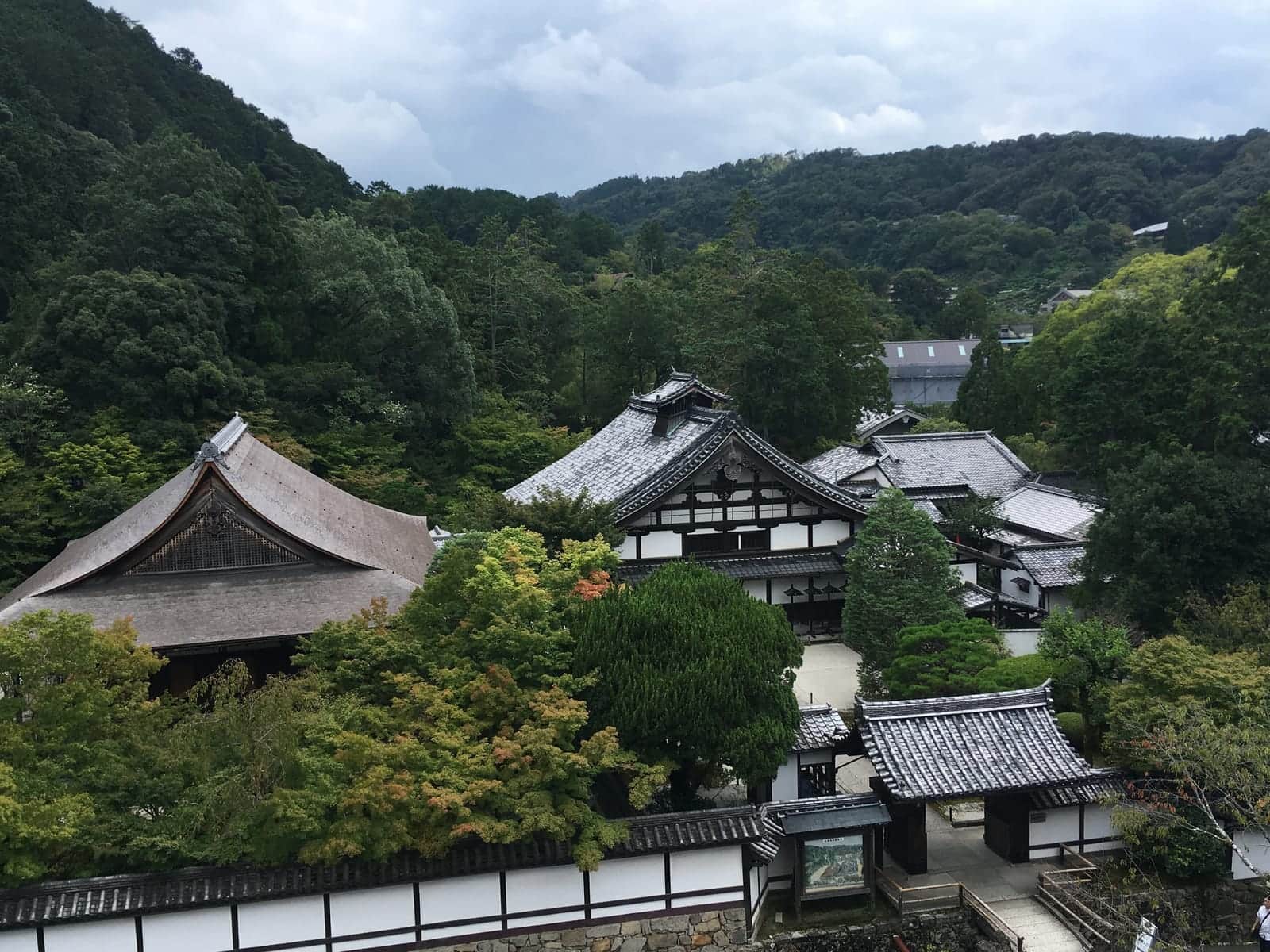
The Crane and Turtle Garden is one of Kyoto's clearest examples of shakkei, or borrowed scenery. The hills beyond the temple wall are part of the composition, even though they are not inside the garden.
Come gli orari di apertura
Questo tempio offre goshuin, ma non abbiamo ancora le foto. Sii il primo a condividere il tuo!
Servizi
Visit early on a weekday to avoid the groups that arrive after noon.
Position yourself low to the ground to capture the crane and turtle stones against the raked gravel; the best light is soft morning sun from the east side.
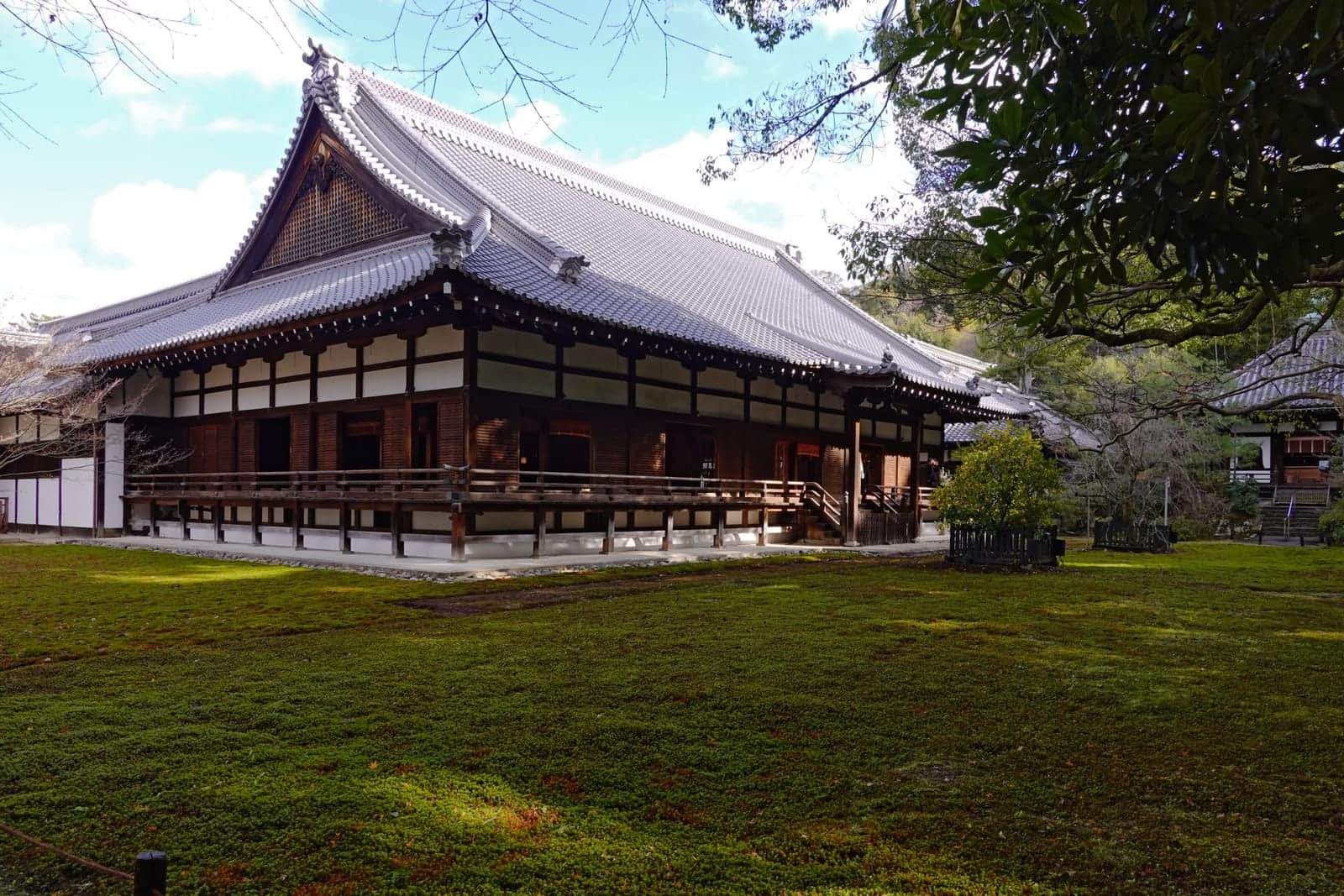
The tea room (shoin) is often open to visitors, offering a view of the garden from inside; ask the attendant about the borrowed scenery (shakkei) technique used in the design.
Speak quietly and turn off your phone ringer; this is an active temple, not just a tourist site, so observe the same quiet reverence you would in a larger hall.
There is no entrance fee, but a small donation is appreciated; combine the visit with Nanzen-ji for a single ticket if you plan to explore the aqueduct as well.
The temple grounds are mostly flat, but the garden viewing area has a slight step; wheelchair users can request assistance from the staff at the main Nanzen-ji gate.
Plan a stop of about 30 to 45 minutes for the garden and main hall. Konchi-in is usually much quieter than Nanzen-ji itself, so weekdays or the first opening hour are the best times if you want the Crane and Turtle Garden to feel still and uncrowded.
Bring a little cash for admission, since this is a small temple rather than a full tourist complex. If you are coming by subway, Keage Station is the easiest walk, and if you are already at Nanzen-ji, Konchi-in is just a short detour off the main flow of visitors.
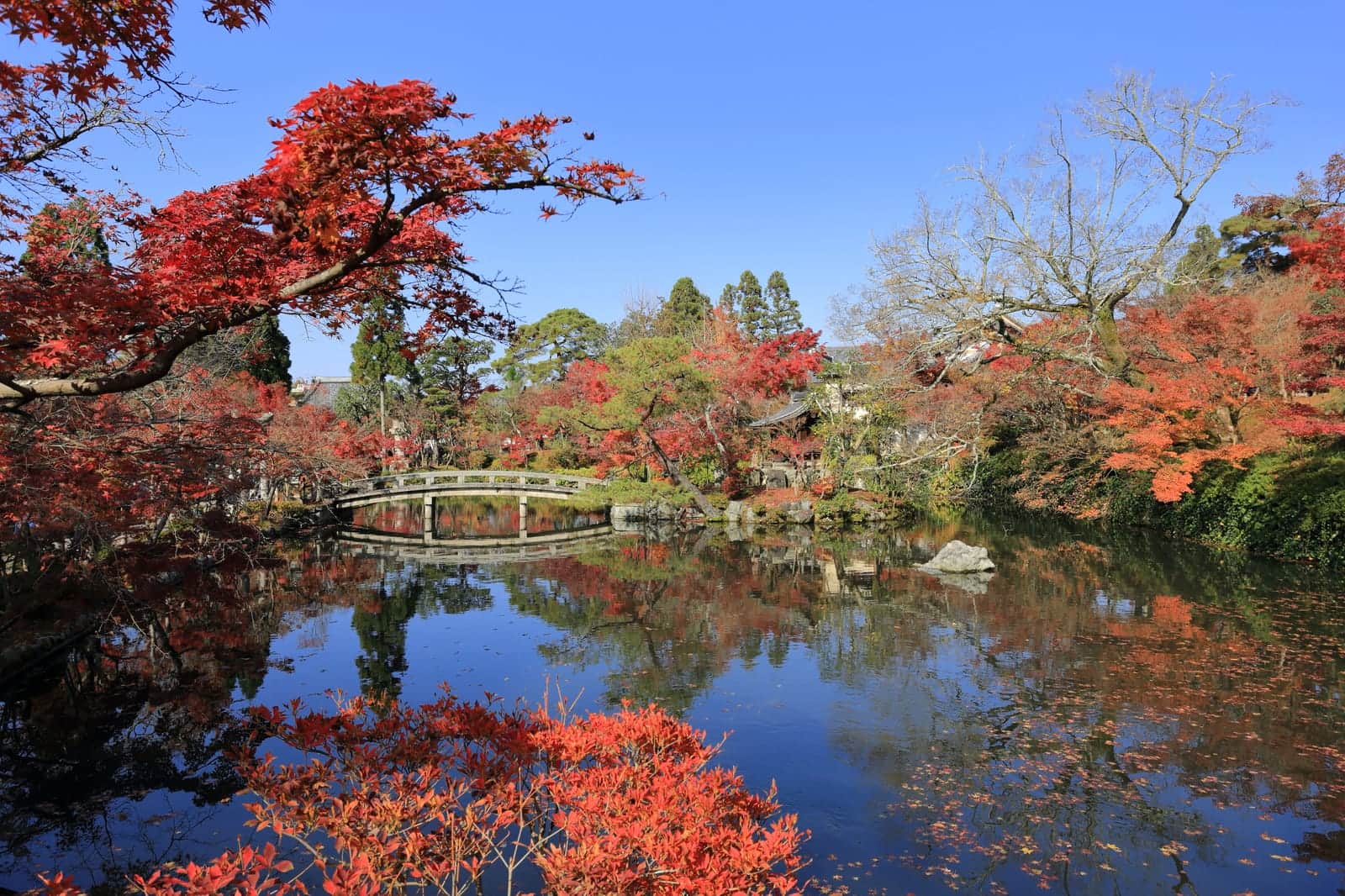
If you visit in spring, the fresh green around the stones softens the whole scene, while autumn adds scattered leaves that make the gravel and rock shapes stand out.
Look for the two stone islands that suggest a crane and a turtle, then scan the center for the Horai-style rock grouping. Once you know the symbolism, the garden reads very differently, and the visit becomes more than just a pretty dry landscape.
Gli spiriti divini veneravano in questo luogo sacro

Non confermato
Sakyo, Kyoto Prefettura
Altre pagine utili collegate a questo luogo.
Entro 300 m Entro 600 m
Il noleggio richiede l'app dell'operatore e un numero di telefono giapponese. I pass giornalieri docomo sono in vendita nei convenience store. Fonti dei dati
Ciò che si crede questo luogo possa concedere
3 post recenti
5.0
1 recensione
Vai presto in un giorno feriale se vuoi il giardino nel momento più tranquillo; dopo mezzogiorno attira più gruppi. Prevedi 30-45 minuti. La stazione di Keage è la passeggiata in metropolitana più comoda e, se sei già a Nanzen-ji, questa è una breve deviazione dal percorso principale.
Non c’è un biglietto d’ingresso fisso, ma è apprezzata una piccola donazione o un po’ di contanti. Tieni il telefono in modalità silenziosa e parla a bassa voce, poiché si tratta di un tempio attivo. Il terreno è per lo più pianeggiante, anche se l’area di osservazione del giardino ha un piccolo gradino, e il personale può aiutare con l’accesso se necessario.
Dalla sala da tè, puoi guardare il giardino e chiedere del design del paesaggio preso in prestito.
Agnieszka Kaczyńska ha fatto il check-inPosizione confermata
Konchi-in
Sakyo, Kyoto
 SUPro member
Steffi UlrichPro ha condiviso un goshuin