Tempio
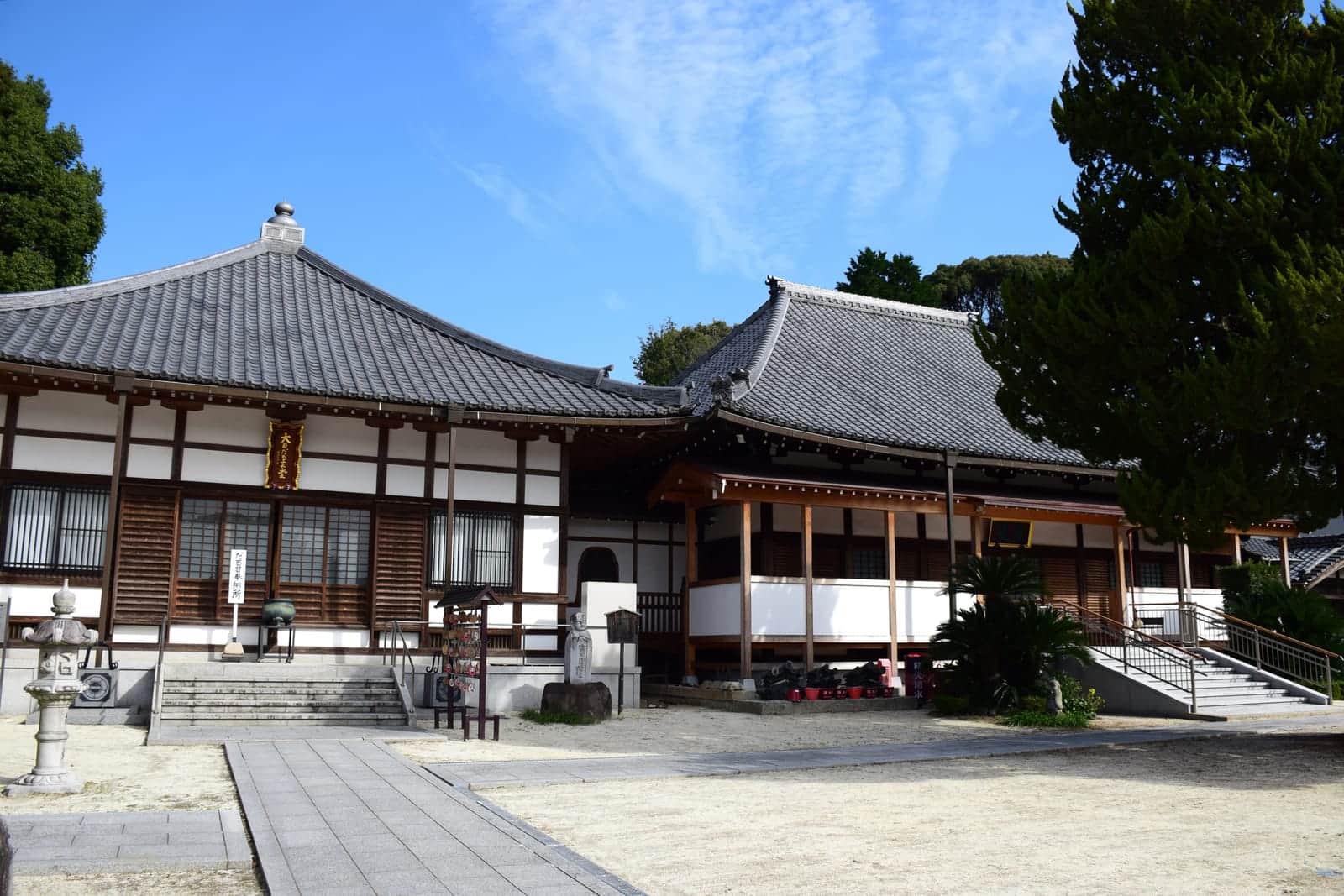
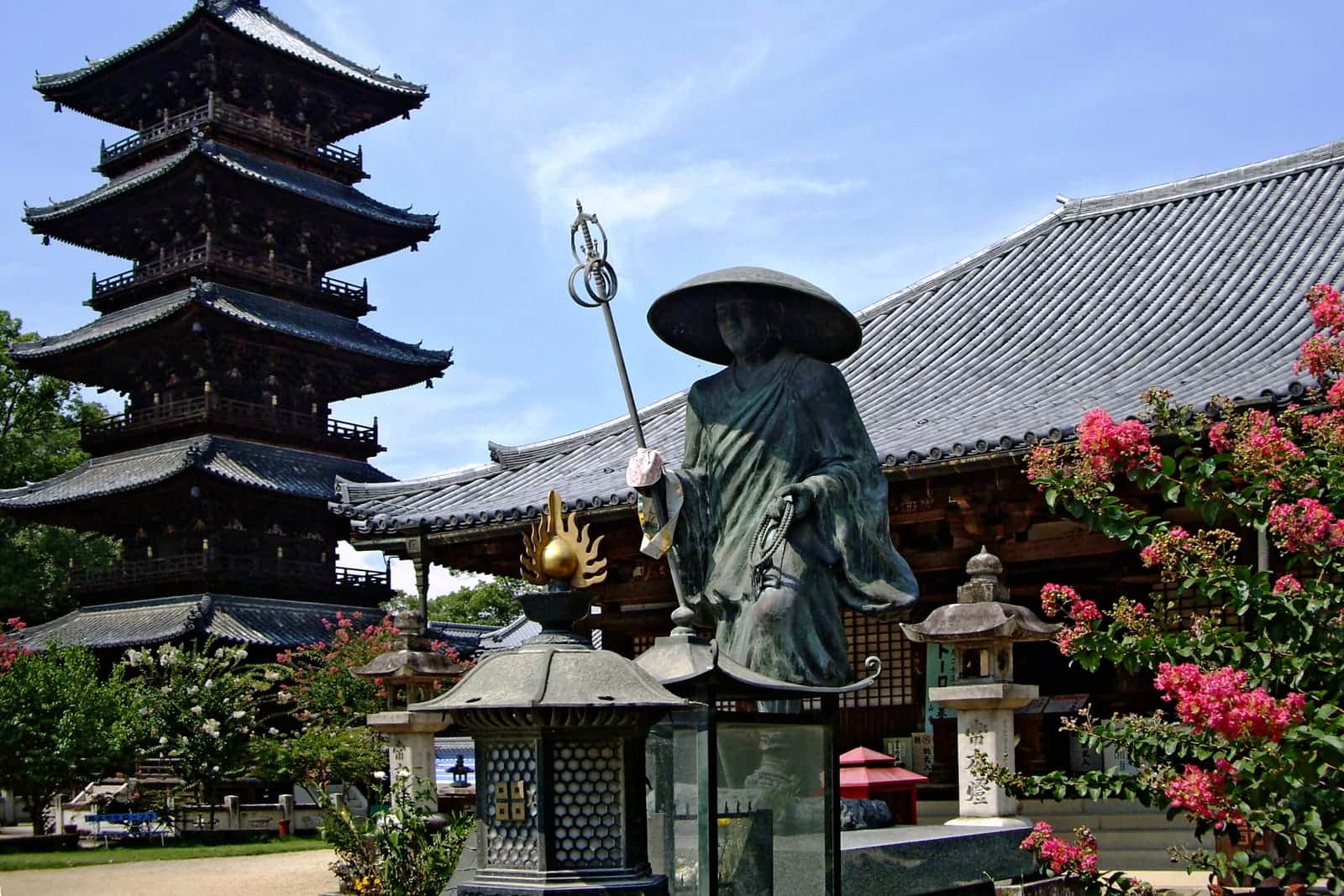
Motoyama-ji
Mitoyo•4.3km(54 minuto a piedi)
A colpo d'occhio
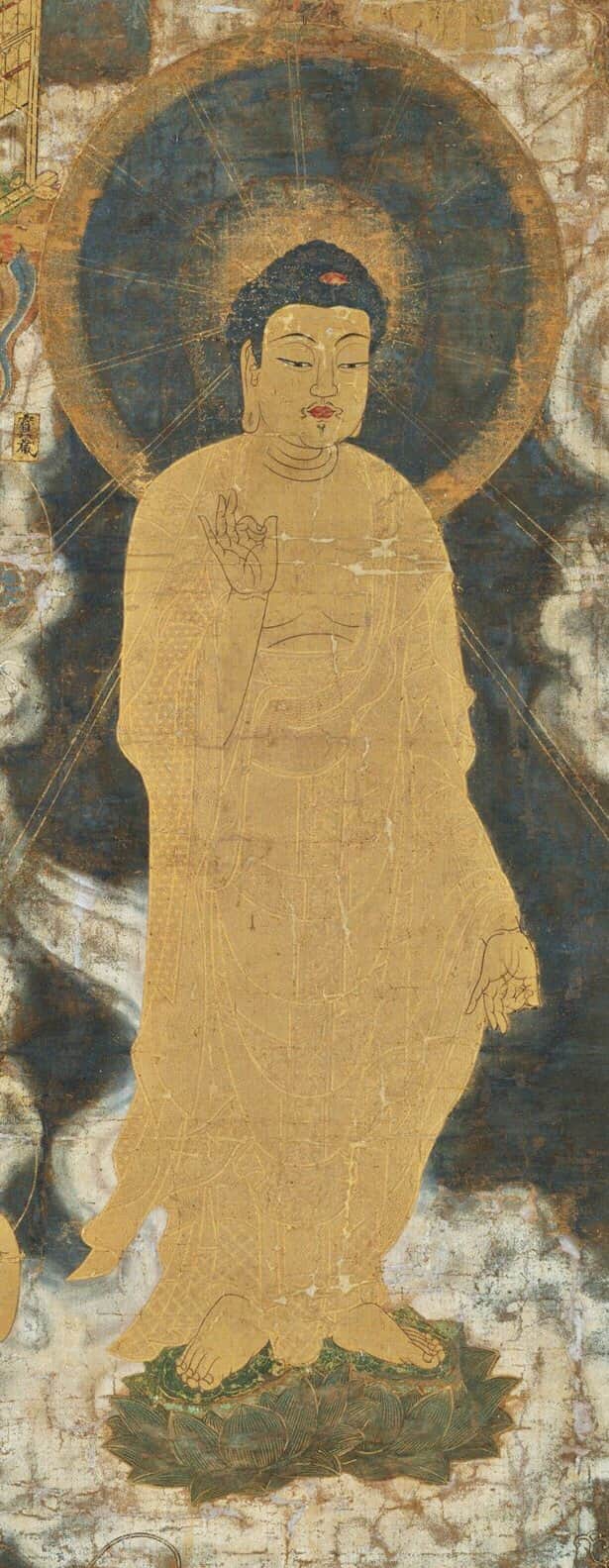
Kobo Daishi carved the temple's principal Amida Buddha statue in 807 and originally enshrined it in the Shinto shrine above. It wasn't moved to its current Buddhist temple home until over 1,000 years later.
Jinnein and Kannonji are the only two temples among all 88 Shikoku pilgrimage sites that share the exact same grounds, a unique arrangement created after Meiji-era religious reforms forcibly separated them from a Shinto shrine.
Come gli orari di apertura
Questo tempio offre goshuin, ma non abbiamo ancora le foto. Sii il primo a condividere il tuo!
Servizi
Shopping e souvenir
Gli spiriti divini veneravano in questo luogo sacro
Kanonji, Kagawa Prefettura
Non confermato
Altre pagine utili collegate a questo luogo.
Entro 300 m Entro 600 m
Ciò che si crede questo luogo possa concedere
0 post recenti
Condividi com'è andata la visita per aiutare altri viaggiatori.
Ancora nessun post pubblico della community.