
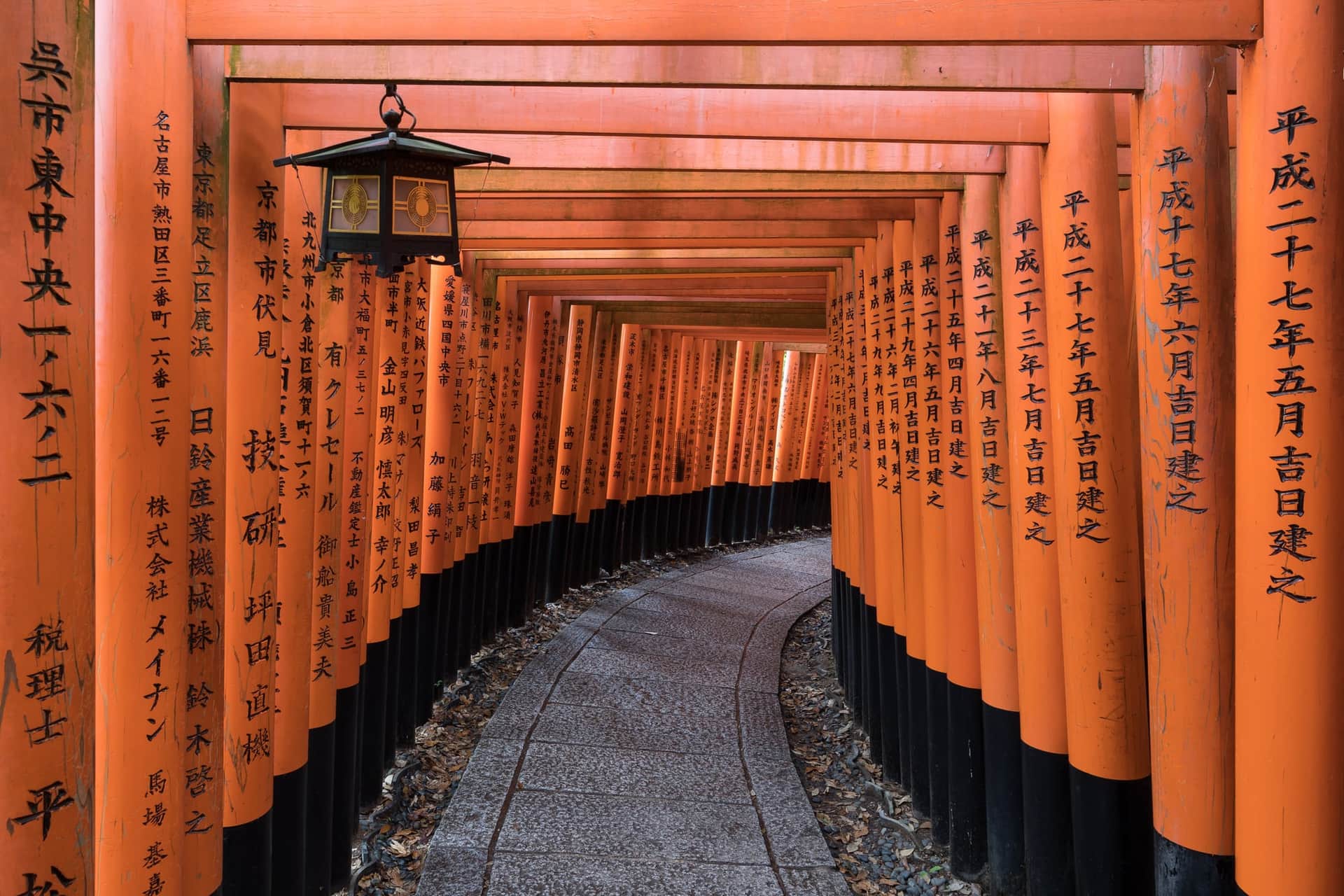
Plan to spend at least 2-3 hours if you want to walk the full mountain loop and explore the Senbon Torii tunnel, but you can see the main shrine and primary torii gates in 45 minutes if time is limited.
A colpo d'occhio
A white bird carrying a mochi transformed into rice at Mt. Inari's peak, according to legend, inspiring the shrine's 711 founding by the Hata clan.
Each of the roughly 10,000 vermillion torii gates was donated by a Japanese business seeking Inari's blessing for commercial success, not just harvests.
Questo santuario offerte 1 diversi modelli Goshuin
Come gli orari di apertura
Regolare
¥500
Plan to spend at least 2-3 hours if you want to walk the full mountain loop and explore the Senbon Torii tunnel, but you can see the main shrine and primary torii gates in 45 minutes if time is limited.
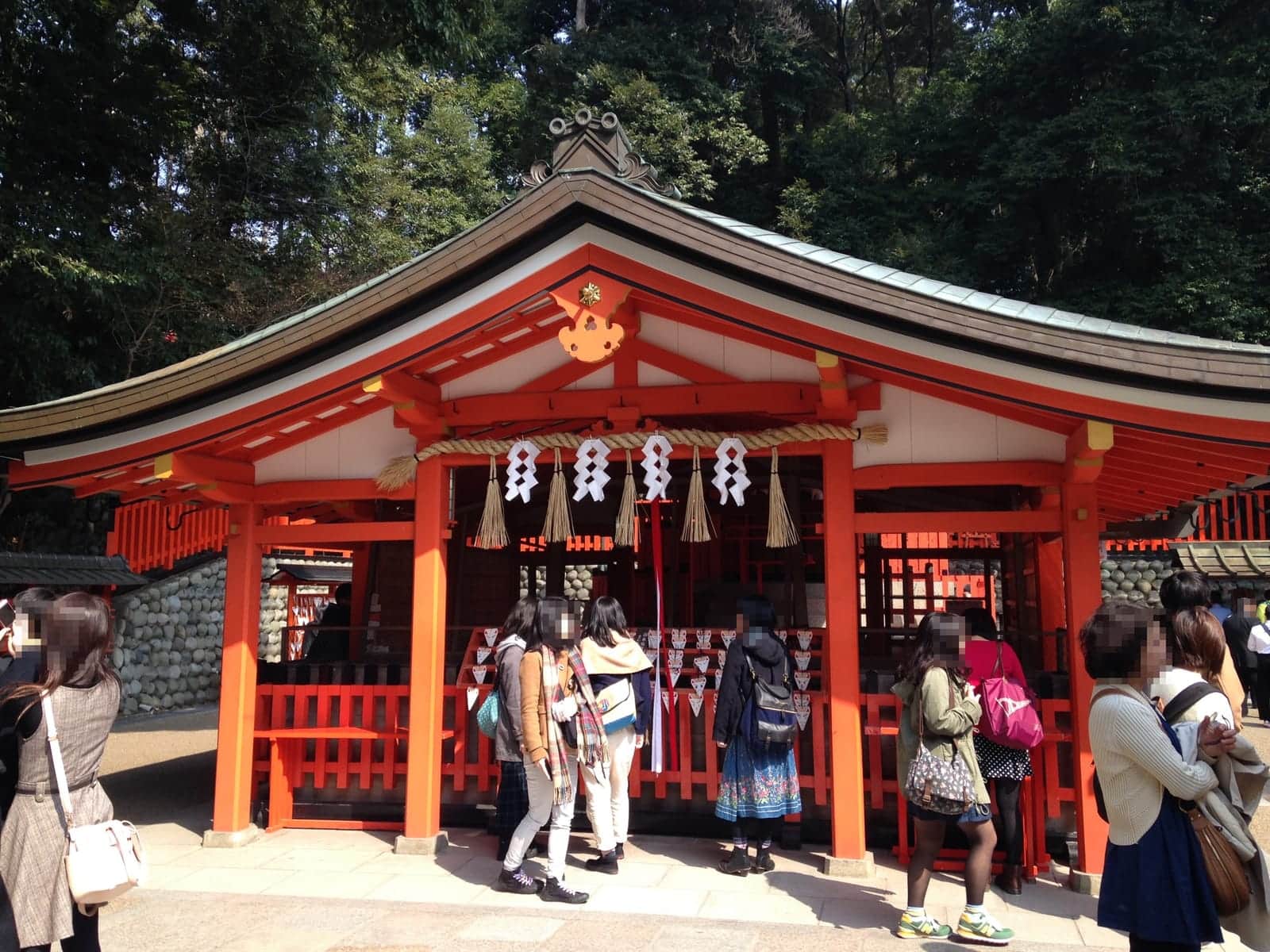
Write your wishes on an ema (wooden votive plaque) and hang it at the shrine, or test your luck at the Omokaru Ishi stone, where you lift it to see if your wish will come true based on whether it feels light or heavy.
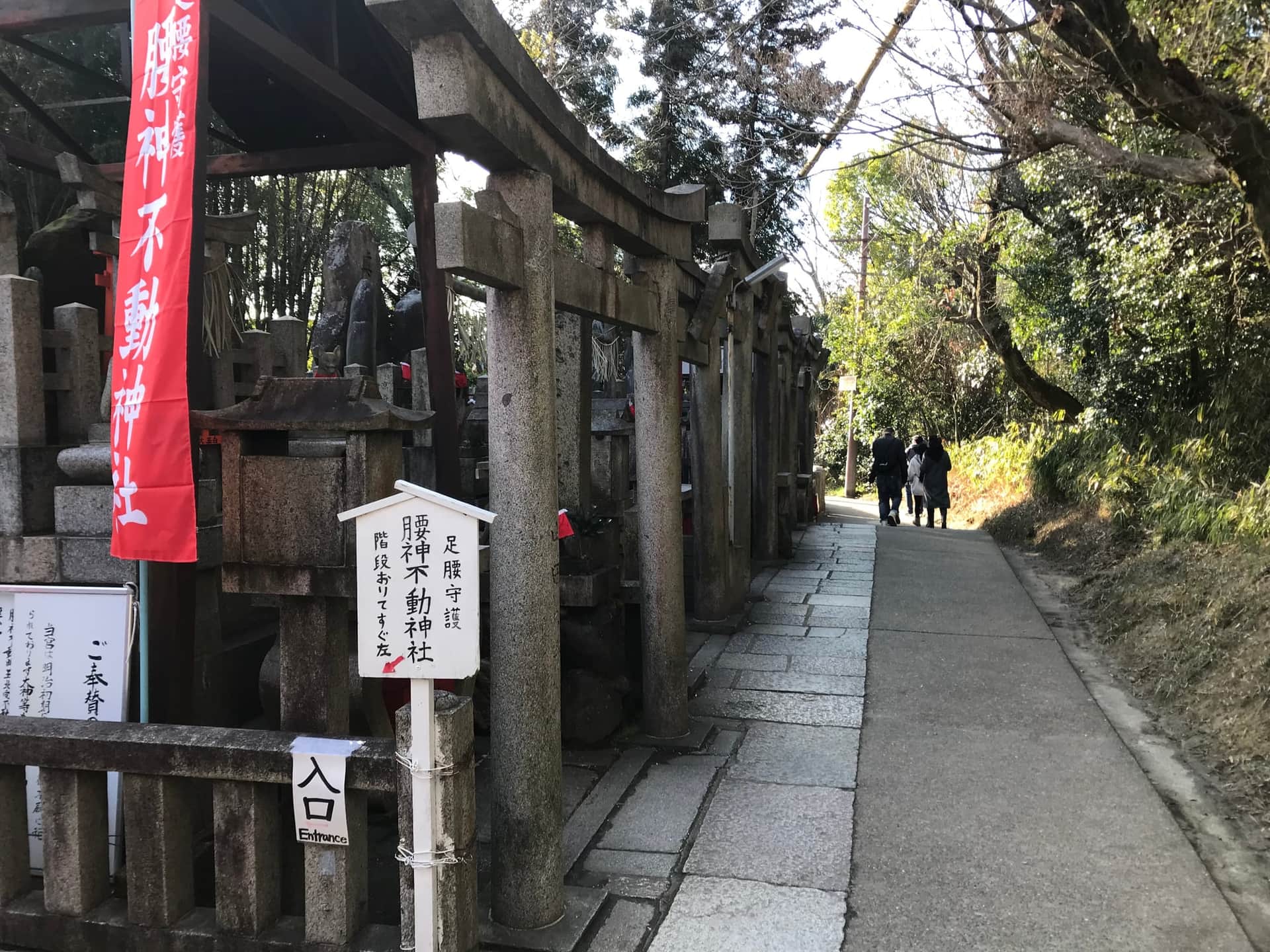
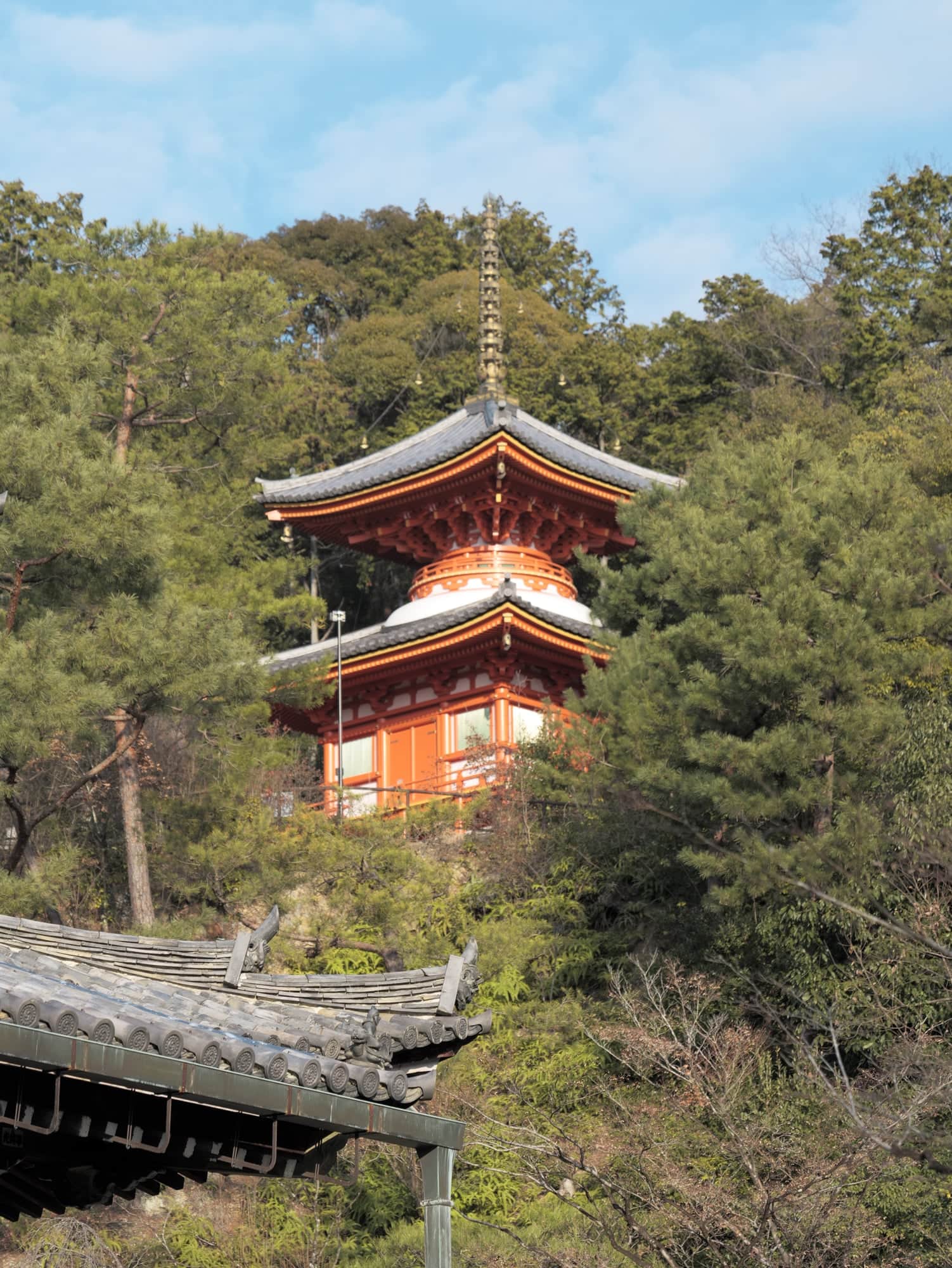
Look for the Gozendani Hohaisho prayer area marked on shrine maps, where you'll find a variety of rituals and fewer crowds than the main Senbon Torii section.
Fushimi, Kyoto Prefettura

Non confermato
Altre pagine utili collegate a questo luogo.
Entro 300 m Entro 600 m
2 post recenti
Condividi com'è andata la visita per aiutare altri viaggiatori.
 ДБ
ДБДмитрий Бессонов ha fatto il check-in
Gozendani Hohaisho
Fushimi, Kyoto
 ME
MEMarina Estrella ha fatto il check-inPosizione confermata
Gozendani Hohaisho
Fushimi, Kyoto