Pont Allemand
Autre structure
En bref
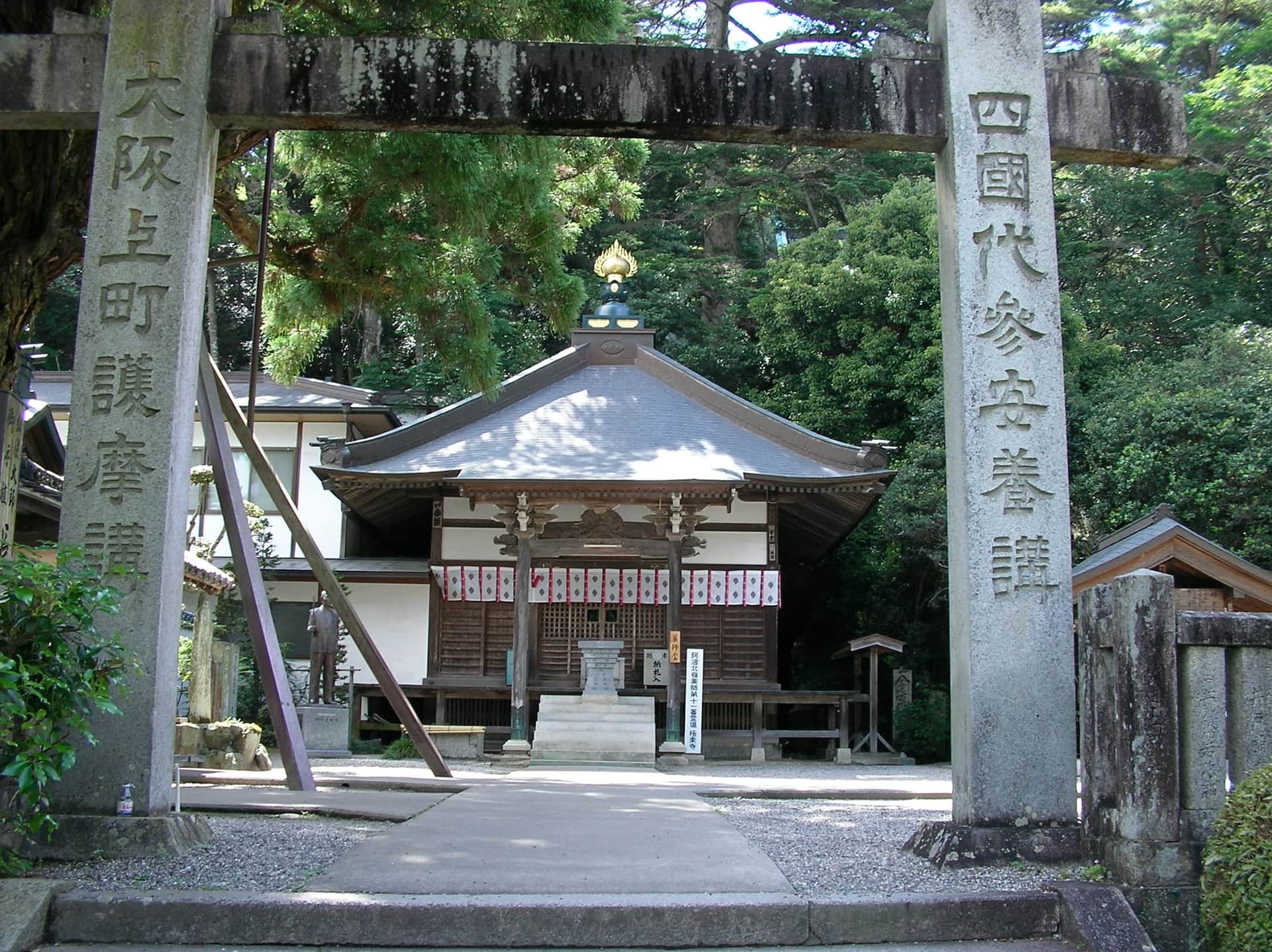
The shrine sits at the foot of Mt. Ōasa and features an enormous camphor tree on its grounds, a living monument that has witnessed centuries of worship and regional history.
The shrine's location in Bando, Naruto puts it near the famous Naruto whirlpools, where the Seto Inland Sea meets the Kii Channel in one of Japan's most dramatic natural phenomena.
Identiques aux heures d'ouverture
Ce sanctuaire offre des goshuin, mais nous n'avons pas encore de photos. Soyez le premier à partager le vôtre !
Équipements
Les esprits divins vénérés en ce lieu sacré
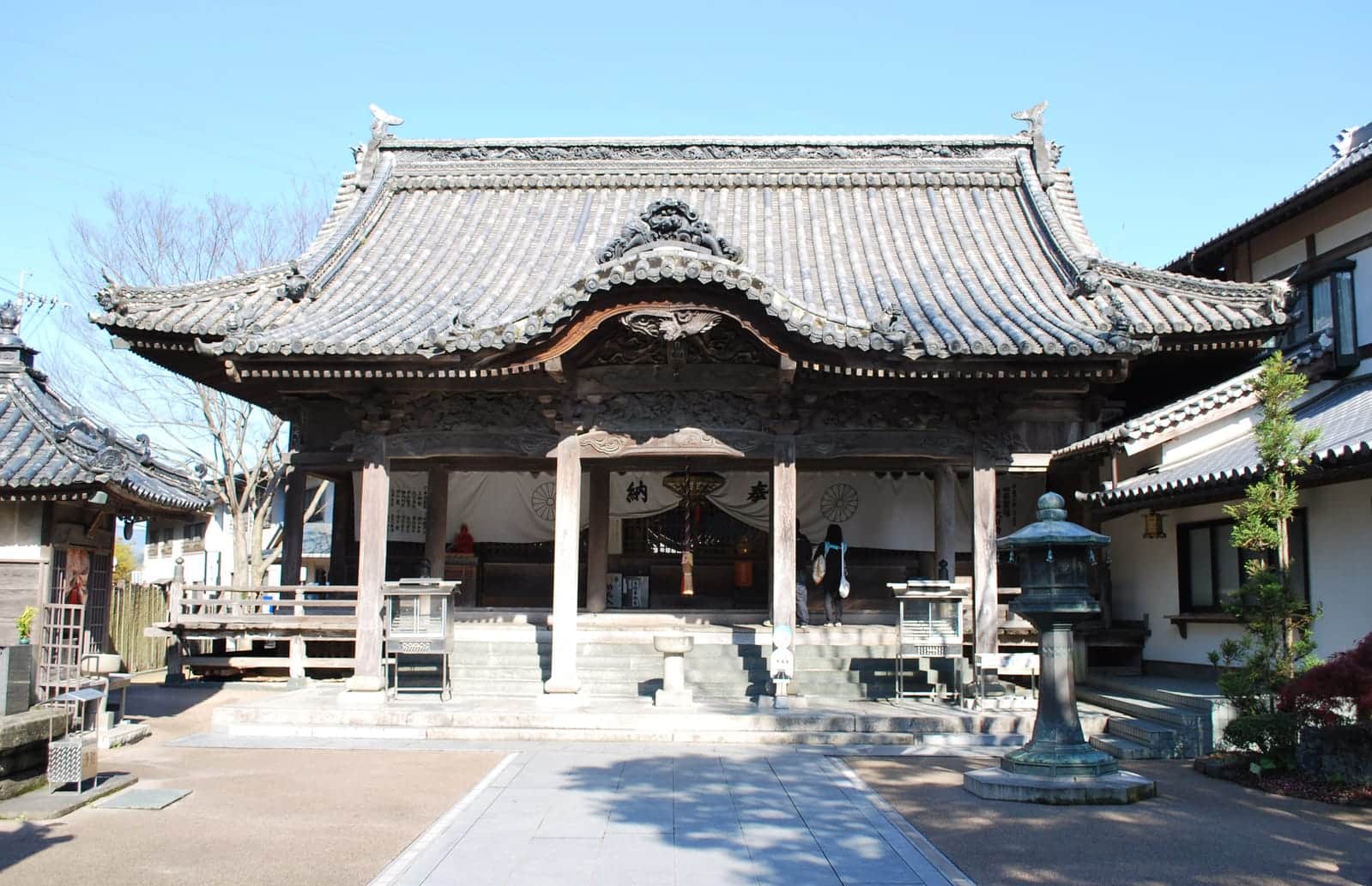
2 structures sur le site
Non confirmé
Naruto, Tokushima Préfecture
Autres pages utiles liées à ce lieu.
Ce que ce lieu est censé accorder
0 publications récentes
Partagez votre visite pour aider d'autres voyageurs.
Aucune publication publique de la communauté pour le moment.
Moins de 300 m Moins de 600 m