海会寺
Sous-templeWhat's this?
En bref
Le jardin sec de Nanshu-ji a été conçu par Furuta Oribe en 1619 et est désigné comme Lieu de Beauté Pittoresque National.
The temple houses a monument claiming to be the true grave of Tokugawa Ieyasu, based on a legend that he was killed during the 1615 Siege of Osaka and secretly buried here, contradicting official history.
Identiques aux heures d'ouverture
Ce temple offre des goshuin, mais nous n'avons pas encore de photos. Soyez le premier à partager le vôtre !
1 structures sur le site
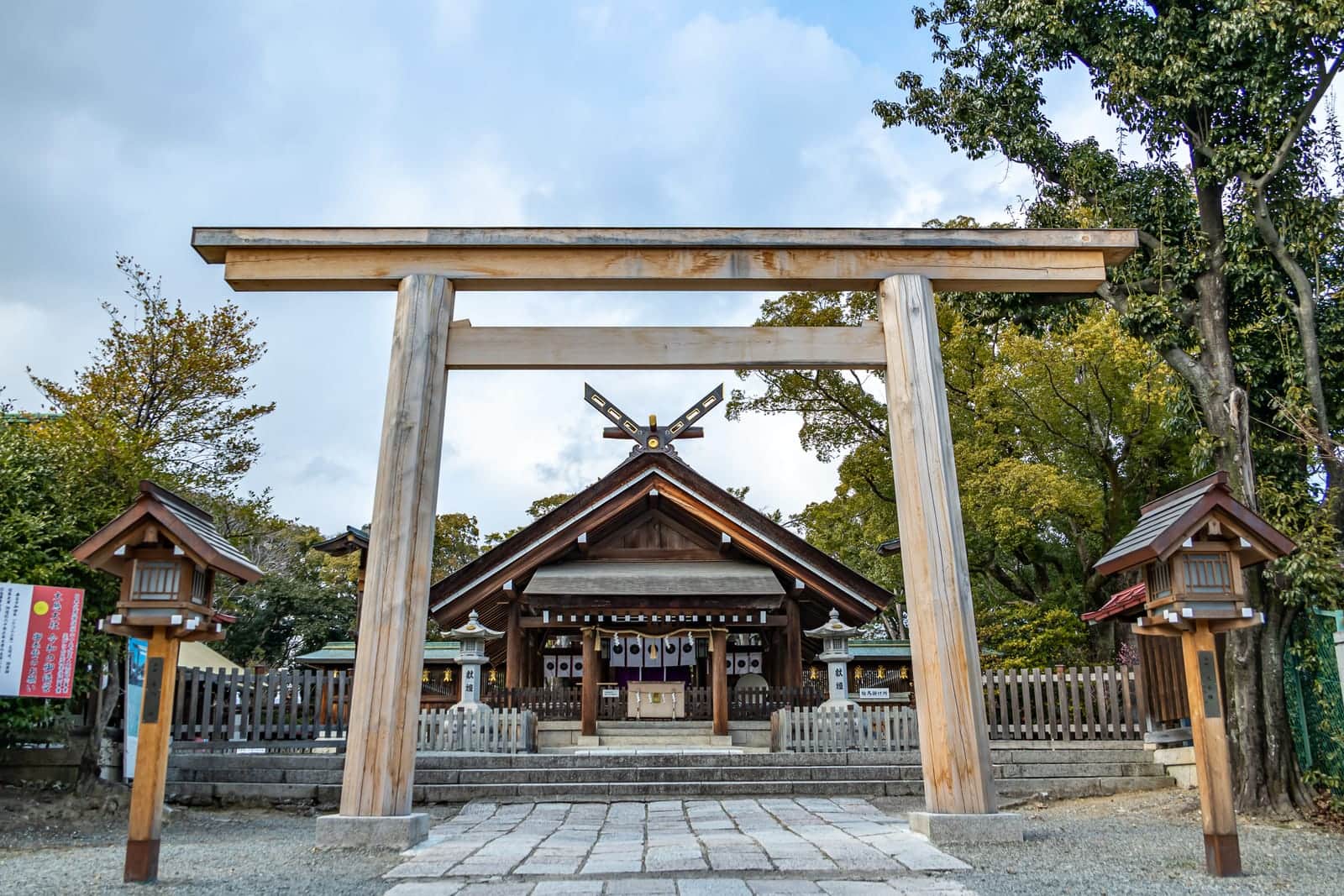
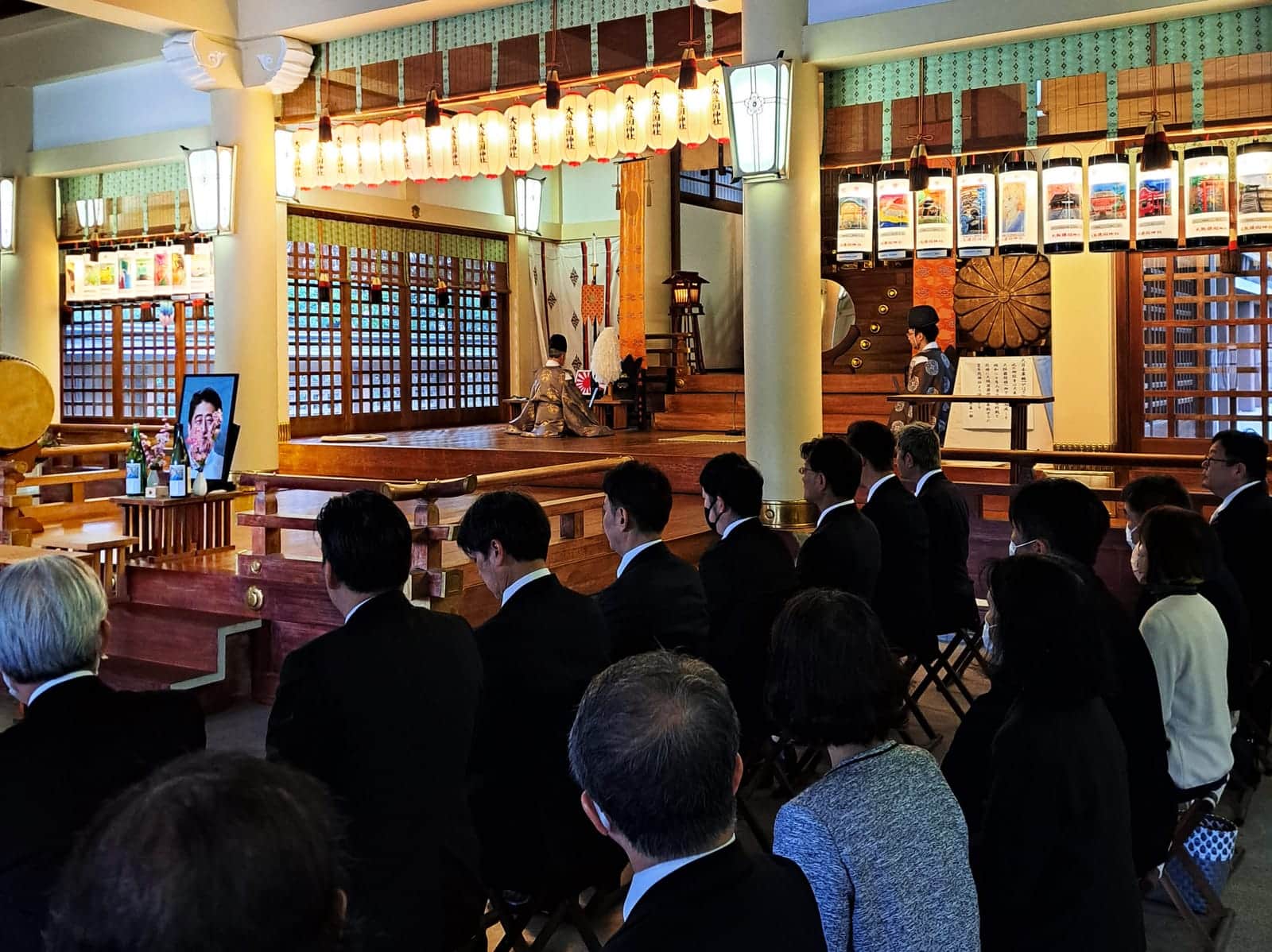
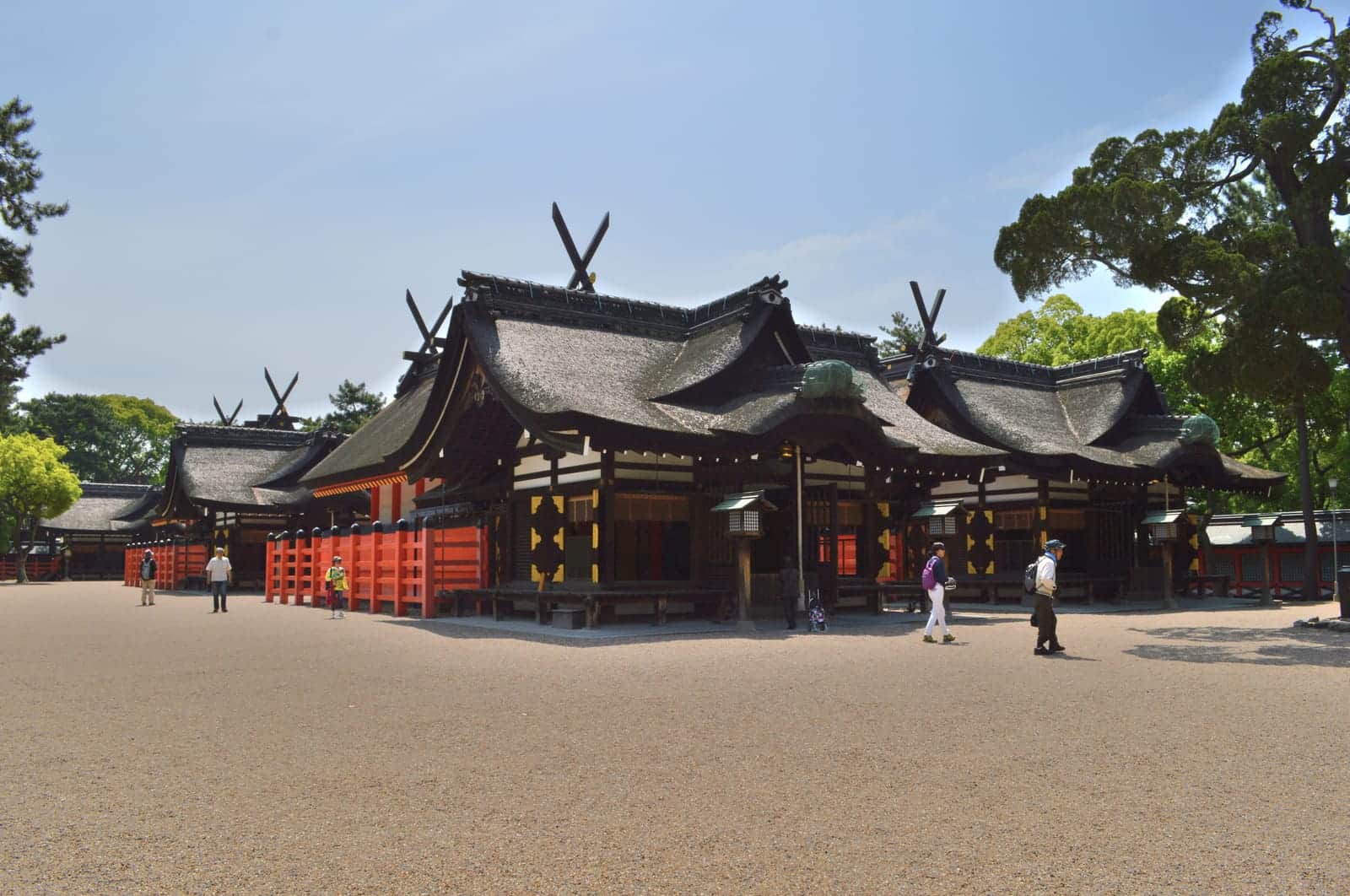


Non confirmé
Sakai, Osaka Préfecture
0 publications récentes
Partagez votre visite pour aider d'autres voyageurs.
Aucune publication publique de la communauté pour le moment.
Autres pages utiles liées à ce lieu.
Moins de 300 m Moins de 600 m
La location nécessite l'application de l'opérateur et un numéro de téléphone japonais. Les pass journée docomo sont vendus dans les supérettes. Sources de données