Visit early on a weekday to avoid the groups that arrive after noon.
En bref
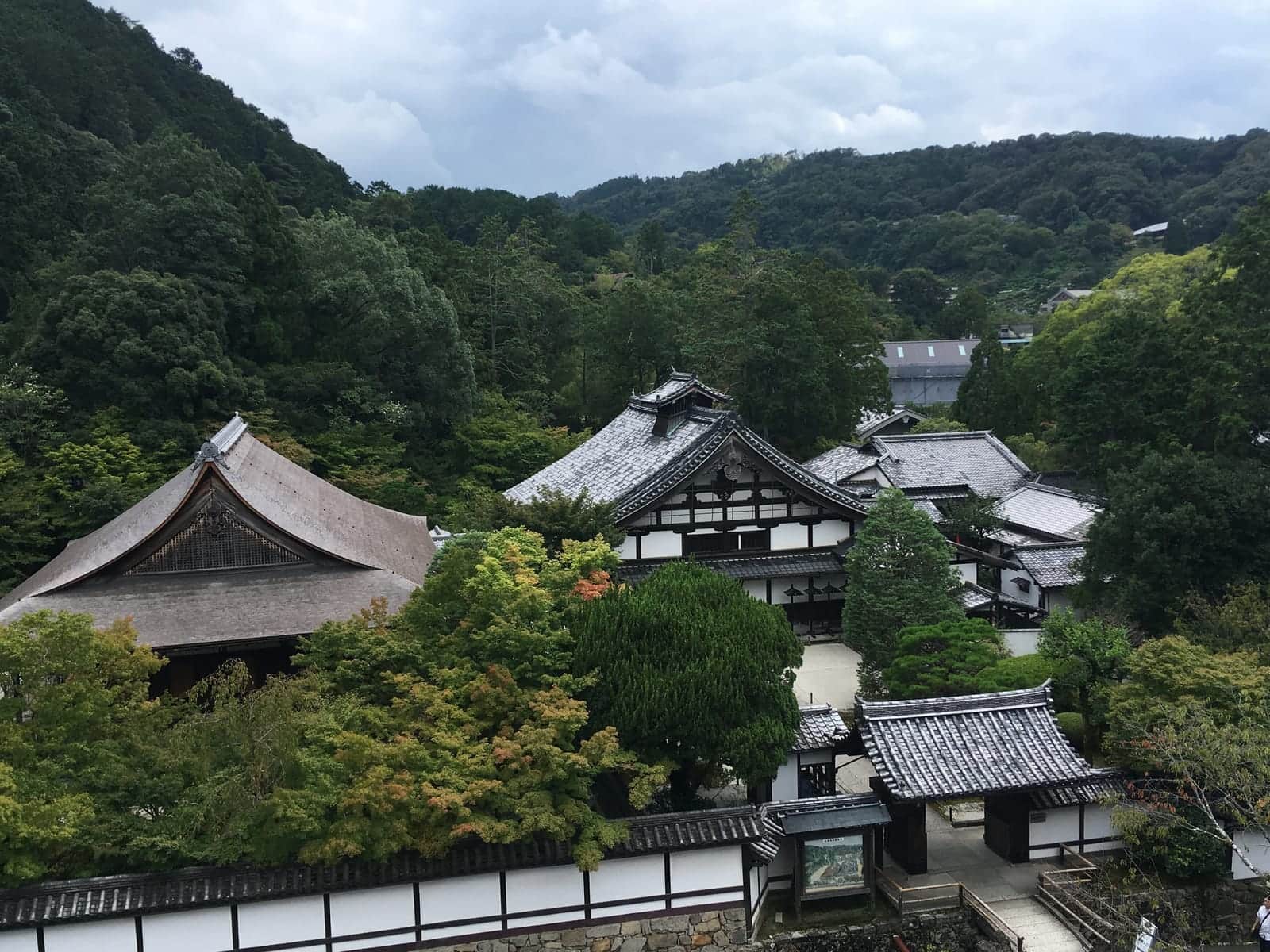
Konchi-in was moved to its current spot inside Nanzen-ji in 1605. Its garden was then designed for a planned visit by Tokugawa Iemitsu, but the shogun never actually came.
The Crane and Turtle Garden is one of Kyoto's clearest examples of shakkei, or borrowed scenery. The hills beyond the temple wall are part of the composition, even though they are not inside the garden.
Identiques aux heures d'ouverture
Ce temple offre des goshuin, mais nous n'avons pas encore de photos. Soyez le premier à partager le vôtre !
Équipements
Visit early on a weekday to avoid the groups that arrive after noon.
Position yourself low to the ground to capture the crane and turtle stones against the raked gravel; the best light is soft morning sun from the east side.
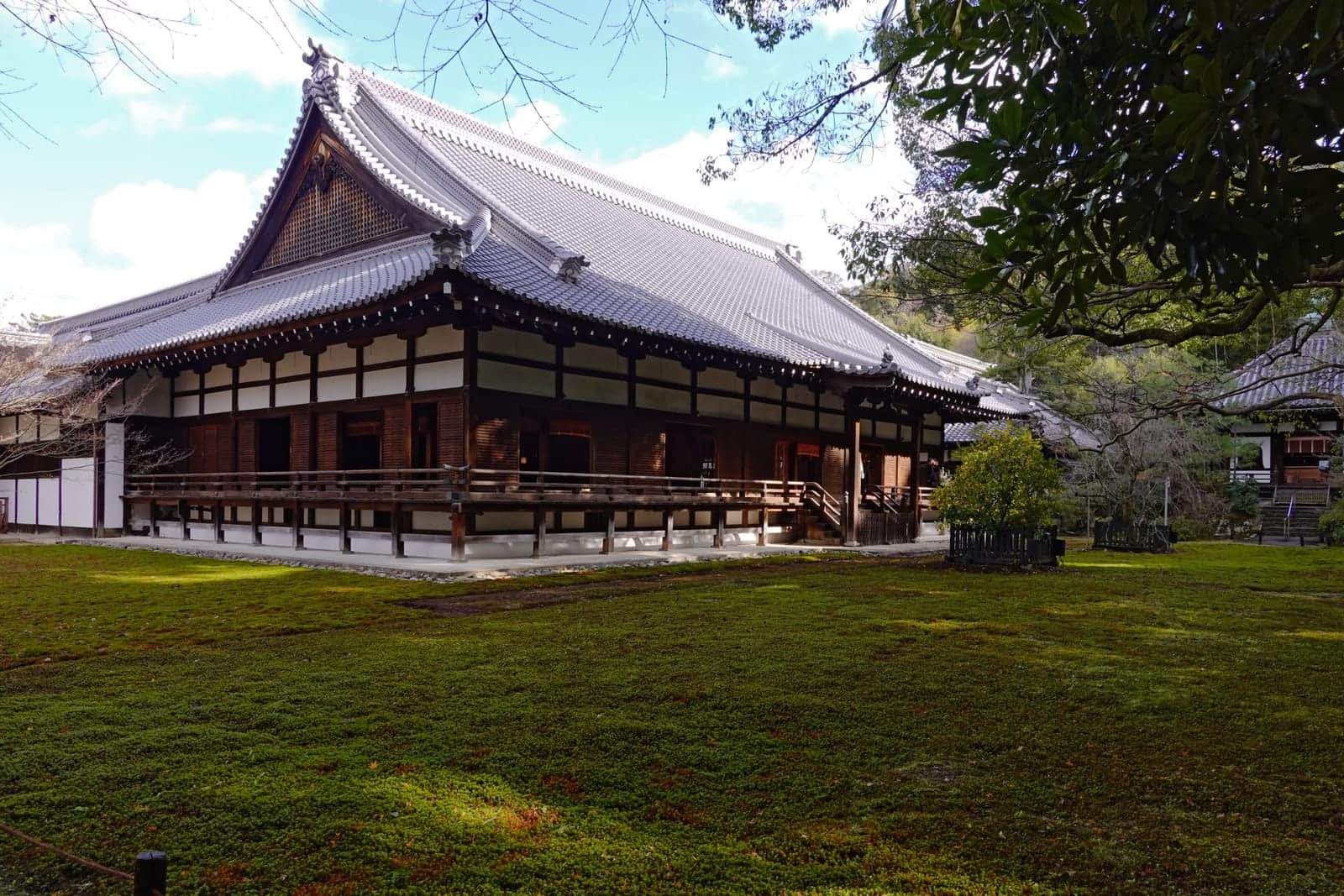
The tea room (shoin) is often open to visitors, offering a view of the garden from inside; ask the attendant about the borrowed scenery (shakkei) technique used in the design.
Speak quietly and turn off your phone ringer; this is an active temple, not just a tourist site, so observe the same quiet reverence you would in a larger hall.
There is no entrance fee, but a small donation is appreciated; combine the visit with Nanzen-ji for a single ticket if you plan to explore the aqueduct as well.
The temple grounds are mostly flat, but the garden viewing area has a slight step; wheelchair users can request assistance from the staff at the main Nanzen-ji gate.
Plan a stop of about 30 to 45 minutes for the garden and main hall. Konchi-in is usually much quieter than Nanzen-ji itself, so weekdays or the first opening hour are the best times if you want the Crane and Turtle Garden to feel still and uncrowded.
Bring a little cash for admission, since this is a small temple rather than a full tourist complex. If you are coming by subway, Keage Station is the easiest walk, and if you are already at Nanzen-ji, Konchi-in is just a short detour off the main flow of visitors.
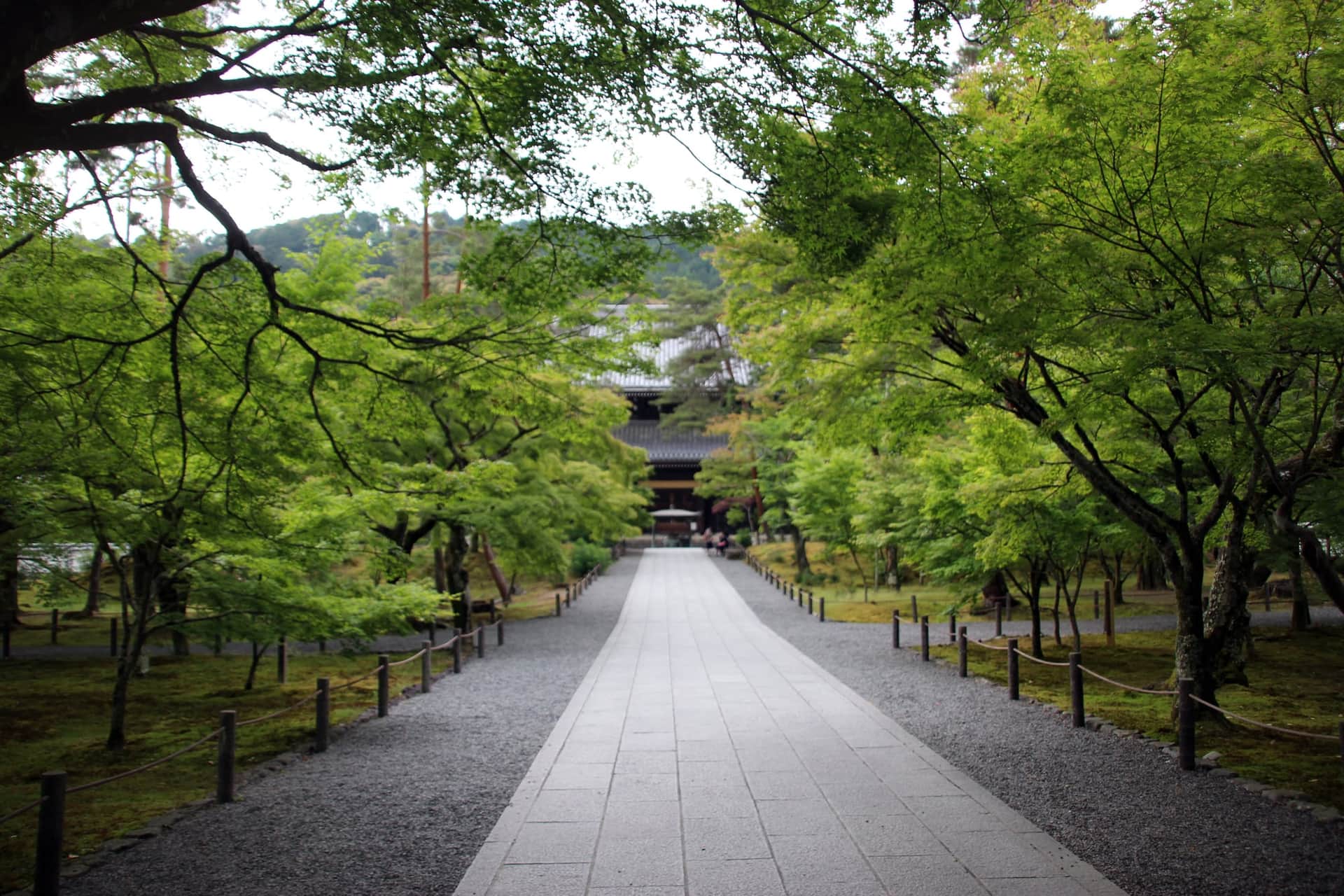
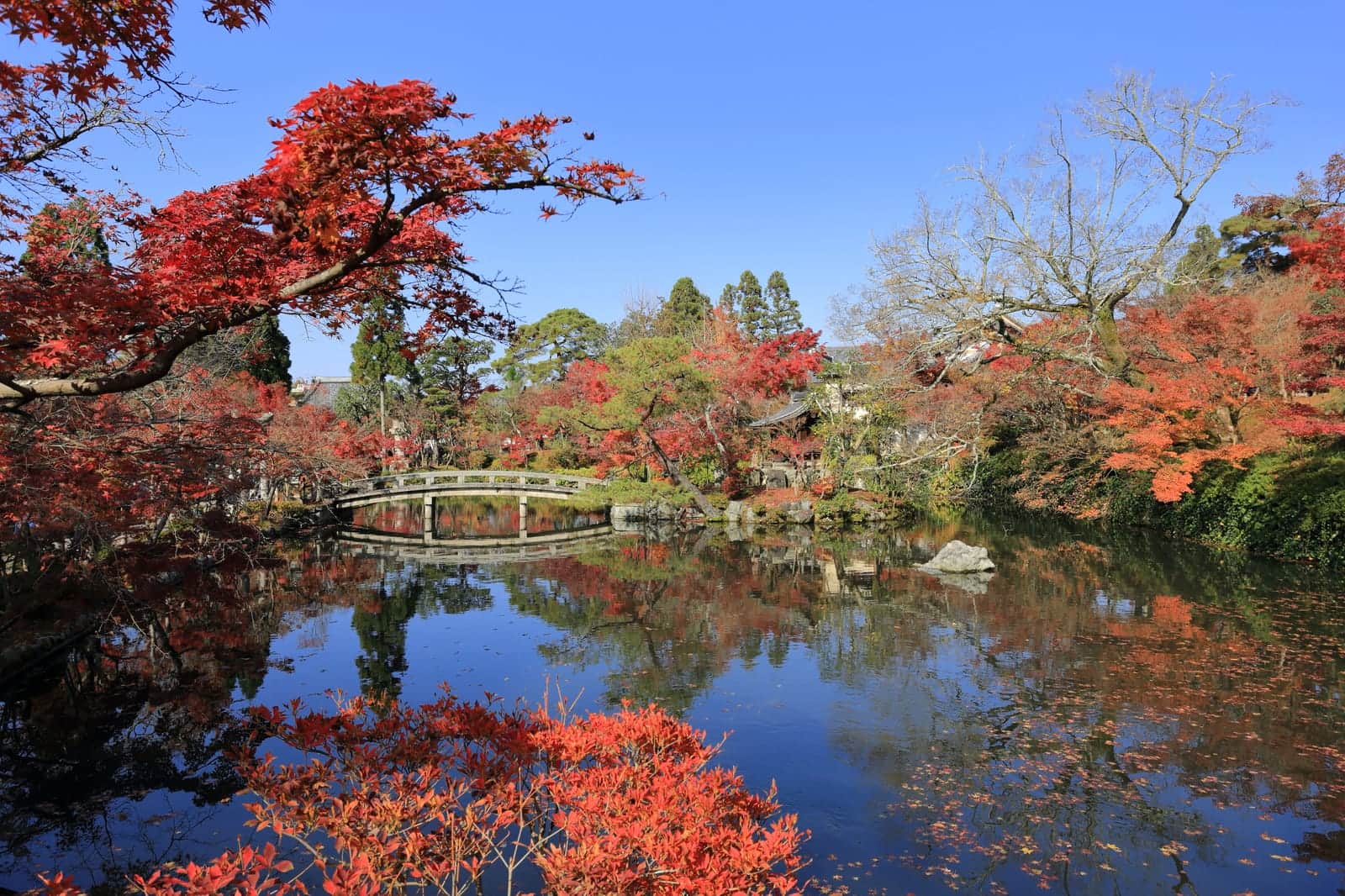
If you visit in spring, the fresh green around the stones softens the whole scene, while autumn adds scattered leaves that make the gravel and rock shapes stand out.
Look for the two stone islands that suggest a crane and a turtle, then scan the center for the Horai-style rock grouping. Once you know the symbolism, the garden reads very differently, and the visit becomes more than just a pretty dry landscape.
Les esprits divins vénérés en ce lieu sacré

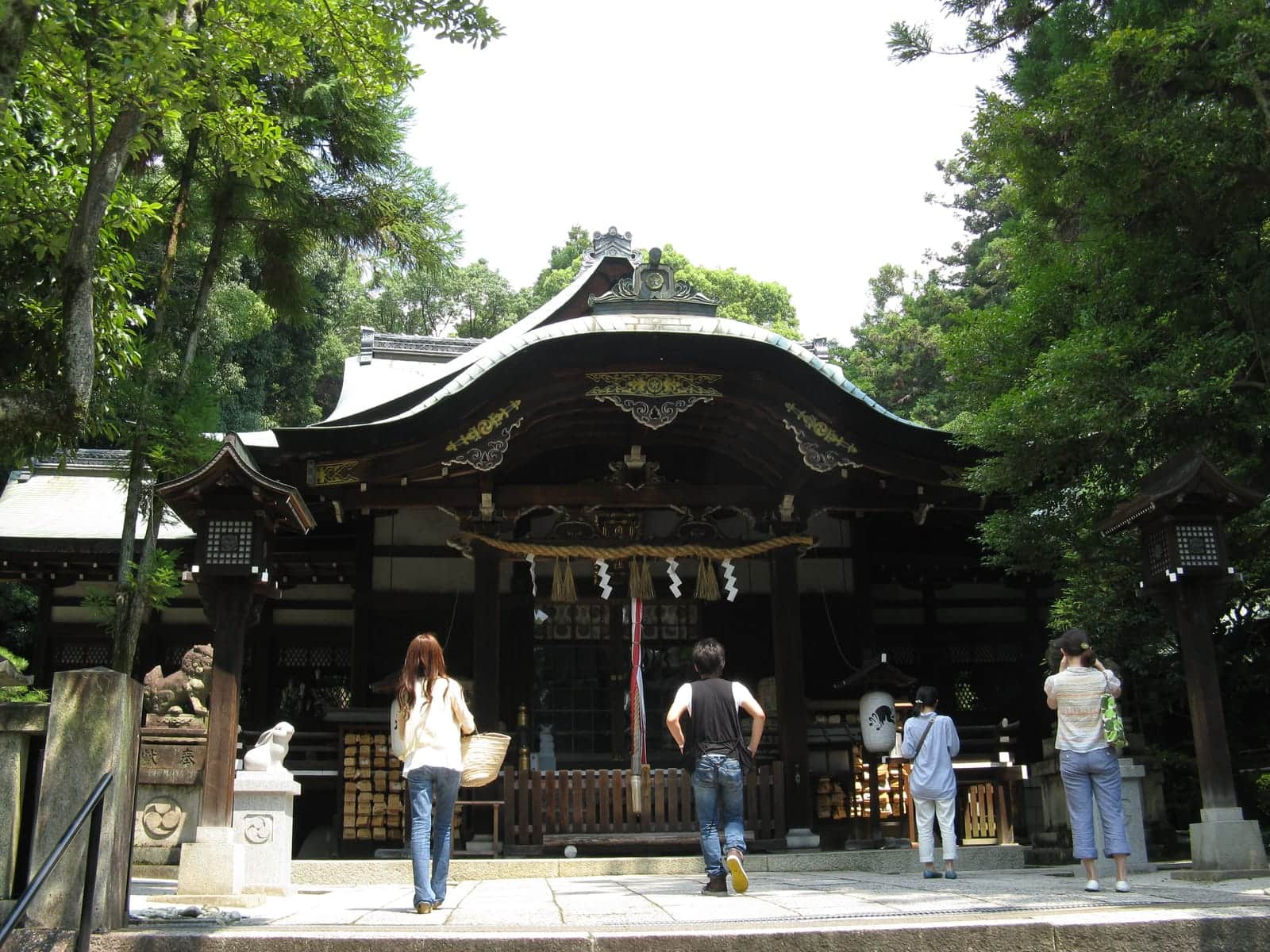
Non confirmé
Sakyo, Kyoto Préfecture
Ce que ce lieu est censé accorder
3 publications récentes
5.0
1 avis
Allez-y tôt un jour de semaine si vous voulez profiter du jardin dans son plus grand calme ; après midi, il attire davantage de groupes. Prévoyez 30 à 45 minutes. La station Keage est l’accès à pied depuis le métro le plus pratique, et si vous êtes déjà à Nanzen-ji, c’est un petit détour hors du flux principal.
Il n’y a pas de droit d’entrée fixé, mais un petit don ou un peu d’argent liquide est apprécié. Mettez votre téléphone en mode silencieux et parlez à voix basse, car il s’agit d’un temple en activité. Le terrain est en grande partie plat, bien que la zone d’observation du jardin comporte une légère marche, et le personnel peut aider pour l’accès si nécessaire.
Autres pages utiles liées à ce lieu.
Depuis la salle de thé, vous pouvez contempler le jardin et vous renseigner sur la conception du paysage emprunté.
Agnieszka Kaczyńska s’est enregistréPosition confirmée
Konchi-in
Sakyo, Kyoto
 SUPro member
Steffi UlrichPro a partagé un goshuin
Moins de 300 m Moins de 600 m
La location nécessite l'application de l'opérateur et un numéro de téléphone japonais. Les pass journée docomo sont vendus dans les supérettes. Sources de données