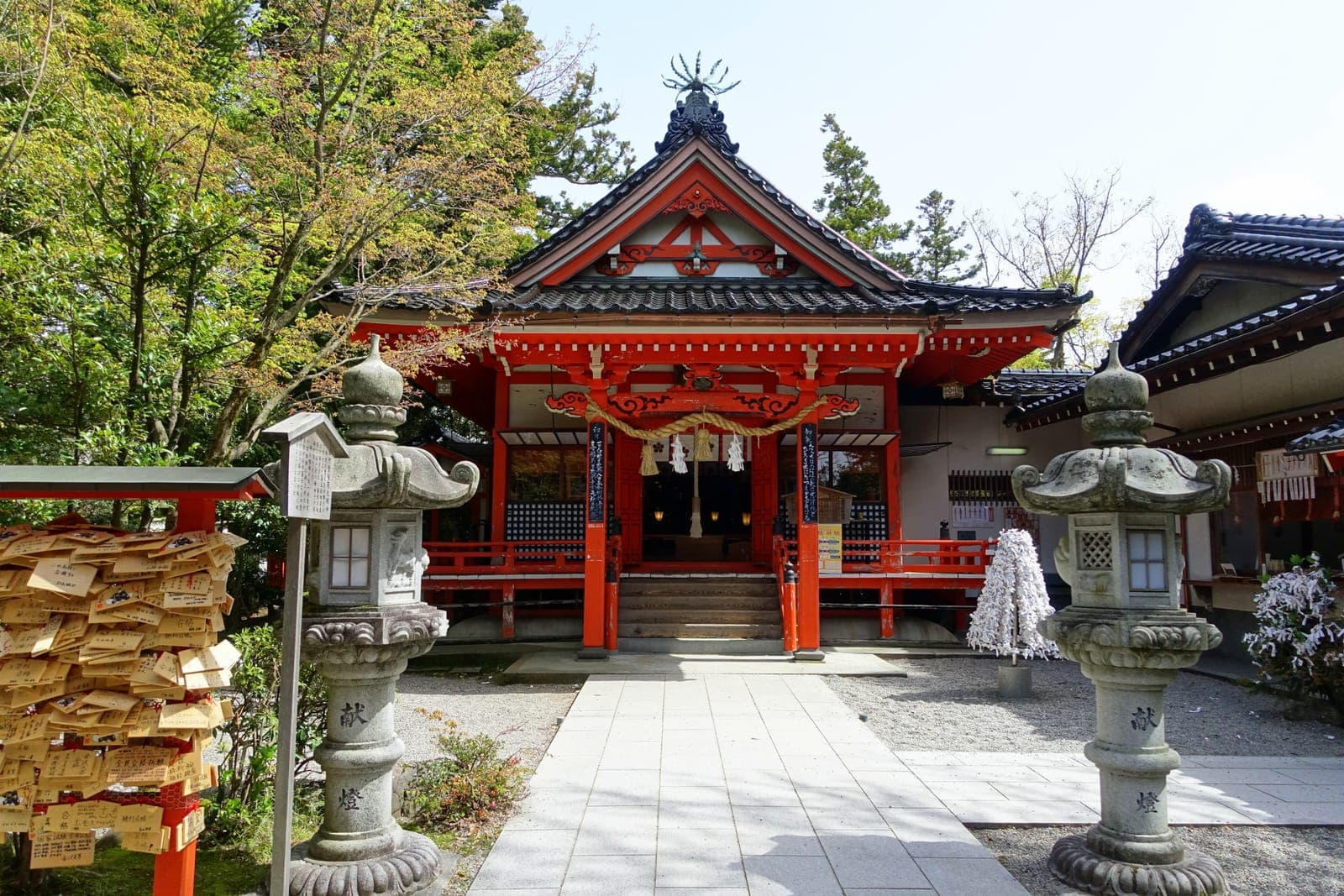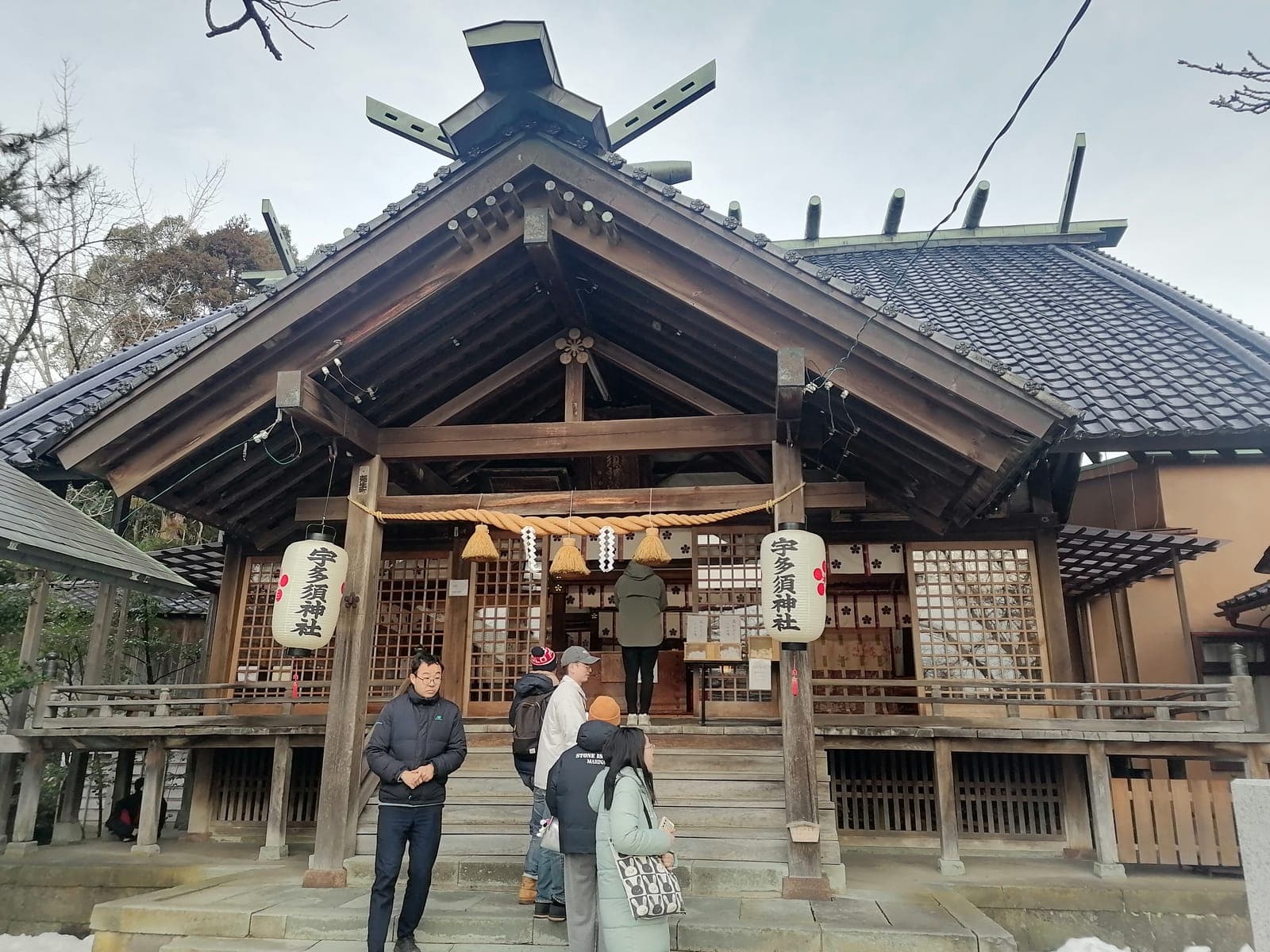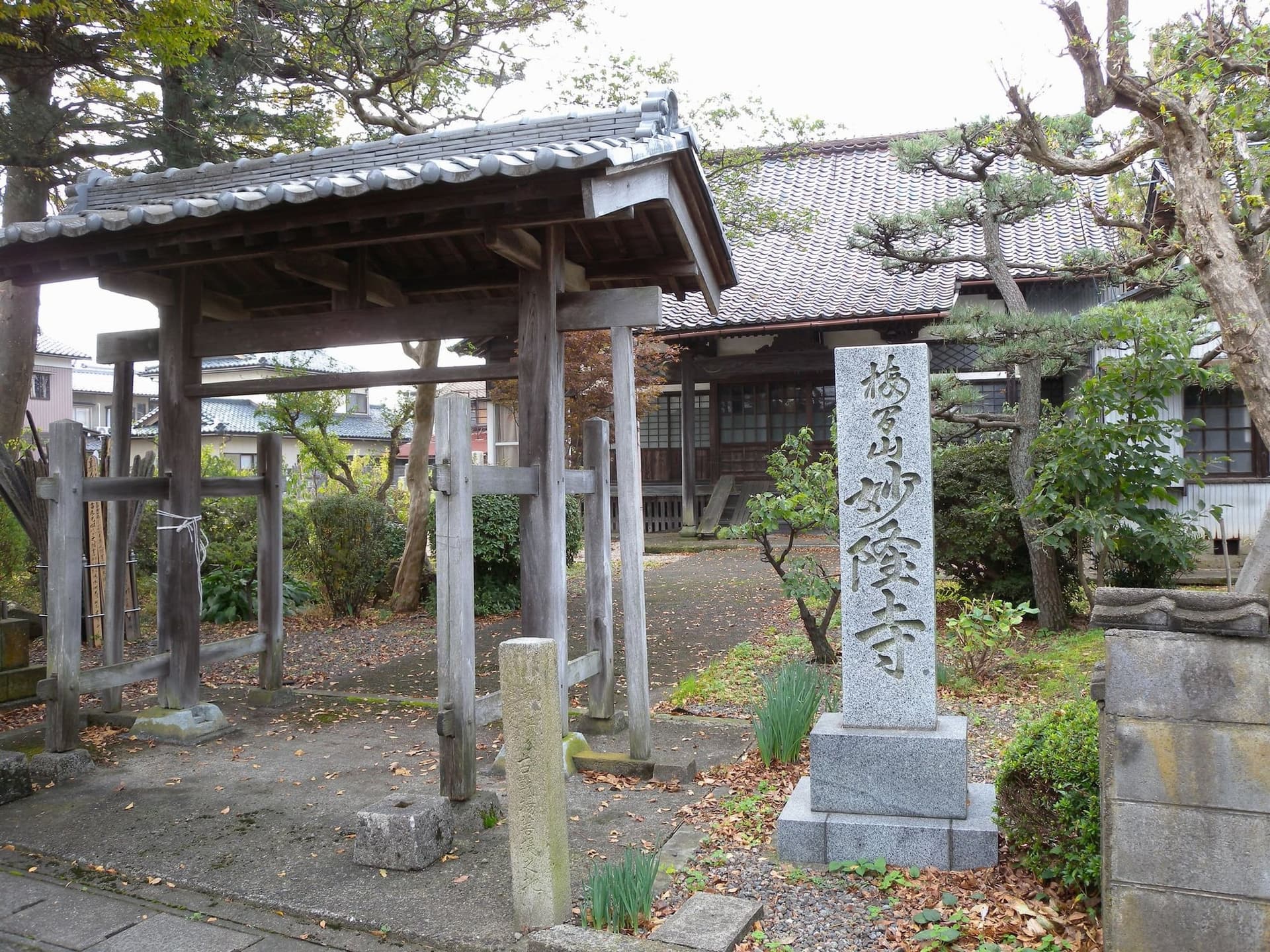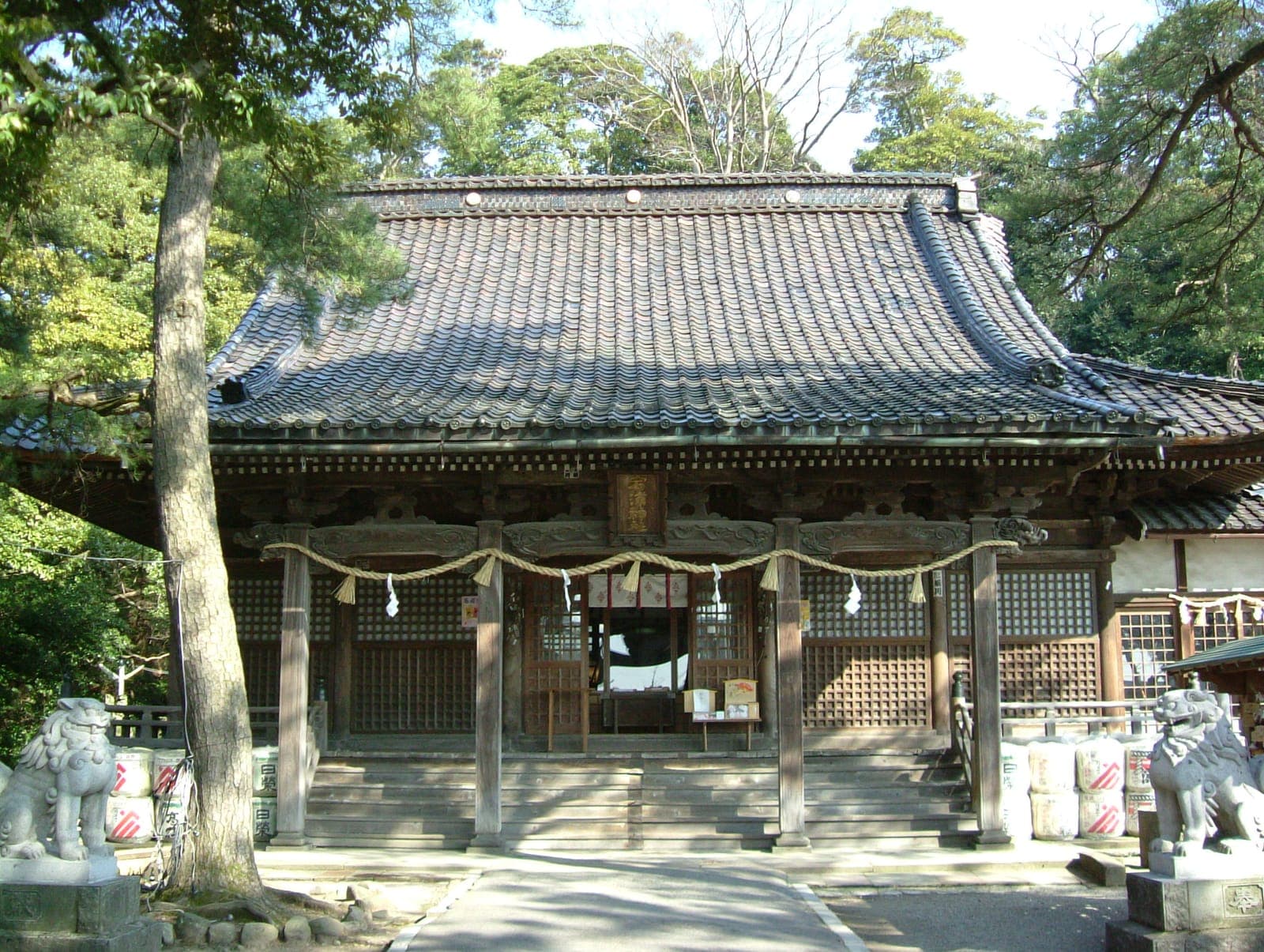
In Prefectura de Ishikawa, start with sacred sites such as Encho-ji, Utasu, and Myoryu-ji, with 2 highlighted cities and wards to start from. Use the listings below to compare temple and shrine clusters, check goshuin details, and plan visits by area.
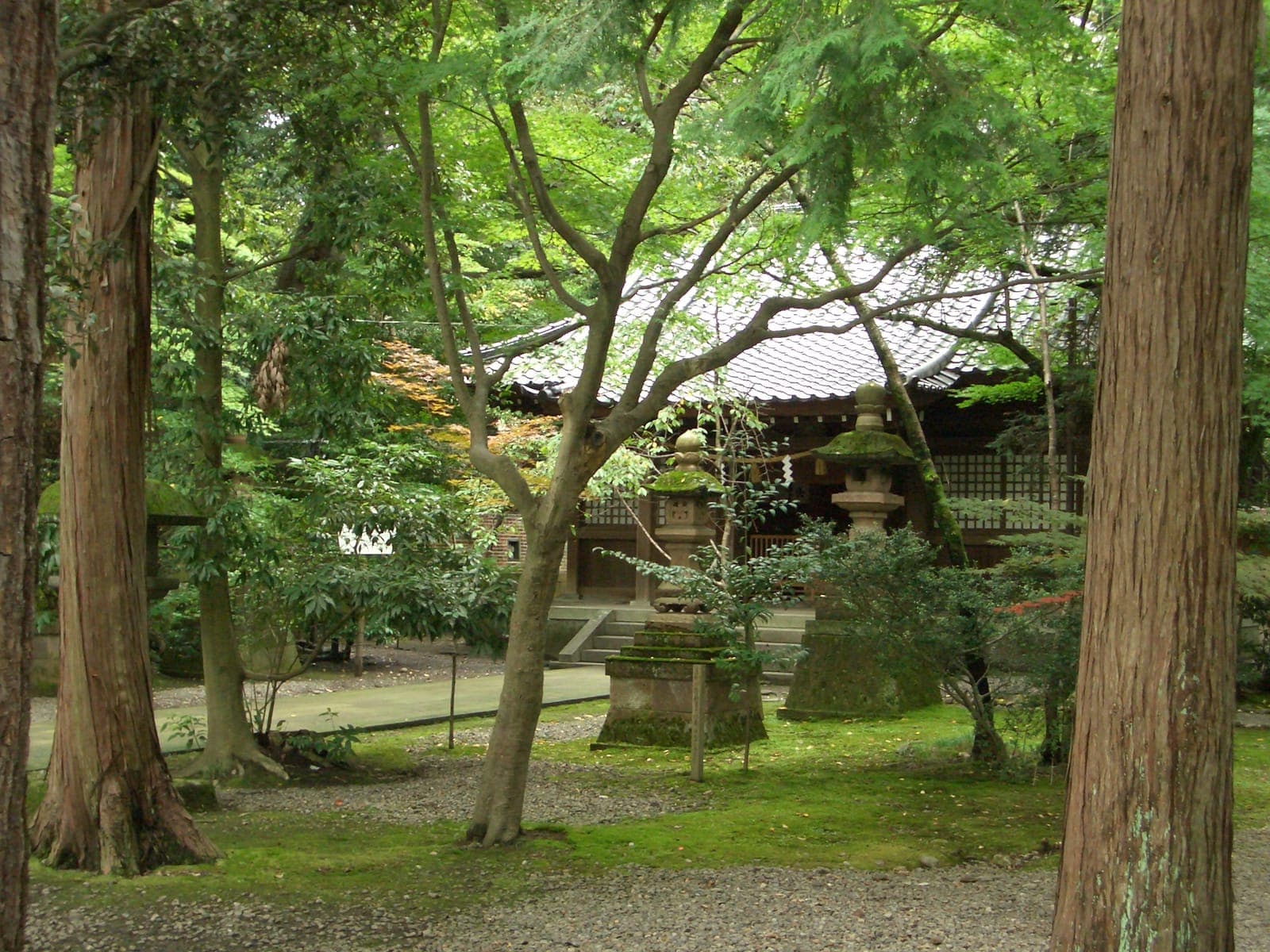
Enchoji is a Buddhist temple located in Ishikawa Prefecture, Japan. Situated in the Hakusan area, it is a traditional Japanese temple that serves the local community. The temple features classic Japanese Buddhist architecture and offers a tranquil setting...
DIRECCIÓN: 1 Chome-4-40 Higashiyama, Kanazawa, Ishikawa 920-0831, Japan
Utasu Shrine is a historic Shinto shrine in Kanazawa’s Higashiyama district, near the Higashi Chaya area. Tradition says it began from a mirror unearthed by the Asano River and later became associated with the Maeda clan and local festivals.
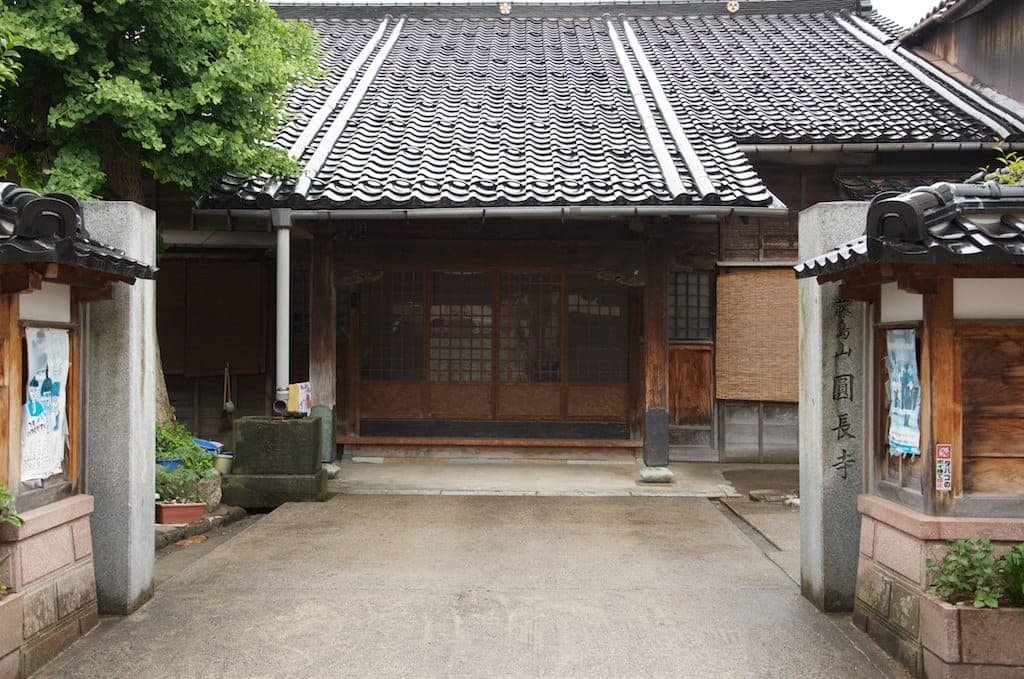
Myōryūji (妙立寺), o «Ninjadera», es un templo budista de Nichiren fundado en 1643 en Kanazawa, Ishikawa. Construido para el clan Maeda, presenta trampillas, escaleras ocultas y habitaciones ocultas: una arquitectura defensiva que le valió su apodo de ninja,...
¿Por qué deberías ir?
A los 21 años, el monje Nisshin realizó una brutal austeridad de agua invernal de 100 días en el estanque del templo, que aún hoy se llama «Gyō-no-ike» (Estanque de práctica) y se ve en los terrenos.
El templo alberga una estatua de madera de keyaki de una sola pieza de Jurōjin, uno de los Siete Dioses de la Fortuna, cuyo compañero ciervo simboliza 3.000 años de longevidad.
Si llevas tu propio libro de goshuin (no el oficial de Kamakura Shichifukujin), ten en cuenta que el templo puede darte un resguardo ya escrito en lugar de escribir en tu libro; aclara tu preferencia al presentarlo en la oficina del templo.
DIRECCIÓN: 1 Chome-2-12 Nomachi, Kanazawa, Ishikawa 921-8031, Japan
Ishiura Shrine is an ancient Shinto shrine in central Kanazawa, said to be the city’s oldest and linked to origins in the Kofun period. Its vermilion gates, lucky charms, and accessible location near major sights make it popular with visitors.
¿Por qué deberías ir?
Plan for about 30 minutes at the shrine itself, but arrive early in the day if you want a quieter experience, since the shrine is particularly popular with female visitors seeking blessings for finding soulmates and can draw steady foot traffic.
Bring cash and small bills if you want to purchase omamori (lucky charms) or ema plaques, since the shrine does not accept credit cards and the office only operates 9:00-16:00 daily.
Look for the shrine's cute mascot character Kima-chan and the distinctive polka-dot pattern charms (which symbolize 'all is well') if you want to take home a memorable souvenir that reflects the shrine's playful approach to traditional spirituality.
Hosenji es un templo budista Koyasan Shingon ubicado en terreno elevado en Kanazawa, conocido por su deidad Marichiten oculta, sus prolongados rituales de fuego goma y sus vistas panorámicas sobre la ciudad y el mar. También se llama Gohonmatsu y está...
¿Por qué deberías ir?
The temple's main deity, Marici-ten, is a secret Buddha displayed only once yearly on November 29th. If you cannot visit on that date, ask the priest about the deity's significance and symbolism during your visit, as understanding the hidden nature of this protector deity enriches the experience.
Plan to arrive by foot from the Hashiba-cho bus stop (about 10 minutes away), but give yourself extra time for the steep staircase climb at the end.
Bring cash if you want to purchase a victory charm (Kachimamori) or receive a seal stamp, as the temple may have limited payment options.
Un santuario Shinto único en Kanazawa que presenta una puerta de tres pisos distintiva con ventanas de vidrio de color, fusionando estilos arquitectónicos japoneses y occidentales. Dedicado a Maeda Toshiie, fundador del Dominio de Kaga, y su esposa Matsu.
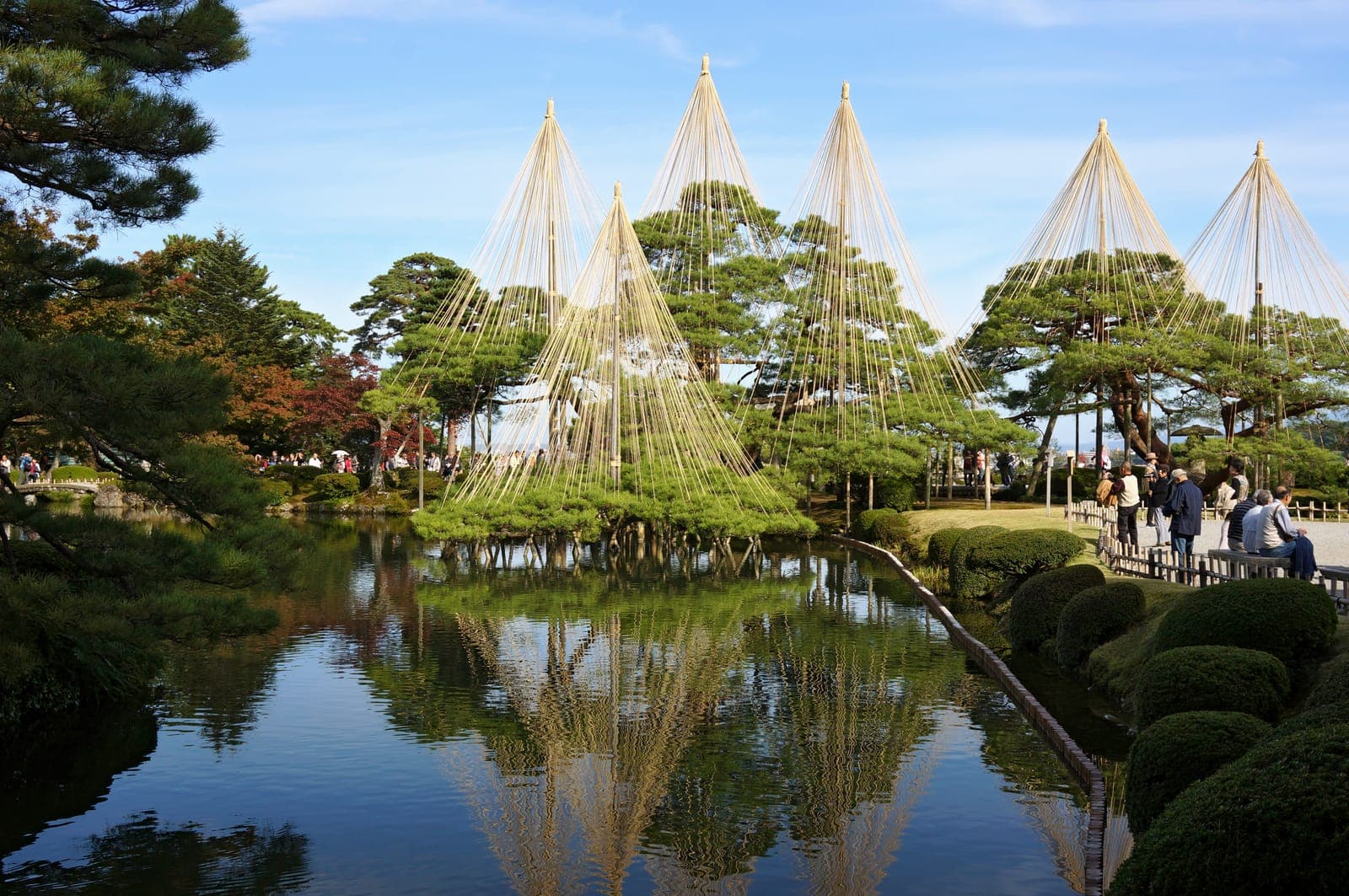
Un santuario Shinto en Kanazawa, Ishikawa, cerca del Jardín Kenrokuen. Construido en 1794 por el 11º señor Maeda para proteger el jardín, alberga a los antepasados del clan Maeda y ofrece un lugar tranquilo con vínculos históricos con la ciudad del castillo.
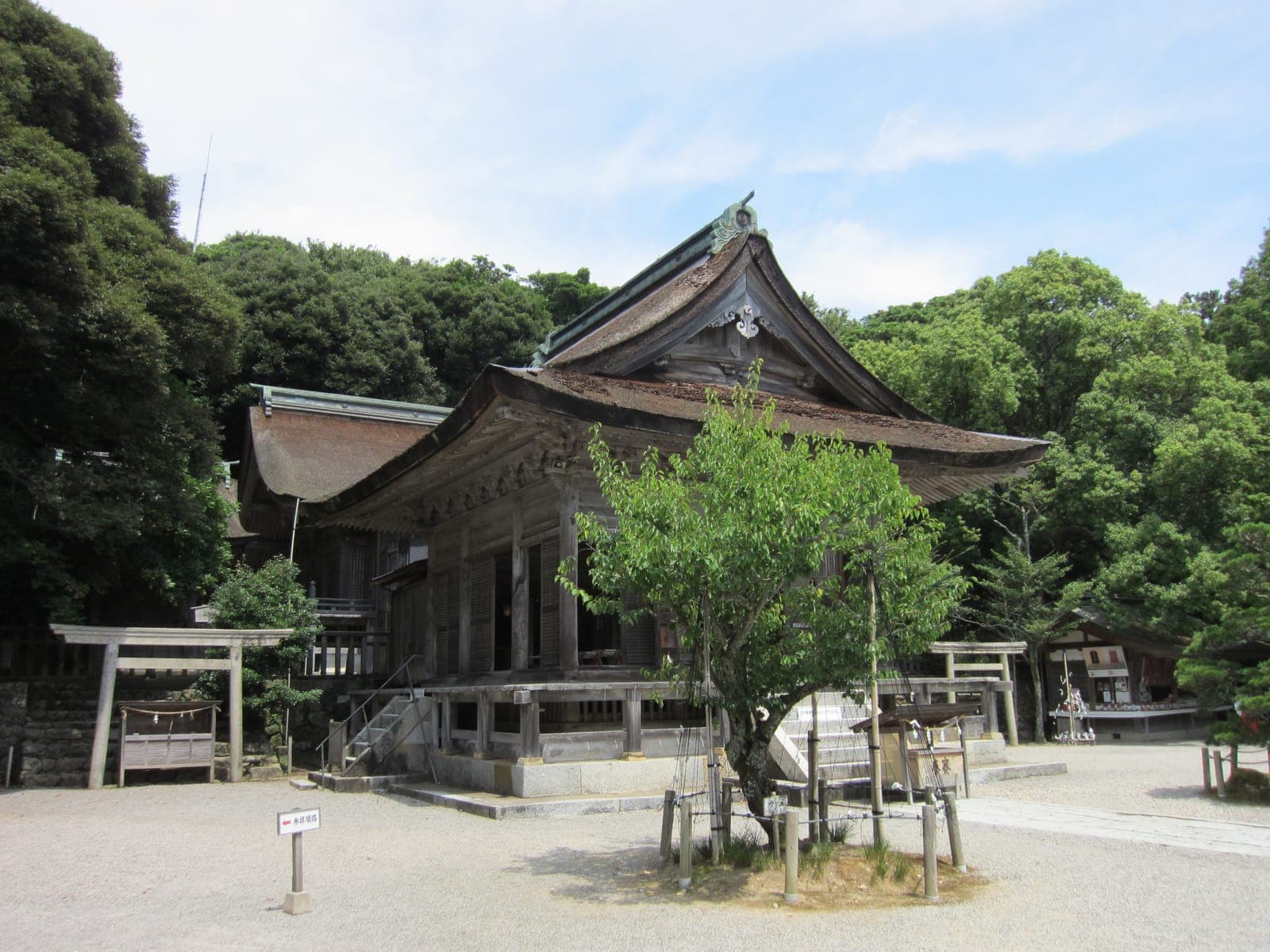
Katte Jinja es un santuario sintoísta en Japón. Los datos de ubicación disponibles apuntan al santuario conocido como Keta Taisha en las coordenadas indicadas en Hakui, Ishikawa. Es un lugar de culto y atracción local, con un entorno de santuario histórico y...