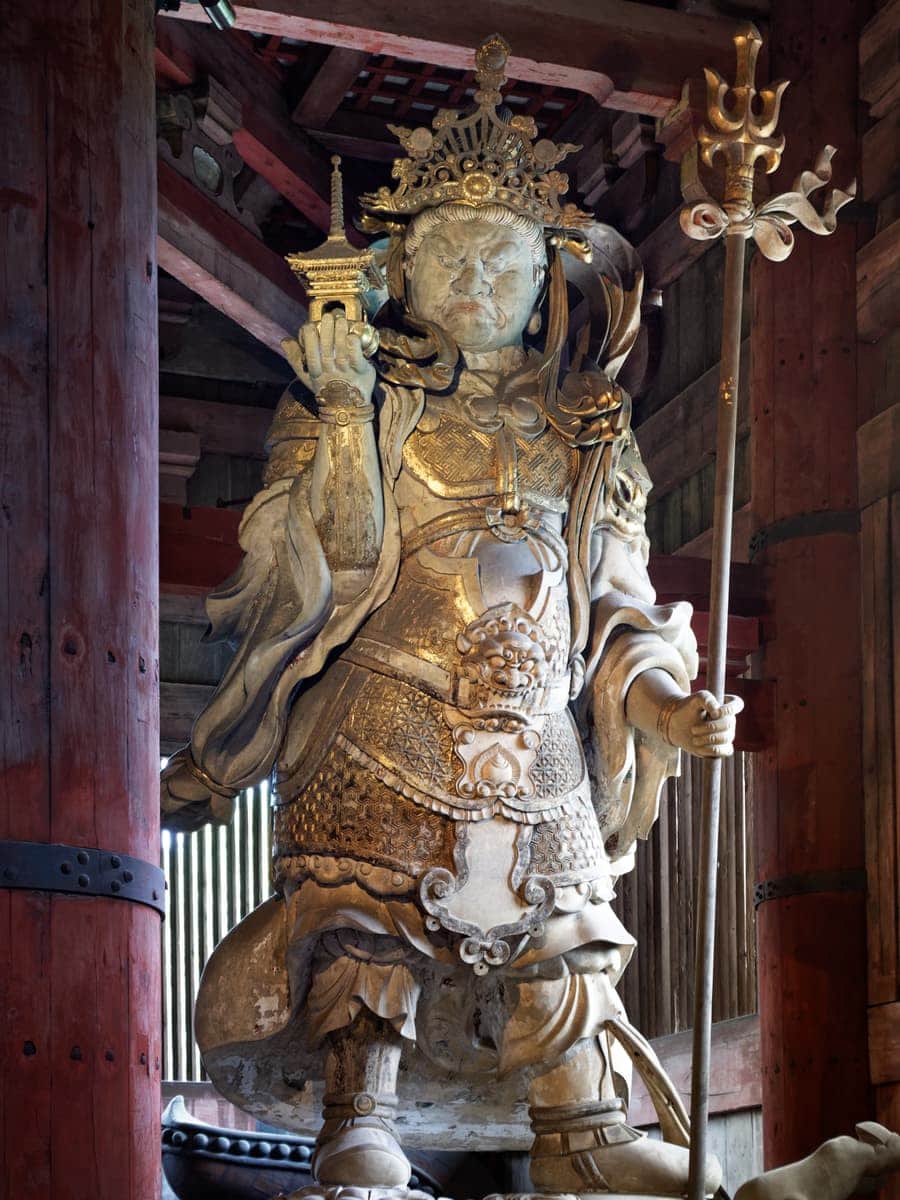
The shrine is on the Nihonbashi Shichifukujin pilgrimage route, dedicated to Bishamonten, the deity of victory and disaster protection. You might want to collect stamps from all seven shrines if you're interested.
At a Glance
The shrine once served the Yoshiwara pleasure district that existed in Ningyocho until 1657's Great Fire. After Yoshiwara moved to Asakusa, locals continued worshipping here as their neighborhood guardian.
Ancient records confirm the shrine existed by 1596 during the Azuchi-Momoyama period, though its exact founding date remains unknown. The current building was reconstructed in 1947 after WWII air raids.
This shrine offers goshuin, but we don't have photos yet. Be the first to share yours!
The shrine is on the Nihonbashi Shichifukujin pilgrimage route, dedicated to Bishamonten, the deity of victory and disaster protection. You might want to collect stamps from all seven shrines if you're interested.
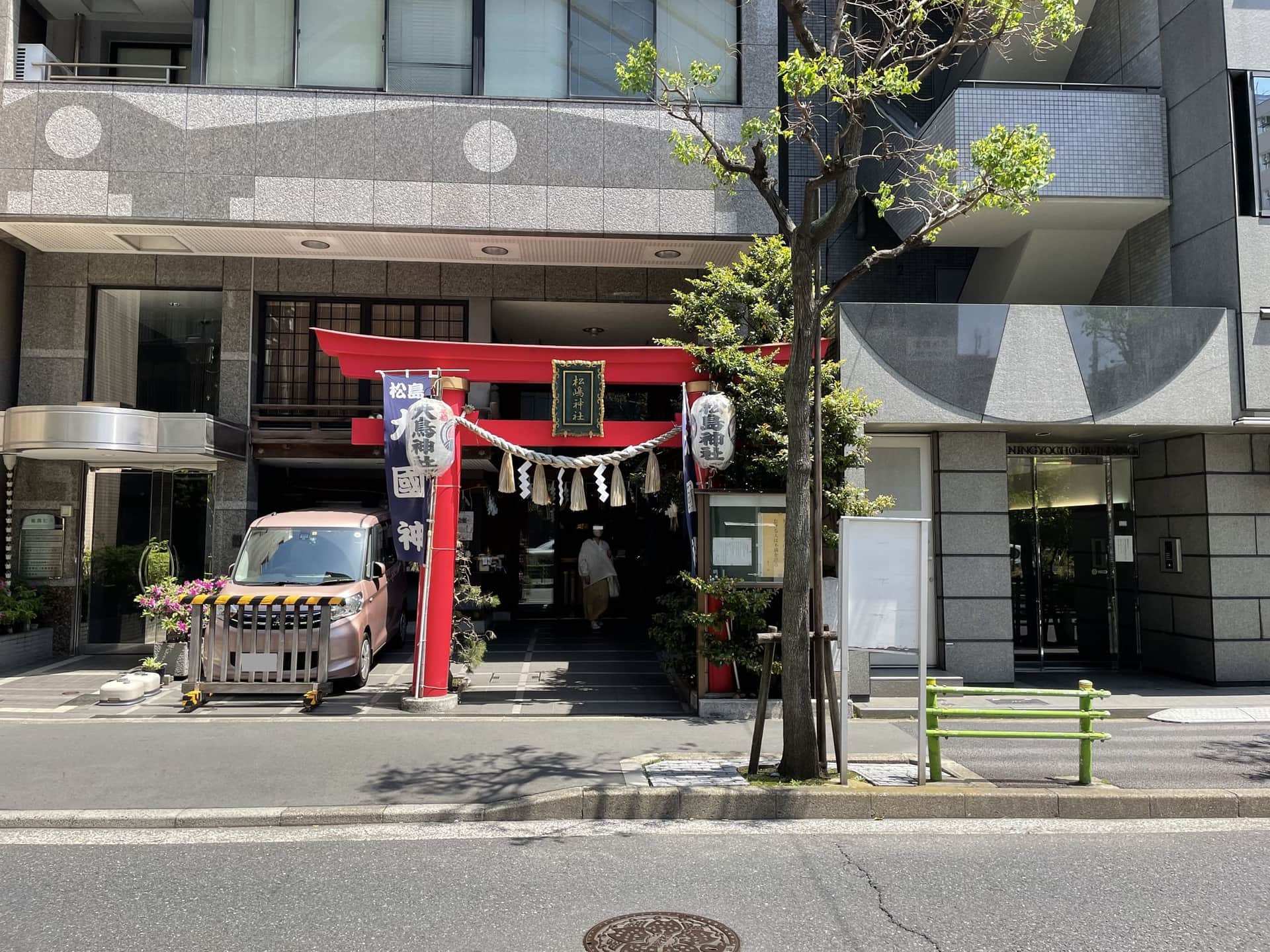
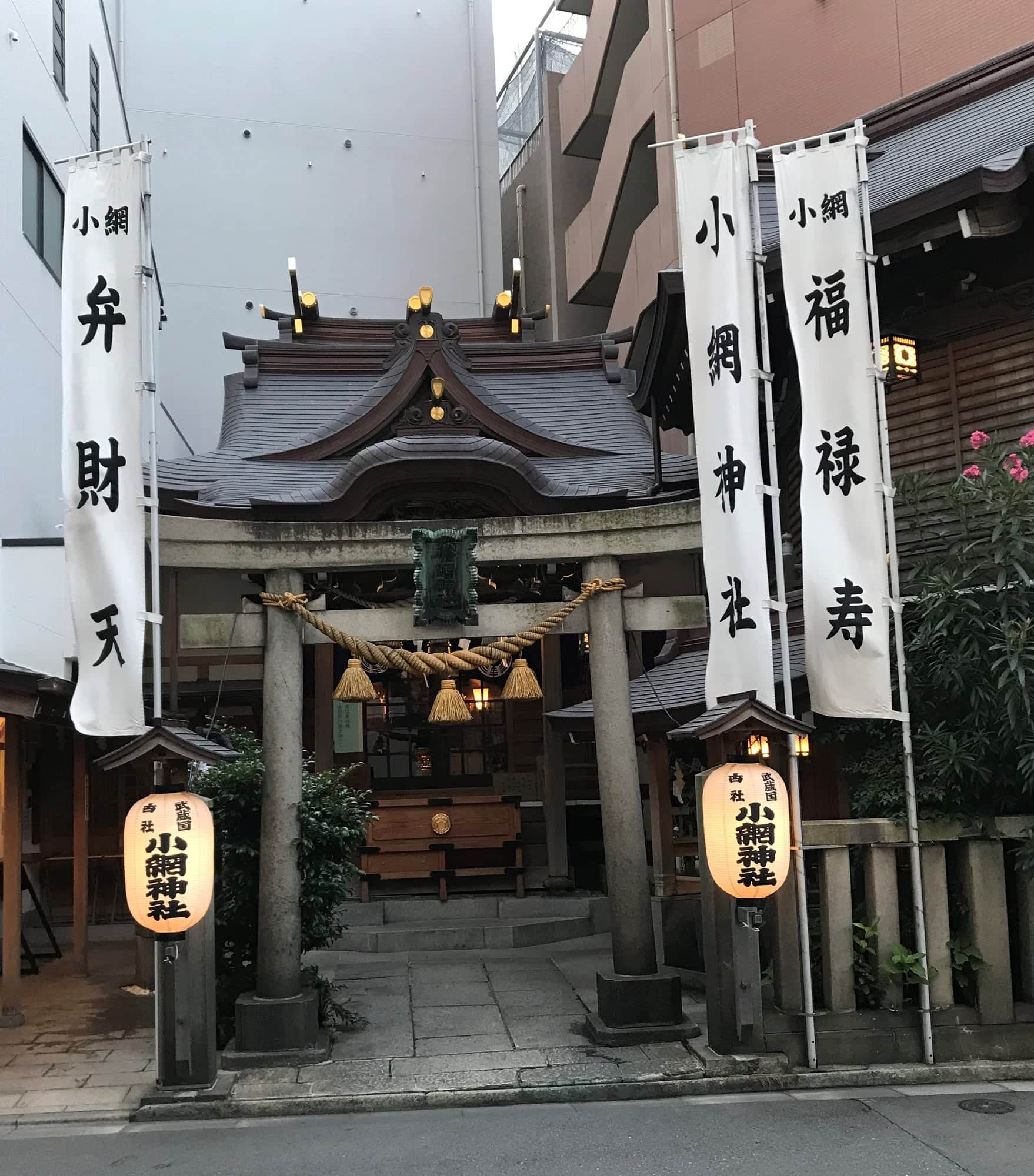
The shrine is tucked away in a narrow alley off the main street in a compact space between buildings, so look carefully for the entrance as it's easy to miss while walking through the Nihonbashi area.
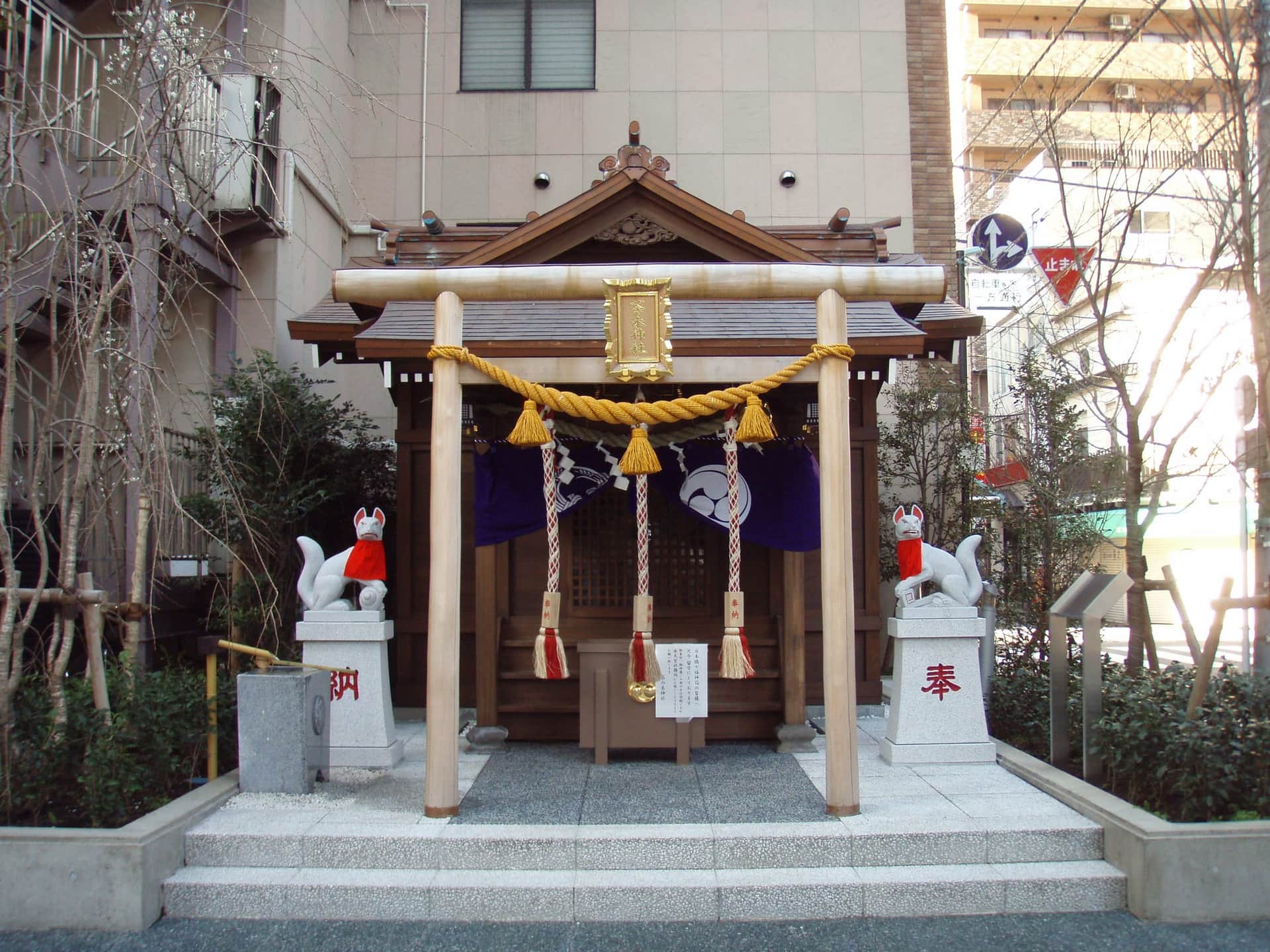
Visit the small Yomoyo Inari shrine within the grounds, which honors a real Edo-period midwife who rescued abandoned children and cared for working mothers' babies, making it especially meaningful for those seeking blessings for women and children.
Goshuin stamp books are not available for direct writing, so expect to receive a pre-written calligraphy slip instead, which the staff apologetically offers but is beautifully executed and still a worthy keepsake.
The shrine office has limited hours and may be closed in the evening, but the grounds remain well-lit and accessible for worship even after the office closes, as noted by visitors who came during evening hours.
The divine spirits venerated at this sacred place
Visit Duration
15-30 minutes
More ways to continue from this place.
Chuo, Tokyo Prefecture
What this place is believed to grant
Within 300 m Within 600 m
Timetable data: Public Transportation Open Data Center
Renting needs the operator's app and a Japanese phone number. docomo day passes are sold at convenience stores. Data sources
1 recent posts
Share how your visit was to help other travelers.
Tony Florence checked in
Suehiro Jinja
Chuo, Tokyo