Goddess of food, agriculture, and sustenance
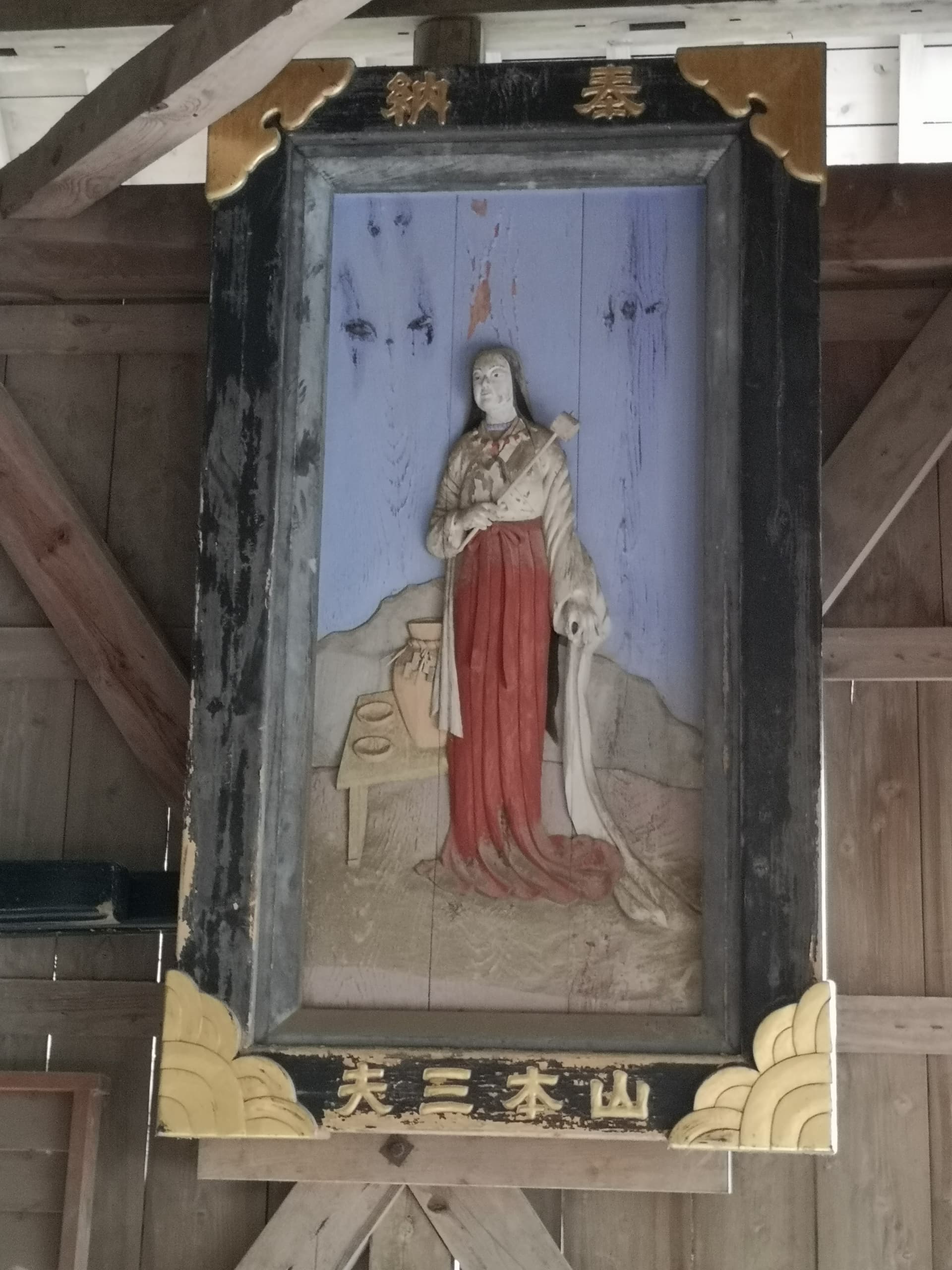
Toyoukehime-no-Mikoto, whose name carries the meaning of "Luxuriant Food Princess," is the Shinto kami of food, grain, and sustenance in Japanese mythology. She appears in the Kojiki under the name Toyouke-bime no kami, though she is notably absent from the Nihon Shoki. Originally venerated in Tanba Province, she is known by several alternative names and forms, including Toyouke-Ōmikami, Toyooka-hime, and Ōmonoimi.
According to tradition, during the reign of Emperor Yūryaku in the 5th century, Toyoukehime was summoned to take up residence at the Outer Shrine (Gekū) of Ise Grand Shrine, where her primary role is to offer sacred food to Amaterasu, the sun goddess. The Gekū remains one of the most sacred sites in all of Shinto, and a separate inner shrine called the Taka-no-miya is dedicated to her rough-spirit aspect (ara-mitama). She is also venerated as a secondary kami at Chōkaisan Ōmonoimi Shrine in Yamagata Prefecture.
Toyoukehime is closely associated with the bounty of the earth, embodying the vital connection between divine nourishment and human survival. A male-and-female pair of deities — Ōmonoimi and Toyooka-hime — are considered by some traditions to be manifestations of the same divine essence she represents, underscoring her broad influence over food, fertility, and the prosperity of the land.
3 places