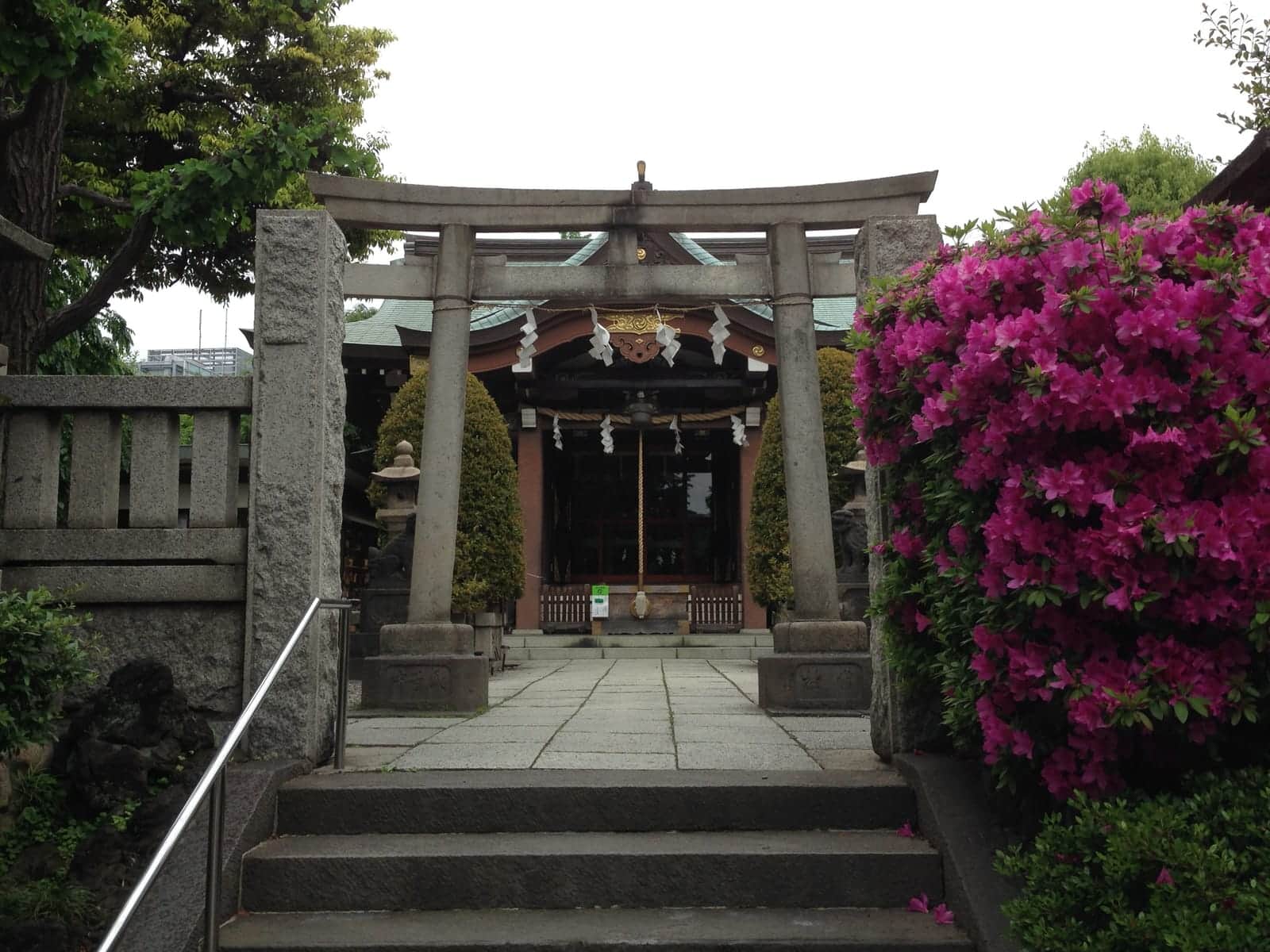
God of longevity and wisdom
Jurōjin is one of the Seven Gods of Fortune in Japanese mythology, revered as a deity of longevity and wisdom. He is said to have lived for 1,500 years, and worshippers seek his blessing for a long, safe, and happy life. His origins trace back to the Chinese Taoist tradition, where he is associated with the Old Man of the South Pole, identified with the star Canopus and considered the personification of that celestial body.
He is typically depicted as a small, elderly man with a long white beard and an elongated bald head, carrying a tall staff and a fan. A scroll tied to his staff is said to record the lifespan of all living things, and is sometimes interpreted as a Buddhist sutra. Long-lived creatures such as the deer, the crane, and the tortoise accompany him as symbols of longevity, and he is also shown holding a peach of immortality and carrying a gourd said to contain an elixir of eternal life.
Jurōjin is closely associated with Fukurokuju, another of the Seven Gods of Fortune, and in some traditions the two are regarded as sharing the same divine body. He was introduced into Japanese artistic tradition by Zen Buddhist painters and became a popular subject of ink wash painting from the Muromachi through the Edo period, with notable works by masters such as Sesshū and Maruyama Ōkyo. Unlike some of his counterparts among the Seven Gods, Jurōjin never developed an independent cult following in Japan.
5 places