God of fishermen, luck, and business success
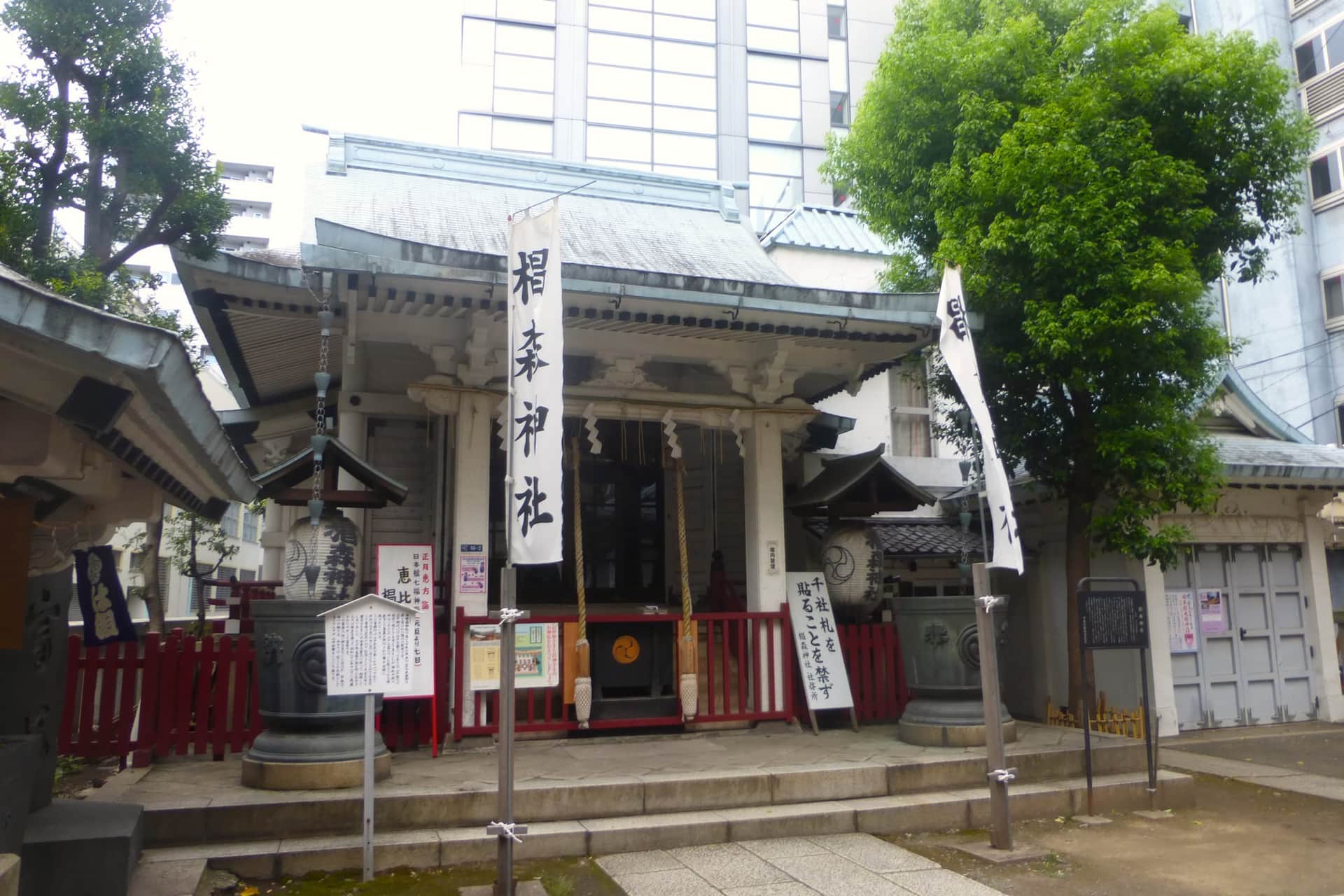
Ebisu is one of Japan's most beloved deities, revered as the god of fishermen, good fortune, and commercial prosperity. He holds the unique distinction of being the only member of the Seven Gods of Fortune whose origins are entirely Japanese, untouched by Buddhist or Taoist influence.
He is typically depicted wearing a traditional hunting robe, holding a fishing rod in his right hand and cradling a sea bream under his left arm — symbols of abundance and joyful celebration. As a patron of both tradesmen and fishermen, Ebisu is widely worshipped across Japan in shrines dedicated to wealth and business success.
Ebisu is also identified with the divine figures Hiruko and Kotoshiro-nushi-no-kami in certain traditions. His association with drifting objects and whales reflects an older layer of coastal folk belief in which great things arriving from the sea were regarded as sacred gifts.
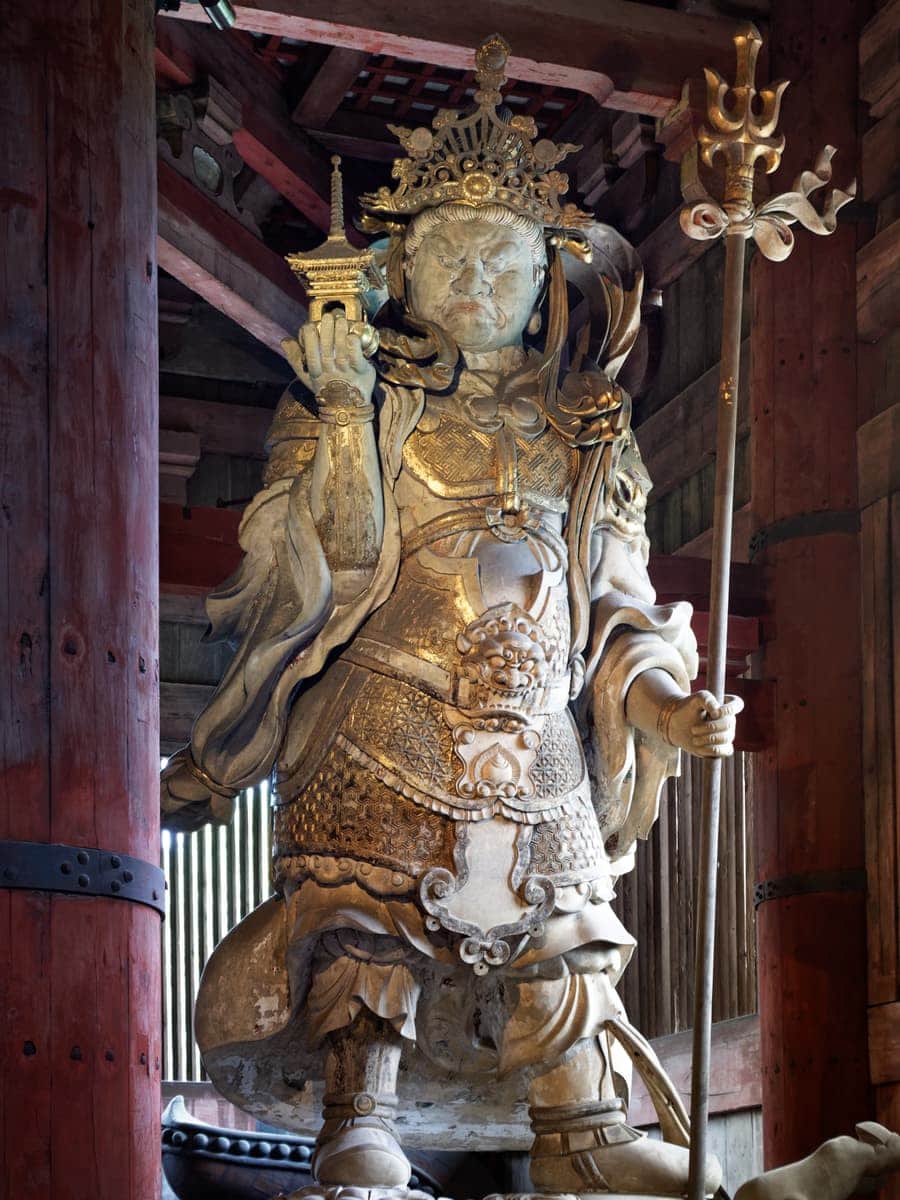
Deity of protection, war, and wealth
Buddhist