Zulassung
- Adult (18+)Frei
Auf einen Blick
Monks have walked in circles around the Amida Buddha here for over 1,200 years without interruption, chanting prayers continuously during the Jogyo-zammai meditation practice.
The current building survived a devastating fire in 1436 but was completely rebuilt in 1453, then underwent major restoration again from 1960 to 1963.
Das tempel bietet Goshuin an, aber wir haben noch keine Fotos. Seien Sie der Erste, der Ihren Beitrag teilt!
Visit between April and October when the hall is open 9:00-17:00, as winter hours (November-March) close at 16:00 and the gates shut 30 minutes before closing time.
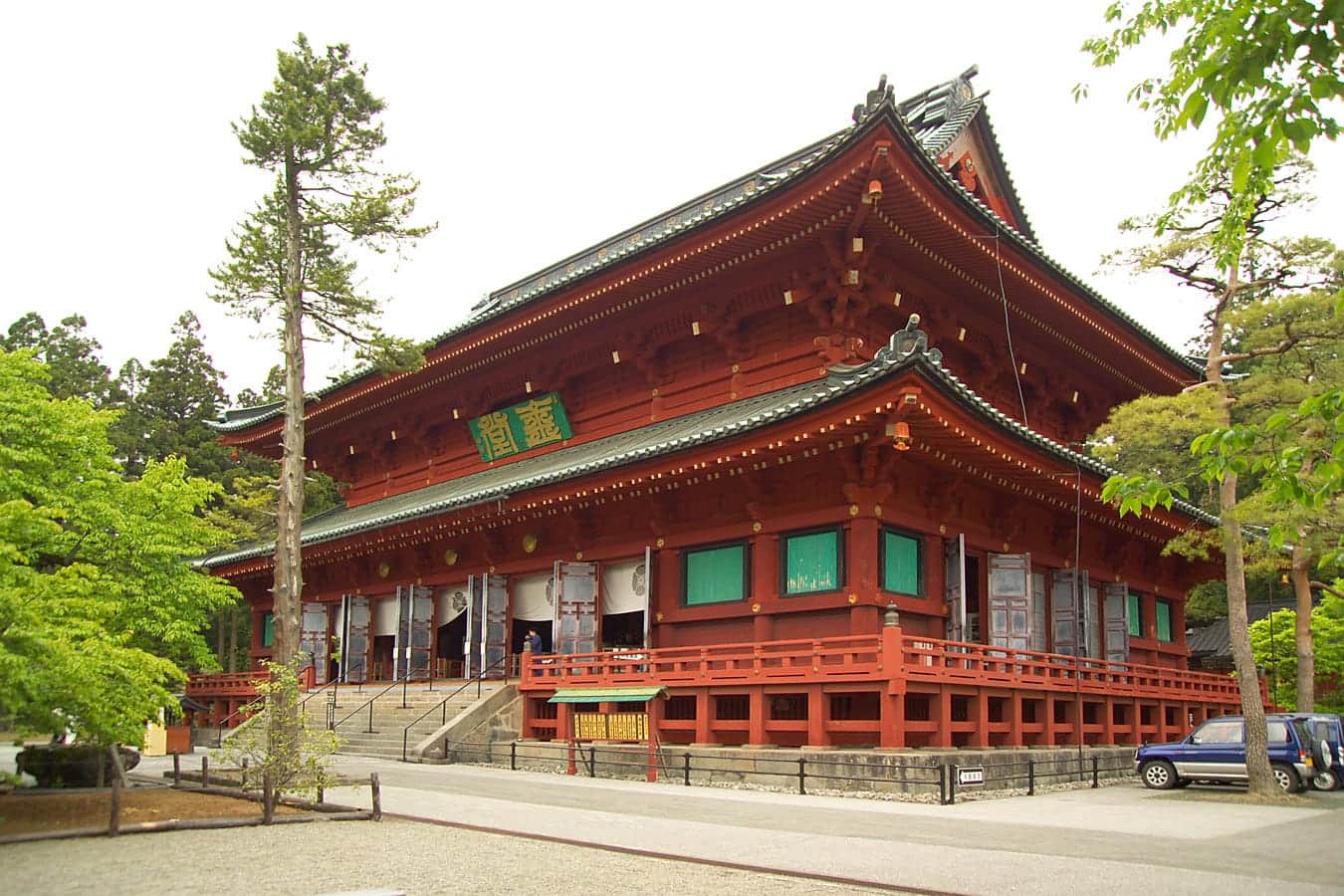
Plan to spend 20-30 minutes here, as the hall itself is compact. The interior features a striking 3.6-meter azure altar with a seated Amitabha statue at its center, which you can view from the entrance, but the space doesn't require extended exploration unless you're attending a ceremonial performance.
Admission to worship the hall is free, though credit cards are not accepted if any donation is requested. Bring cash in small denominations if you wish to make an offering at the altar.
Understand that Jogyo-do is an active training hall where monks practice Jogyo-zammai, a continuous meditation ritual involving walking around the Buddha while chanting.
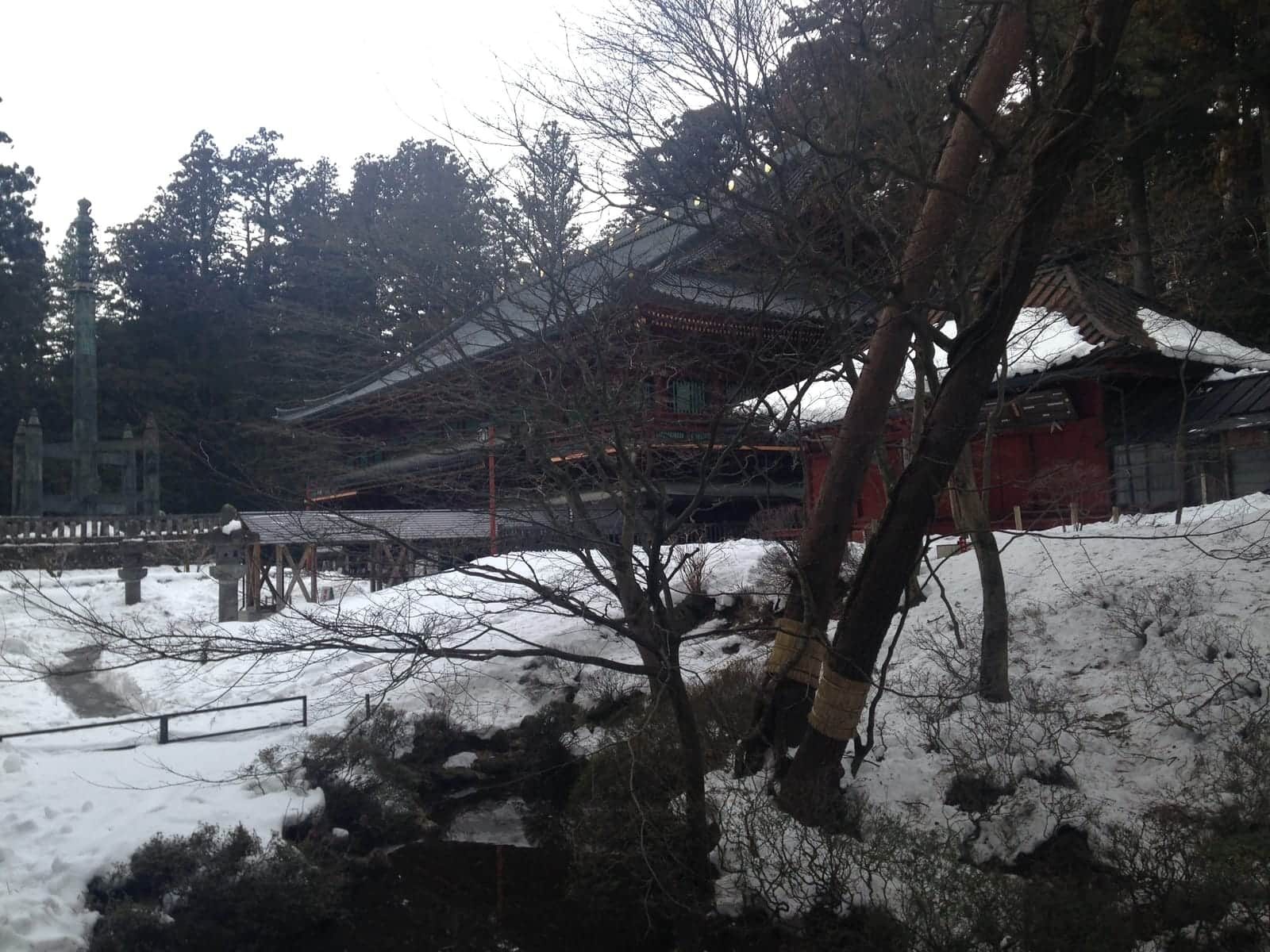
The hall is connected to the adjacent Hokke-do by a narrow bridge, creating an unusual conjoined structure that's visually striking from outside.
The Joroku-Amida-Nyorai statue enshrined here was carved in 1005 by a disciple of the temple's founder and is designated a National Important Cultural Property.
Saisonale Feste und besondere Anlässe
Nikko, Tochigi Präfektur
3 aktuelle Beiträge
Teilen Sie Ihren Besuch, um anderen Reisenden zu helfen.
 HS
HSHaru Sakurai hat ein Goshuin geteilt
HSHaru Sakurai hat ein Goshuin geteilt
HSHaru Sakurai hat ein Goshuin geteilt
Unter 300 m Unter 600 m
Fahrplandaten: Public Transportation Open Data Center
Für die Ausleihe sind die Anbieter-App und eine japanische Telefonnummer erforderlich. docomo-Tagespässe gibt es in Convenience Stores. Datenquellen
Vergünstigte Pässe für die An- und Weiterreise.
Unlimited buses between Nikko and Lake Chuzenji for 2 days. Sold at Tobu-Nikko Station.
Unlimited rides on Nikko World Heritage area buses for one day (single ride ¥350). For Toshogu, get off at the Omotesando stop.
Unlimited buses between Nikko and Yumoto Onsen for 2 days. Sold at Tobu-Nikko Station.
Round trip Asakusa to Nikko plus unlimited World Heritage area buses. The limited express supplement (¥1,450 to ¥2,140 each way) is not included. JR passes are not valid on Tobu trains.
Weitere passende Seiten zu diesem Ort.