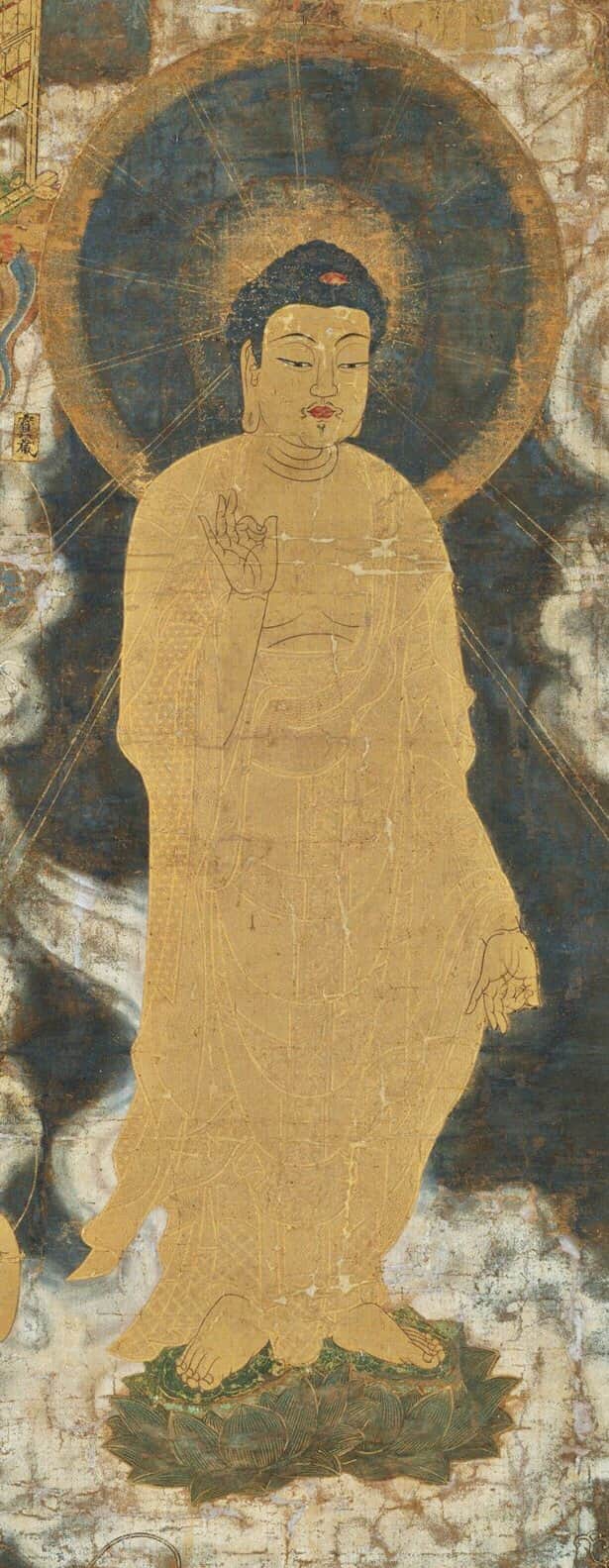
Goeidō
HaupthalleWhat's this?
Auf einen Blick
The temple burned down four times during the Edo period. After the devastating 1864 fire during the Kinmon incident, rebuilding didn't start until 1879 due to political turmoil from the Meiji Restoration.
Locals affectionately call the two Hongan-ji temples 'Onissan' (Honorable Mr. West) and 'Ohigashisan' (Honorable Mr. East), treating them like friendly neighbors rather than grand religious institutions.
Das tempel Angebote 2 verschiedene Goshuin-Designs
Wie die Öffnungszeiten
Regulär
Regulär
¥1.000
Ausstattung
An diesem heiligen Ort werden die göttlichen Geister verehrt
12 Strukturen auf dem Gelände

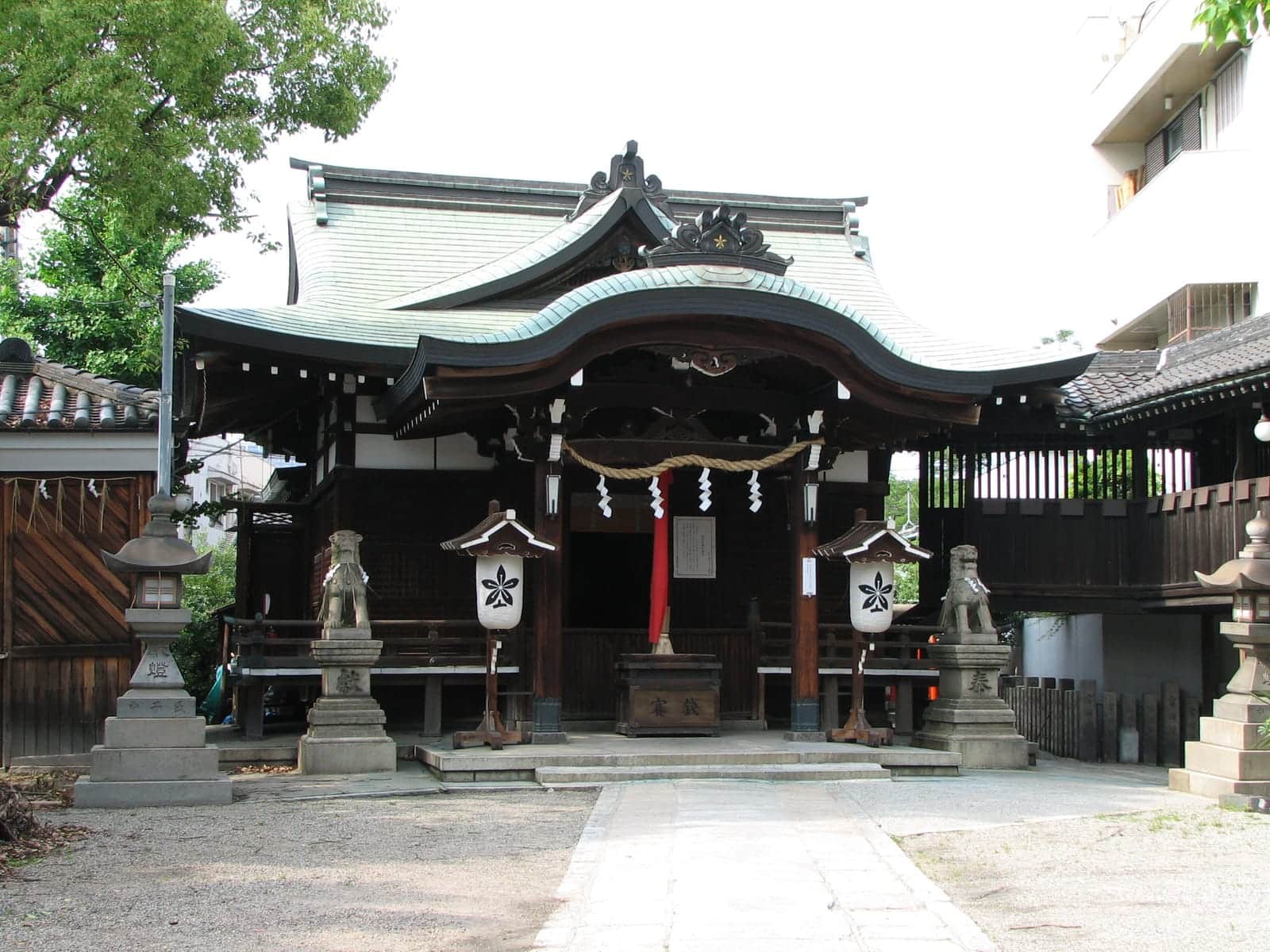

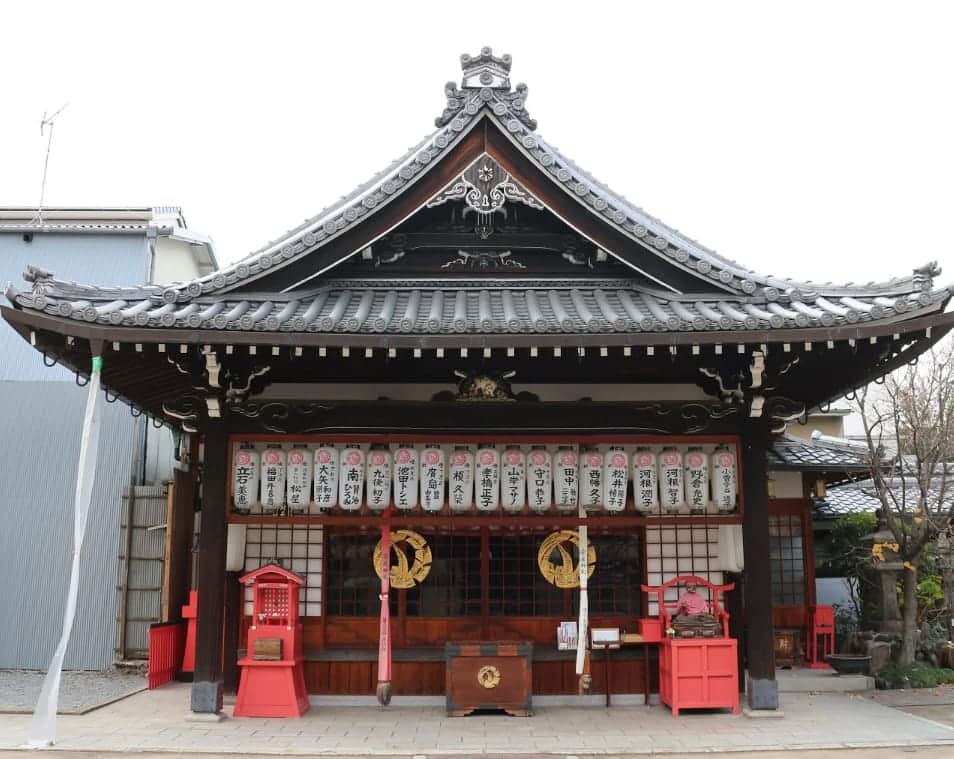
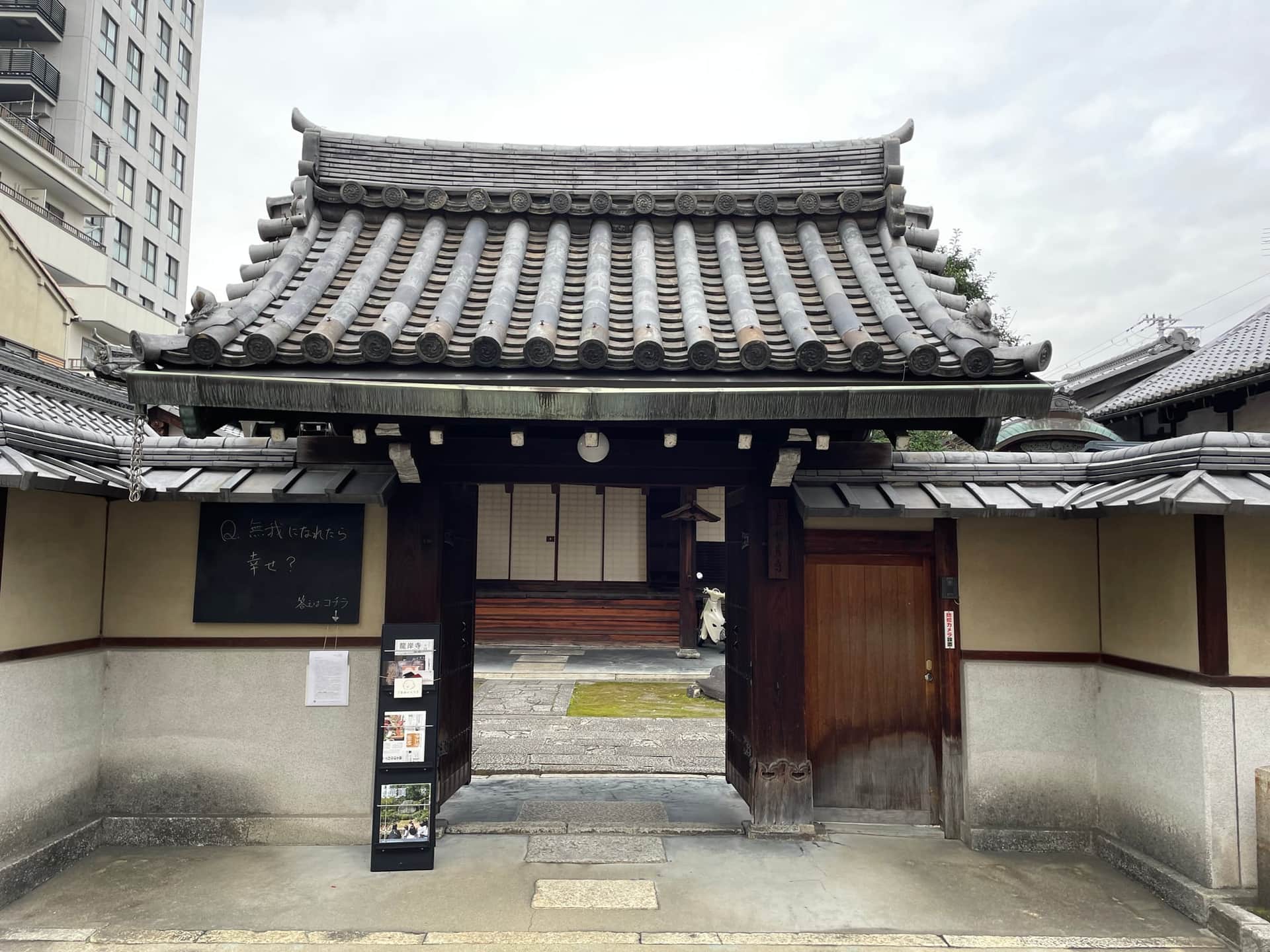
Nicht bestätigt
Shimogyo, Kyoto Präfektur
Weitere passende Seiten zu diesem Ort.
Unter 300 m Unter 600 m
Für die Ausleihe sind die Anbieter-App und eine japanische Telefonnummer erforderlich. docomo-Tagespässe gibt es in Convenience Stores. Datenquellen
Was dieser Ort der Überlieferung nach gewähren soll
9 aktuelle Beiträge
4.7
3 Bewertungen
Higashi Honganji ist der Haupttempel der Jodo Shinshu Otani-Sekte, etwa fünf Gehminuten vom Bahnhof Kyoto entfernt. Der Eintritt zum Tempelgelände ist kostenlos, und der Tempel zieht unter der Woche eine Mischung aus Touristen und einheimischen Gläubigen an. An Wochenenden wird manchmal in der Nähe des Tores ein kleiner Markt aufgebaut.
Die beiden Hauptgebäude, die Goei-do (Gründerhalle) und die Amida-do, sind als wichtige Kulturgüter ausgewiesen und selbst nach japanischen Tempelmaßstäben gewaltig. Die Goei-do gilt als eines der größten Holzgebäude der Welt.
 MR
MRMichael Ridinger hat eingecheckt
Higashi Hongan-ji
Shimogyo, Kyoto
Tomas Llaneza hat eingechecktStandort bestätigt
Higashi Hongan-ji
Shimogyo, Kyoto