参观费用
尚未确认
概览
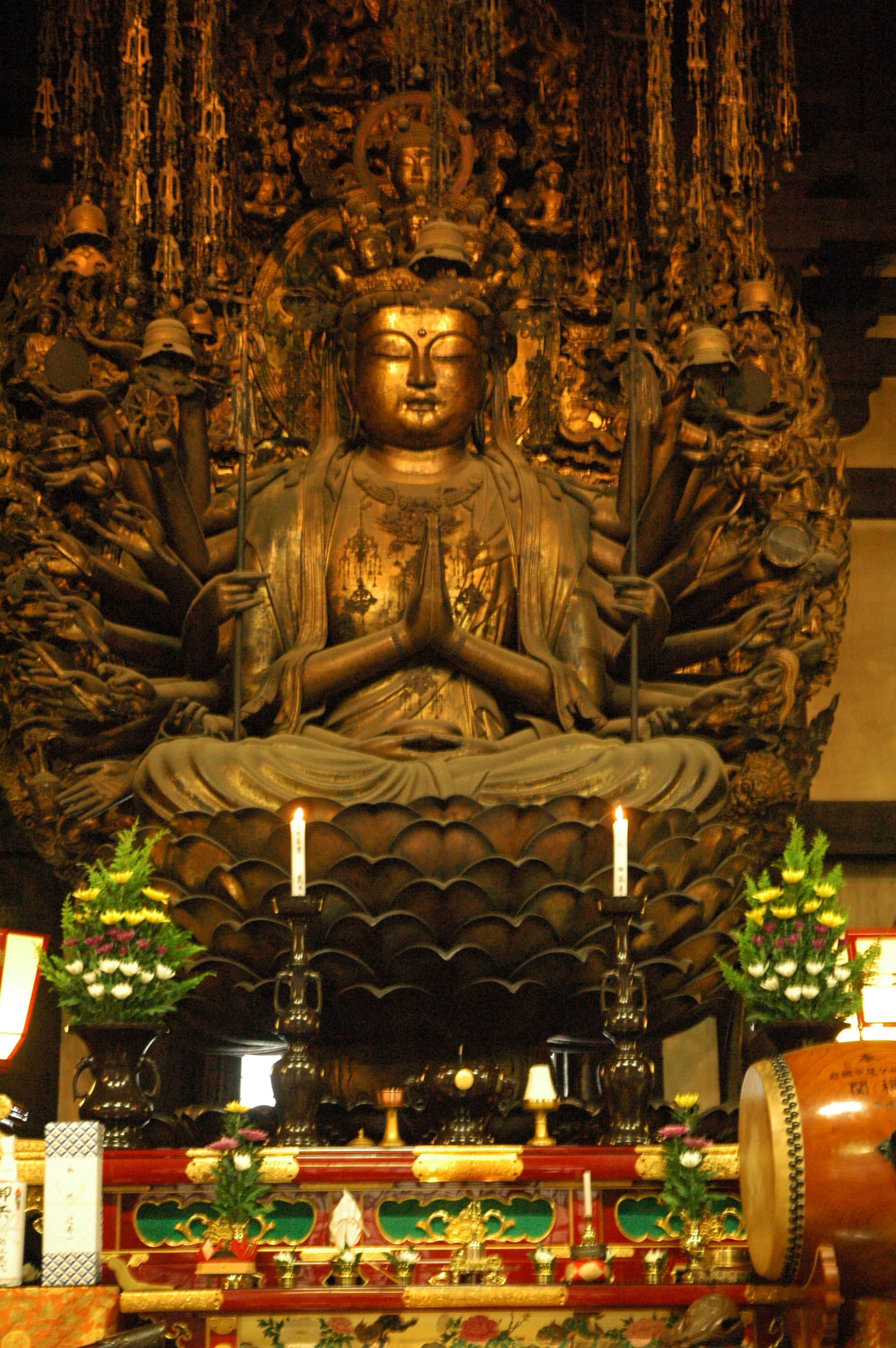
A famed Edo-period magistrate named Ooka Echizen enshrined this temple's deity in his own home before it moved to Akasaka in 1887, making it one of Japan's rare temples born from a samurai's private devotion.
During Japan's Meiji era persecution of Buddhism, this temple survived by claiming its main deity was Buddhist (Dakini-Shinten) rather than Shinto, a clever religious strategy that allowed it to thrive.
此 寺院 提供 1 款不同的御朱印设计
与开放时间相同
通常
尚未确认
设施与服务
Get your goshuin (temple stamp) between 10am and 3pm if you want it handwritten by a monk; outside those hours only pre-printed versions are available. Plan your visit timing accordingly if collecting handwritten stamps is important to you.
Expect the temple to be busier on weekends and during lunch hours, but it opens at 6am on all days including holidays. Arriving before 8am gives you a quieter experience with the fox statues and votive offerings without the crowds of singers and TV personalities who visit for entertainment industry blessings.
Visit the Yuzu Inari Sonten shrine and pick up a 10-yen coin said to bring financial luck when kept in your wallet. If your wish comes true, return the following year with the coin plus added interest as a token of gratitude, which is a meaningful local tradition.
Bring cash if you want to make offerings or purchase items like the lucky 10-yen coins and votive flags, as some smaller shrines and vendors on the grounds may not accept cards.
神圣的灵魂在这个神圣的地方受到崇敬
六本木, 东京都 县
据信此地能赐予的福佑
0 条最新帖子
分享你的参访体验,帮助其他旅行者。
暂无公开社区帖子。
与此地点相关的更多页面。


300米以内 600米以内
时刻数据:公共交通开放数据中心

C3-12.赤坂センタービルディング前(青山通り)
docomo bike share
C3-02.赤坂地区総合支所
docomo bike share
C3-16.赤坂ガーデンシティ
docomo bike share
租借需要运营商的应用程序和日本手机号码。docomo 单日券可在便利店购买。 数据来源