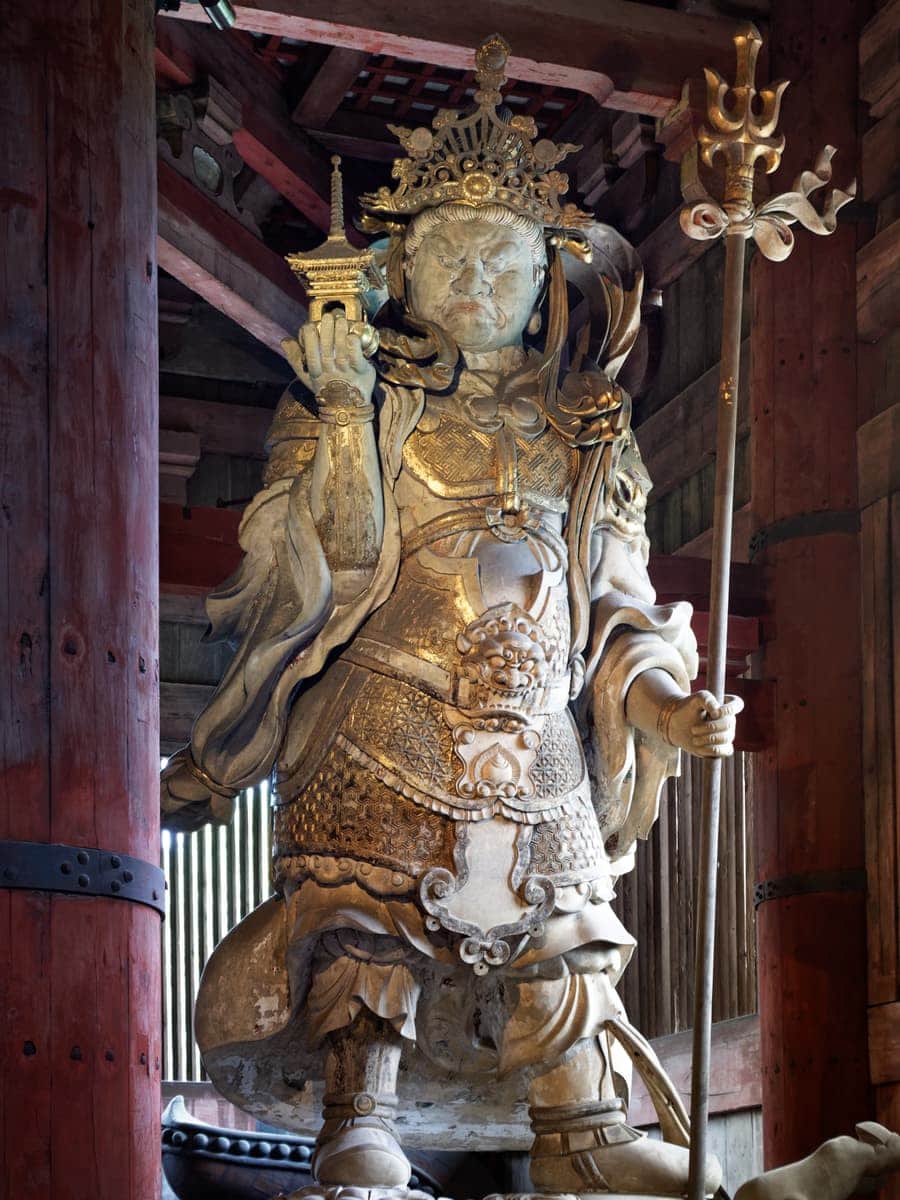
该神社位于日本桥七福神巡礼路线上,供奉胜利与避灾之神Bishamonten。如果您感兴趣,可以收集全部七座神社的印章。
概览
神社的名字来源于1675年整修期间发现的一把'chūkei'(折扇)。由于扇子向末端逐渐变宽,因此被称为'suehiro'(末广 末広),象征着繁荣和好运。
这座神社曾服务于1657年大火前位于人形町的吉原游廓。吉原迁至浅草后,当地居民仍继续在此参拜,将其作为守护神社。
此 神社 提供御朱印,但我们还没有照片。欢迎成为第一个分享的人!
该神社位于日本桥七福神巡礼路线上,供奉胜利与避灾之神Bishamonten。如果您感兴趣,可以收集全部七座神社的印章。
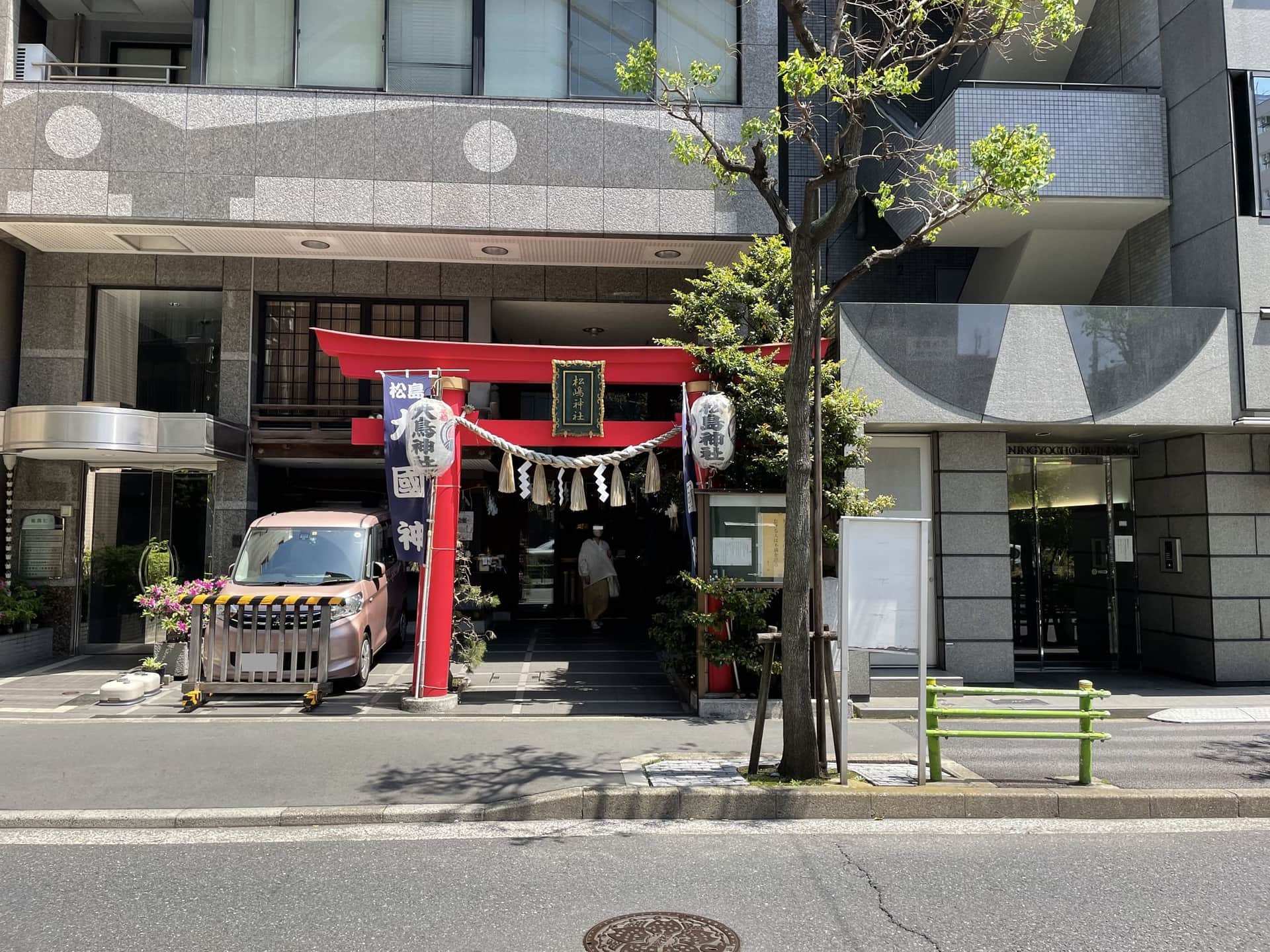
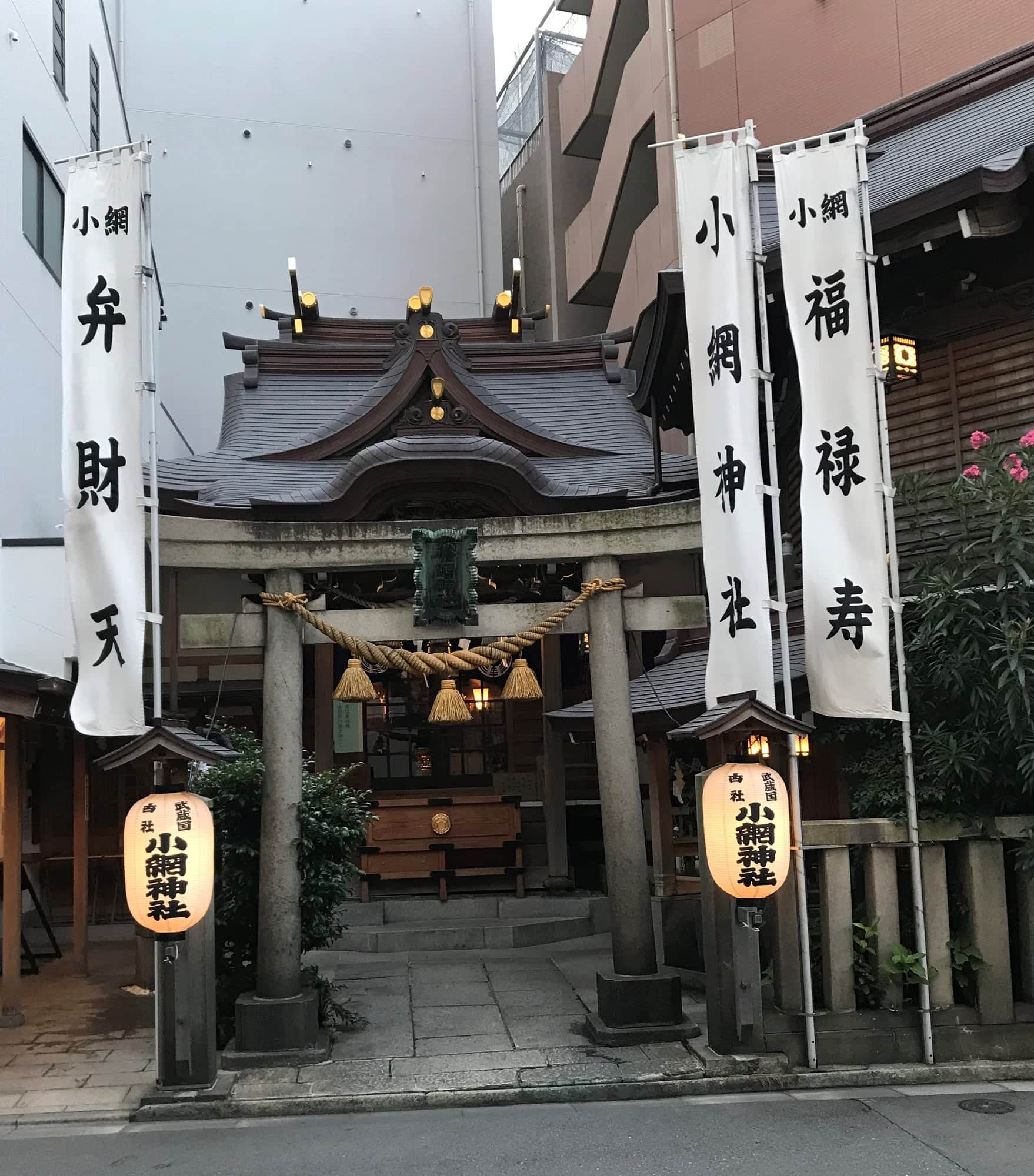
神社隐藏在主街旁的狭窄小巷中,位于建筑物之间的狭小空间内,因此在游览Nihonbashi地区时请仔细寻找入口,很容易错过。
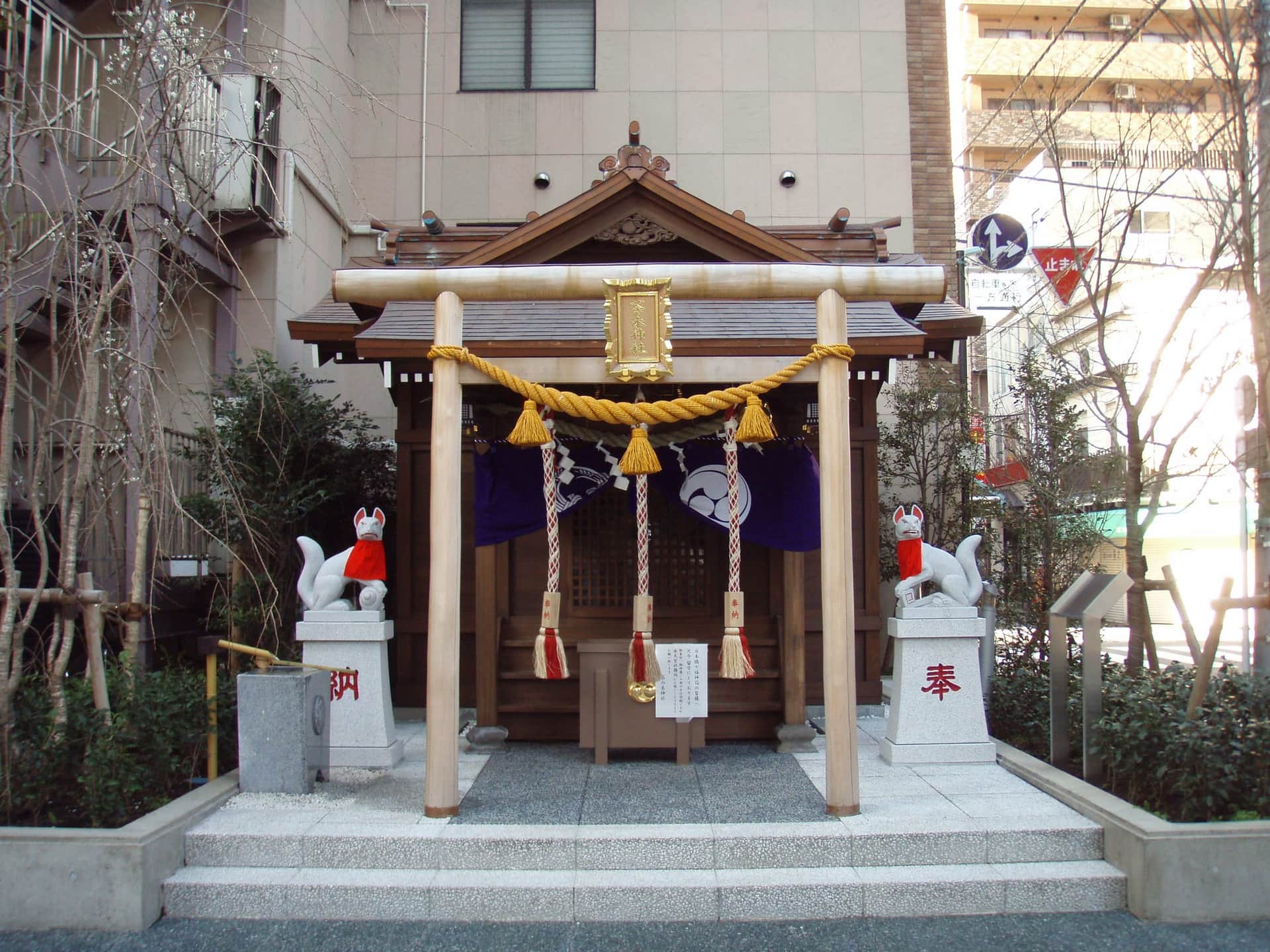
参观院内的小型Yomoyo Inari神社,供奉着一位真实存在的江户时代助产士,她救助被遗弃的儿童并照顾职业母亲的婴儿,对祈求女性和儿童福祉的人们具有特殊意义。
御朱印帳无法提供现场书写服务,您将收到预先书写好的书法纸条,工作人员会为此致歉,但书法精美,仍是值得珍藏的纪念品。
神社办公室营业时间有限,晚上可能会关闭,但如晚间到访的游客所述,即使办公室关闭后,院内仍然灯光明亮,可以参拜。
神圣的灵魂在这个神圣的地方受到崇敬
参观时间
15-30 分钟
300米以内 600米以内
时刻数据:公共交通开放数据中心
租借需要运营商的应用程序和日本手机号码。docomo 单日券可在便利店购买。 数据来源
据信此地能赐予的福佑
1 条最新帖子
分享你的参访体验,帮助其他旅行者。
Tony Florence 签到了
Suehiro Jinja
Chuo, Tokyo