
Templo
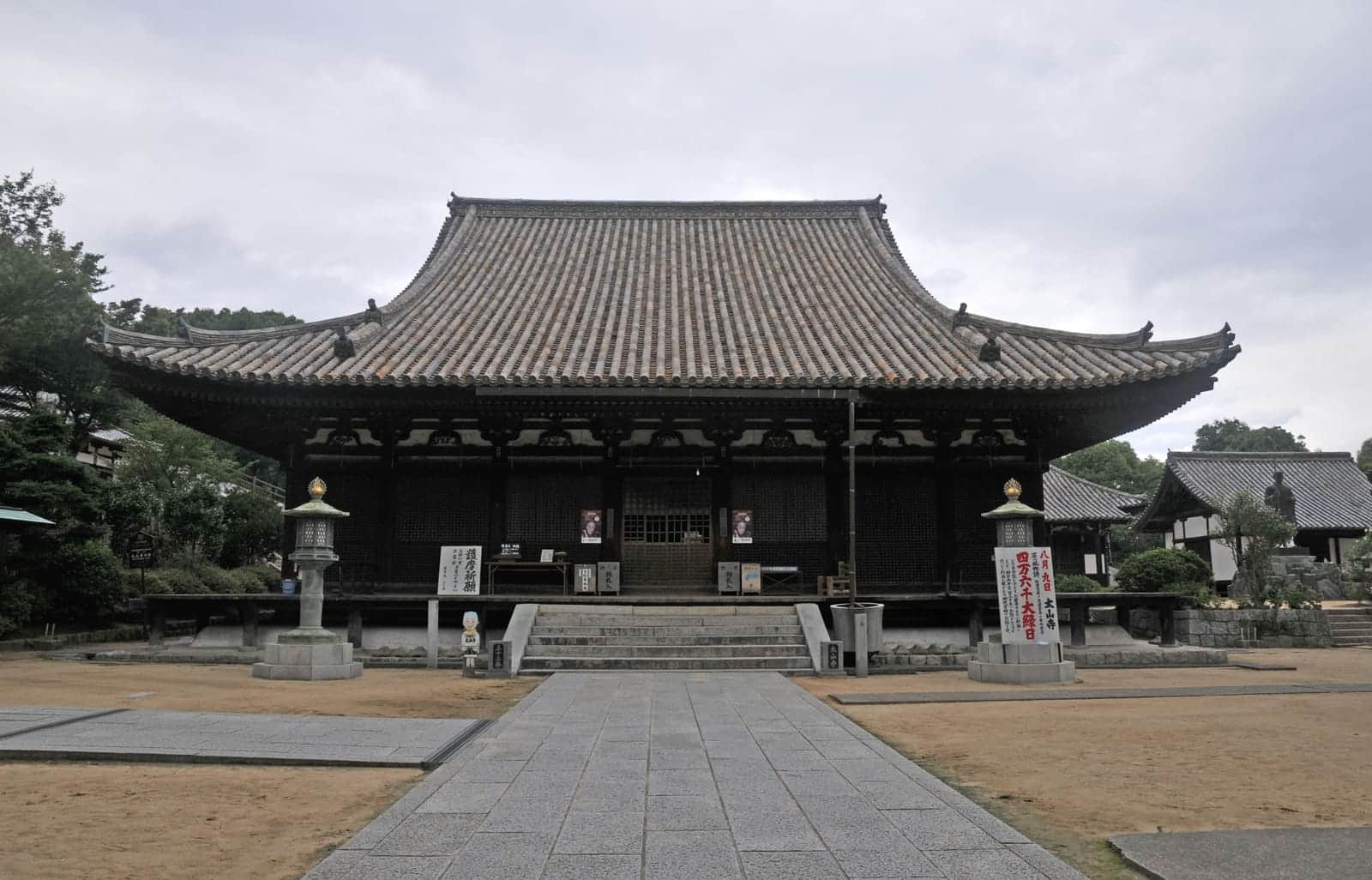
Taisan-ji
Matsuyama•2.4km(30 min a pe)
Resumo
The daishi-do hall bristles with elaborate tile dragons and a rare winged beast over the porch. Legend says the dragon's eyes glow when it spots someone with bad intentions.
The temple houses the oldest surviving copper name slip on the Shikoku Pilgrimage, discovered in 1924 by an American professor. It's the first documented use of the word 'henro' (pilgrim).
Igual ao horário de funcionamento
Este templo oferece goshuin, mas ainda nao temos fotos. Seja o primeiro a compartilhar!
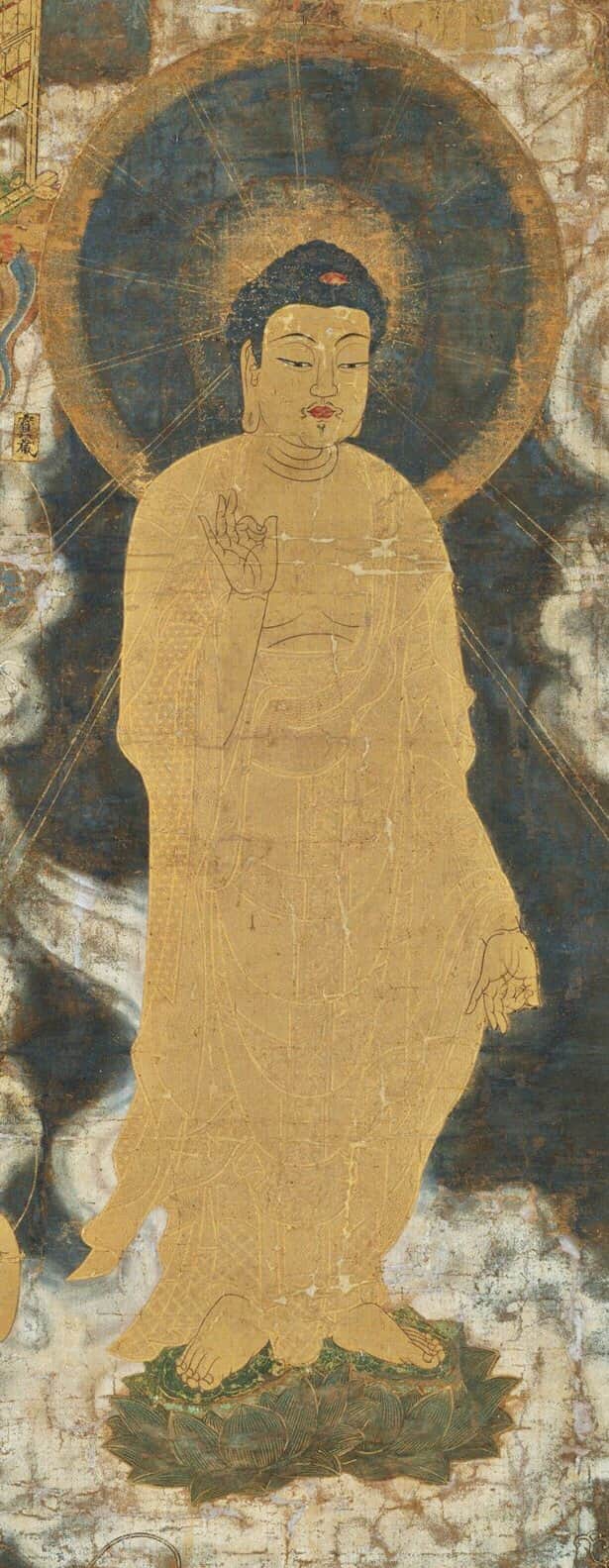
Os espiritos divinos venerados neste local sagrado
Divindade Principal
Celebracoes sazonais e ocasioes especiais
Kirishitan Stone Lantern
A highlighted stone lantern associated with hidden Christian worship at the temple.
Dragon by Hidari Jingoro
A 5-meter-long dragon carving highlighted as a notable temple feature.
Kannondo
A hall housing a Juichimen Kannon statue and noted for a Keicho-era pedestal inscription.
Não confirmado
Mais paginas relacionadas a este lugar.
O que se acredita que este lugar concede
Menos de 300 m Menos de 600 m
Matsuyama, Ehime Provincia
0 publicações recentes
Compartilhe como foi sua visita para ajudar outros viajantes.
Ainda não existem publicações públicas da comunidade.

