오사카의 사찰과 신사
오사카의 중심 사찰, 동네 신사, 그리고 간편한 교통을 연결한 2일 오사카 루트로 도시 여행을 쉽게 계획할 수 있습니다.
- 2일
- 9곳
- Osaka
이 여정 소개
난바, 텐노지, 텐만구, 그리고 오사카 중심부를 지나는 음식 친화적인 오사카 사찰과 신사 경로입니다.



교통 지갑
이 경로는 IC 카드를 이용하세요
이 일정의 이동에 알맞은 간편하고 합리적인 결제 방법입니다.
- 예상 교통비
- ¥570
- 권장 시작 잔액
- ¥1,000
일자별 일정
난바와 덴노지
- 4곳
- 관람 포함 약 232분
- 교통비 약 ¥0
난바 야사카 신사
NaniwaThe first thing that catches your eye at Namba Yasaka Jinja is not a gate or a main hall, but a colossal lion-headed stage with a mouth wide open as if it is about to swallow the bad luck of the city itself. That dramatic structure has made this Shinto shrine one of Osaka’s most photographed landmarks, yet the atmosphere on the grounds is often unexpectedly calm, almost intimate, especially compared with the noise and density of nearby Namba. Located in the heart of Osaka, only about 355 meters from Daikokucho Station and roughly 588 meters from Namba Station, this shrine pairs an unusual postwar identity with older devotional traditions. Its principal deity is Susanoo, and its reputation centers on protection, victory, and good fortune, especially for people hoping to overcome obstacles in business, examinations, or daily life. Historical Foundations The shrine’s modern appearance is inseparable from the destruction it suffered during wartime and its subsequent rebuilding. The grounds you see today reflect a postwar reconstruction, which gives the site a distinctly modern chapter in the middle of Osaka’s older urban fabric. That history matters because it helps explain why the shrine feels both traditional and strikingly contemporary. The rebuilt complex does not simply imitate the past. Instead, it presents a bold visual identity that has become part of its meaning. While the available sources emphasize the shrine’s reconstruction and present form more than its earliest origins, its enduring identity is rooted in devotion to Susanoo, a deity associated with purification, protection, and forceful divine intervention. In a dense urban district where commerce, entertainment, and transit converge, a shrine dedicated to victory and warding off misfortune fits the emotional rhythm of the neighborhood remarkably well. The shrine’s annual observances also show that it remains a living place of worship, not just a scenic stop for visitors. Architectural Mastery The defining feature of Namba Yasaka Jinja is the extraordinary lion-head stage, often described as the shrine’s signature sight. The structure is immense enough to dominate the grounds, and its open mouth is understood to swallow evil spirits while inviting good luck and victory. In practical visual terms, the design is unforgettable. The lion’s face is rendered in a way that is both stylized and theatrical, turning the stage into a symbolic guardian as well as a ritual space. What makes the architecture so effective is the contrast between this single dramatic object and the rest of the shrine’s more restrained setting. Around the grounds, visitors encounter the kinds of elements expected in a Shinto precinct, including prayer areas, stone lanterns, and shaded corners that slow the pace of movement. The overall effect is not sprawling or monumental in the classical sense. Instead, it is compact, concentrated, and memorable. The shrine’s grounds are also described as clean, well maintained, and easy to explore in a short visit, which suits the urban environment and the typical rhythm of Osaka sightseeing. Photographers are drawn to the lion stage because its scale and expression shift with the light. In strong daylight it reads as bold and graphic; in softer light it becomes more atmospheric. The open mouth creates a strong compositional frame, and the structure’s unusual presence makes it unlike the more familiar shrine forms seen elsewhere in Japan. It is precisely this difference that has helped the site gain such wide recognition on social media and in travel reviews. Religious & Cultural Significance The shrine is dedicated to Susanoo, a deity widely associated with purification, overcoming calamity, and asserting protection against harmful forces. That theological background fits neatly with the popular understanding of the lion stage, which is said to swallow evil spirits and bring good fortune, especially in business, examinations, and personal success. For visitors arriving with a wish for luck or a specific challenge in mind, the shrine offers a very direct symbolic focus. The lion structure is not just decorative. It functions as a visual distillation of the shrine’s spiritual promise. A particularly important ritual event is the annual tug-of-war ceremony held on the third Sunday of January. This detail gives the shrine a strong communal dimension and shows how its worship is tied to seasonal cycles of renewal and collective participation. The sources also suggest that the shrine can be especially crowded during New Year, when shrine staff and visitors concentrate in the grounds. That seasonal pattern is typical of major Shinto sites, but at Namba Yasaka Jinja it is amplified by the shrine’s urban setting and strong reputation for luck and success. The overall experience of devotion here is direct and accessible. Rather than requiring a long circuit of buildings or a large precinct to understand its meaning, the shrine presents its spiritual identity almost immediately. You see the lion, you understand the symbolism, and then you begin to notice the quieter spaces where prayer and reflection take place. Natural Setting & Environment Although the shrine sits in one of Osaka’s busiest districts, the atmosphere inside is often described as peaceful, quiet, and surprisingly serene. That contrast is part of its appeal. The city presses in from outside, but once you step into the grounds, the sound and pace soften. Visitors frequently mention that it feels like a calm pause from the surrounding shops and streets of Namba. The shrine’s environment is not dominated by vast gardens or deep woodland. Instead, its natural setting is defined by careful order, small pockets of shade, and the visual relief created by the open shrine grounds. The lion-head stage becomes even more dramatic against this modest backdrop. Seasonal changes still matter, though, because light, weather, and crowd density all alter the character of a visit. Early morning and winter weekdays are likely to be the quietest times, while holidays and New Year bring much heavier traffic. Visitor Experience & Heritage For the modern visitor, Namba Yasaka Jinja offers a rare combination of accessibility and distinctiveness. It is easy to reach, with Daikokucho Station about 4 minutes away on foot and Namba Station roughly 7 minutes away. The shrine is also close to Ashiharabashi Station, about 12 minutes on foot, making it straightforward to include in a wider Osaka itinerary. The site is small enough for a short visit, but memorable enough to linger in the mind long after. The shrine’s reputation is strong, reflected in a Google rating of 4.5 from nearly 14,890 reviews, and much of that praise centers on the same themes: the dramatic lion stage, the calm atmosphere, and the feeling that this is a place where urban intensity and spiritual quiet meet. Photography is allowed, and many visitors plan extra time to capture the lion structure from different angles. If your visit has a prayerful purpose, the best-known practice is to focus on the lion stage and its symbolism of victory and protection. There is also a practical rhythm to visiting here. The shrine is manageable, clearly laid out, and easy to take in without rushing. That makes it especially rewarding for people who want more than a photo stop. You can observe the architecture, consider the symbolism, and experience a place that has adapted to destruction, reconstruction, and modern urban life without losing its devotional core. In the end, what makes Namba Yasaka Jinja memorable is not simply that it is unusual, but that its strangeness feels purposeful. The giant lion is not an ornament pasted onto a shrine for effect. It is the visual expression of the shrine’s spiritual character, a guardian with an open mouth set in the middle of Osaka, ready to consume misfortune and make space for good fortune to enter.
예상 관람 시간 · 30분무료 입장6명이 방문함
- Namba Yasaka Jinja Imamiya Ebisu Jinja약 12분
이마미야 에비스 진자
NaniwaFounded in 600, Imamiya Ebisu Shrine is dedicated to Ebisu (Kotoshironushi), Osaka’s beloved deity of commerce, and becomes the focus of the lively Toka Ebisu festival each January.
예상 관람 시간 · 30분무료 입장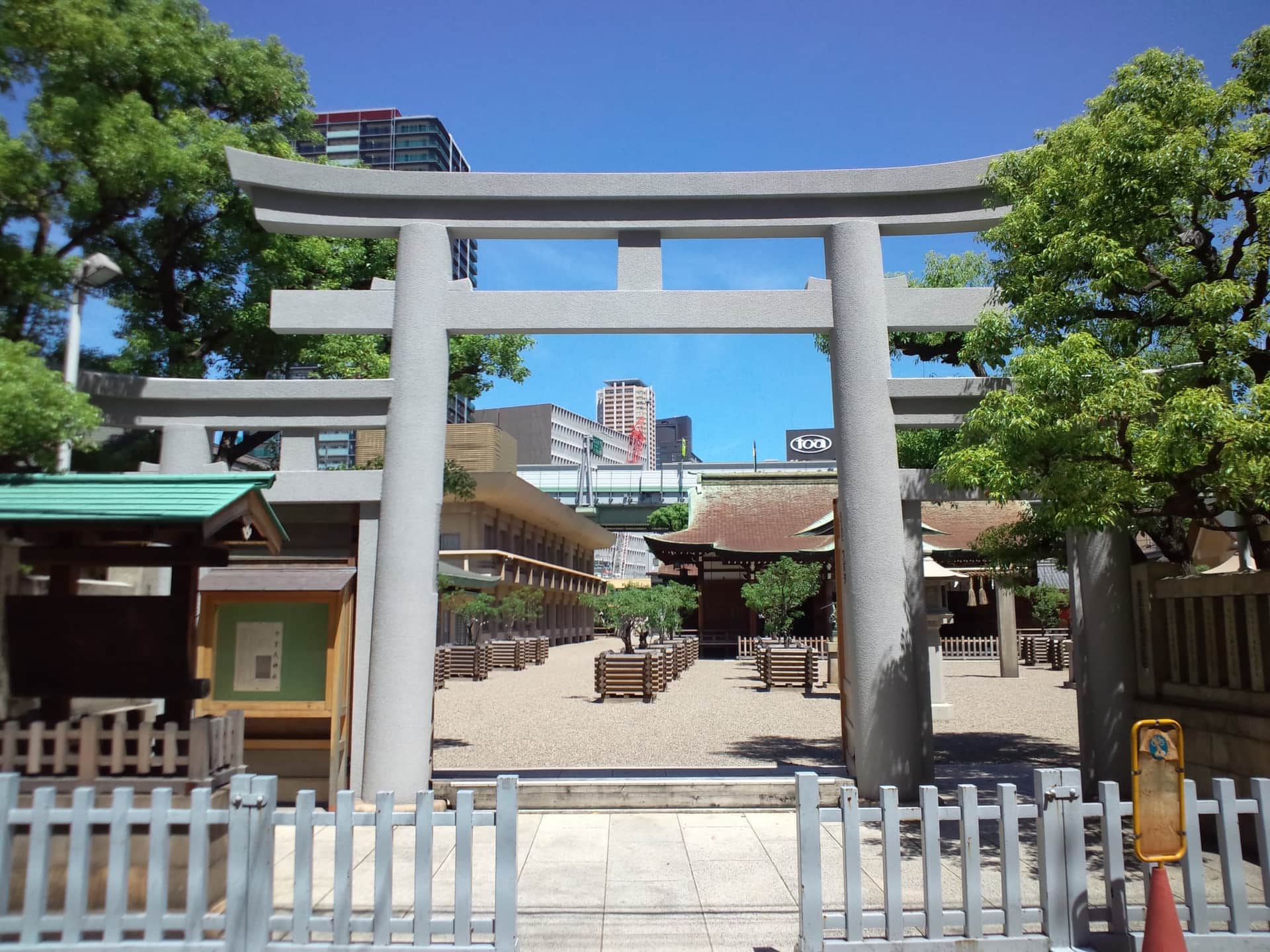
- Imamiya Ebisu Jinja Isshin-ji약 15분
일신지
TennojiIsshin-ji is a Jodo Buddhist temple founded in 1185 and known for its Okotsubutsu: Amida Buddha images created from the ashes of remains entrusted to the temple.
예상 관람 시간 · 45분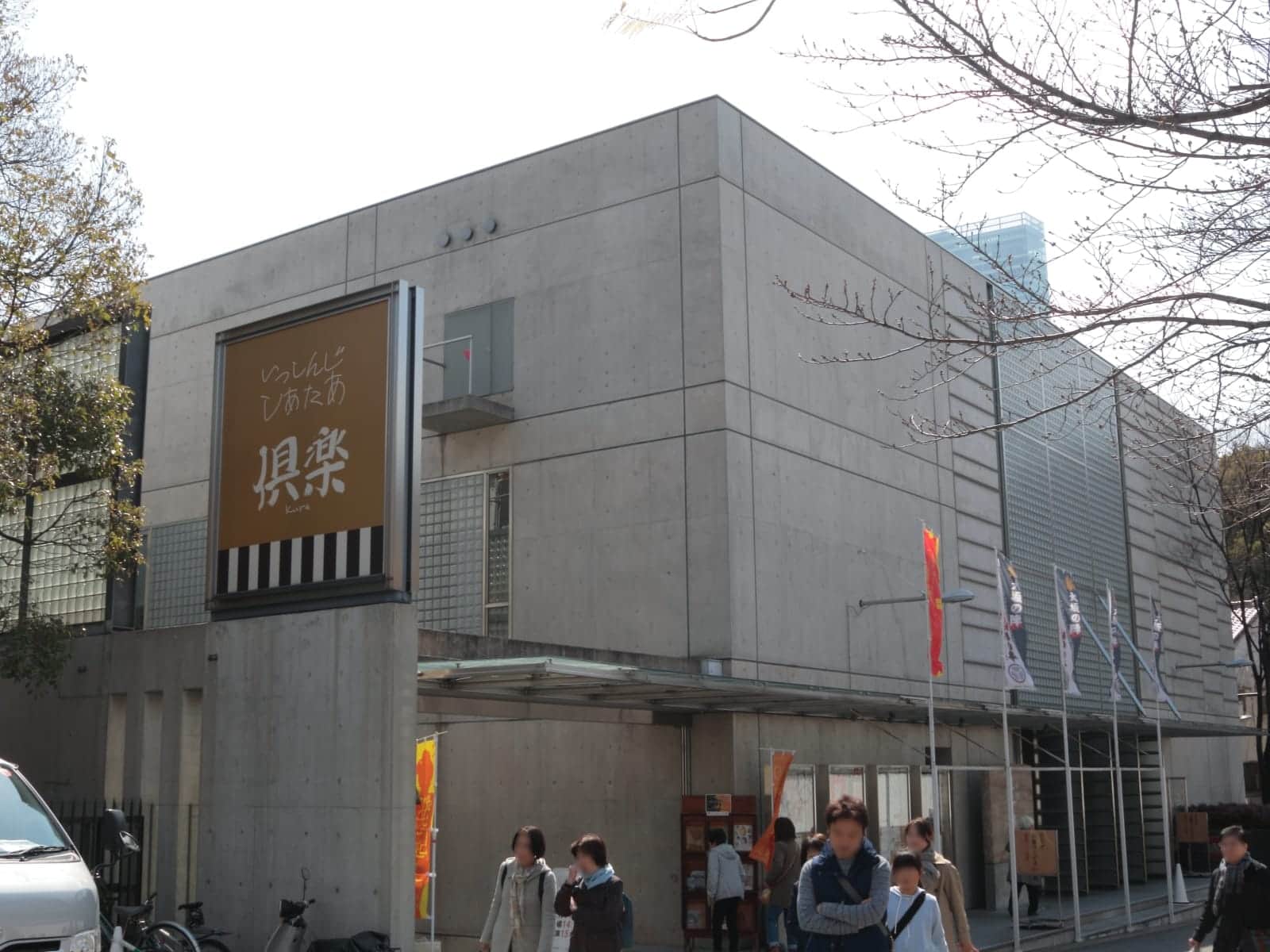
- Isshin-ji Shitenno-ji약 10분
시텐노지
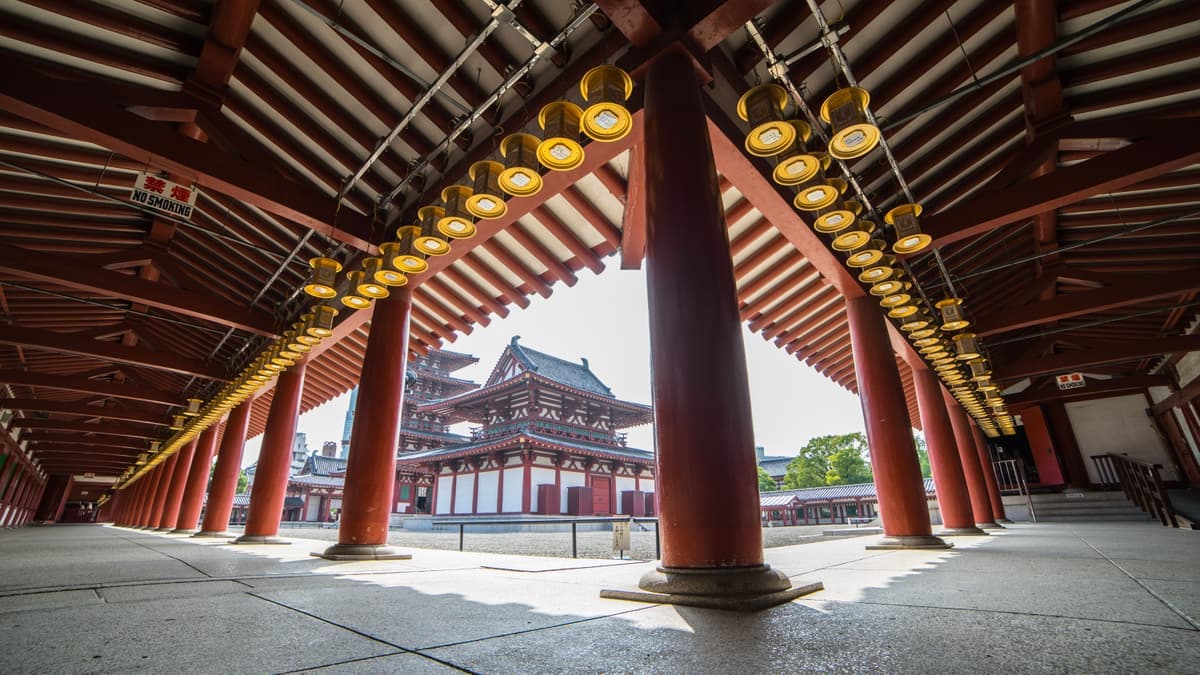
TennojiFounded by Prince Shotoku in 593, Shitenno-ji is regarded as Japan’s first state-sponsored Buddhist temple. Its reconstructed central precinct preserves one of the country’s earliest formal temple layouts.
예상 관람 시간 · 90분성인 입장료 · ¥500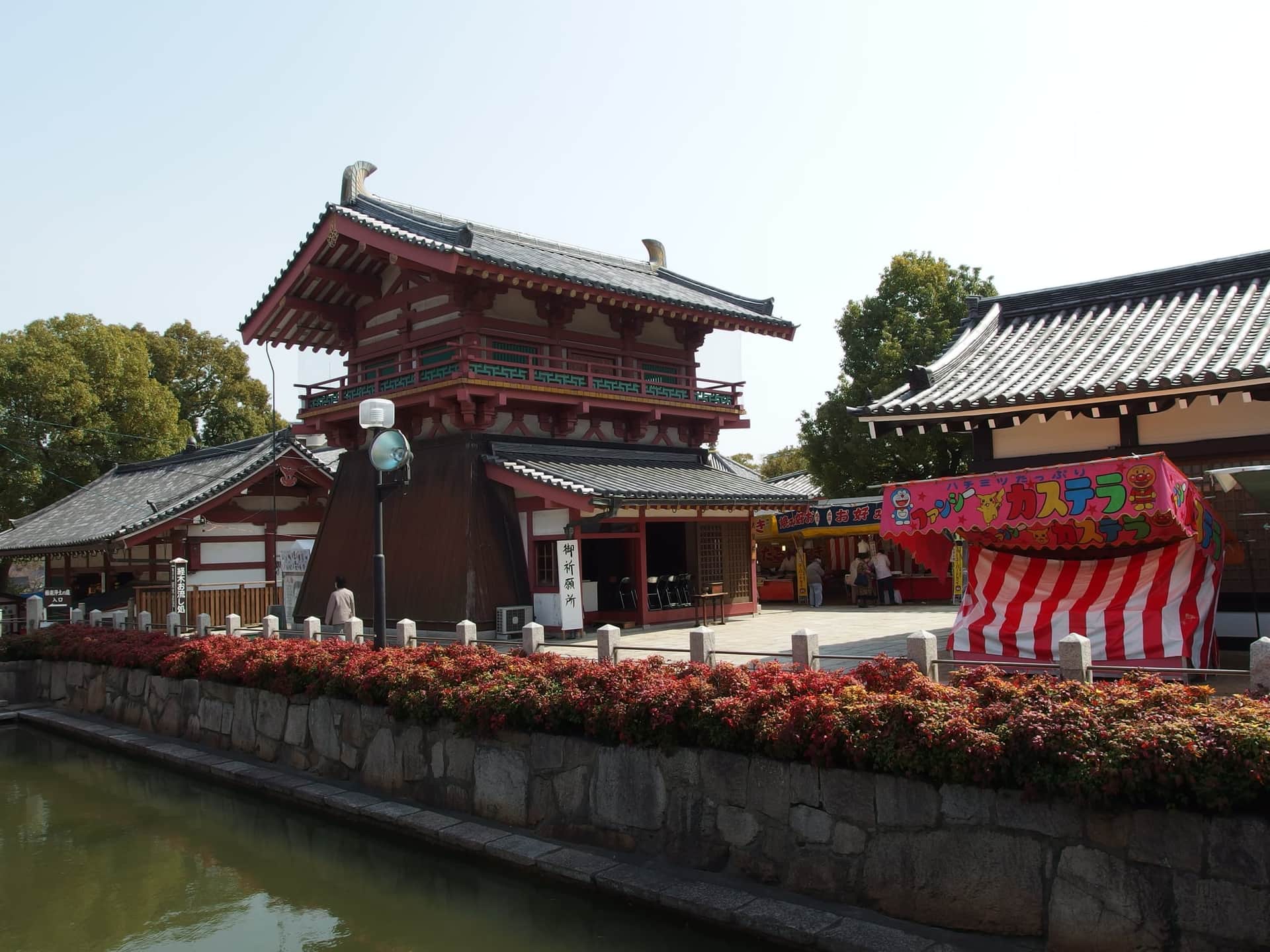
덴만구와 오사카 중심부
- 5곳
- 관람 포함 약 295분
- 교통비 약 ¥570
오사카 덴만구
KitaFounded in 949 and dedicated to Sugawara no Michizane, Osaka Tenmangu is a major shrine for scholarship and the home of the Tenjin Matsuri, one of Osaka’s best-known festivals.
예상 관람 시간 · 45분무료 입장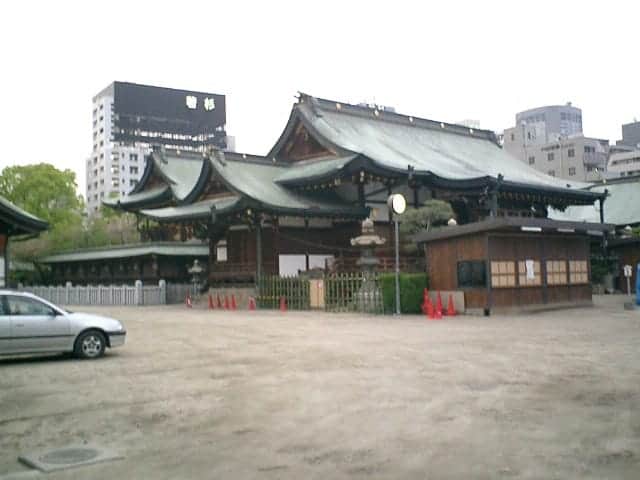
- TanimachiTMinamimorimachiT23Tanimachi-Yonchome
약 25분 · 약 ¥190
Walk from Tanimachi-Yonchome Station to Hokoku Shrine in Osaka Castle Park.
오쿠니누시샤
Osaka CastleHokoku Shrine, inside Osaka Castle Park, enshrines Toyotomi Hideyoshi, Hideyori and Hidenaga. The grounds also include Hidesekitei, a 7-5-3 stone garden designed by Mirei Shigemori.
예상 관람 시간 · 45분14명이 방문함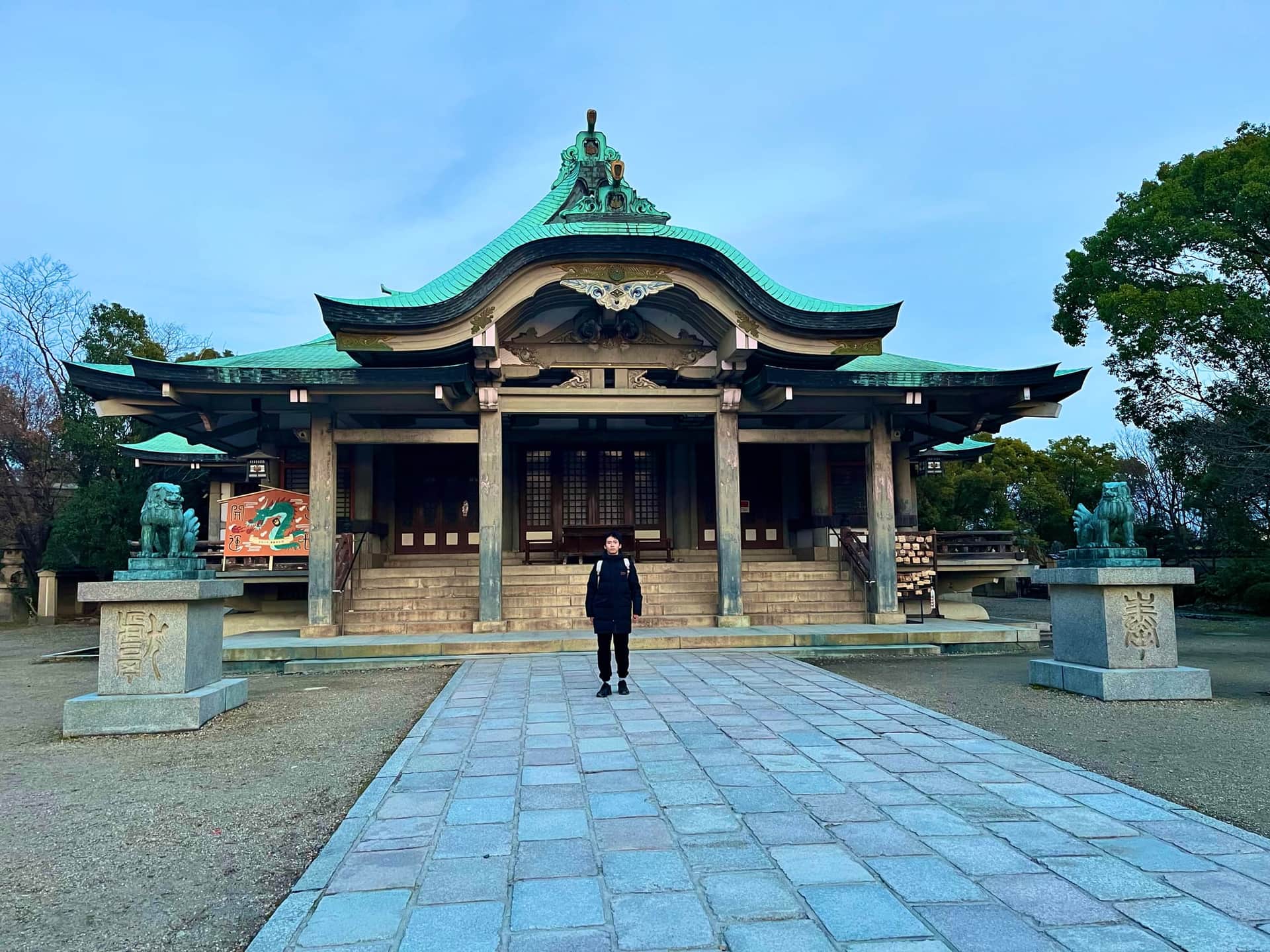
- Hokoku Shrine Tamatsukuri Inari Jinja약 15분
다마츠쿠리 이나리 신사
TamatsukuriTamatsukuri Inari Shrine has long-standing ties to Osaka Castle and to the area’s ancient magatama bead makers. Its grounds include a torii donated by Toyotomi Hideyori and a small museum.
예상 관람 시간 · 30분무료 입장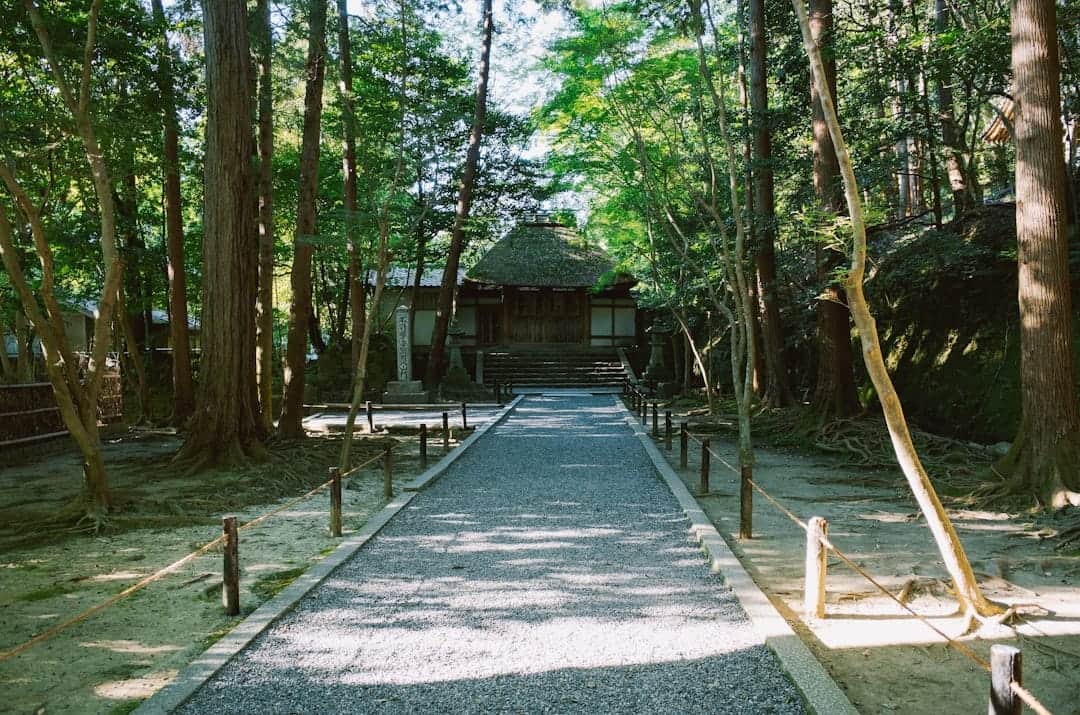
- Nagahori Tsurumi-ryokuchiNN19TamatsukuriT25Tanimachi-Kyuchome
약 25분 · 약 ¥190
Change to the Tanimachi Line at Tanimachi-Rokuchome.
이쿠타마 진자
TennojiOverview Ikukunitama Jinja is the English display name for 生國魂神社, a historic Shinto shrine in Osaka's Tennoji area. The shrine is also widely known by informal local names including Ikutama Jinja and Ikutama-san, which are useful aliases but not the formal romanization of the official name. Visiting Context The shrine stands within central Osaka and is valued as a long-established place of worship connected with the city's guardian traditions. Visitors should treat the precinct as an active shrine: bow at the torii, keep to the side of the approach, purify at the temizuya when available, and follow posted guidance during ceremonies or festivals. Naming Note Because the official Japanese name is 生國魂神社, the corresponding primary romanization is Ikukunitama Jinja. Ikutama Jinja remains a common informal name and is retained as an alias for search and recognition.
예상 관람 시간 · 45분무료 입장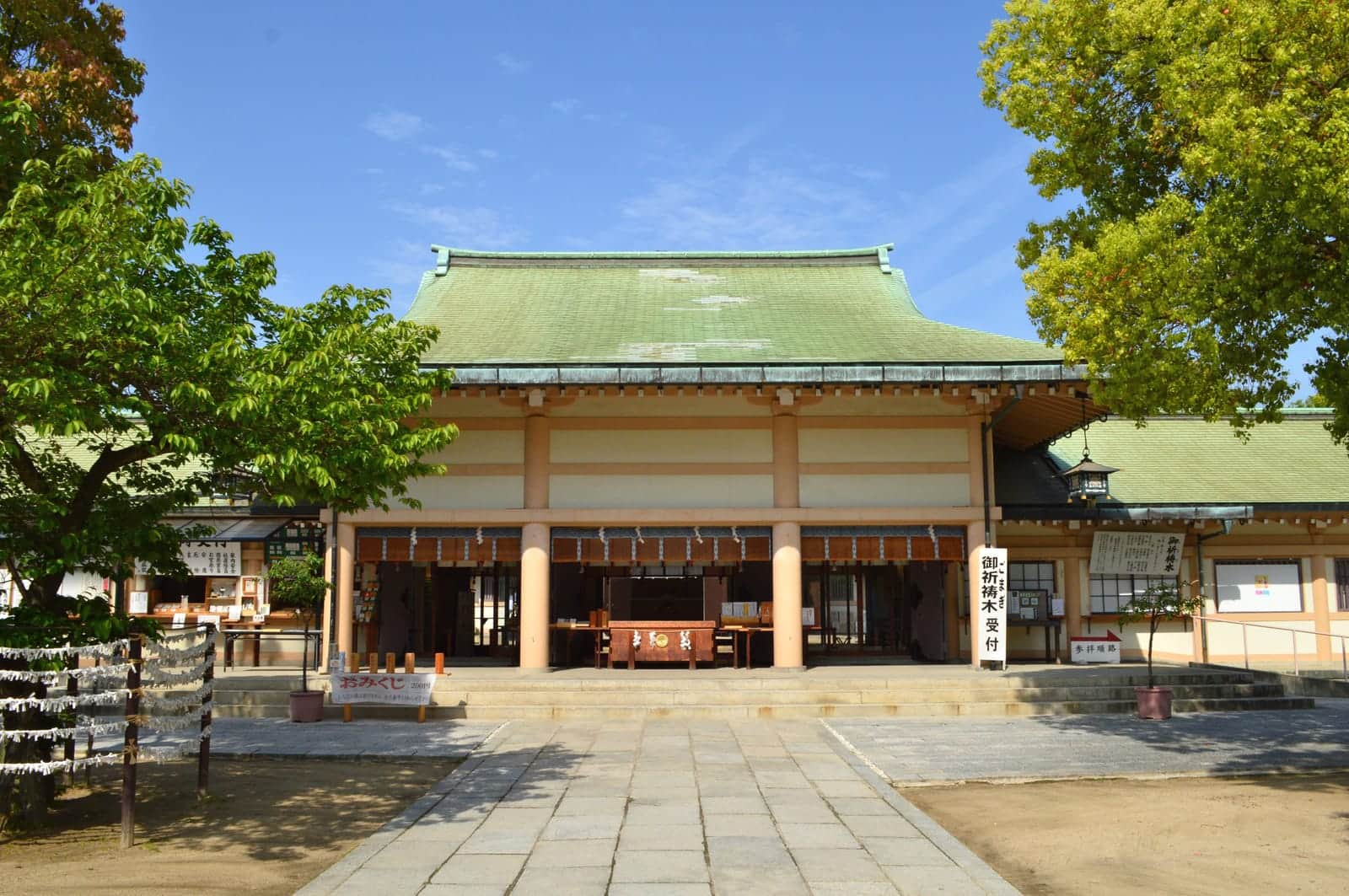
- TanimachiTT25Tanimachi-KyuchomeT27Tennoji
약 20분 · 약 ¥190
Horikoshi Shrine is a short walk north of Tennoji Station.
호리코시 신사
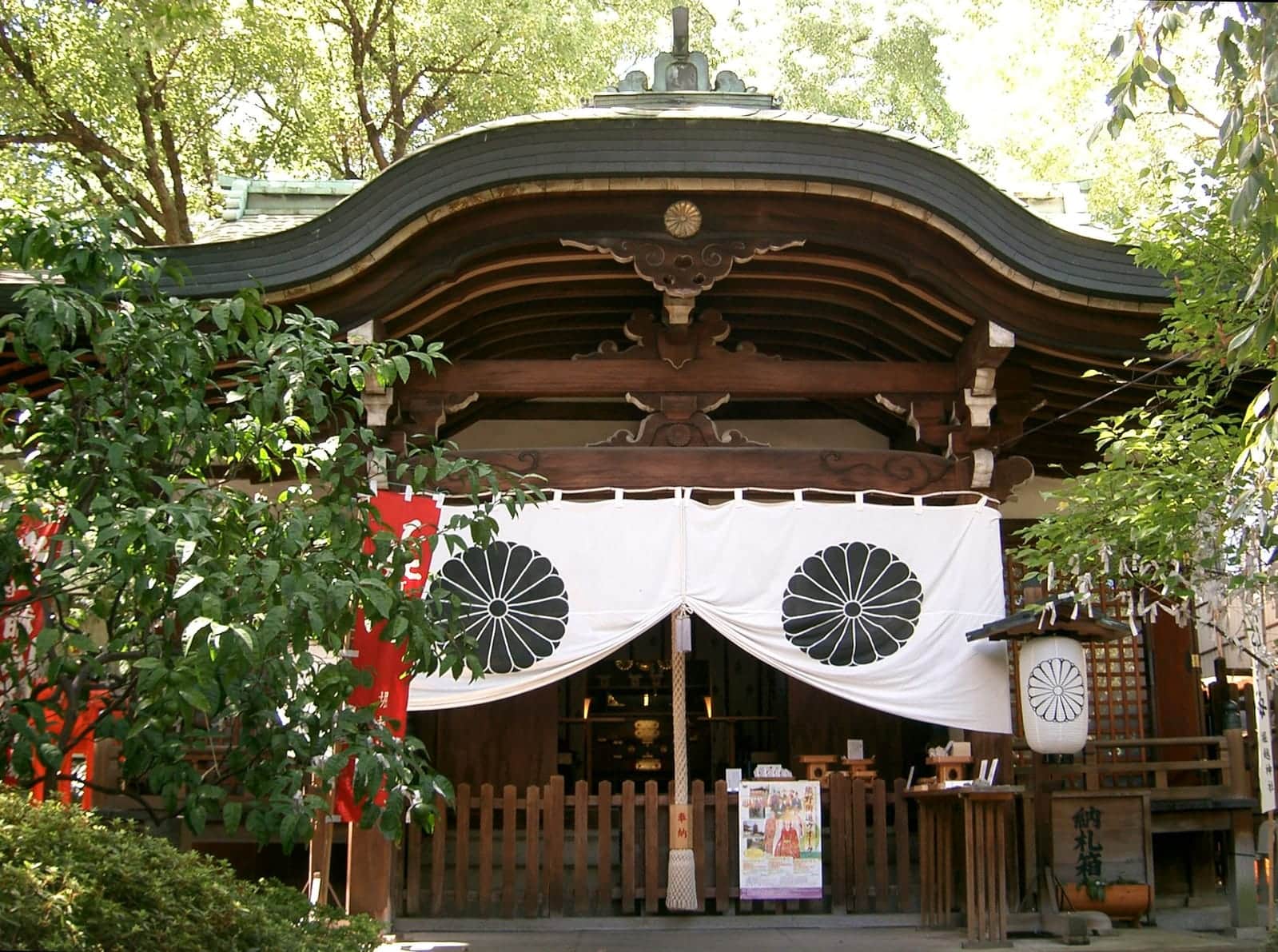
TennojiHorikoshi Shrine is one of the Seven Shrines of Shitenno-ji and is traditionally linked to Prince Shotoku. In Osaka folklore, worshippers come here to pray for a single once-in-a-lifetime wish.
예상 관람 시간 · 45분