Cormorants brought from a distant island are released at the shrine during the annual Unosai Festival, and their landing patterns and feather colors are read to predict the year's harvest and weather.
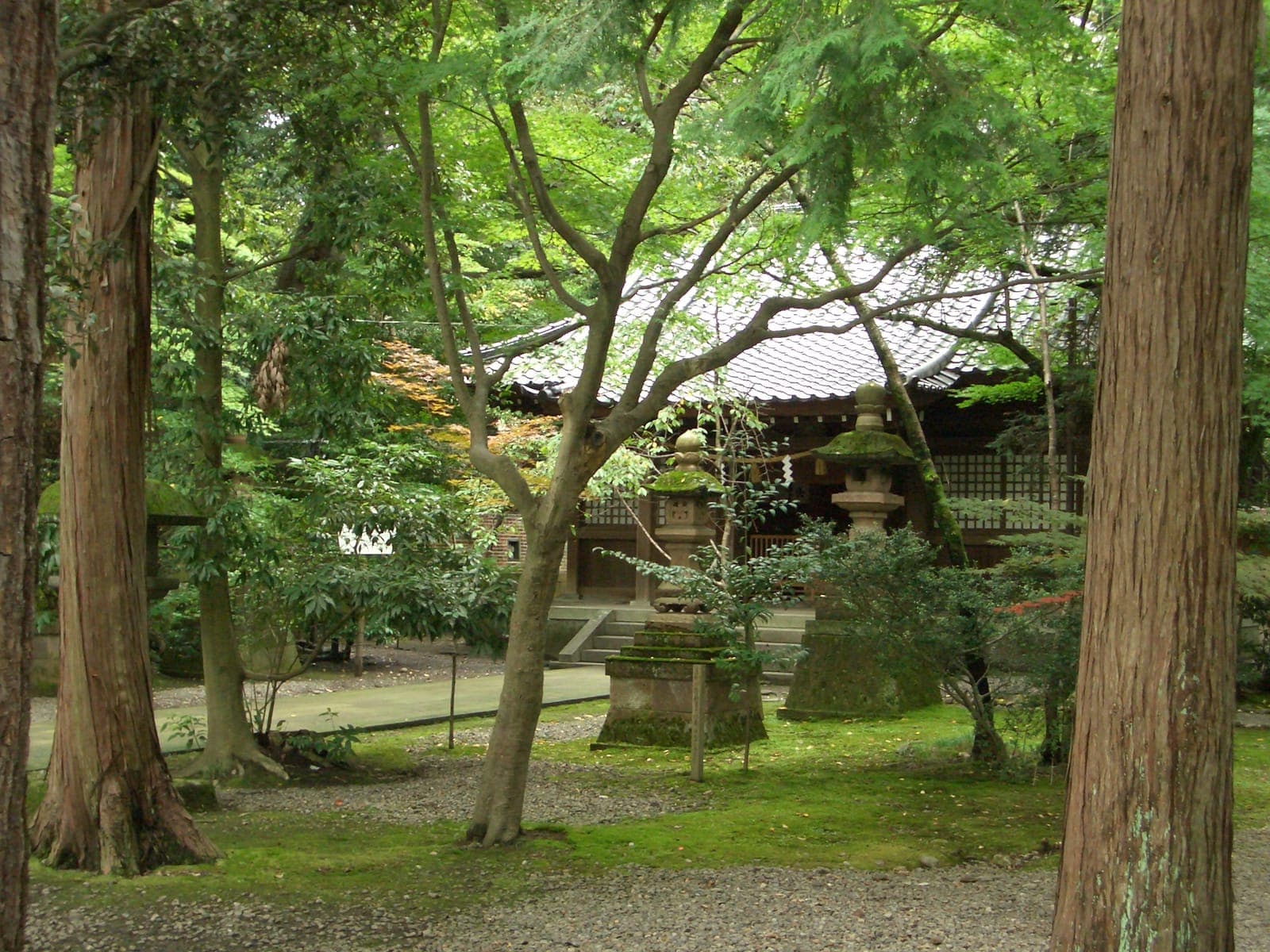
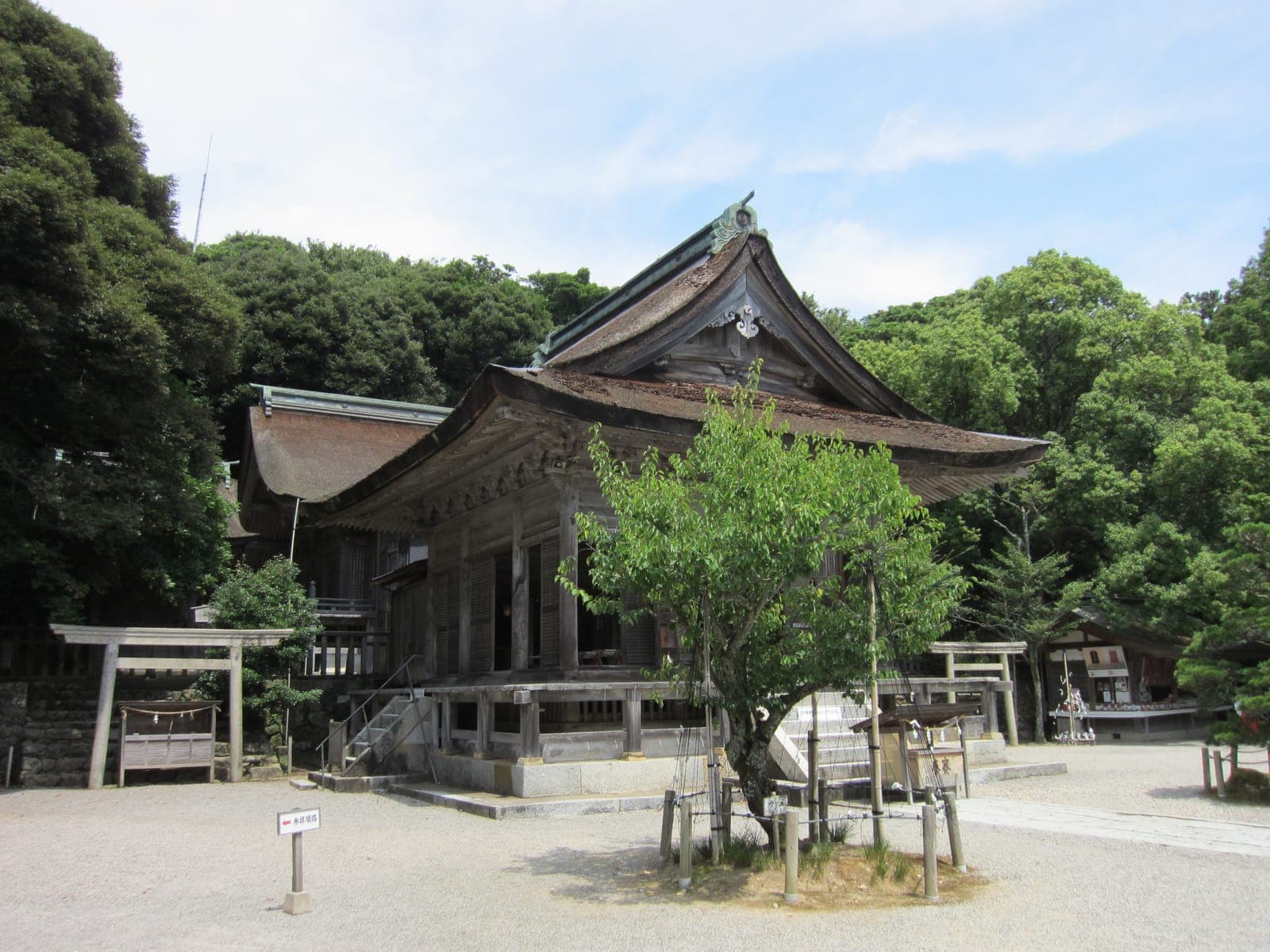
Keta Taishaは、旧能登国の一宮です。
By 859 AD, this shrine had already achieved 1st Court Rank, the highest imperial honor. It was even mentioned in poetry by Otomo no Yakamochi over 1,200 years ago.
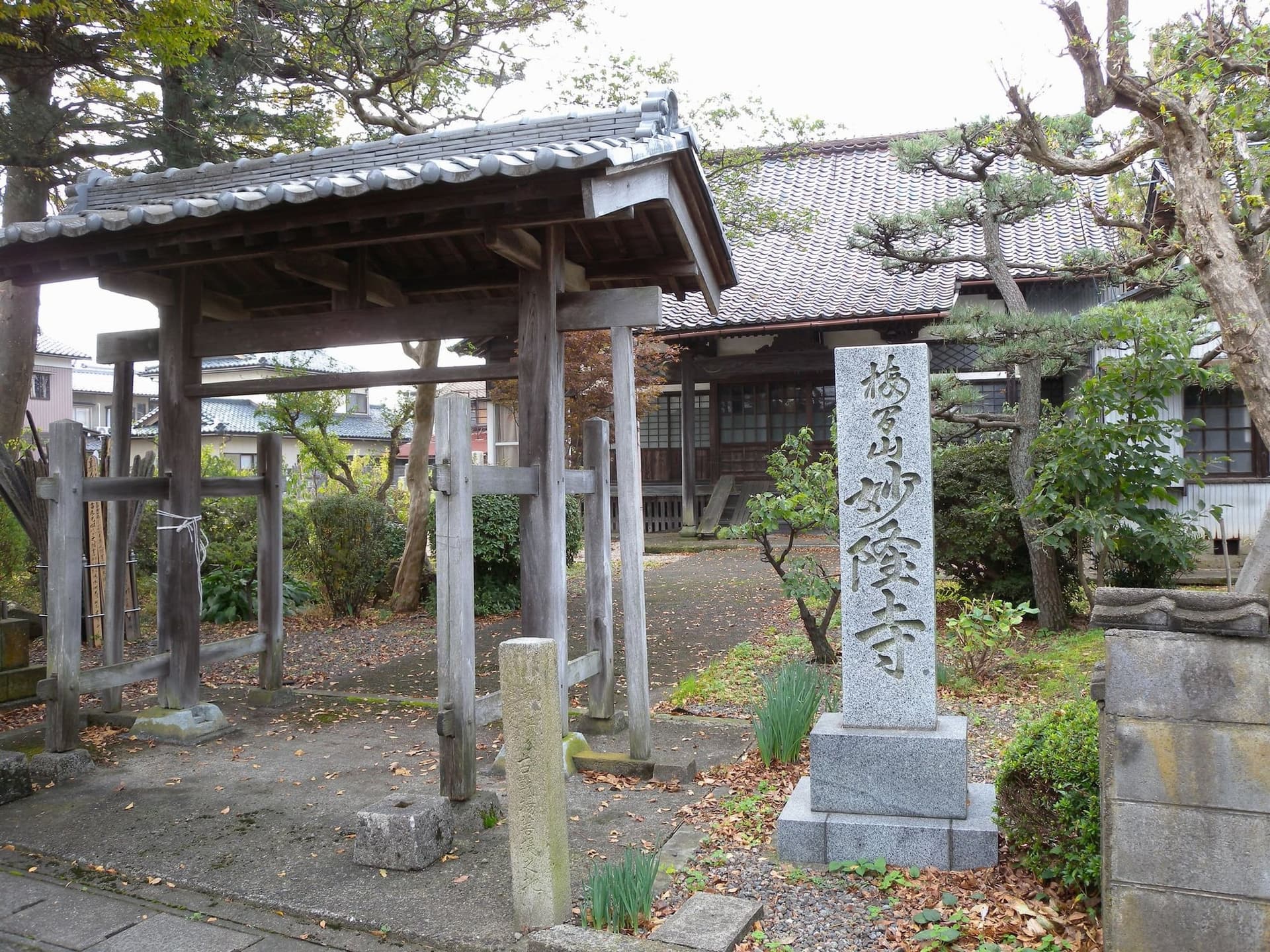
The temple's main deity, Marici-ten, is a secret Buddha displayed only once yearly on November 29th. If you cannot visit on that date, ask the priest about the deity's significance and symbolism during your visit, as understanding the hidden nature of this protector deity enriches the experience.
Plan to arrive by foot from the Hashiba-cho bus stop (about 10 minutes away), but give yourself extra time for the steep staircase climb at the end.
Bring cash if you want to purchase a victory charm (Kachimamori) or receive a seal stamp, as the temple may have limited payment options.
The shrine's deity Kukuri-Hime literally means 'to tie' or 'to bind,' making her the goddess of matchmaking who once helped creator gods Izanagi and Izanami reconcile their marital argument at the entrance to the underworld.
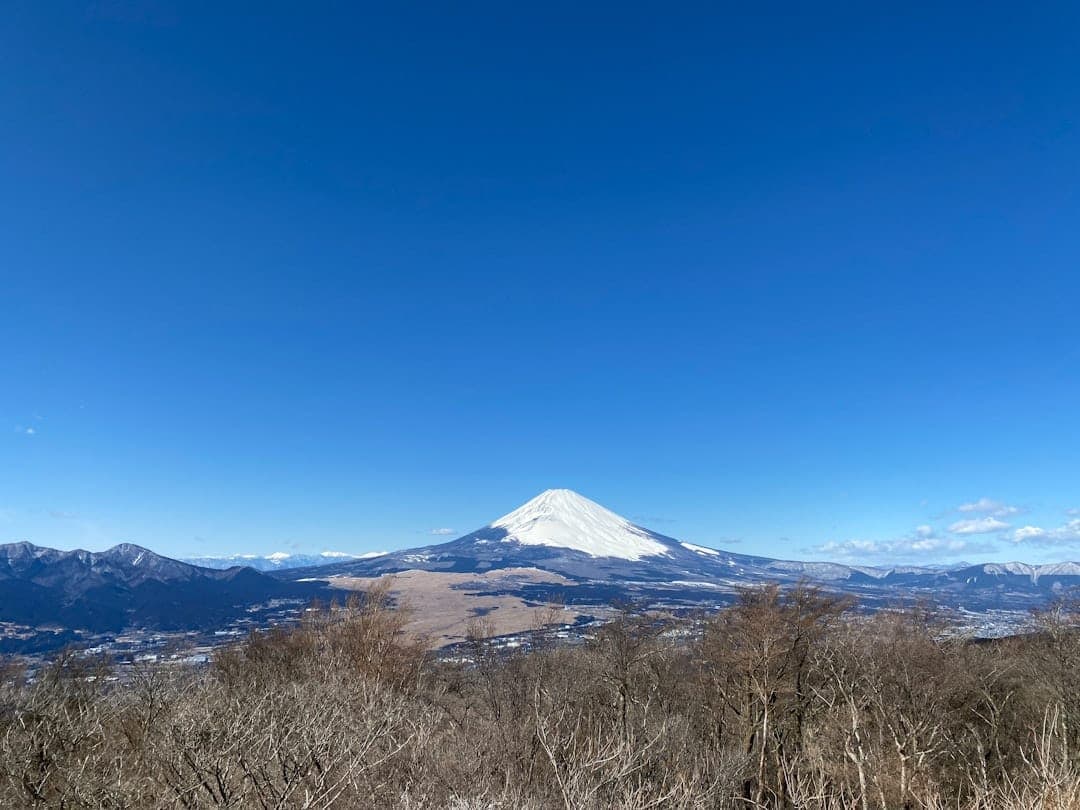
白山比咩神社は白山の麓に位置し、日本の主要な霊峰の一つと直接つながっています。
After being destroyed by fire in 1480, the shrine lay in ruins for over a century until warlord Maeda Toshiie restored it in the early Edo period. His clan's patronage helped it grow into the head of 2,000 Hakusan shrines nationwide.
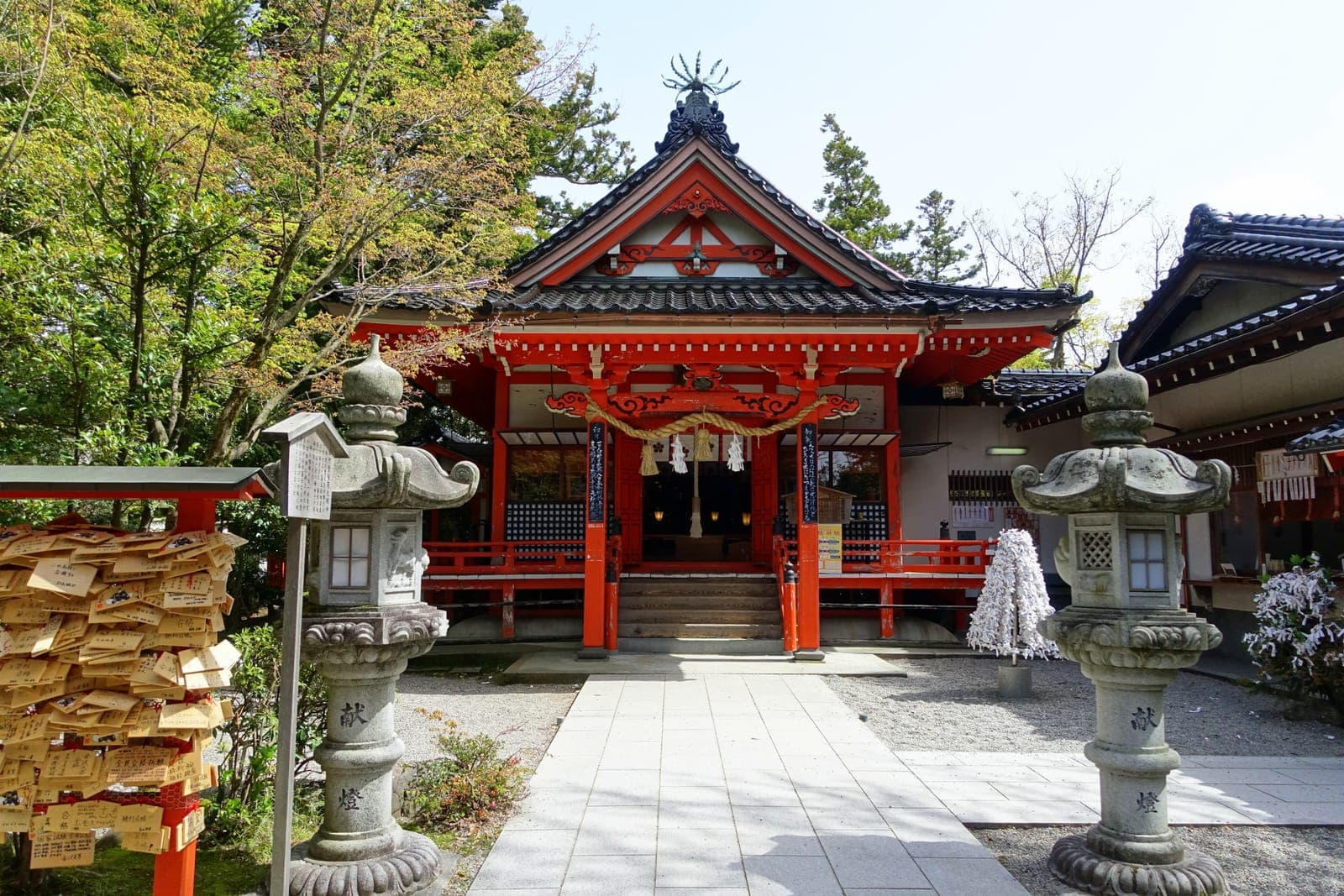
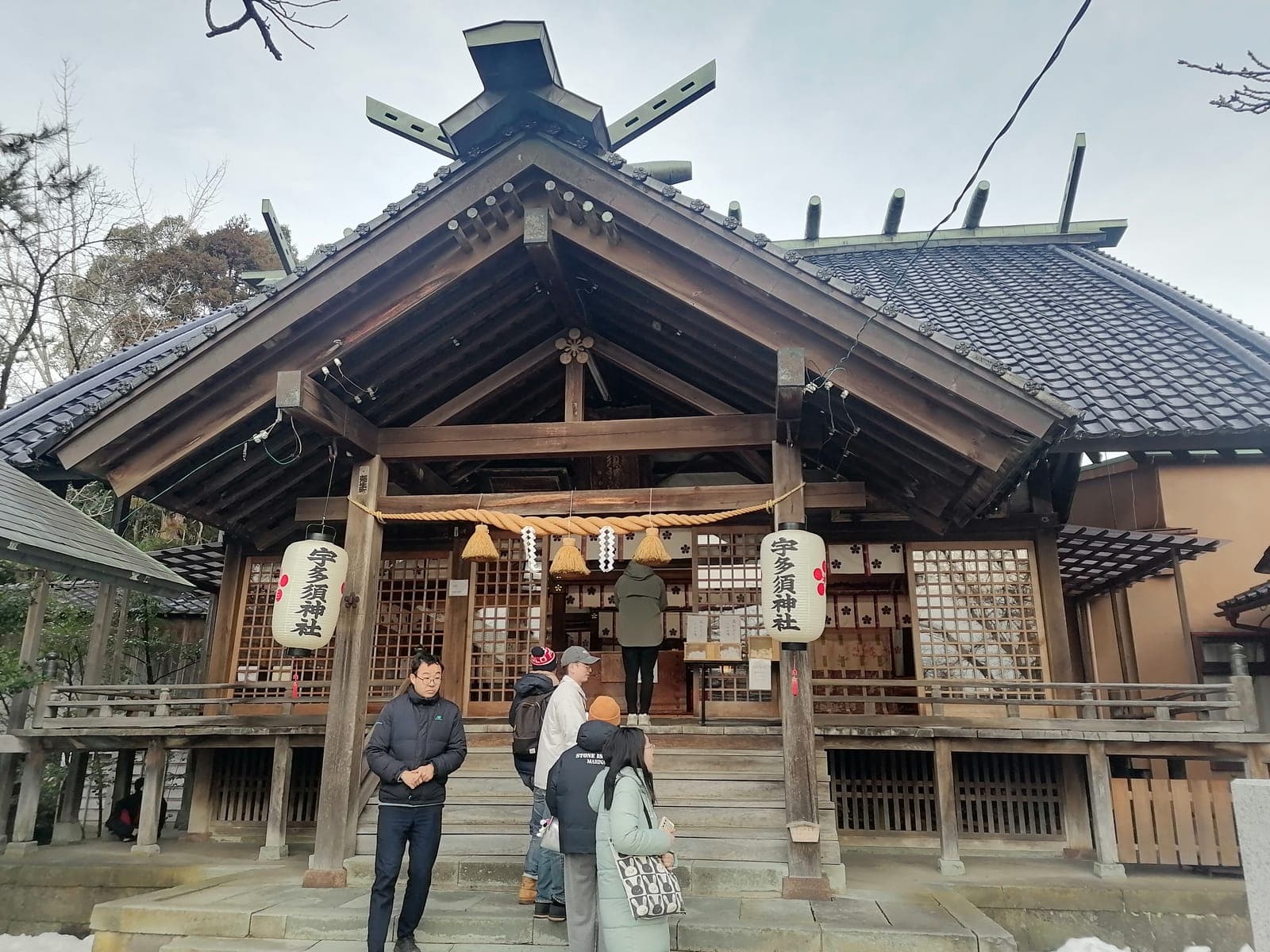
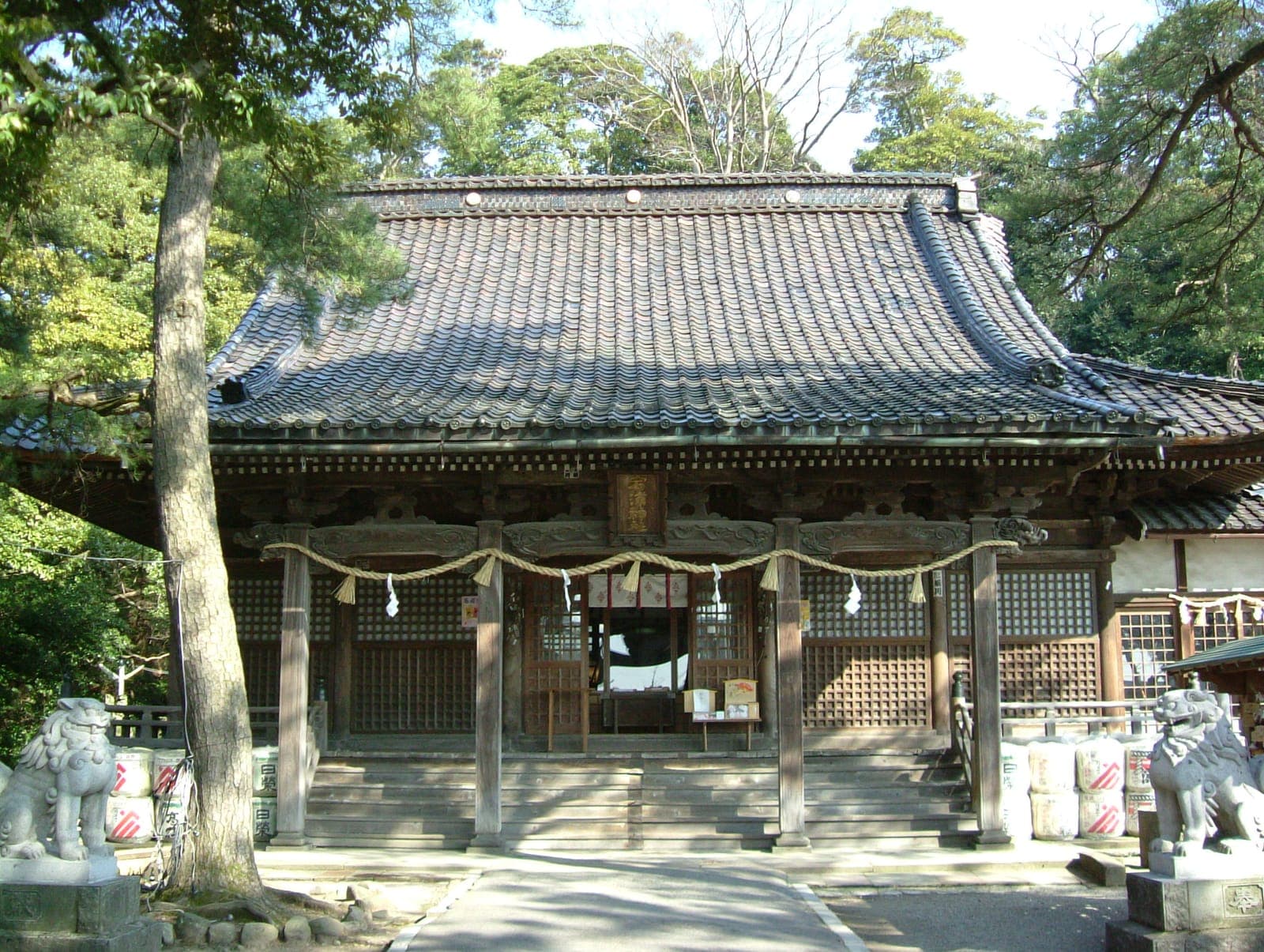
Ishiura Shrine is an ancient Shinto shrine in central Kanazawa, said to be the city’s oldest and linked to origins in the Kofun period. Its vermilion gates, lucky charms, and accessible location near major sights make it popular with visitors.
おすすめポイント
Plan for about 30 minutes at the shrine itself, but arrive early in the day if you want a quieter experience, since the shrine is particularly popular with female visitors seeking blessings for finding soulmates and can draw steady foot traffic.
Bring cash and small bills if you want to purchase omamori (lucky charms) or ema plaques, since the shrine does not accept credit cards and the office only operates 9:00-16:00 daily.
Look for the shrine's cute mascot character Kima-chan and the distinctive polka-dot pattern charms (which symbolize 'all is well') if you want to take home a memorable souvenir that reflects the shrine's playful approach to traditional spirituality.