

1
Location: 小田原市, 神奈川県
Current status: 営業中
御朱印: 1 御朱印
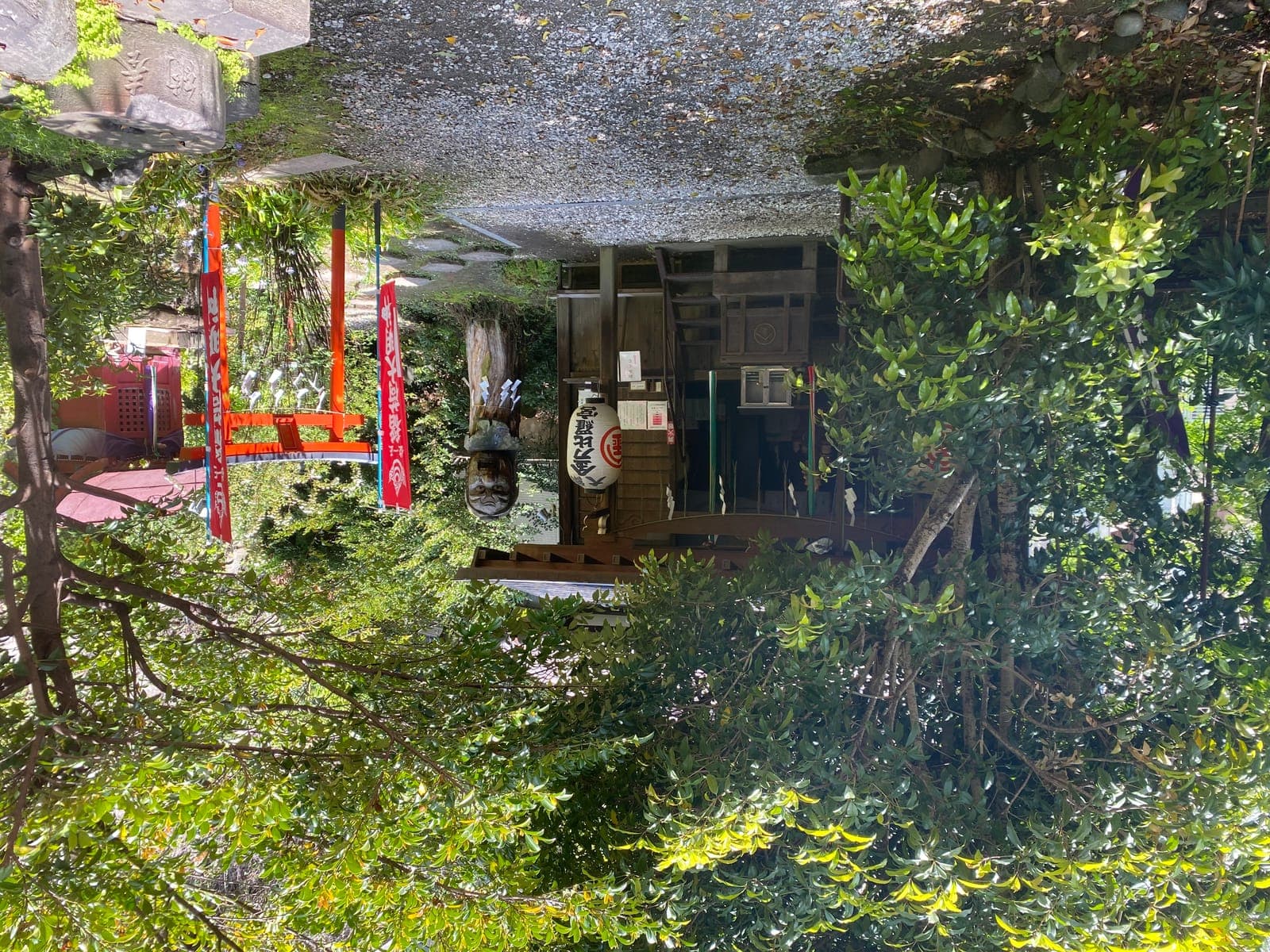
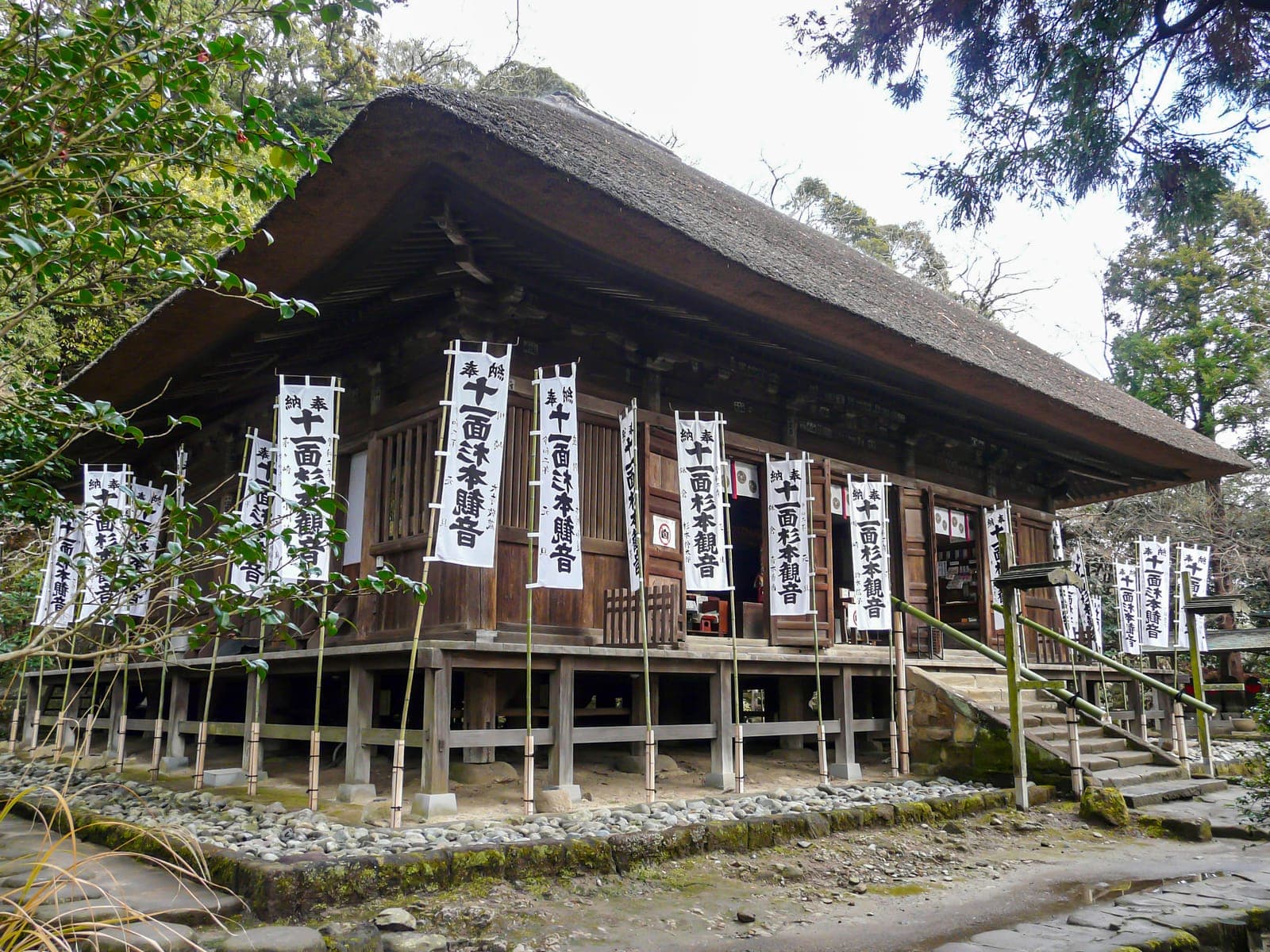
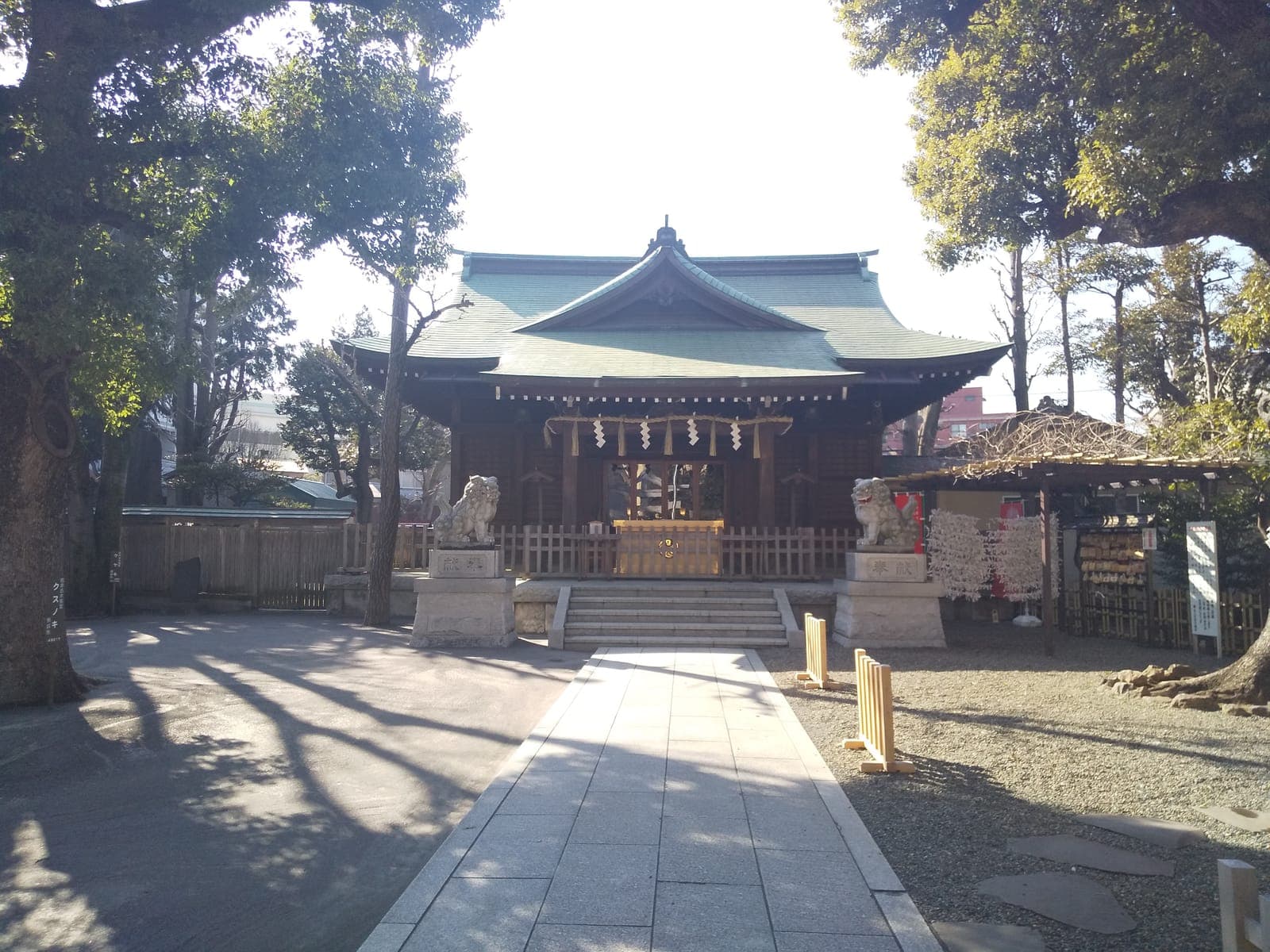
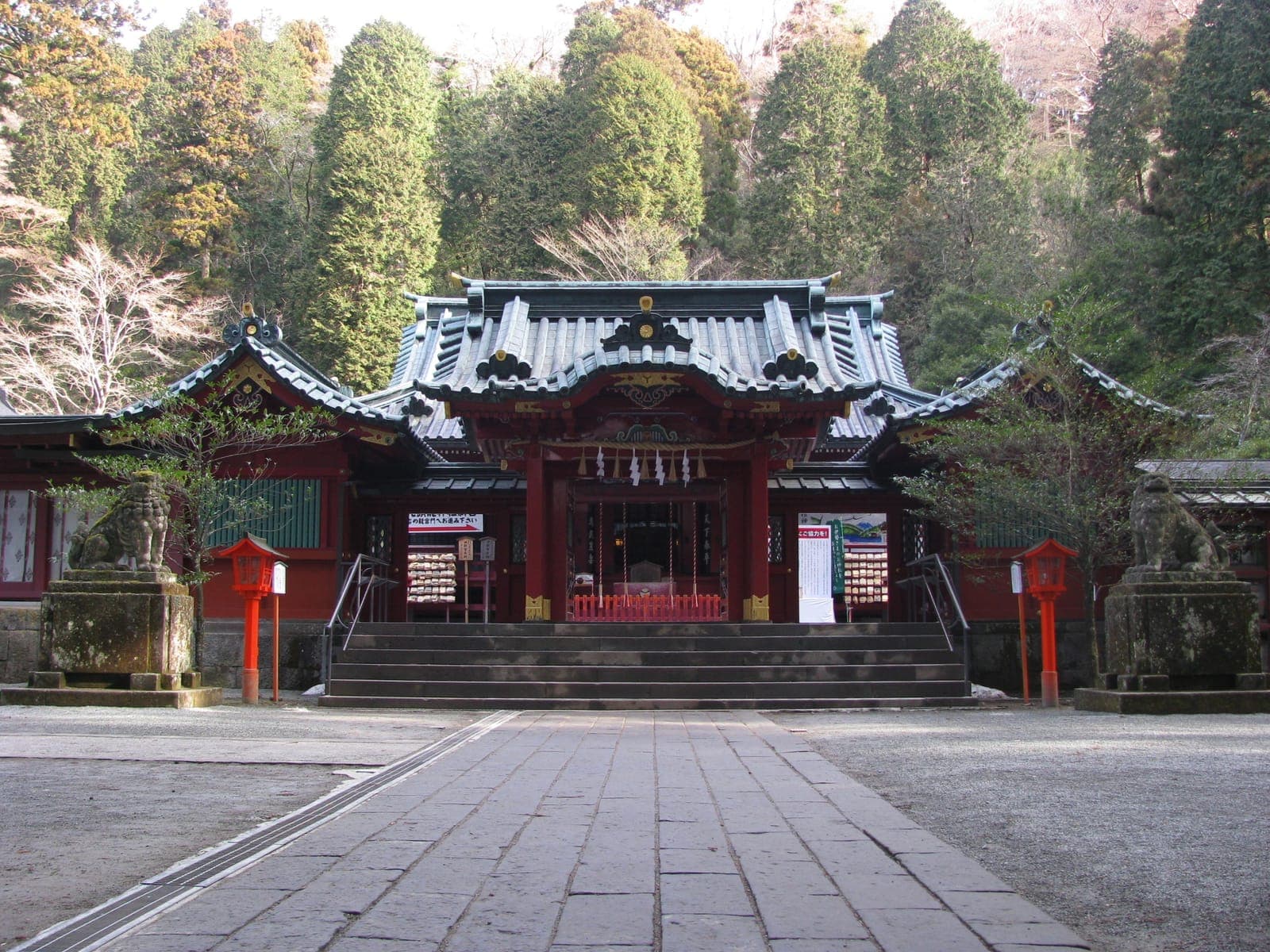
宝寿寺は神奈川県小田原市久野にある仏教寺院で、Googleプレイスに1848久野として記録されています。利用可能な位置情報データはその礼拝所の分類と座標を確認していますが、提供されたウェブ参考資料は京都の別の宝寿寺について説明しており、ここでは適用されていません。
おすすめポイント
- Visit on a weekday morning to avoid the crowds that flock to the nearby Sanjusangendo, which will give you a quieter, more contemplative experience of this historically significant but less-visited temple.
- Sign up for the sutra copying (shakyo) experience if you want an active way to engage with the temple's spiritual practice. This hands-on activity sets Hojuji apart from passive sightseeing and gives you a meditative activity to participate in during your visit.
- Admission is free, so you can visit without worrying about ticket costs, but plan for a short visit since the temple has limited cultural assets on display compared to nearby Sanjusangendo.