拝観料
未確認
概要
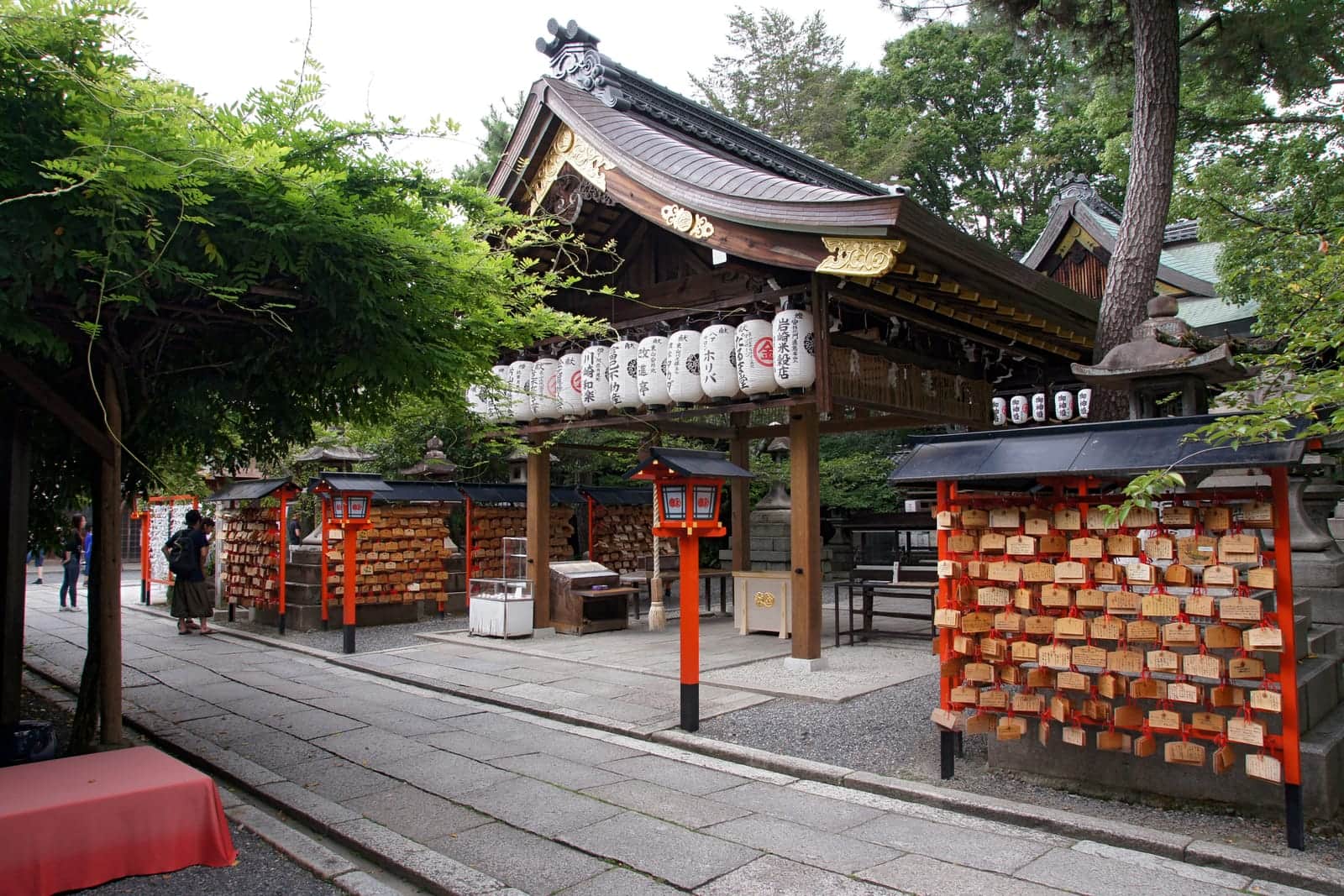
The shrine's tradition of selling lucky bamboo (fukuzasa) for business prosperity originated here and later spread throughout Japan, becoming a national custom.
According to legend, Ebisu was born so deformed that his parents cast him into the sea as an infant, yet he overcame this rejection to become one of Japan's most beloved gods.
拝観時間と同じ
こちらの神社では御朱印を頂けますが、まだ写真がありません。あなたの御朱印を最初に共有しませんか?
未確認
Visit during weekdays outside the January 8-12 Tōka Ebisu festival window if you want a quieter experience, as thousands of business owners and luck-seekers converge on the shrine during this five-day period to purchase blessed lucky bamboo and charms. If you do come during Tōka Ebisu, arrive early in the morning to beat the crowds and have a better chance of interacting with the shrine maidens and geisha apprentices distributing the fukuzasa.
If you visit during Tōka Ebisu in January, plan to purchase a fukuzasa (lucky bamboo branch) and customize it with charms that match your intentions, such as treasure boats for wealth, red sea bream for business success, or shrine maiden bells to call luck to you. Each charm carries its own lucky meaning in Japanese culture, so take time to select ones that align with what you're hoping to attract.
Look around the shrine grounds for stone carvings and statues of Ebisu holding his fishing rod and red sea bream, as these images appear throughout the sanctuary and help you understand why he's the patron deity of fishermen and merchants.
Bring coins in small denominations (yen coins work best) to attempt the coin-toss tradition at the second torii gate, where you'll see Ebisu's cheerful face depicted above a kumade (rake) that collects offerings.
東山, 京都府 県
この場所から続けて探せる関連ページです。
最近の投稿 3件
5.0
レビュー1件
祇園四条駅から徒歩約6分。通常の参拝時間は8:30~17:00、御朱印は16:30まで。1月の十日ゑびす期間は特別時間となります。ご祈祷は電話予約制です。
 JTPro member
Jelle & TimPro レビューを投稿しました
Kind goshuin desk. Relaxing stop
300m以内 600m以内
KT248-京阪四条河原町ビル
docomo bike share
KT387-J'fort祇園四条
docomo bike share
KT117-陣の花
docomo bike share
利用には各事業者のアプリと日本の電話番号が必要です。ドコモ・バイクシェアの1日パスはコンビニで購入できます。 データ出典