東京の定番
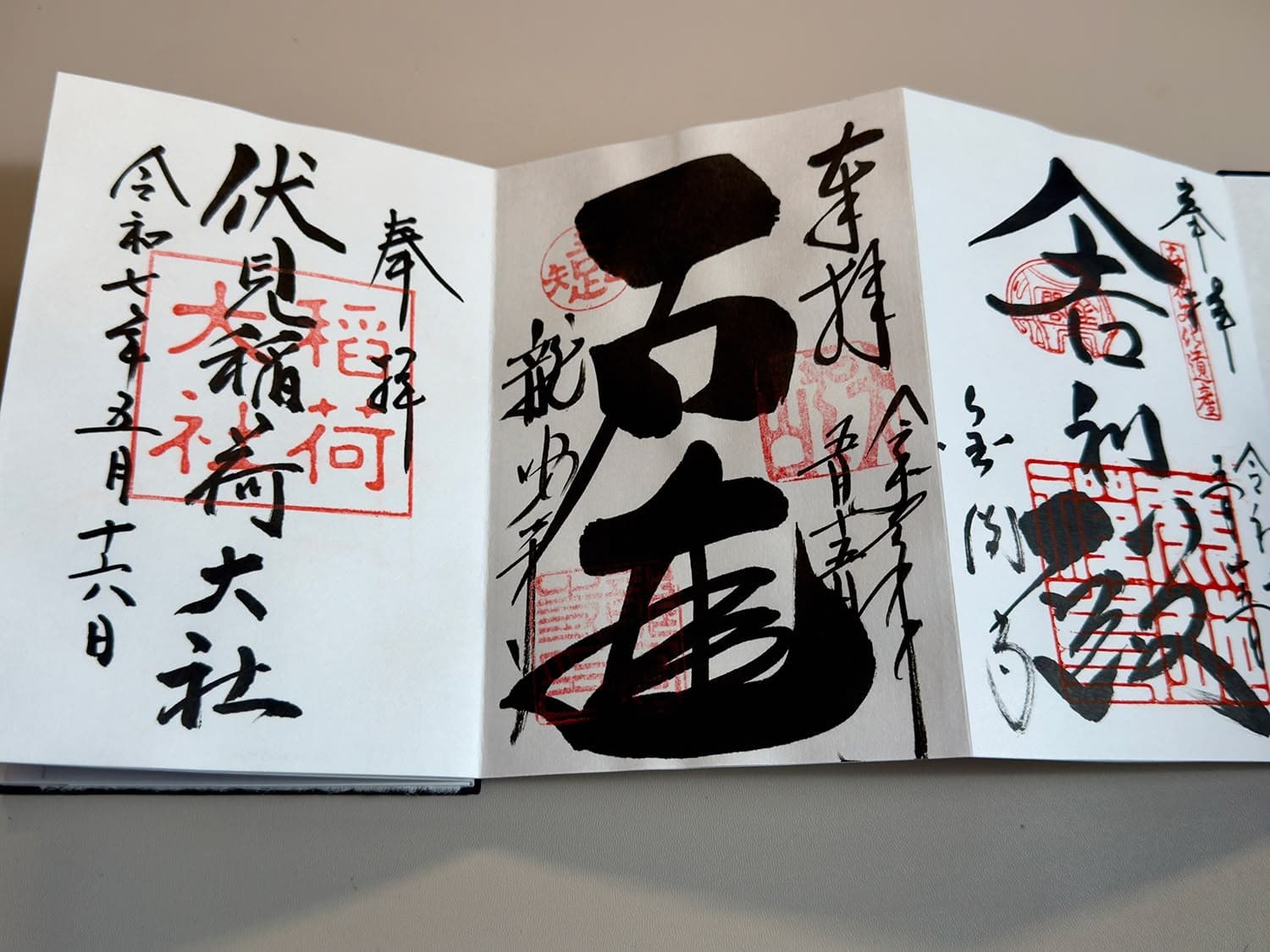
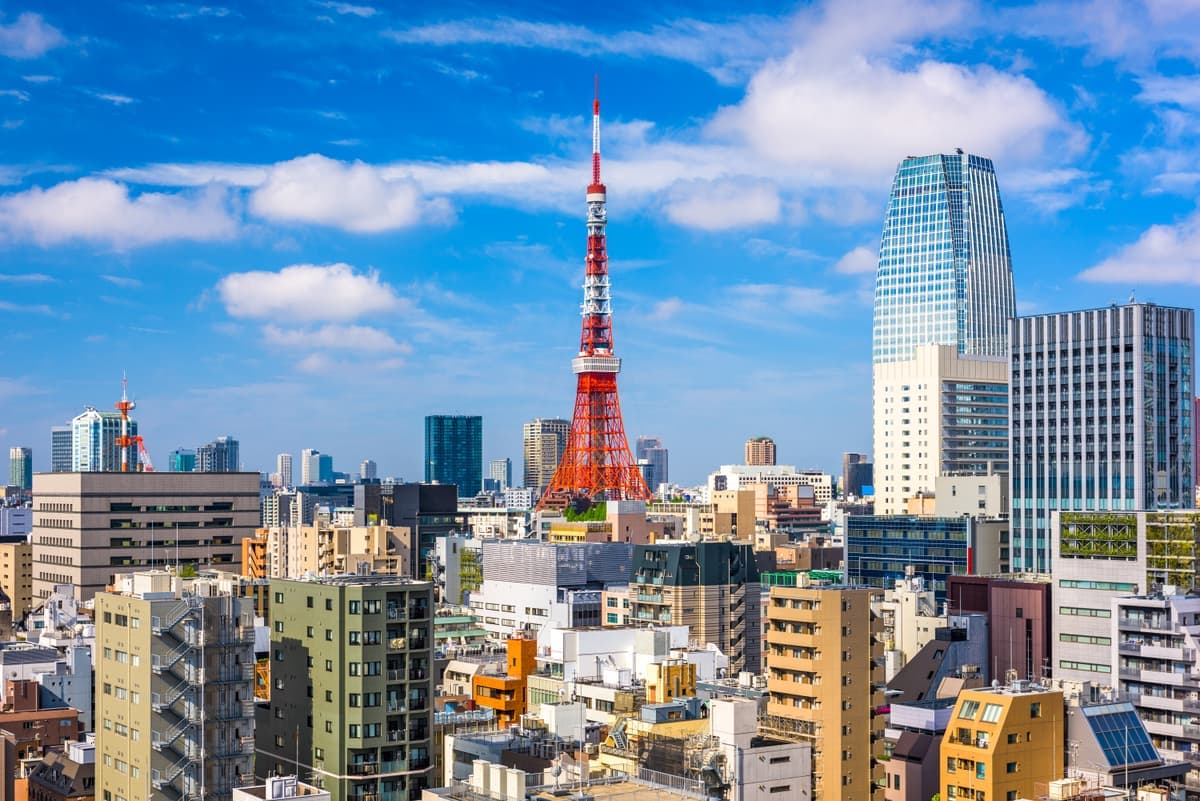
東京の代表的な寺社を3日でめぐる御朱印ルート。
- 3日間
- 13か所
- Tokyo
この旅について
初めての東京御朱印ルート、人気の神社と気軽に立ち寄れるコレクタースポットを結んだコース。
日ごとの旅程
原宿から赤坂へ
- 4か所
- 滞在を含め約225分
明治神宮
Shibuya毎年、1月の最初の数日間だけで300万人以上の人々が同じ巨大な木造の鳥居をくぐります。この単一の聖地は、新年の時期において日本全国で最も多くの参拝者が訪れる場所となっています。その鳥居、Meiji Jinguの南側入口にある大鳥居は、東京都渋谷区の中心部にある森の回廊からそびえ立ち、その下をくぐった瞬間、都会の喧騒は消え去ります。 歴史的基盤 Meiji Jinguの物語は、一つの死と一つの問いから始まります。明治天皇が1912年7月30日に崩御された時、日本には何をすべきかについての明確な法的枠組みがありませんでした。天皇は近代史における最も劇的な国家変革の一つを主導し、明治維新の間に日本を封建的で孤立した社会から工業化された世界の大国へと導きました。1852年に生まれ、1867年にその変革のまさに転換点で即位されました。崩御される頃には、日本は近代憲法、議会制政府、全国鉄道網、そして中国とロシアの両国を破った軍隊を持つに至っていました。天皇の崩御が投げかけた問いは、単なる儀礼的なものではありませんでした。それは、国家を作り変えた人物をどのように顕彰するか、という問いでした。 数週間のうちに、実業家渋沢栄一や東京市長 阪谷芳郎を含む著名人たちが委員会を結成し、構想を概説した正式な覚書を発表しました。それは、国費で賄われる内苑と国民の寄付で賄われる外苑を持つ神宮という構想でした。彼らが特定した場所は代々木御料地で、江戸時代初期には肥後藩加藤家の私邸として、1640年からは彦根藩井伊家の下屋敷として使用され、1874年に明治政府によって購入された、東京西部の73ヘクタールの土地でした。 帝国議会が正式にこの計画を承認し、1915年5月1日、Meiji Jinguの創建が正式に発表されました。建築家伊東忠太のもと、伝統的な流造様式で、主に檜と銅を用いて建設が開始されました。主要な構造材は長野県木曽と、当時日本の領土であった台湾の阿里山から調達され、樺太、朝鮮、関東州を含む帝国の全ての府県から資材が集められました。この建設は真に国家的事業でした。日本全国の青年団や市民団体が労働力と資金を提供し、10万本の樹木が全国の市民から寄贈され、1916年から植樹が始まりました。 神宮は明治天皇の誕生日である1920年11月3日に正式に鎮座祭が執り行われ、境内は1926年までに完成しました。当初の神宮建物の内部容積は650坪
滞在目安・90分24人が訪問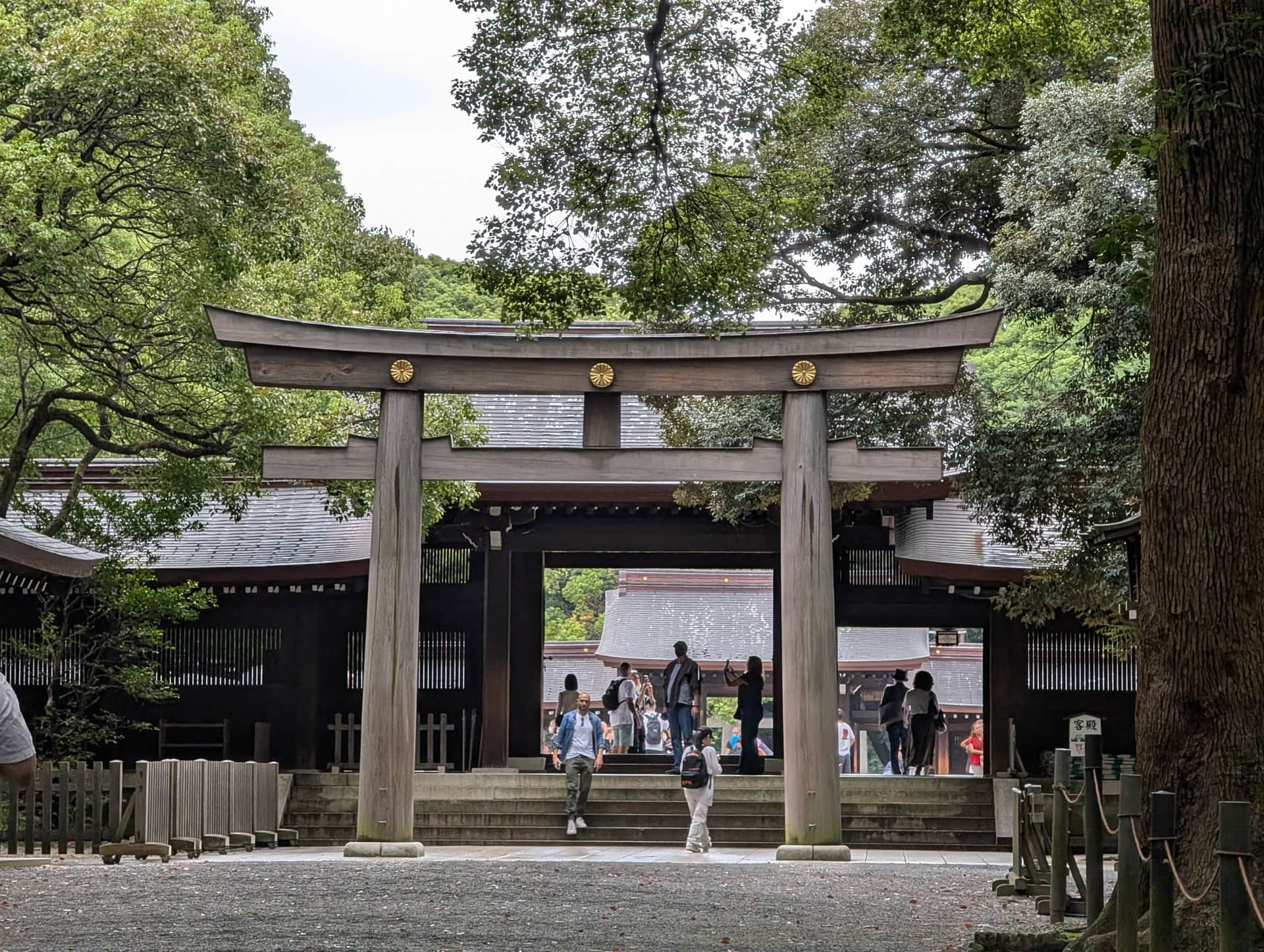
東郷神社
Shibuya東郷神社(とうごうじんじゃ)は、大日本帝国の元帥海軍大将、東郷平八郎を祀る神社である。
帝国軍人個人の御霊(みたま)を主祭神とする神社としては、ほかに乃木希典を祀る乃木神社や児玉源太郎を祀る児玉神社が知られる。滞在目安・30分拝観無料8人が訪問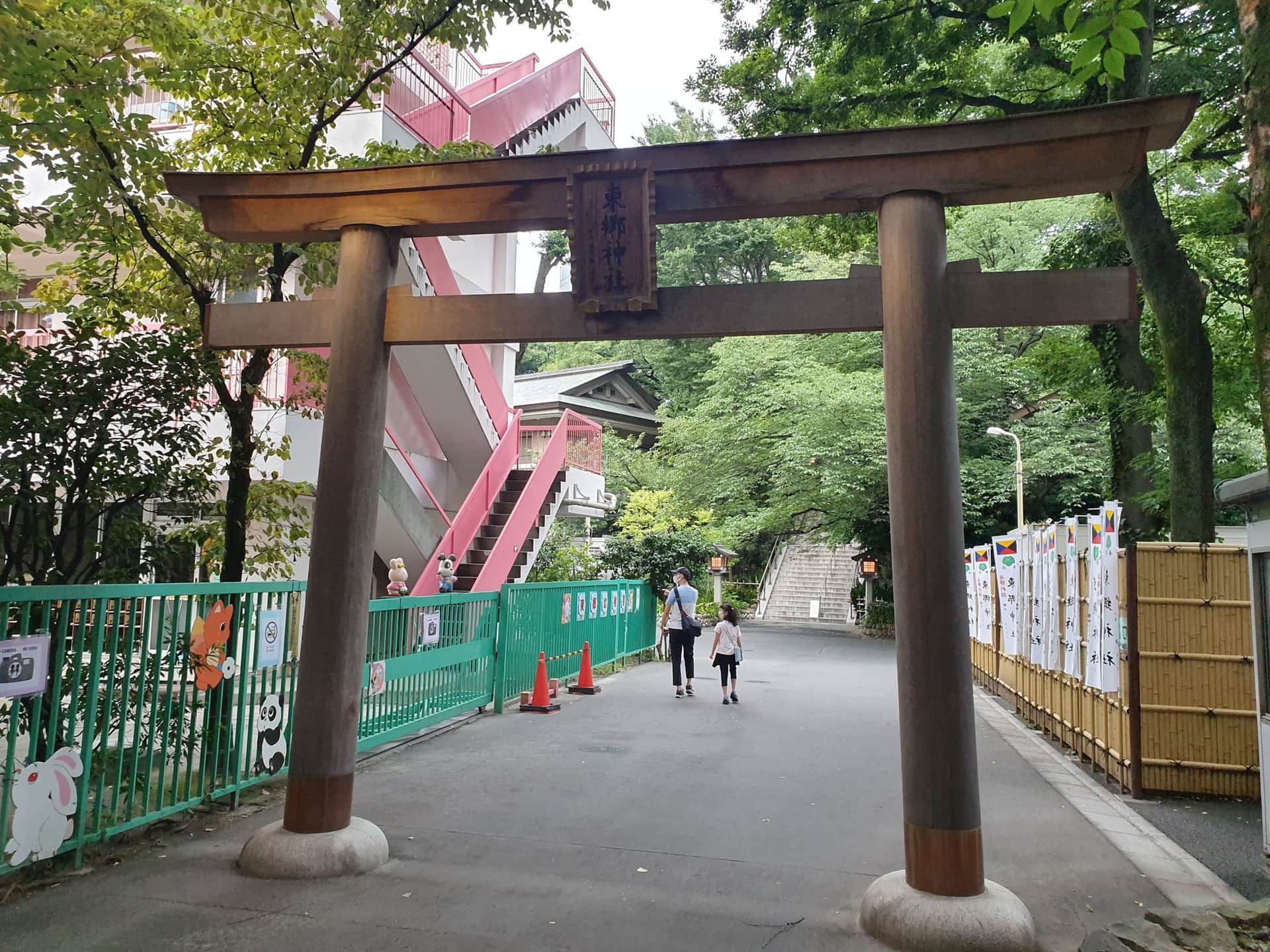
乃木神社
Minato静かな石畳の小道が、名高い将軍とその忠実な妻が生涯を終えた家へとあなたを導く――その忠誠の行為は国を震撼させ、今なお道徳的かつ歴史的な複雑さを放っている。ここ、東京の中心部、港区にある静謐な乃木神社の境内には、乃木希典将軍と乃木静子の霊が神道の神として祀られている。1923年11月1日に創建されたこの神社は、夫妻の旧邸宅跡に建ち、明治期の西洋建築の例が伝統的な神社建築と共存する独特の空間である。この地は、1912年9月13日、明治天皇の崩御に際し、乃木将軍夫妻が生涯の理想の集大成として殉死を選んだ日と切り離せない。元の神社は1945年5月25日の空襲で焼失したが、現在の社殿は1962年に再建され、戦後の記憶と意味の再確認を示している。 歴史的背景 激動の世紀の変わり目にさかのぼると、日本の急速な変革を象徴する人物、乃木希典将軍(1849–1912)が現れる。彼はその奉仕と質素な生活により国民的象徴となった。妻の乃木静子(1856–1912)も同じ信念を共有し、死においてもその運命を共にした。彼らの最期の行為は1912年9月13日、明治天皇の葬儀当日に行われた。当時の人々には忠誠の伝統的な行為として捉えられ、後の評論家はこれを殉死の響きと呼んだ。一方で、近代化の緊張と矛盾を露呈する深く議論を呼ぶ行為でもあった。 直後、都市の指導者たちは公衆が悲しみと省察を行える場所を求めた。東京市長の坂谷義雄男爵は中央乃木会を招集し、夫妻の邸宅敷地内に神社を建てる明確な使命を掲げた。この決定は二人の個人だけでなく、義務、近代性、喪失、公共記憶の形についての国家的対話をも祀ることとなった。1923年11月1日に正式に創建された乃木神社は、神道の伝統に根ざした人間の模範的存在を神格化する慣習に則り、学問の神として知られる菅原道真を祀る天満宮や徳川家康を祀る東照宮のように、乃木夫妻を神として崇敬する場となった。 神社の初期数十年は、近代東京の激動の影に覆われた。市の多くは火災や戦争に見舞われ、1945年5月25日の空襲で元の社殿は焼失した。しかし物語は戦時の喪失で終わらなかった。1962年に現在の社殿群が建てられ、1923年の創建精神を受け継ぎ、記憶の公共の場としての役割を回復した。この歴史の流れ――1912年の創建、1945年の破壊、1962年の再建――は、多くの東京の神社と同様に、繰り返し再生されながらも深い連続性に根ざす都市と伝統の姿を示している。 乃木夫妻の響きは東京を超えて広がる。日本各地に彼らの記憶を祀る神社が存在し、栃木県那須塩原市、京都府伏見区、山口県下関市、埼玉県飯能市などに分布している。これらの分散した聖地は全国的な記念地理を形成し、乃木夫妻の物語が持つ異例の文化的重みと、神道が近代の歴史的人物を神格に取り込む柔軟性を示している。 建築の妙技 乃木神社の力は物語だけにあるのではない。境内に保存されている明治期の西洋風住宅が稀有な存在である。この家は静かで厳格かつ優雅であり、19世紀末から20世紀初頭の西洋デザインの言語を語る。均整の取れた比率、形式的な対称性、控えめな素材の色調。直線的な形態と抑制された装飾は、教育、軍事、市民建築における明治期の西洋様式の受容の遺物である。この建物に入ると、輸入された美学が日本の生活に自然に溶け込んだ様子が感じられ、間取りは西洋の住宅論理に従い、窓や仕上げは伝統的な日本の木造建築とは異なる。 外に出ると異なる空間の文法に戻る。1962年に再建された社殿は神道の言語を取り戻し、鳥居を軸に、参道が拝殿、そして本殿へと続く。これらの建物は木造で、何世紀にもわたる大工技術の連続性を表す仕上げと継手を持つ。屋根の形状は静かな威厳を持ち、一日を通して光と影を捉える。戦後の再建では銅合金や瓦が用いられ、耐久性と伝統的なシルエットを融合させている。都市の喧騒から鳥居をくぐり、手水舎で清め、拝殿の静けさへと進む空間の連続は、歩調を緩め注意を集中させるよう設計されている。 細部は軽視されていない。
滞在目安・45分拝観無料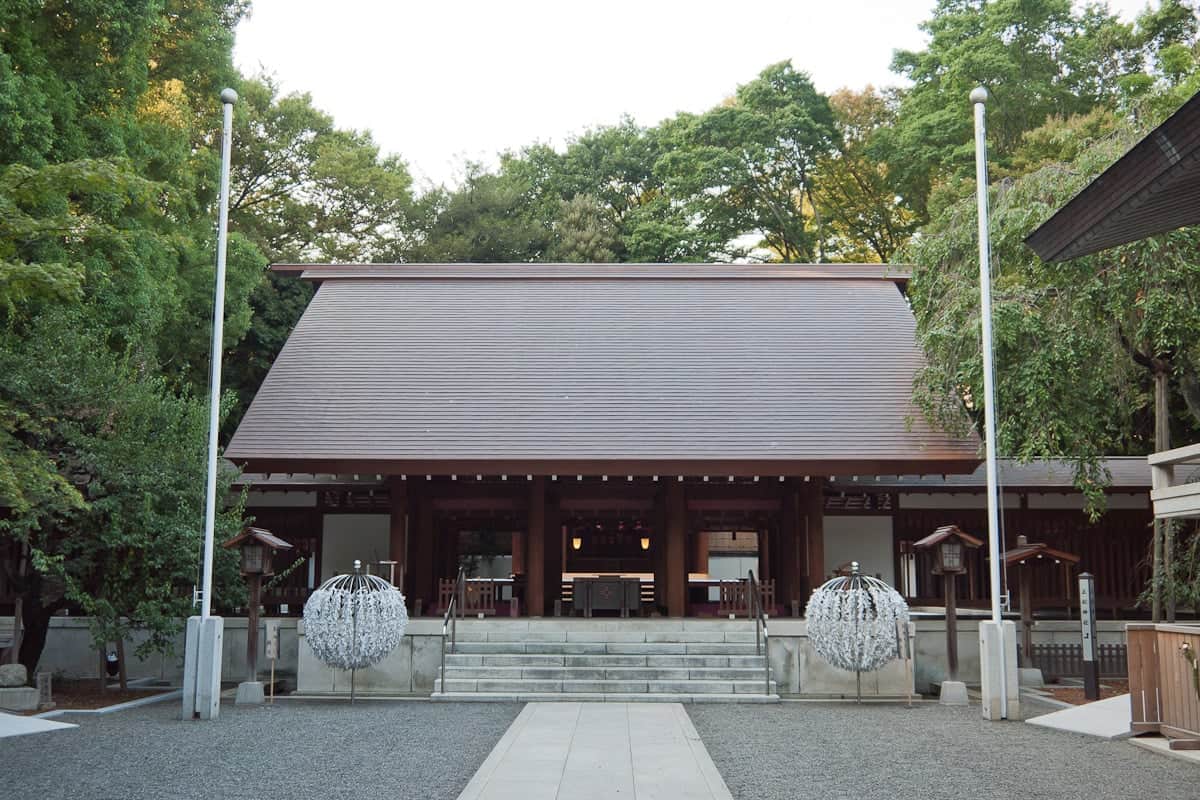
日枝神社
Chiyoda大山咋神(おおやまくいのかみ) 東京の権力の回廊から朱色の突然の輝きへと滑り込む。永田町の中心部、国会議事堂のすぐそばに、この聖域は深紅の鳥居のトンネルを通り、丘の上へと続く。1958年に再建された社殿は、1478年に始まる物語に根ざしている。ここは日枝神社(ひえじんじゃ)――かつて江戸城の守護神社であり、現在は東京十社の一つ――であり、山の守護神であり首都の山王信仰の精神的支柱である大山咋神に捧げられている。古き江戸の三大祭りの一つである山王祭で知られる日枝神社は、古代の信仰と現代都市の鼓動が交差する場所だ。焼失し、移転し、1945年の戦災を生き延び、再び立ち上がり、日本の政治の中心とこの地区を毎年行き交う何百万もの人々を今も祝福し続けている。 歴史的基盤 日枝神社の物語は、超高層ビルや地下鉄ができるずっと前の江戸の形成期に始まる。1478年、軍事戦術家で城郭建築者の太田道灌が、潮入りの入り江を見下ろす低い丘に新たな拠点を築いた。城の創建とともに欠かせない精神的な存在として、領地を守る守護神社が設けられた。この行為が日枝神社の起源とされ、後に東京となる城下町の守護を担う存在の種がまかれた。 17世紀初頭、徳川家康が江戸を幕府の本拠地に選んだことで、神社の運命は大きく変わる。家康は日枝神社の神の守護力と山王信仰の深い文化的魅力を認め、1600年代初頭に神社を移転し、幕府の新たな首都の精神的守護神として格上げした。それ以来、日枝神社は単なる地域の守護神ではなく、江戸城の公式な守護神社として、政治と都市生活のリズムに密接に結びついた。 その後の数世紀は成長と脆弱さの両面を持った。木造と紙でできた江戸の街は度重なる火災に見舞われ、日枝神社も何度か焼失したが、そのたびに幕府、大名、町人の支援で再建された。この破壊と再生の繰り返しは、第二次世界大戦の1945年の空襲による壊滅的な被害で頂点に達し、日枝神社の建物はほぼ全て焼失した。 日枝神社の現代の章は復興の物語である。1958年、神社は鉄筋コンクリートで再建された。これは戦後の現実を踏まえた実用的かつ未来志向の選択であり、伝統的な形を現代の材料の中で安全に保つことを可能にした。新しい社殿は神社の象徴的なシルエットを維持しつつ、戦後の都市東京の現実を反映している。今日、復活を遂げた日枝神社は、地域社会、国家、信仰の継続性を語りかけている。 建築の妙技 どの方向から日枝神社に近づいても、建築が身体を信仰へと導く。最初に出会うのは山王鳥居――山王信仰に関連する独特の鳥居で、俗世と聖域の境界を告げる。鳥居は単なるシンボルではなく、その比率と優雅な線が道を形作り、視線を集中させ、心を儀式の空間へと整える。日枝神社の山王鳥居は神社のアイデンティティの視覚的な署名である。 次に有名な鳥居が並ぶ階段を登る。朱色の回廊は昇る行為をリズミカルな体験に変える:一歩、影、光、一歩。この階段は多くの訪問者に写真に収められ、神道空間の重要な建築的理念を凝縮している。繰り返しが神聖さを生み出すのだ。各鳥居は日常から神域への移行を示し、その幾何学的な反復が動きを意図的かつ瞑想的にする。 社殿の中心には神社建築の双璧、 本殿(ほんでん)と拝殿(はいでん)がある。拝殿は参拝者がひざまずき、拍手し、祈る場所であり、開放的で招き入れる空間だ。その奥、同じ軸上にありながら一般には立ち入り禁止の本殿には大山咋神が祀られている。ここで供物が捧げられ、神職が祝詞を唱え、神の存在が儀式的に確認される。 1958年に再建された日枝神社の建物は鉄筋コンクリート製で、戦後の損失を踏まえた意図的な選択だ。表面や形状は伝統的な神社の木工技術を反映し、屋根のラインは広い軒と際立つ棟線で建物を守り、その質量を和らげている。外観の配色は朱色と白を基調に金属の金具でアクセントをつけ、戦前の美学との連続性を感じさせつつ、東京の地震多発の都市環境での耐久性を確保している。 この伝統的表現と現代工学の融合は戦後の神社再
滞在目安・60分拝観無料6人が訪問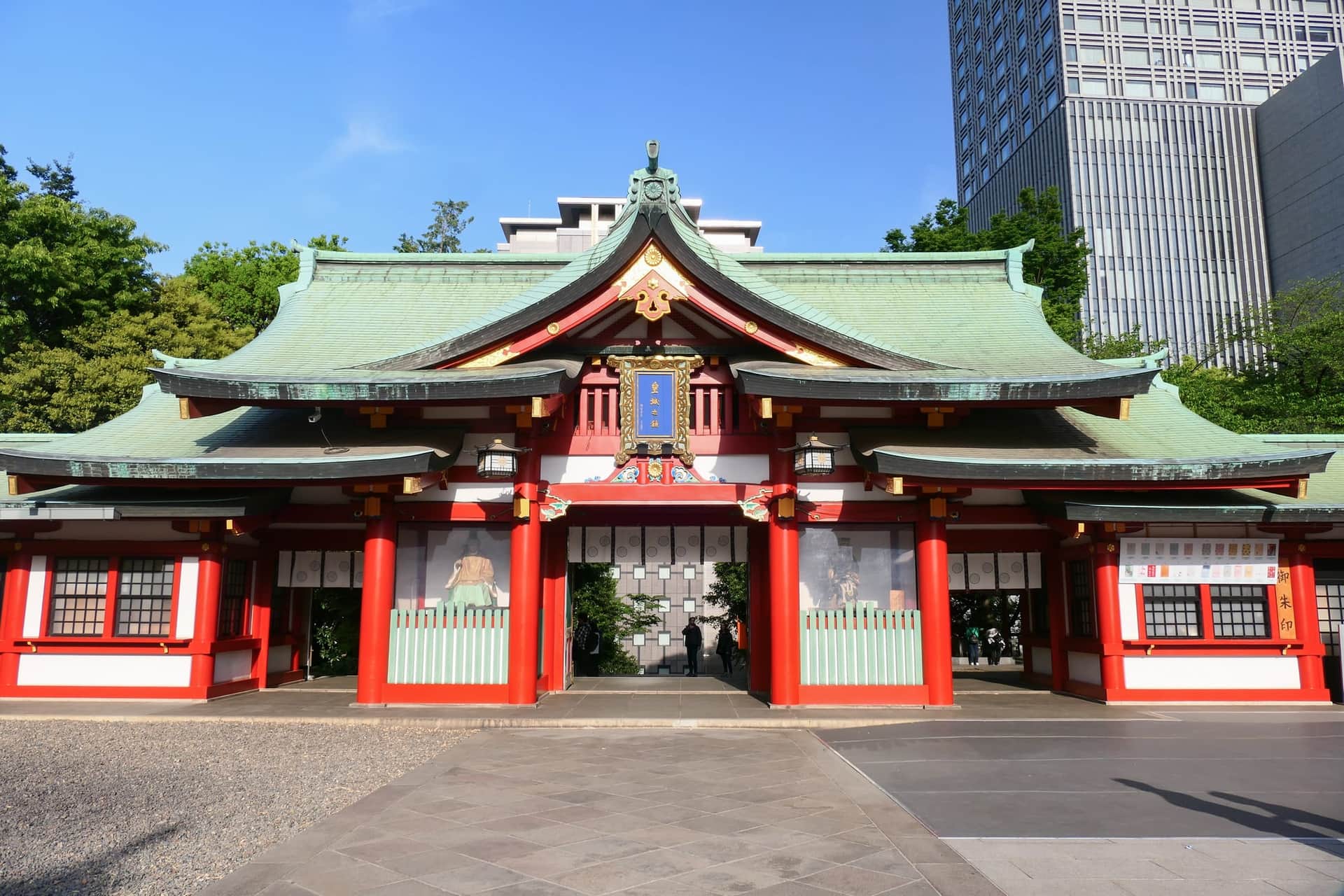
浅草下町めぐり
- 5か所
- 滞在を含め約270分
浅草寺
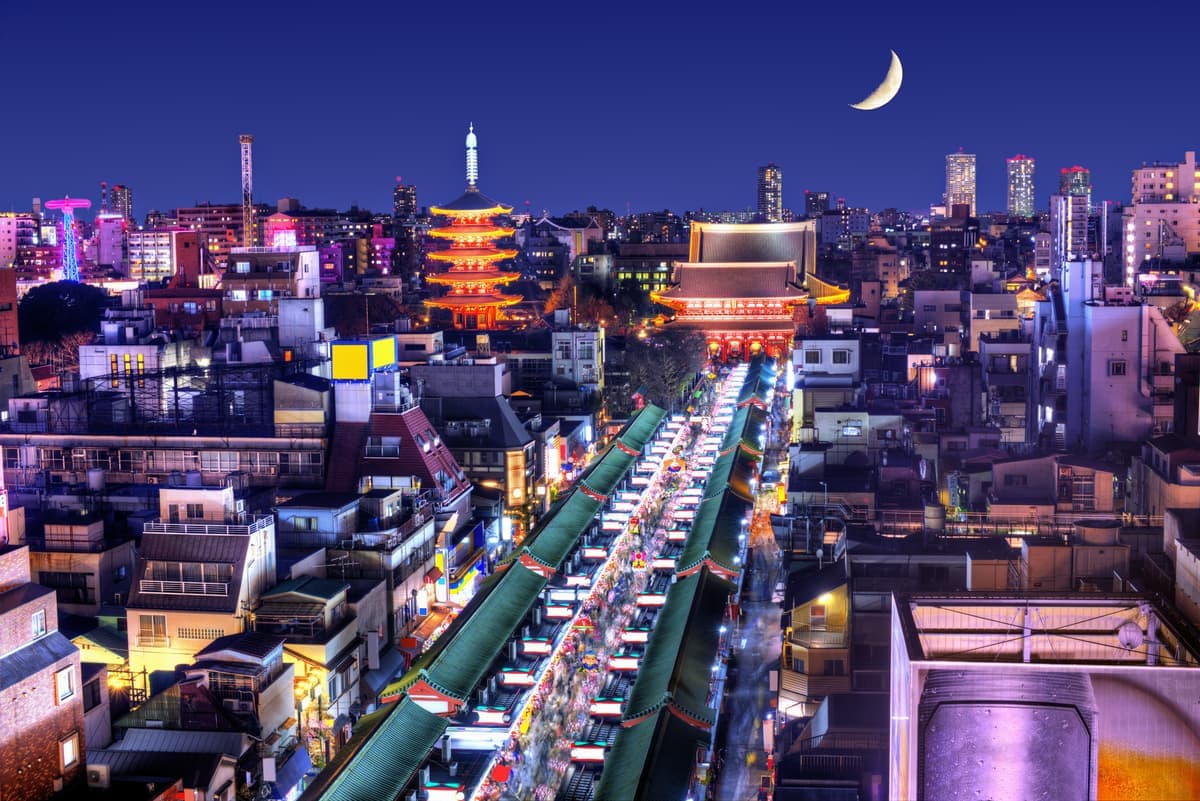
TaitoThe first thing that grips you at Sensō-ji is the sense that this place has never been merely a monument. It is a living center of devotion, crowded with pilgrims, day-trippers, and local worshippers, yet still anchored by a single hidden image of Kannon, the bodhisattva of compassion. Founded in 628, and known formally as Kinryū-zan Sensō-ji, this is Tokyo’s oldest temple and one of Japan’s most visited sacred sites, drawing more than 30 million visitors a year. The temple’s heart is famously unseen, because the principal image has been kept out of public view for centuries. That mixture of revelation and concealment, ritual and street life, gives the whole precinct its unforgettable character. Historical Foundations The temple’s origin story is one of the best-known in Japan. According to tradition, on the morning of March 18, 628, two fishermen, Hinokuma Hamanari and his brother Takenari, were fishing in the Sumida River when they found a small statue in their net. Their village headman, Haji no Nakatomo, recognized the figure as Avalokitesvara Bodhisattva, called in Japan Kannon or Sho Kanzeon Bosatsu, and devoted himself to Buddhist practice. He converted his home into a temple and spent the rest of his life in worship and memorial services. In 645, the priest Shokai arrived in the area and built a hall for the image. After receiving a revelation in a dream, he decided to conceal the statue from view. Since then, the sacred image has remained hibutsu, never publicly unveiled. That hidden status is one of the great defining features of Sensō-ji. In the mid-ninth century, the renowned Tendai priest Ennin visited and created a replica image, also associated with the temple’s devotional life, so that something could be shown occasionally to the public. Through the Kamakura period (1185 to 1333), the temple attracted the devotion of shoguns, military leaders, and literati. Its status rose again in 1590, when Tokugawa Ieyasu, the first Tokugawa shogun, designated it as the temple for shogunal prayers. During the Edo period (1603 to 1867), successive shoguns visited, and devotion to Kannon spread widely among common people. As Edo grew into one of the world’s largest cities, Asakusa developed into a major cultural center, later associated with theater, film, music, and vaudeville in the modern era. The temple was devastated in the 10 March 1945 firebombing of Tokyo during World War II. The main hall was rebuilt in the 1950s, specifically 1958, using donations from supporters across Japan. After the war, in 1950, Sensō-ji became independent, having previously been associated with the Tendai school. That sequence, destruction followed by rebuilding, is central to the way people understand the temple today, as both an old sanctuary and a place that was restored by collective faith. Architectural Mastery Sensō-ji’s precinct is defined by a procession of gates and halls that shape the visitor’s experience from the first step. The best-known entrance is Kaminarimon Gate, often translated as the Thunder Gate, whose massive red lantern has become one of Tokyo’s most recognizable images. Passing through it, visitors enter Nakamise-dōri, the approach street lined with shops selling traditional snacks, souvenirs, and crafts. The street is not an incidental extra. It is part of the temple’s ritual atmosphere, extending the transition from ordinary city life into sacred space. Beyond Nakamise lies Hōzōmon Gate, commonly called the Nio-mon Gate, and also Niten-mon Gate, both important architectural markers within the grounds. The complex also includes the striking five-story pagoda, one of the temple’s best-known landmarks. Nearby are Bentendo Hall, Awashimado Hall, Yogodo Hall, and the Main Hall, or Kannon-do. The main hall’s roof is especially notable: it rises in a dramatic slope, taller and more emphatic than what many visitors expect of a temple building. The structure is divided into the naijin or inner sanctuary and the gejin or outer sanctuary, and the principal image rests in a miniature temple inside the inner space. That small inner shrine, locked and protected, reinforces the paradox at the center of the site, public worship around an image that remains unseen. One of the temple’s most important surviving treasures is Denboin and its garden, designated a National Scenic Beauty Site. The grounds are not only built space but carefully composed landscape, where the architecture and garden together guide movement, pause, and contemplation. In the Main Hall, there are also two calligraphic masterpieces by Noguchi Sekko, one of the Three Best Calligraphers of the Edo Period, with texts quoting Hanjusan by Shan-tao of the Pure Land tradition. Even in calligraphy, the temple’s message is one of compassion and equal regard for all beings. Religious & Cultural Significance The temple is dedicated to Kannon, the bodhisattva of mercy and compassion, who responds to suffering with boundless benevolence. In Japanese Buddhism, Kannon appears in multiple forms, including Juichimen with 11 faces, Senju with 1,000 hands, and Nyoirin, associated with the wish-granting jewel and the Dharma wheel. Sensō-ji’s principal image embodies the basic form, one face and two hands, but the theology around it extends far beyond a single icon. This is also an active pilgrimage site. Sensō-ji is the 13th stop on the Bandō Sanjūsankasho pilgrimage route, and it receives worshippers from across Japan and beyond. The temple’s own materials state that it draws around 30 million visitors each year, making it one of the most frequented religious sites in the world. Devotion here is visible in simple gestures, especially the prayer taught to visitors at the main hall: place your hands together and chant “Namu Kanzeon Bosatsu”, meaning “I place my trust in Bodhisattva Kannon.” Several auxiliary halls deepen the temple’s devotional life. Yogodo Hall houses eight Buddhas connected with the Yogoshu, protectors associated with the Chinese zodiac, each thought to watch over those born in certain years. Awashimado Hall and Bentendo Hall add further layers of worship and local practice. The presence of these subsidiary cults makes Sensō-ji feel less like a single shrine to a single deity and more like a whole religious landscape. Natural Setting & Environment Sensō-ji was first established in what was once a fishing village at the edge of the Sumida River, in the wild landscape of Musashino near the estuary of Tokyo Bay. That origin matters, because the temple’s present urban intensity hides the fact that it began at a watery frontier. Even now, the temple’s setting reflects that relationship between the sacred and the changing city. Asakusa is dense and energetic, yet the temple precinct creates intervals of quiet, especially in early morning or after dark. The garden of Denboin offers a more deliberate encounter with nature. Its designation as a scenic site points to the care with which this environment has been shaped. Seasonal changes, the view of the pagoda, and the contrasts between open courtyards, wooden halls, and planted spaces all contribute to the atmosphere. The temple’s tall rooflines and pagoda are visible markers above the district, but the interior experience is more intimate, with incense smoke, bells, and the movement of people slowing as they pass from gate to gate. Visitor Experience & Heritage For today’s visitor, Sensō-ji is both a major religious site and a place where the texture of Tokyo’s older culture is still easy to feel. The route itself is part of the experience, from Kaminarimon through Nakamise-dōri to the main hall. You can obtain scarlet seal stamps at the temple, visit the halls one by one, or simply stand for a moment in front of the incense burner and watch the flow of people around you. The temple’s modern popularity never fully overwhelms its devotional core, because the route, the hidden image, and the prayer practice all keep reminding you that this is a functioning Buddhist sanctuary. Sensō-ji’s fame comes from more than age alone. It has survived political transformation, wartime destruction, postwar rebuilding, and the relentless expansion of the city around it. Yet the essential story has remained stable for nearly fourteen centuries, a fisherman’s net, a hidden statue, a community turned toward compassion. That is why the temple continues to matter so widely, not only as an icon of Asakusa or Tokyo, but as a place where Japanese Buddhist devotion, urban history, and popular culture still meet in one remarkably alive space.
滞在目安・90分拝観無料23人が訪問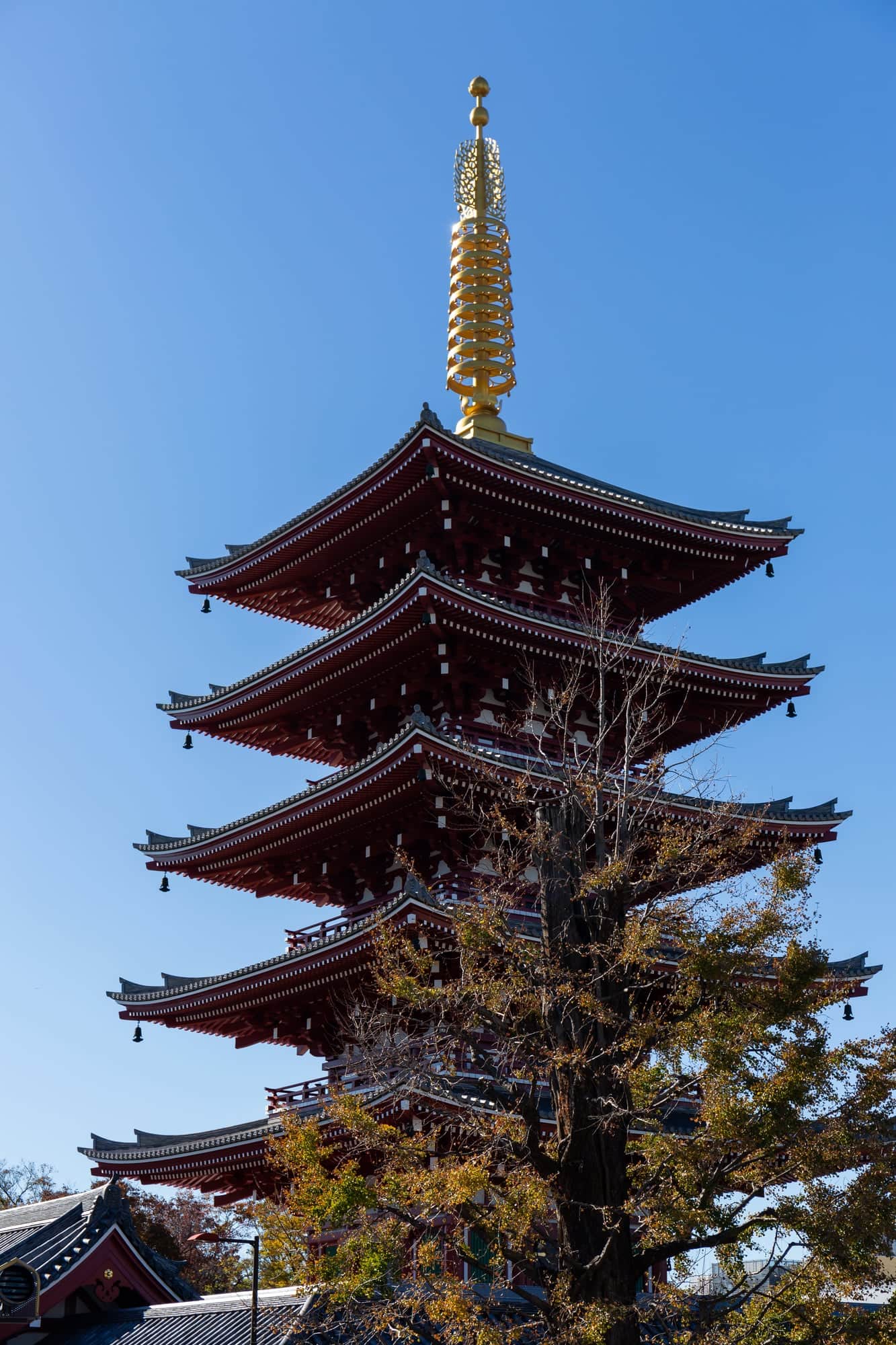
浅草神社
TaitoA single fishing net changed the destiny of Asakusa. On the morning of March 18, 628, two brothers, Hamanari and Takenari Hinokuma, cast their net into the Sumida River, then known as Asakusa Bay. They caught no fish. Instead, the net repeatedly brought up the same small image, a statue of Kannon, the Buddhist figure of compassion. Today, Asakusa Jinja preserves the memory of that discovery and venerates the three men connected with it: the fishermen and Hajinomatsuchi, the learned local landowner who recognized the statue. Known affectionately as Sanja-sama, or “the Three,” the shrine is also the spiritual center of Sanja Matsuri, one of Tokyo’s most famous traditional festivals. Historical Foundations The brothers first carried the mysterious image ashore near present-day Komagata and placed it on the stump of a Japanese pagoda tree, known as an enju. They then asked Hajinomatsuchi to examine it. He identified the figure as Kannon, a powerful object of devotion believed to bring benefits in this world. The brothers embraced faith in the image, prayed intensely, and asked that their next day’s fishing be successful. On March 19, their boat filled with fish. Hajinomatsuchi soon shaved his head, became a Buddhist monk, transformed his home into a temple, and devoted the remainder of his life to caring for the image and teaching the local population. This episode forms the legendary origin of Sensoji, whose growth brought prosperity to what had once been a small rural settlement. According to tradition, the descendants of the three men later received a dream revelation from Kannon. The message instructed them to enshrine their ancestors as protective deities beside the Kannon hall. The resulting sanctuary became known as Sanja Gongen, meaning the shrine of the Three Manifestations. Its precise foundation date is unknown. The tradition most plausibly places its establishment between the late Heian period and the early Kamakura period, when the religious idea of gongen was widespread. In that system, a buddha could appear temporarily in the form of a native Japanese kami in order to guide people. The shrine’s name changed during the modern separation of Buddhist and Shinto institutions. In 1868, the first year of the Meiji era, it became Sanja Myojin Shrine. It was designated a village shrine in 1872, and in 1873 received its present name, Asakusa Jinja, while becoming the general guardian shrine of Asakusa. Local residents still call it Sanja-sama, preserving the older identity. Architectural Mastery The present buildings were donated and constructed in 1649, during the reign of the third Tokugawa shogun, Tokugawa Iemitsu. Their survival is remarkable. Fires, wartime destruction, and the Great Kanto Earthquake of 1923 damaged much of Tokyo, yet the shrine buildings escaped major loss and retain the appearance of the early Edo period. The main complex consists of the inner sanctuary, the offering hall, and the worship hall. The latter two are connected by a covered passage, forming the architectural arrangement called gongen-zukuri. This style is associated with important Tokugawa-period sanctuaries, including Nikko Toshogu. It creates a layered progression from the public space of worship toward the more restricted sacred interior. The buildings were designated an Important Cultural Property of Japan in 1951. By 1996, their painted surfaces and lacquerwork had deteriorated substantially. A restoration costing 350 million yen renewed the exterior decoration. After 33 years had passed since the previous major restoration, the renewed colors brought back the strong reds, greens, golds, and dark lacquer tones characteristic of early Edo architecture. Look closely at the decorative creatures carved and painted throughout the complex. The phoenix represents auspicious rule and is associated with the birth of a virtuous sovereign. The kirin, a benevolent creature with the body of a deer, the head of a wolf, the tail of an ox, and the feet of a horse, is said to appear when an excellent ruler emerges. The unusual flying dragon, with a fish-like body and wings, governs water. Near the entrance, the right and left ministers, known as imperial retainers, hold weapons whose purpose is to repel evil. Religious and Cultural Significance The shrine’s central religious identity comes from the three founders, who are treated as local guardian deities. Their story links the sacred history of Asakusa with the origin of Sensoji and with the community’s prosperity. The relationship also reflects the older, intertwined religious world in which Buddhist and kami traditions worked together before the Meiji government ordered their institutional separation. The most dramatic expression of this local devotion is Sanja Matsuri, held each year on the third Saturday and Sunday of May. The festival’s present form developed during the Edo period, although its origins are older. The three principal portable shrines, Ichinomiya, Ninomiya, and Sannomiya, are carried through the neighborhood. The procession renews bonds among the shrine’s ujiko, or local parishioners, and expresses prayers for the prosperity of Asakusa. Visitors may see these great mikoshi in the portable shrine storehouse, which opens during the May festival, at New Year, and on some weekends and holidays in early spring. Other annual observances include sacred dances, miko maiden performances, the traditional Binzasara dance, purification rites, seasonal celebrations, and special worship services. The shrine also conducts ceremonies for newborn children, protection from misfortune, children’s festivals, and Shinto weddings. In modern Asakusa, it supports youth education and the continuation of traditional culture through workshops, seasonal farming activities, harvest events, and community programs. Natural Setting and Sacred Objects The torii marks the boundary between ordinary human space and the shrine’s sacred precinct. Asakusa Jinja’s front gate is a shinmei torii, erected in September 1885. Beside it is a shrine name tablet written by Sasaki Yukitada, a senior priest associated with the Grand Shrine of Ise. Before approaching the main building, visitors traditionally use the water purification pavilion to rinse their hands and mouth. The shrine’s sacred tree recalls the founding legend directly. Because the fishermen placed the recovered Kannon image on an enju stump, enju trees growing within the precinct are treated as shinboku, or sacred trees that can serve as vessels for divine presence. Two especially unusual stone guardian dogs date from the early Edo period. Rather than facing one another separately in the usual manner, these figures appear to sit close together. Their affectionate posture has given them associations with good relationships, marital harmony, and fulfilled love. The grounds also preserve an extraordinary record of Asakusa’s literary and performing-arts life. Monuments commemorate Kabuki actors, writers, poets, dancers, and local personalities, including Kawatake Mokuami, Nakamura Kichiemon I, Ichikawa En’o I, Kubota Mantaro, and Kawaguchi Matsutaro. Other stones honor the art of flowers, fans, and dance. A monument to the popular manga Kochikame connects the precinct with modern popular culture, while a hyakudo stone marks the route used for repeated devotional visits. The fan monument is connected with an annual ceremony on April 8, when old fans are ceremonially burned. Visitor Experience and Heritage Asakusa Jinja is located at 2-3-1 Asakusa, Taito-ku, Tokyo. It is approximately seven minutes on foot from Asakusa Station on the Tokyo Metro Ginza Line, Toei Asakusa Line, and Tobu Skytree Line, and about ten minutes from Tsukuba Express Asakusa Station. The shrine adjoins the Sensoji area, but vehicles may enter only from Umamichi-dori. On-site parking is reserved for people receiving prayers and for wedding participants, with permission from shrine staff. After worship, visitors may receive a goshuin, a calligraphic seal recording the date and place of pilgrimage. The practice originated as proof that a person had deposited a hand-copied sutra at a temple and became common at shrines during the Edo period. At Asakusa Jinja, regular seals include those of Asakusa Jinja, the Asakusa Seven Lucky Gods pilgrimage, and Hikan Inari Shrine, with each regular seal offered for 500 yen. Seasonal seals appear for New Year, Sanja Matsuri, and summer worship. The essential order is simple: bow at the torii, purify yourself, pray with two bows, two claps, and one bow, then request the seal. The shrine also participates in the Asakusa Seven Lucky Gods circuit, which actually visits nine temples and shrines, and in the Tokyo Fukume-guri, an eight-shrine pilgrimage. These routes extend the experience beyond a single precinct, revealing Asakusa as a living district where sacred tradition, neighborhood memory, performance, and everyday life remain closely connected.
滞在目安・45分拝観無料13人が訪問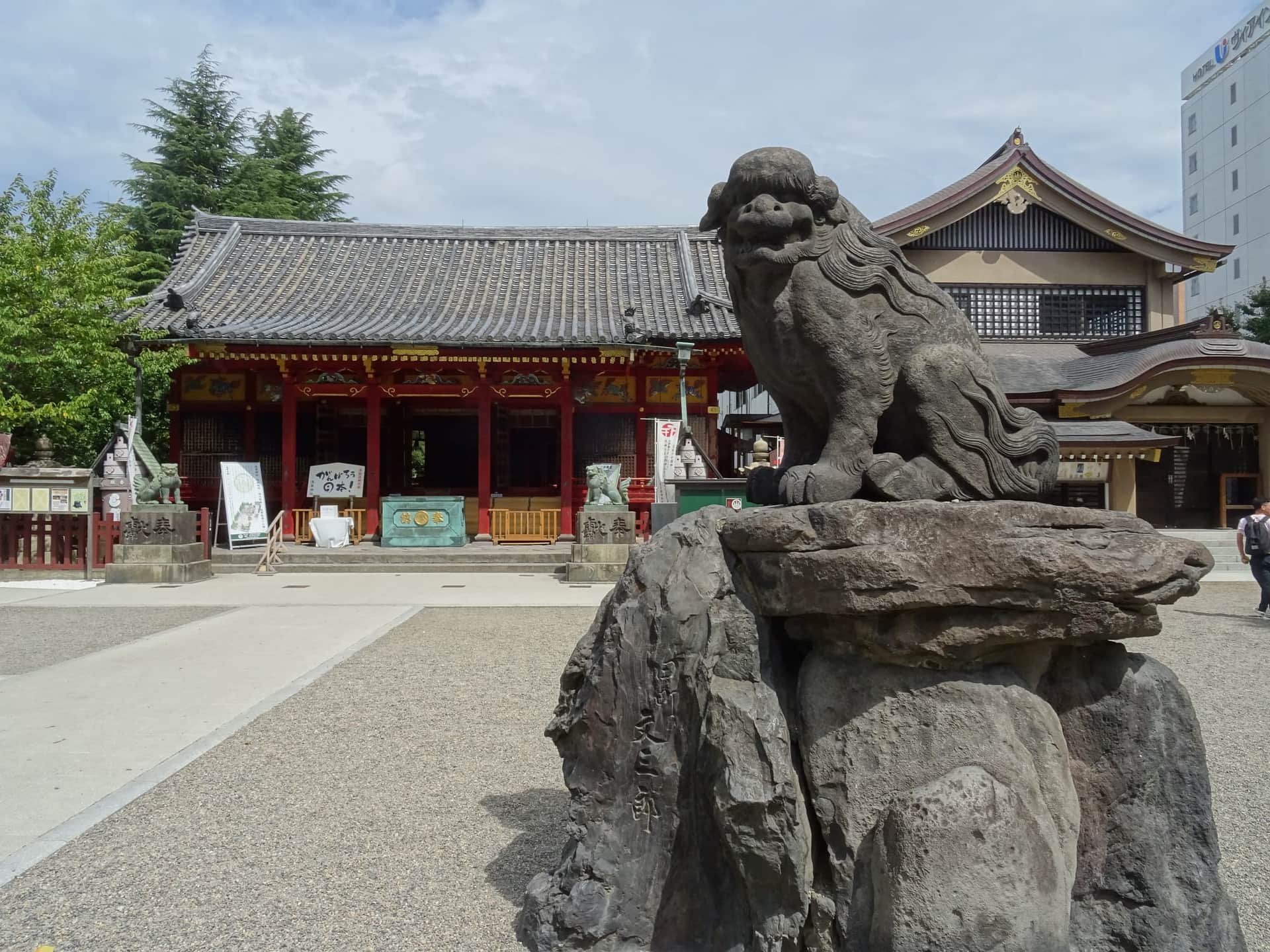
- 移動
約20分
待乳山聖天
Taito浅草にある歴史ある仏教寺院で、象頭の福徳と縁結びの神である歓喜天(聖天)を祀ることで知られています。大根の供え物と隅田川を見下ろす丘の上という独特な立地で有名で、繁栄の御利益を求める参拝者が訪れます。
滞在目安・45分拝観無料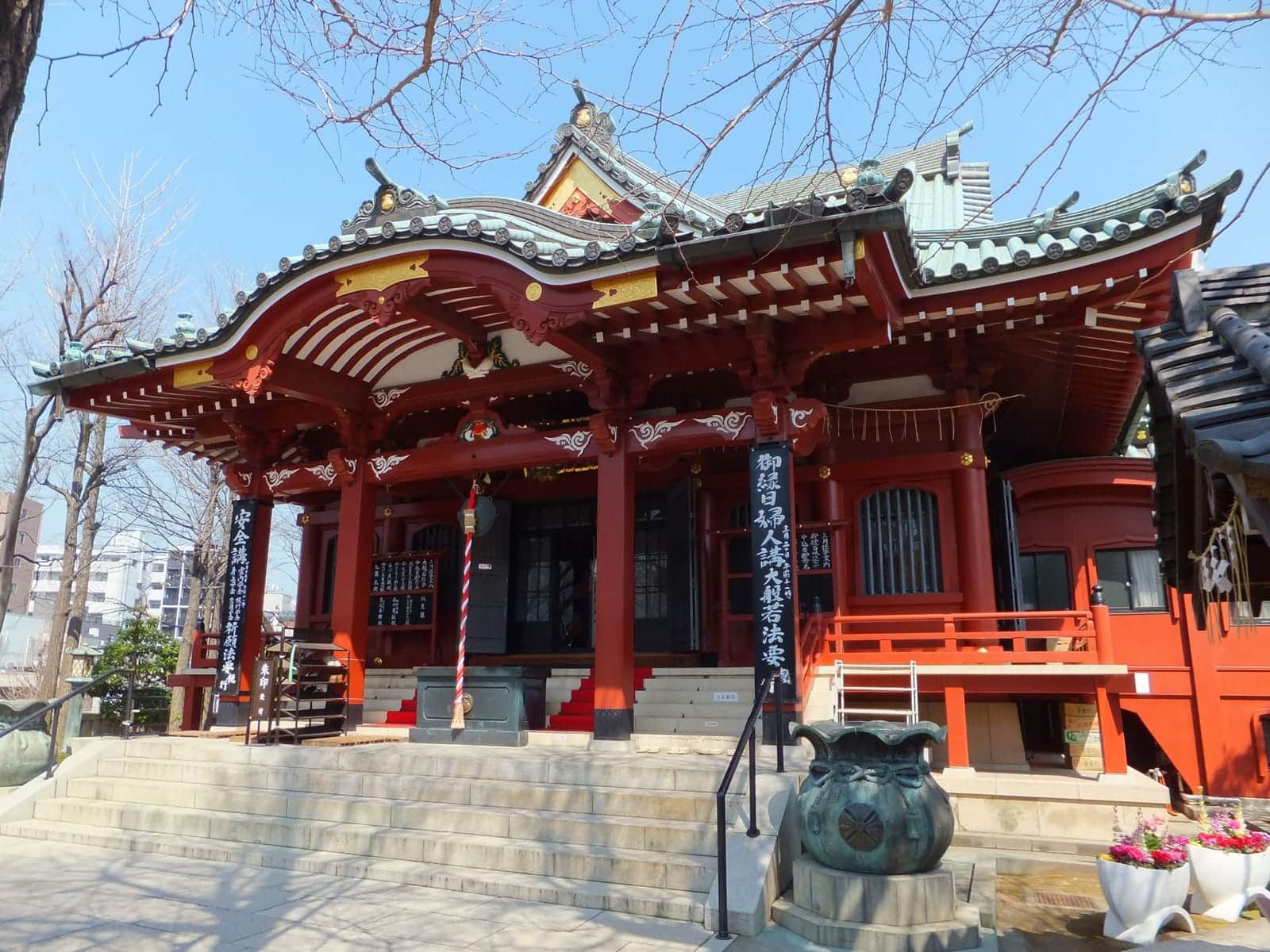
今戸神社
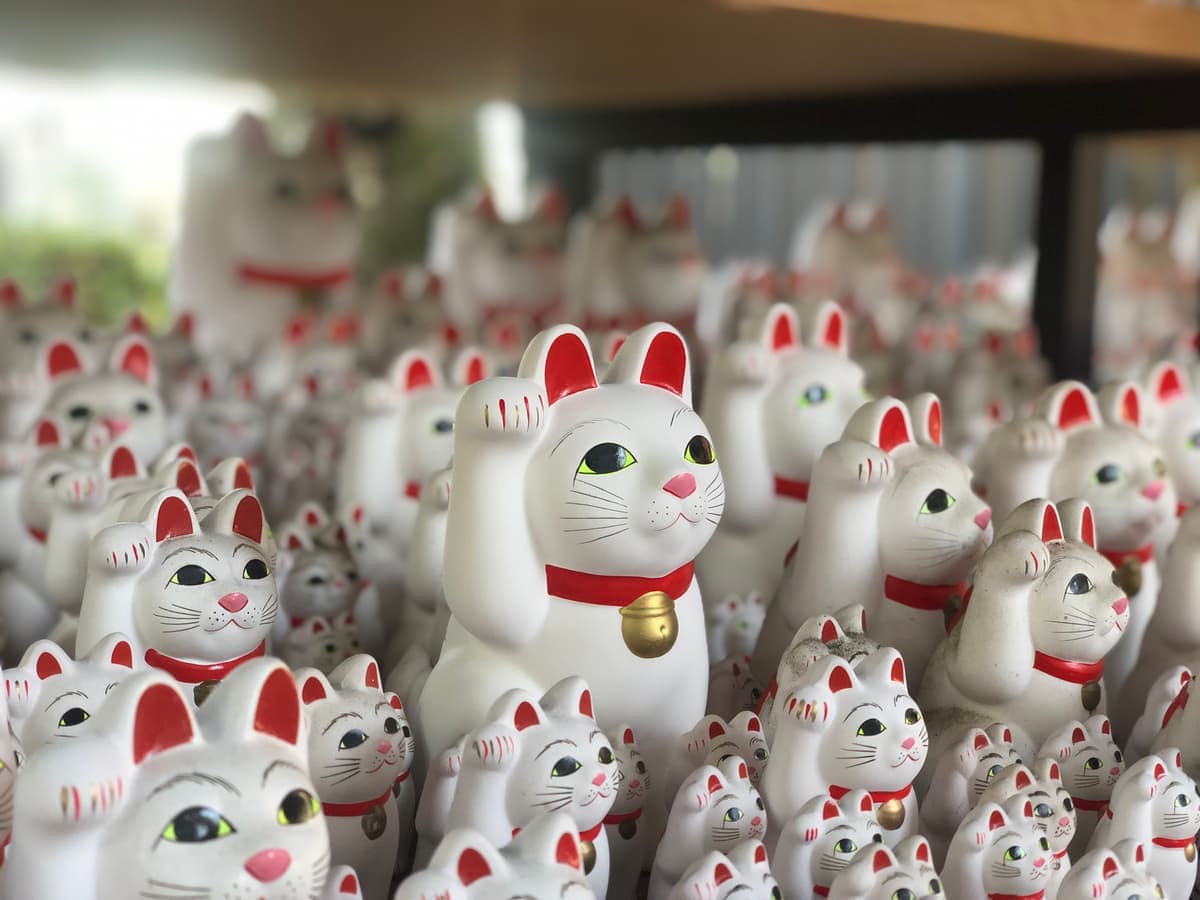
Taito招き猫の海がここであなたを迎えます—腕を上げた光沢のある姿が並び、その表情は穏やかでありながらも誘っています。ここは今戸、浅草、東京の東部に位置し、招き猫の発祥地として知られています。この「招き猫」は、日本中やその先で幸運を呼び寄せてきました。かつては独立した町でしたが、現在は台東区の浅草地区に組み込まれています。今戸はまた、今戸焼や今戸人形で知られ、江戸時代(1603–1868)に形成された民芸品です。この地域を活気づける物語は驚くほどシンプルです—夢を見た老女が、地元の粘土から猫の形を作り出したという伝説です—しかし、その文化的影響は計り知れません:商人たちはこの姿を幸運のシンボルとして採用し、裏通りの窯で生まれたイメージは、江戸から世界中の店舗で繁栄を象徴するようになりました。 歴史的基盤 今戸を理解するには、かつての都市江戸から始めるべきです。江戸時代(1603–1868)には、今戸の地元の窯が耐久性のある陶器や表現豊かな粘土人形を生産し、拡大する都市市場に供給していました。民芸は、町の人々—商人、エンターテイナー、巡礼者—の好みに応じて、日常生活に安全、成功、小さな喜びを約束する物で満たされたこうした地域で栄えました。 この文脈の中で、物語が形を成し、持続しました:貧しいが信心深い老女が、猫の形を作るべきだと夢見ました。彼女はそのビジョンに従い、粘土から猫を成形しました;その姿は売れ、彼女の運も上昇しました。この伝説は、招き猫の人間的な起源を提供し、人気のある魅力を個々の職人の手と希望に根付かせました。歴史的に重要なのは結果です:これらの民芸品は江戸中に広まり、商人たちは顧客を引き寄せるサインに敏感で、招き猫を幸運のシンボルとして採用しました。この姿は認識しやすく、再生産しやすく、店のウィンドウに置きやすいものでした。時が経つにつれ、猫の招きのジェスチャーは江戸の街の視覚的語彙の一部となりました。 今戸のアイデンティティ—地域、工房、物語のあるオブジェクトが絡み合う—は、行政の境界が変わっても持続しました。かつては独立した町でしたが、現在は台東区に管理され、浅草に根付いています。この地域は重層的な都市文化で有名です。ここにはユネスコの登録はありませんが、その無形の遺産—工芸、物語、シンボル—は焼き物のように耐久性があります。 建築の卓越性 今戸の「建築」は、作ることの建築です:窯、工房、そして粘土が商業に変わる店の前面。江戸時代には、今戸の地元の窯が今戸焼—実用的な陶器—と、手頃な価格と魅力のために成形、乾燥、焼成された粘土人形を生産しました。プロセスはシンプルでした:扱いやすい粘土を手で成形するか、シンプルな型に押し込んで、ひび割れを防ぐために慎重に乾燥させました。焼成によって作品は硬化し、手描きで顔、ジェスチャー、色が加えられました。結果として生まれた今戸人形は、記念碑的ではなく、手と炉に向けられた表現豊かなものでした。 招き猫は、この実用的で再生産可能な工芸の世界に属します。その力は記念碑的なスケールではなく、標準化されたシルエットにあります:丸い体、直立した姿勢、招く弧を描く前足。このデザインは繰り返しモデル化でき、バリエーションを持って塗装され、商人が手頃な価格で販売できるものです。その意味で、この姿は江戸時代の製品デザインの傑作であり、一目で認識でき、店のウィンドウで瞬時に理解でき、表面のディテールに無限の適応性を持ちながら形は安定しています。今戸の職人たちは、まさにこのバランスに特化していました。 今日歩くと、重要なのはショップやスタジオで、そこでは系譜が続いています:ジェスチャーのカタログのように見えるウィンドウディスプレイ;招く前足の視覚的合唱を演じる棚;現代の作り手が今も形を作り、塗装する作業台。工芸の建築—テーブル、道具、乾燥ラック—は控えめですが、江戸時代以来原則としてほとんど変わらない労働と物の洗練された振り付けを明らかにしています。 宗教的・文化的意義 今戸は寺院の境内ではありませんが、江戸・東京の精神的経済の中に位置し、信仰、商業、日常生活が絡み合っています。招き猫はこの融合を体現しています:繁栄を招くための幸運の象徴です。江戸時代には、こうした物は実用的な護符として機能しました;商人は入り口に置いて通行人に招く信号として使いました。江戸の商人たちは、現代のビジネスがそうするのと同じ理由でこれを受け入れました:それは誰もが読める言語で歓迎と希望を伝えます。 老女の伝説はここで重要です。それは運を皇帝の後援や秘儀的な儀式に求めるのではなく、作るという謙虚な行為に見出します。運の民主化—小さな粘土の姿を通じて具体化された繁栄—は、浅草の精神を適切に反映しています。歴史的にエンターテイナー、商人、職人の地区である浅草は、時が経つにつれ、招き猫はその地域の起源を超えて、日本や東アジア全体で普遍的なシンボルとなりましたが、その文化的DNAは今戸に深く根付いています:手作りで、手頃で、楽観的です。 今日の浅草地域では、伝説への絶え間ない言及が見られます—ジェスチャーを反映したカード、ポスター、マスコット;繁栄の小さな祭壇を整えるかのように招き猫を並べた店舗。姿に付随する「正しい」儀式は一つではありませんが、一つを選び、しきい値に置き、「働かせる」行為自体が口語的な信仰です。 自然環境 今戸の環境は都市的で親密です:浅草の狭い通り、低い店舗、活気ある歩行者のリズム。ここでの重要な自然素材は土そのものであり、かつて地元の窯を支え、今もこの地域の工芸のアイデンティティを支えています。劇的な山の景色や寺院の庭ではなく、今戸は異なる美学を提供します:手で成形された粘土の温かい触覚的存在、変わる日光の下でのマットと光沢の釉薬、工芸と商業が出会う人間規模の通りです。 季節ごとに、地域のエネルギーは人の流れに応じて変わります—週末は賑やかで、平日の朝は静かです—これにより、異なる光の中でフィギュアを体験できます。ここでの遺産は日常の都市景観に織り込まれているため、生き生きと感じられます:ガラスの下で保存されるのではなく、店舗のウィンドウ、スタジオの作業台、買い手と作り手の迅速な交換の中で出会います。 訪問者体験と遺産 今日、何が見られますか?招き猫のフィギュア、今戸焼、今戸人形を販売するショップやスタジオの豊かな集中を期待してください。老女の伝説への視覚的なヒント—イラスト、看板、または小さな物語の展示を探してください。多くの店舗では、異なるサイズの猫の家族がテーマごとにグループ化されており、フィギュアが職人の作業台から市場のディスプレイに移行した様子を感じる手助けをします。楽しみは比較的です:表情の微妙な違い、上げられた前足の角度、色と釉薬の相互作用—すべてが作り手の手を示す手がかりです。 今戸は台東区の浅草地区に管理されているため、他の文化的ハイライトにも簡単にアクセスできますが、工芸に根ざした独自のアイデンティティを保持しています。ここにはユネスコの指定はありませんが、それは奇妙に解放的です:遺産は儀式的ではなく、参加型に感じられます。小さなフィギュアを購入することは単なる買い物ではなく、**江戸時代(1603–1868)**に遡る生きた伝統に関与することです。文脈を楽しむなら、商人に在庫について尋ねてみてください—多くはパターン、価格帯、これらの物が地元の習慣にどのようにフィットするかを説明するのを喜んで行います。 招き猫は遠くまで旅をしましたが、その最も響く場所はここ、物語が始まった場所です:想像力を粘土に、粘土を形に、形を都市全体の歓迎の言語に変えた地域です。体験は静かでありながら力強いものです。あなたは伝説から窯、そして店のウィンドウへの弧をたどり、その旅の中で日常の物が都市の記憶の重みをどのように運ぶかを垣間見るのです。今戸は壮大なホールや高い門を誇ることはありませんが、同様に持続的なものを提供します:工芸、商業、そして信仰がどのように絡み合い、上げられた前足を持つ小さなフィギュアが現代の世界を招くようになったかの集中した教訓です。
滞在目安・45分拝観無料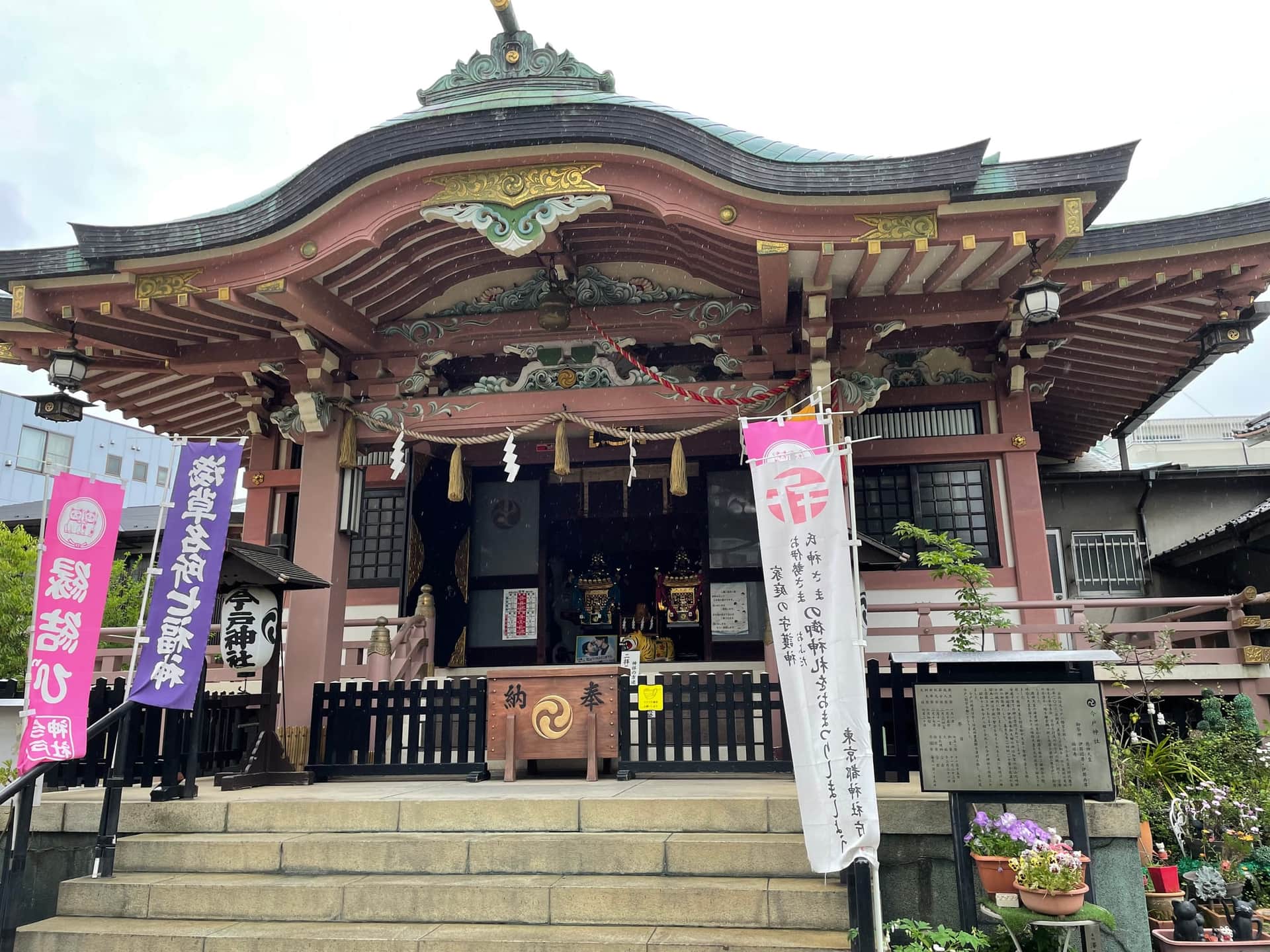
- 移動
約20分
小野照崎神社
Taito小野照崎神社は、東京都台東区下谷にある歴史ある神社で、入谷駅と鶯谷駅の近くに位置しています。852年に創建されたと伝えられ、小野篁を祀っており、丘の上の境内と、重要有形民俗文化財である下谷坂本富士塚で知られています。
滞在目安・45分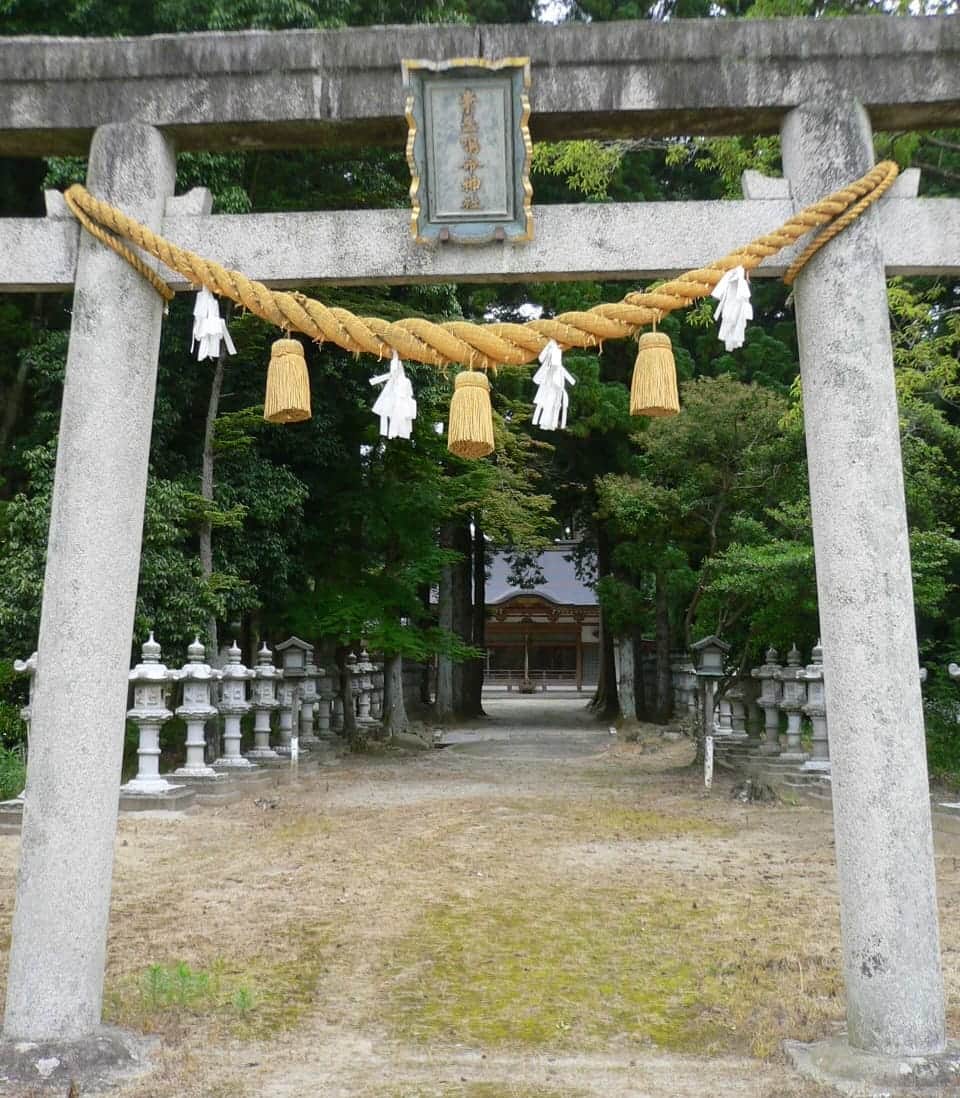
上野から神田へ
- 4か所
- 滞在を含め約180分
不忍池弁天堂
Taito17世紀の弁才天を祀る仏教寺院の堂。上野公園の不忍池の島にあり、蓮の花に囲まれ、短い橋で渡れる静かな雰囲気が特徴。
滞在目安・30分拝観無料10人が訪問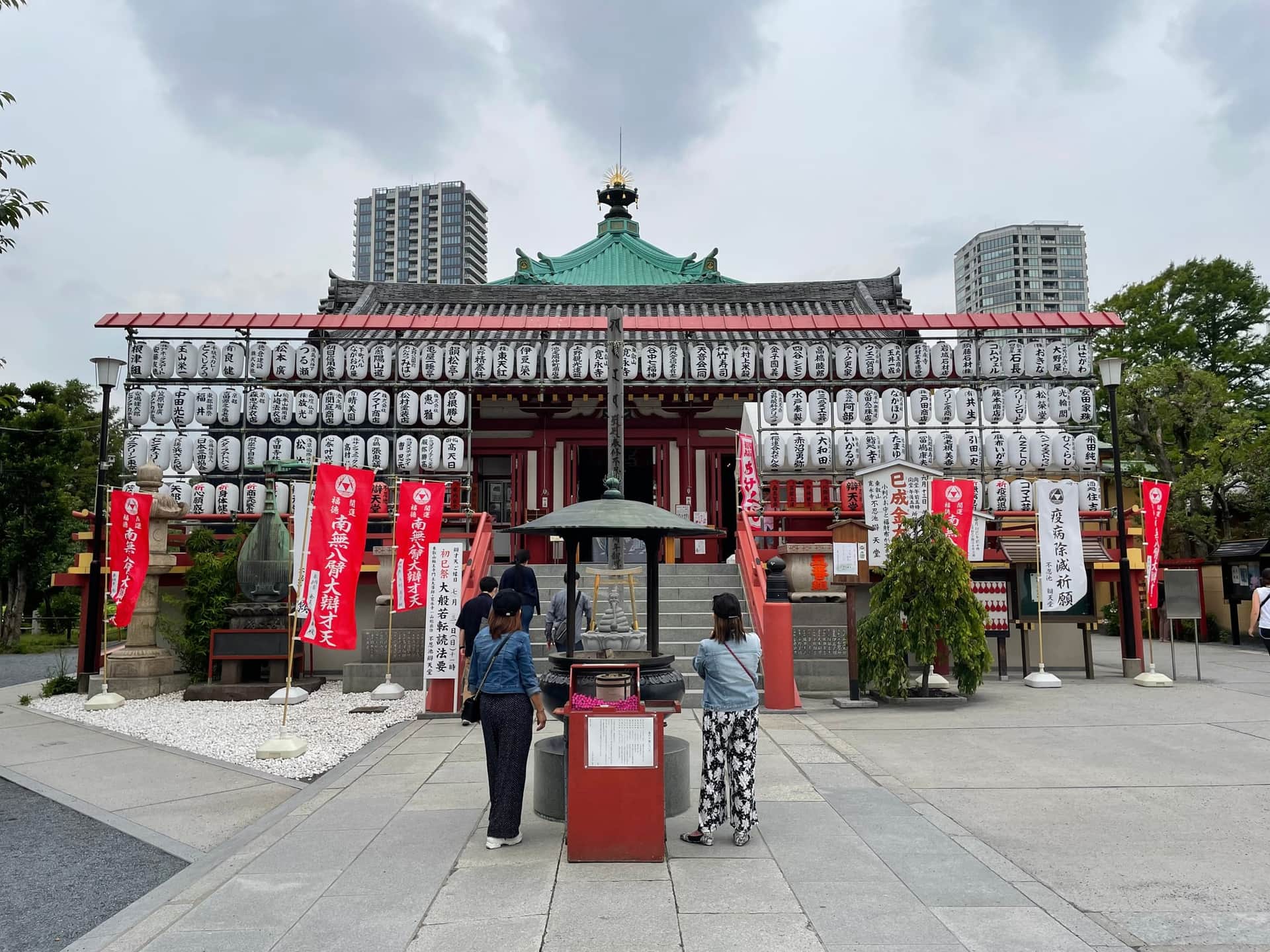
寛永寺
Taito1625年創建の天台宗寺院。かつては広大な寺域を誇り、徳川家の菩提寺として栄えた。徳川将軍6名が眠る。戊辰戦争で大部分が焼失したが、現存する建造物にその歴史が刻まれている。
滞在目安・45分拝観無料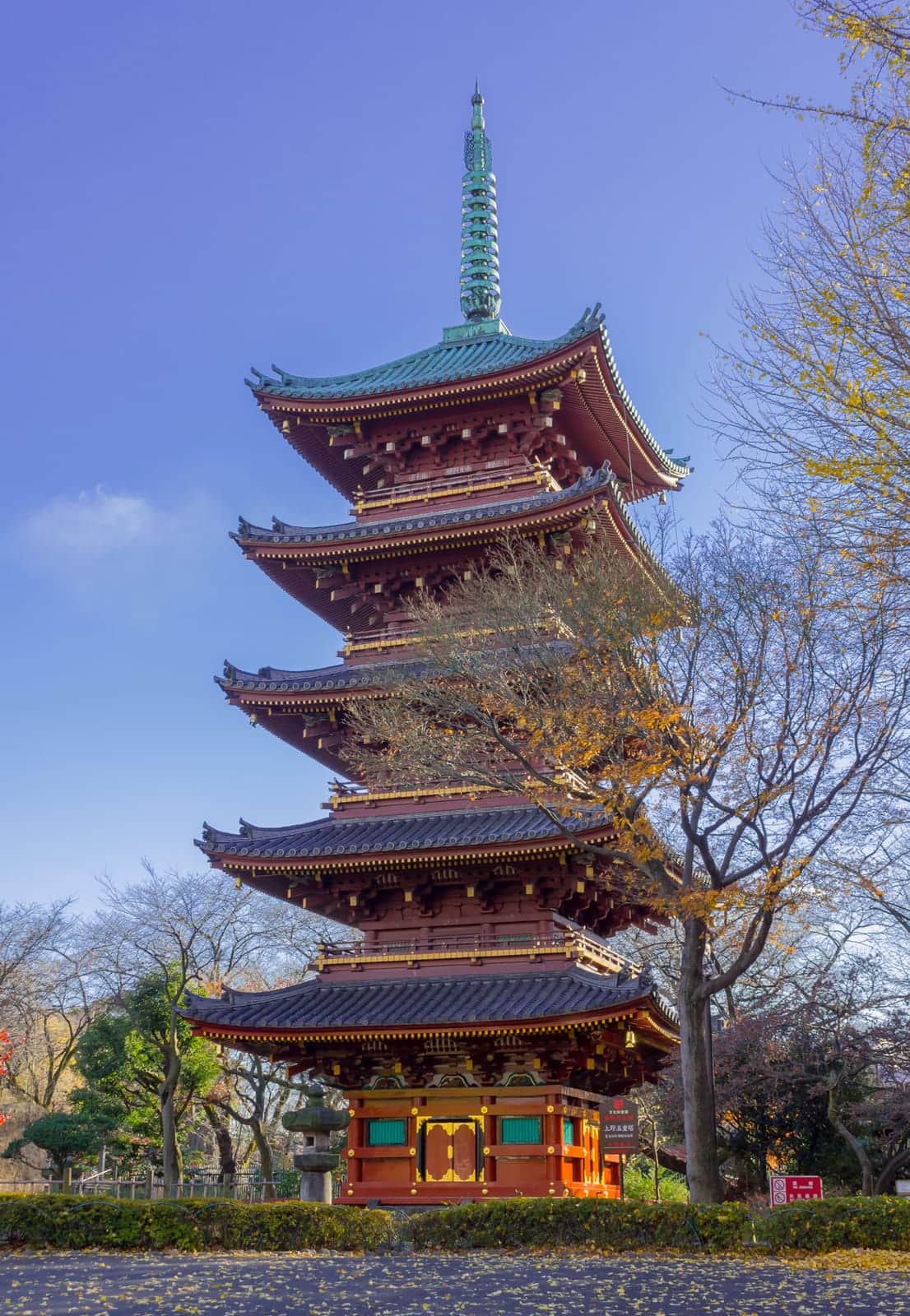
- 移動
約20分
湯島天満宮
Bunkyo湯島天満宮は、東京都文京区に鎮座する神社です。都市部の住宅地に位置し、地域の神道信仰の場として、また周辺の氏神様や日常的な信仰の風景を探訪する訪問者にとって有益な文化的立ち寄り地として機能しています。
滞在目安・45分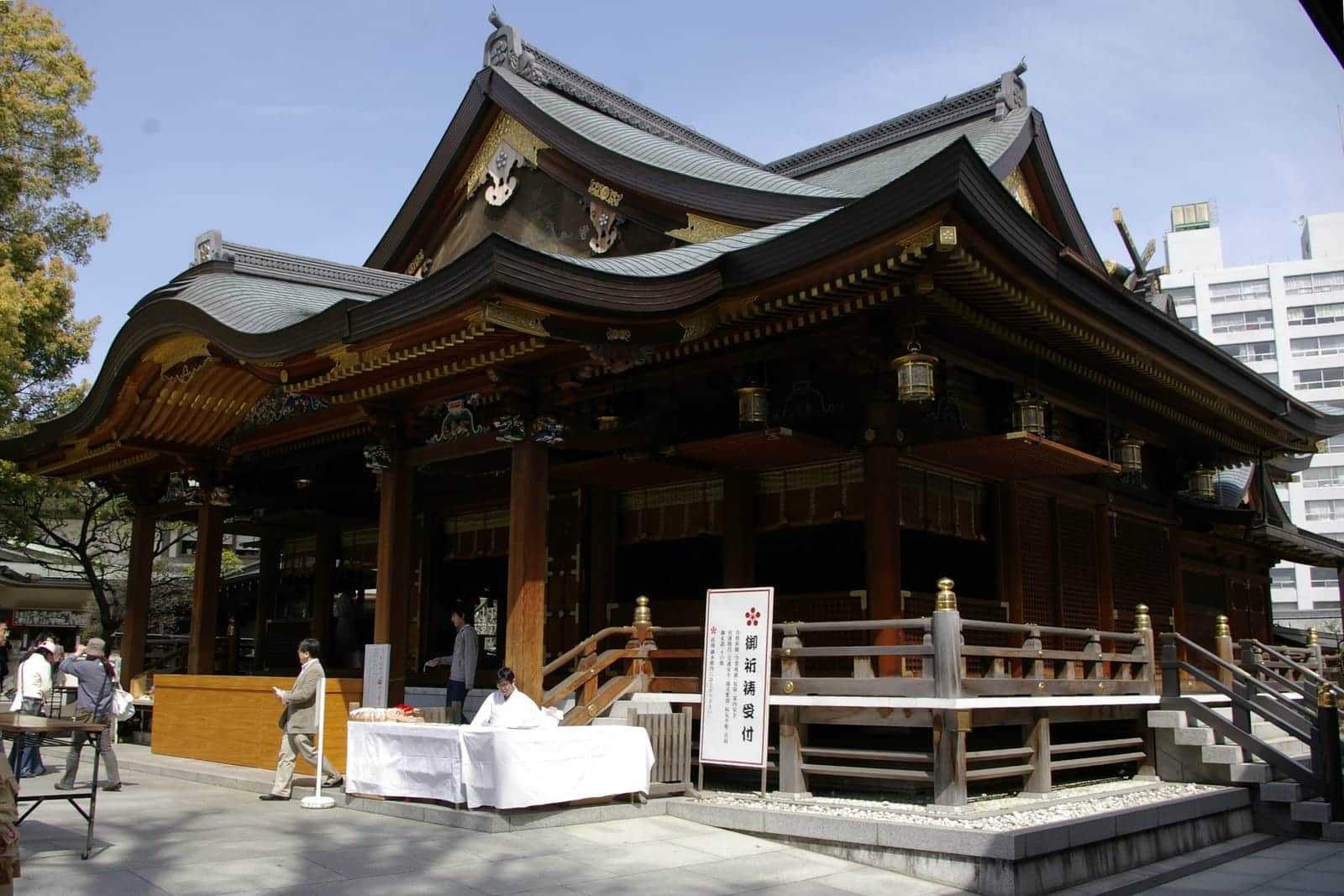
Kanda Myoujin
Chiyoda滞在目安・60分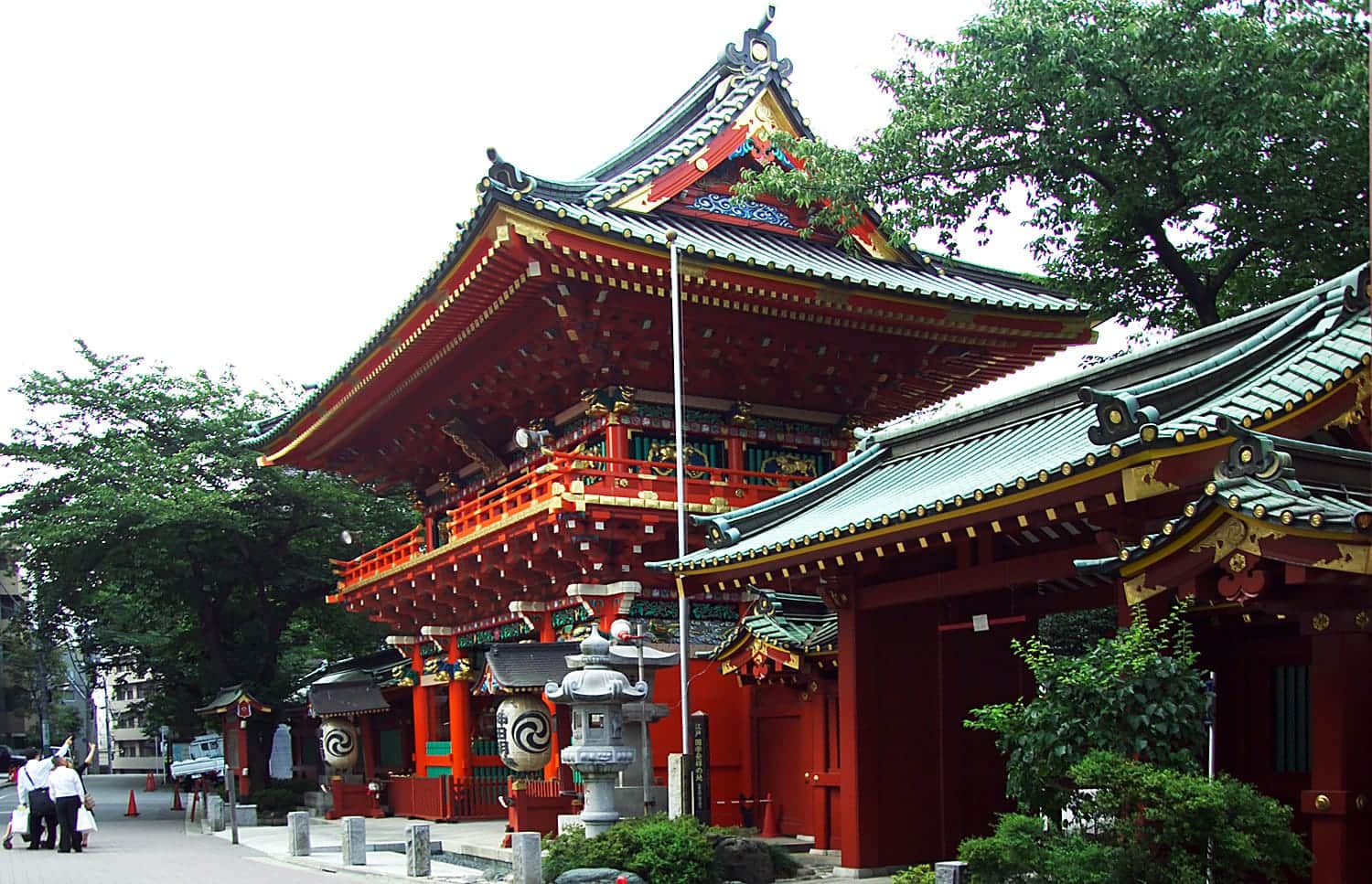
東京都をもっと楽しむ旅程
短く巡る旅、静かな場所を訪ねる旅、さらに深く味わう旅を見つけましょう。