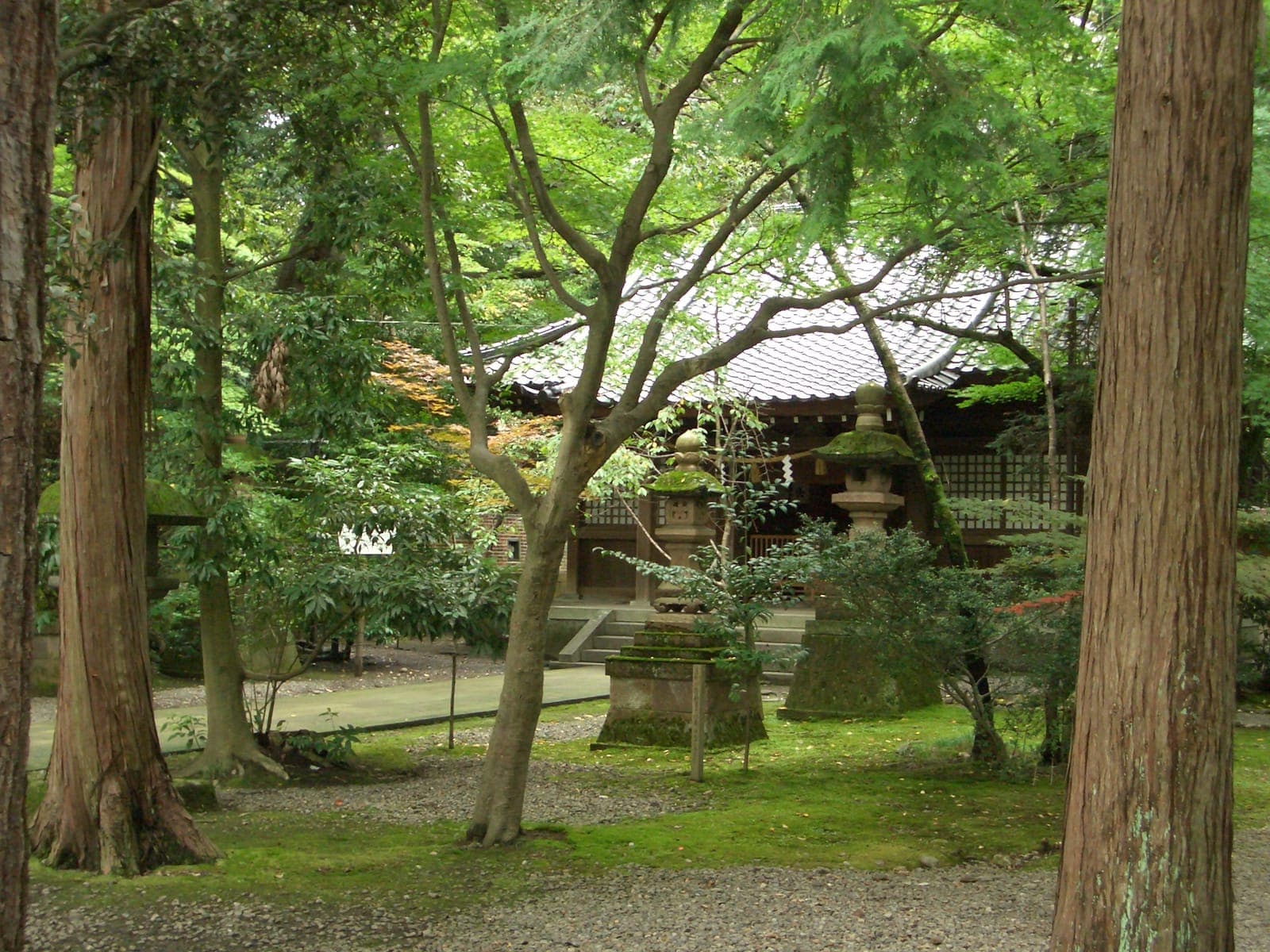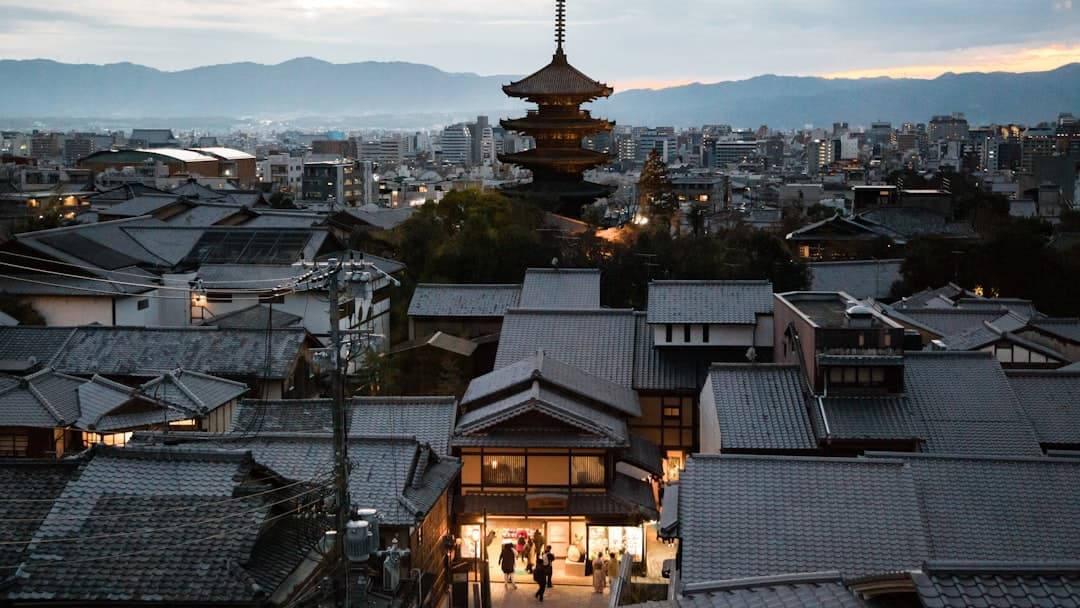
In Prefettura di Ishikawa, start with sacred sites such as Encho-ji, Utasu, and Myoryu-ji, with 2 highlighted cities and wards to start from. Use the listings below to compare temple and shrine clusters, check goshuin details, and plan visits by area.
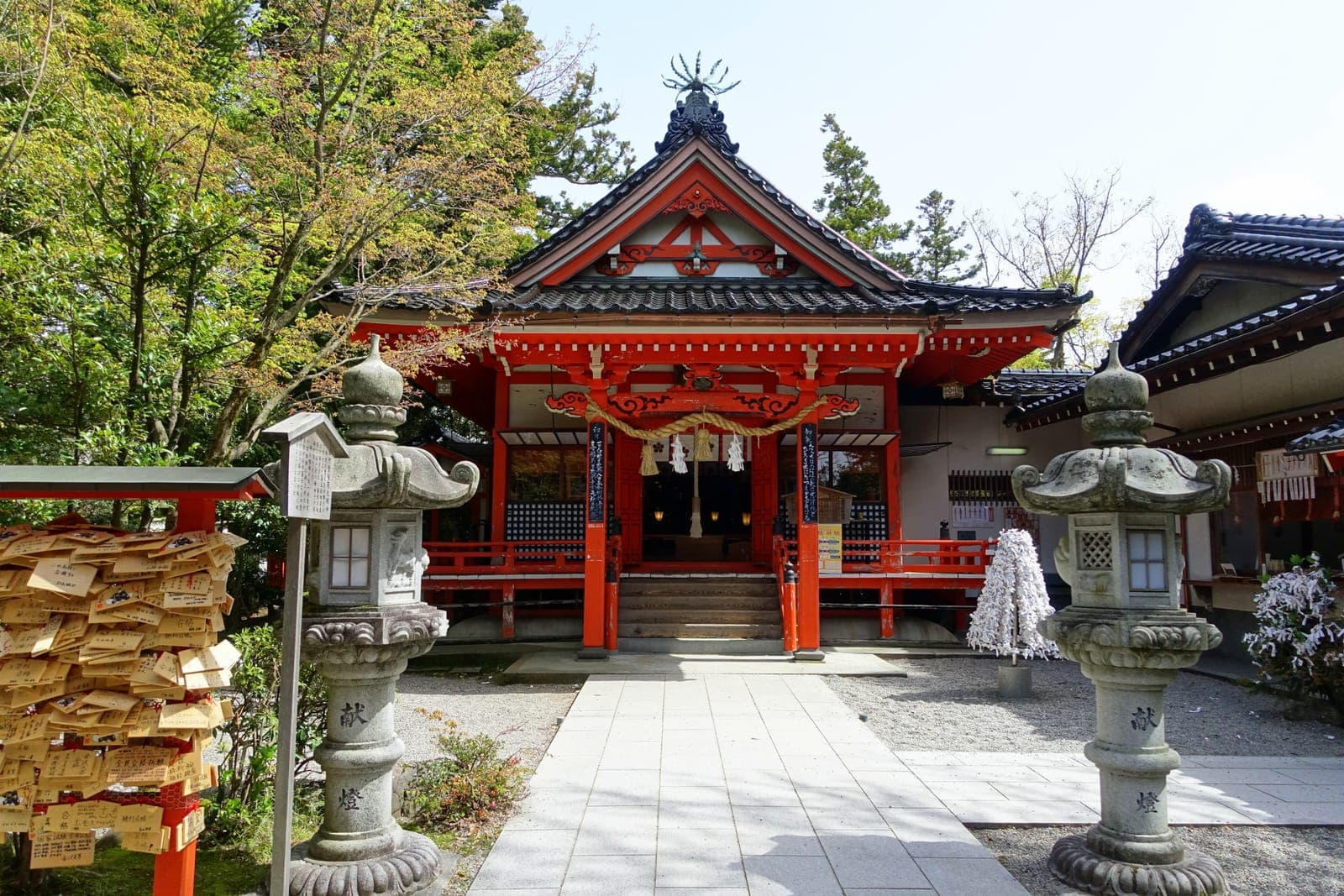
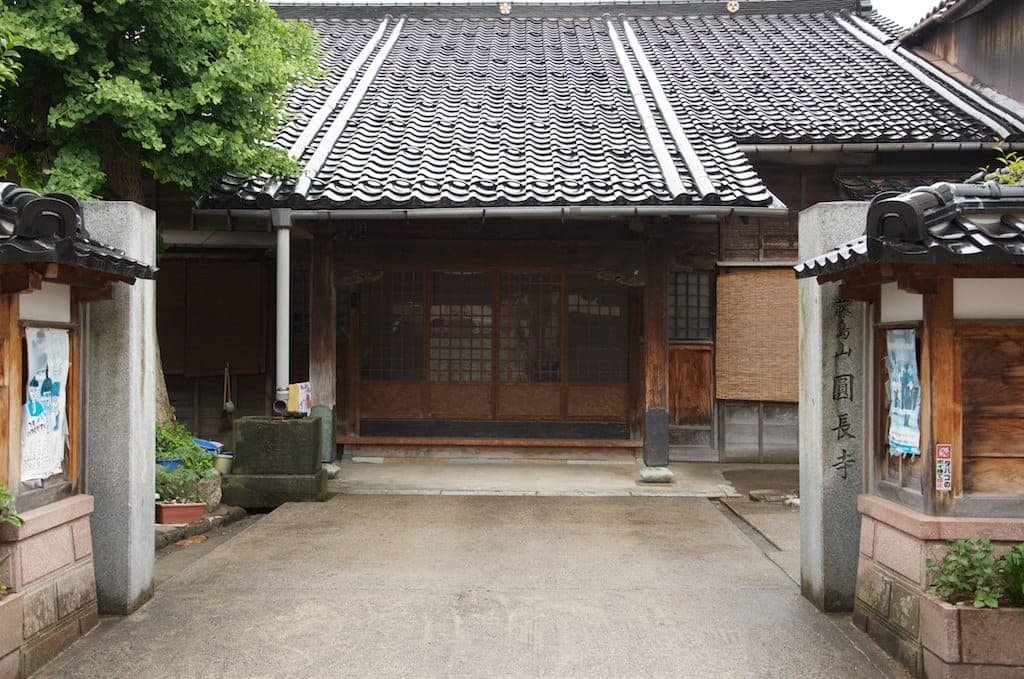
Enchoji is a Buddhist temple located in Ishikawa Prefecture, Japan. Situated in the Hakusan area, it is a traditional Japanese temple that serves the local community. The temple features classic Japanese Buddhist architecture and offers a tranquil setting...
Indirizzo: 1 Chome-4-40 Higashiyama, Kanazawa, Ishikawa 920-0831, Japan
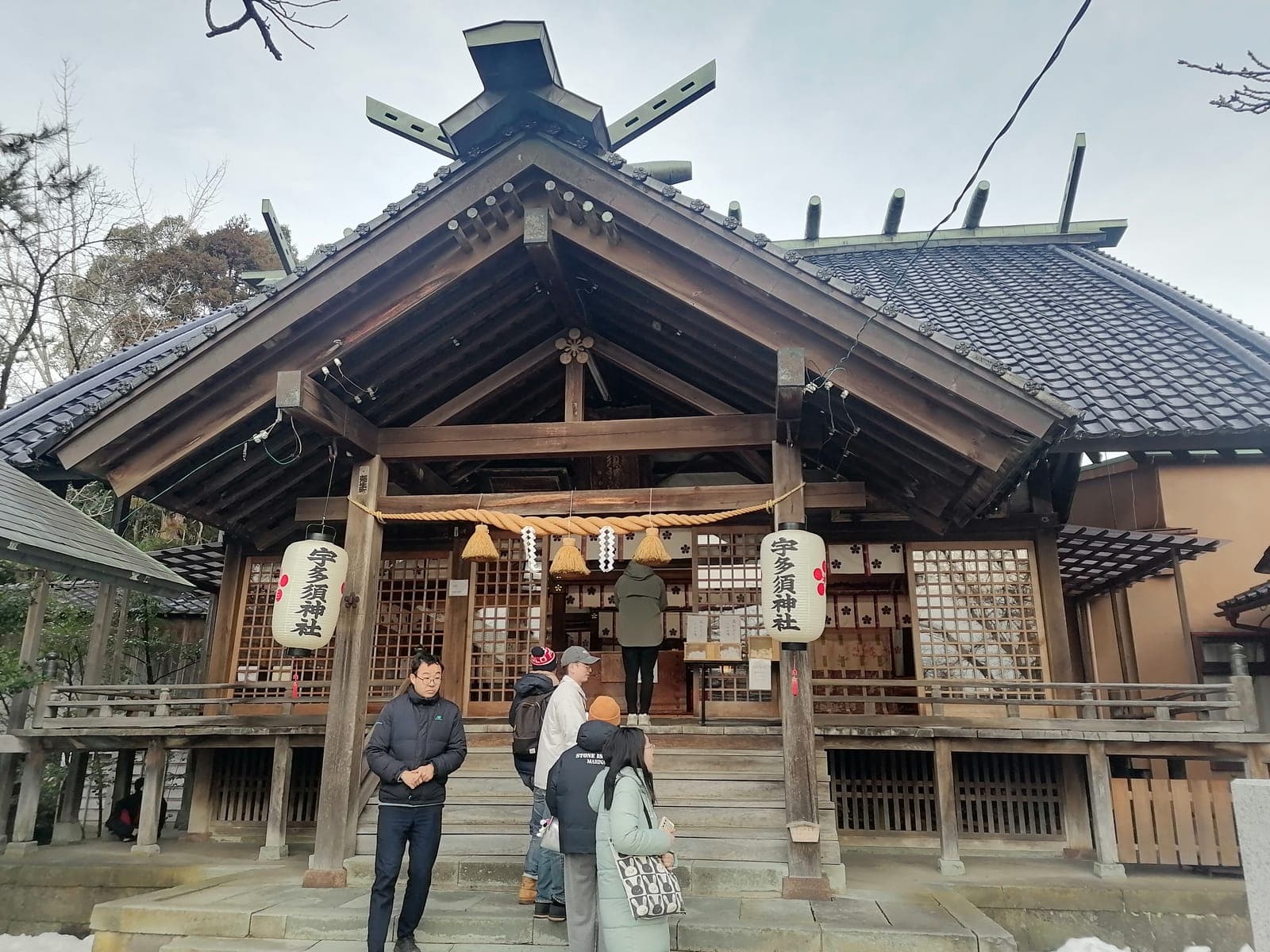
Utasu Shrine is a historic Shinto shrine in Kanazawa’s Higashiyama district, near the Higashi Chaya area. Tradition says it began from a mirror unearthed by the Asano River and later became associated with the Maeda clan and local festivals.
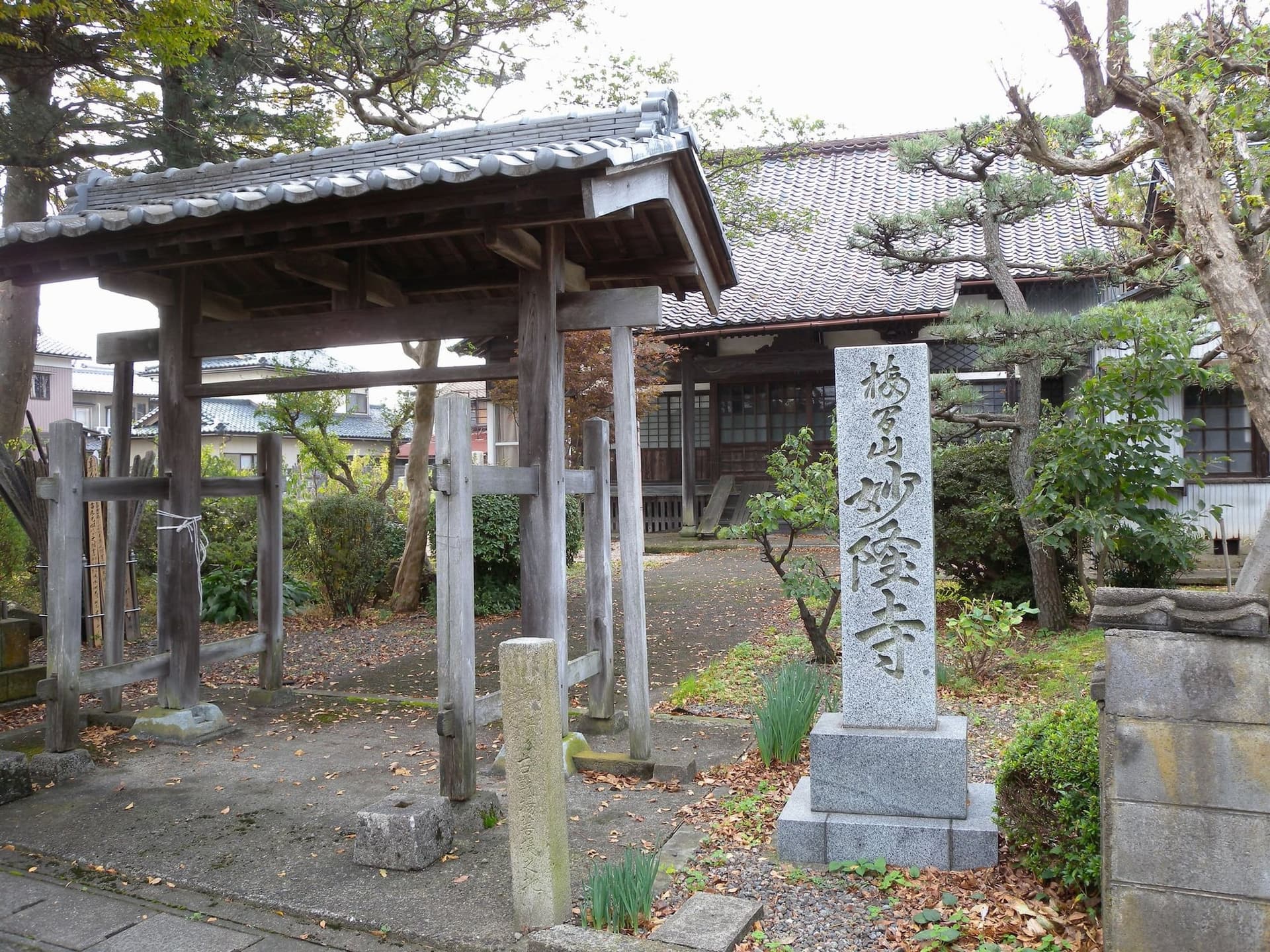
Myōryūji (妙立寺), o “Ninjadera”, è un tempio buddhista nichiren fondato nel 1643 a Kanazawa, Ishikawa. Costruito per il clan Maeda, presenta botole, scale nascoste e stanze celate, un’architettura difensiva che gli ha valso il soprannome da ninja, anche se non...
Perché dovresti andare
A 21 anni, il monaco Nisshin compì una brutale austerità invernale di 100 giorni con l’acqua nello stagno del tempio, ancora oggi chiamato “Gyō-no-ike” (Stagno dell’esercizio) e visibile nei terreni.
Il tempio ospita una statua in legno di keyaki monoblocco di Jurōjin, uno dei Sette Dei della Fortuna, con un compagno cervo che simboleggia 3.000 anni di longevità.
Se porti il tuo goshuin (non il libro ufficiale Kamakura Shichifukujin), sappi che il tempio potrebbe darti un biglietto già scritto invece di scrivere sul tuo. Chiarisci la tua preferenza all’ufficio del tempio.
Indirizzo: 1 Chome-2-12 Nomachi, Kanazawa, Ishikawa 921-8031, Japan
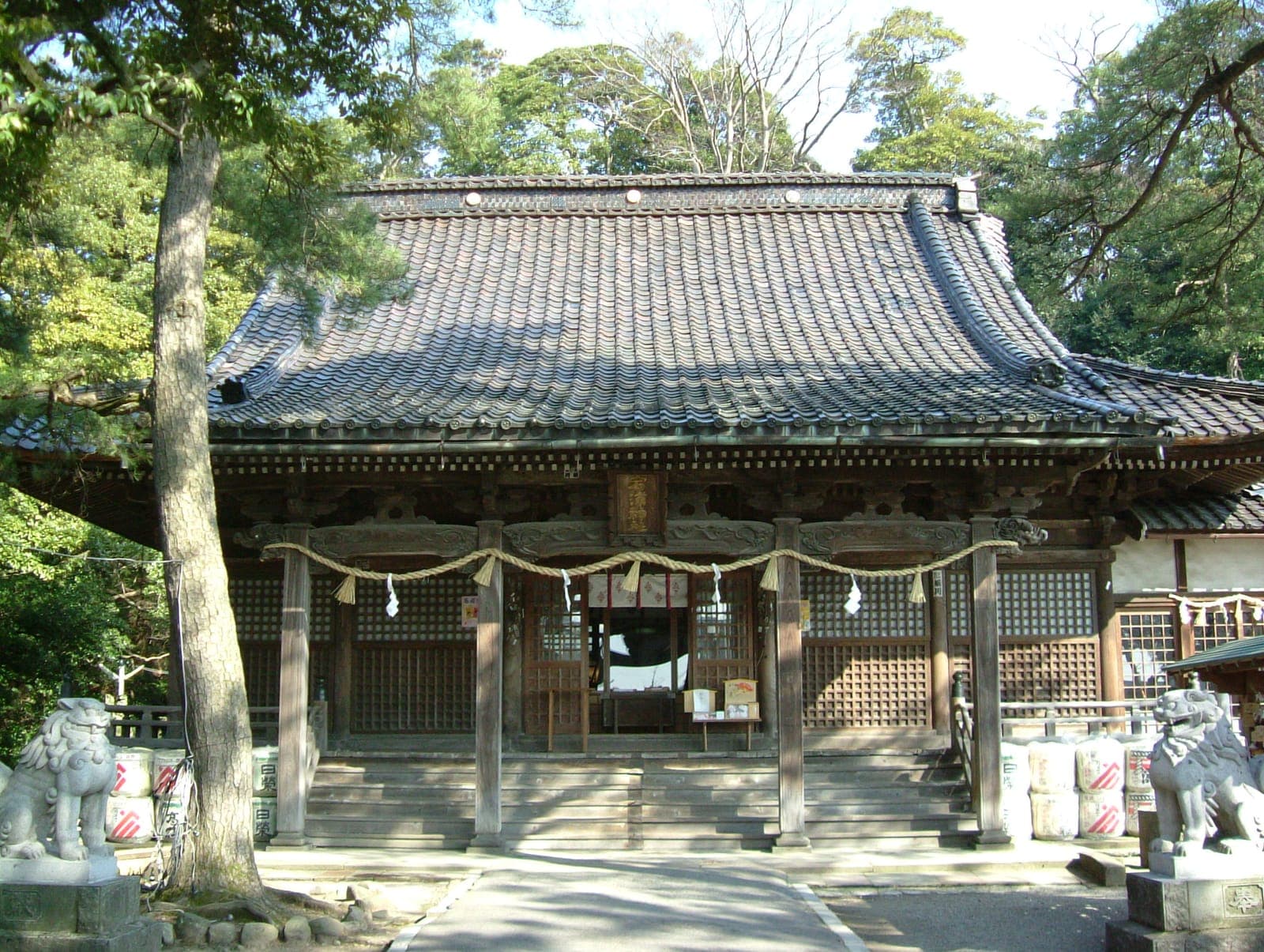
Ishiura Shrine is an ancient Shinto shrine in central Kanazawa, said to be the city’s oldest and linked to origins in the Kofun period. Its vermilion gates, lucky charms, and accessible location near major sights make it popular with visitors.
Perché dovresti andare
Plan for about 30 minutes at the shrine itself, but arrive early in the day if you want a quieter experience, since the shrine is particularly popular with female visitors seeking blessings for finding soulmates and can draw steady foot traffic.
Bring cash and small bills if you want to purchase omamori (lucky charms) or ema plaques, since the shrine does not accept credit cards and the office only operates 9:00-16:00 daily.
Look for the shrine's cute mascot character Kima-chan and the distinctive polka-dot pattern charms (which symbolize 'all is well') if you want to take home a memorable souvenir that reflects the shrine's playful approach to traditional spirituality.
Hosenji è un tempio buddhista Koyasan Shingon situato in altura a Kanazawa, noto per la sua divinità Marichiten nascosta, i suoi goma fire rites di lunga tradizione e le viste panoramiche sulla città e sul mare. È anche chiamato Gohonmatsu ed è legato alla...
Perché dovresti andare
The temple's main deity, Marici-ten, is a secret Buddha displayed only once yearly on November 29th. If you cannot visit on that date, ask the priest about the deity's significance and symbolism during your visit, as understanding the hidden nature of this protector deity enriches the experience.
Plan to arrive by foot from the Hashiba-cho bus stop (about 10 minutes away), but give yourself extra time for the steep staircase climb at the end.
Bring cash if you want to purchase a victory charm (Kachimamori) or receive a seal stamp, as the temple may have limited payment options.
Un santuario Shinto unico a Kanazawa caratterizzato da un cancello a tre piani distintivo con finestre in vetro colorato, che fonde gli stili architettonici giapponesi e occidentali. Dedicato a Maeda Toshiie, il fondatore del Dominio di Kaga, e a sua moglie...
Un santuario Shinto a Kanazawa, Ishikawa, vicino al Giardino Kenrokuen. Costruito nel 1794 dall'11º signore Maeda per proteggere il giardino, ospita gli antenati del clan Maeda e offre una sosta tranquilla con legami storici alla città del castello.
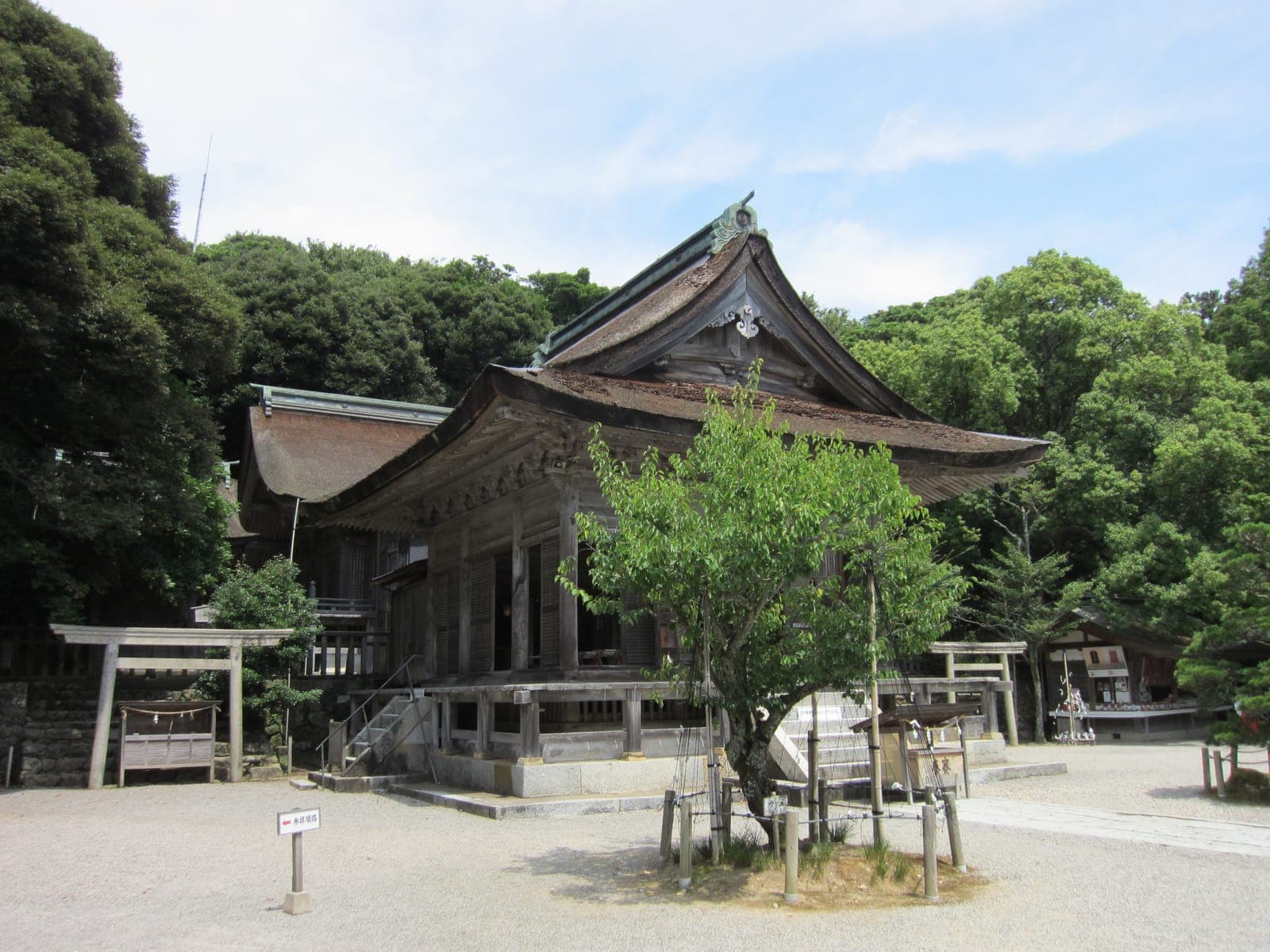
Katte Jinja è un santuario Shinto in Giappone. I dati di posizione disponibili indicano il santuario noto come Keta Taisha alle coordinate specificate a Hakui, Ishikawa. È un luogo di culto e attrazione locale, con un ambiente di santuario storico e accesso...