
Ricerca sulle immagini dei goshuin
Elementi visivi nei goshuin: un confronto revisionato
10 goshuin pubblici revisionati condividono 6 elementi visivi documentati.
Sintesi
- Il rapporto include solo gli elementi delle immagini che hanno superato la revisione editoriale e sono stati pubblicati.
- Al momento comprende 10 record pubblici, 54 elementi distinti e 73 aree contrassegnate nelle immagini.
- I conteggi descrivono questo campione revisionato. Non misurano quanto un elemento sia diffuso tra i goshuin in Giappone.
A cura di
Goshuin Database Research
Istantanea
19 ottobre 2026 alle ore 15:15
Utilizzo
Esamina le immagini di origine revisionate
Scegli un record alla volta. Ogni immagine mantiene le proporzioni originali, così tutti i contorni documentati restano visibili.
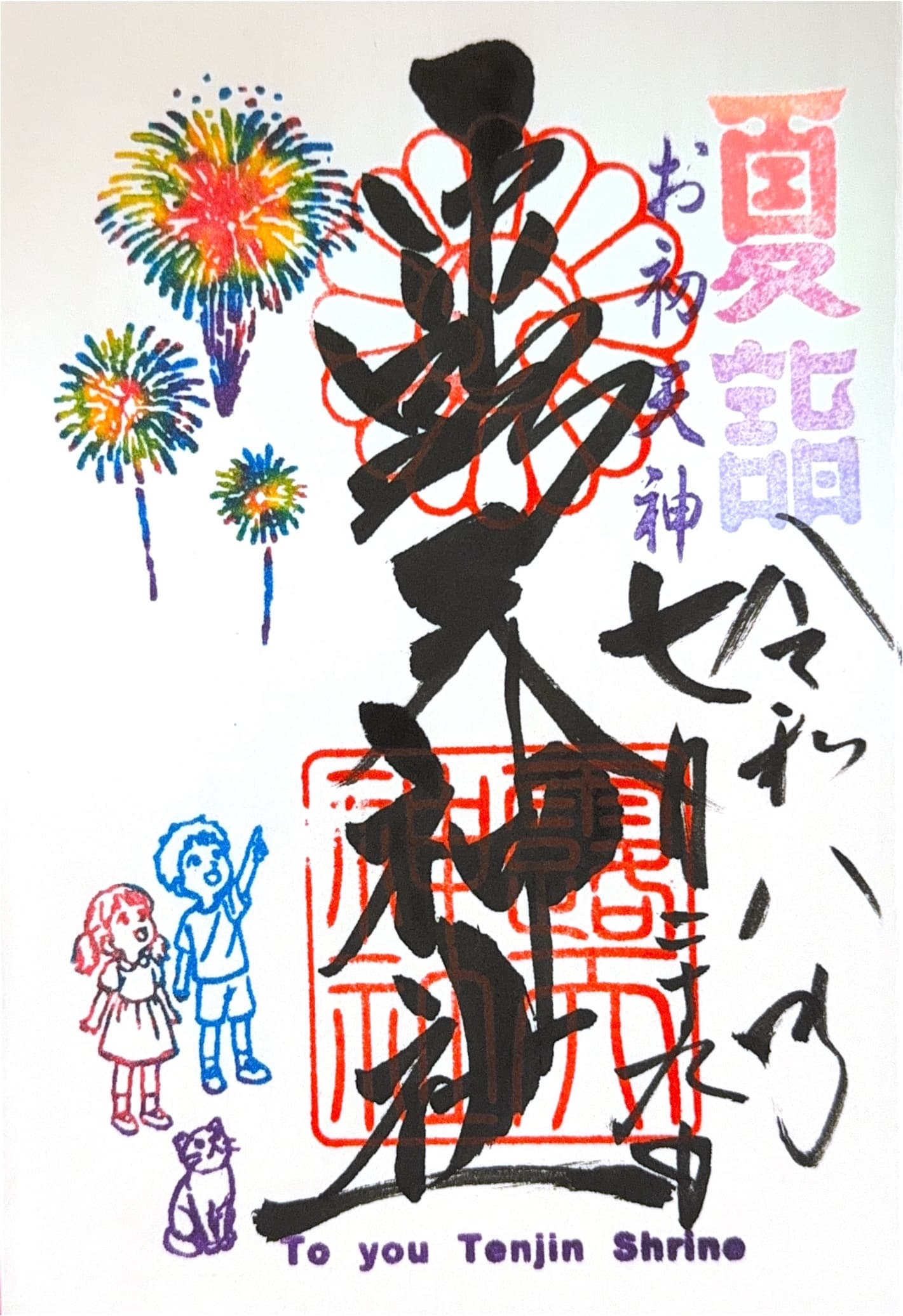
Tsuyuno Tenjinsha
gsn-15mrn70
Cosa compare nel campione revisionato
Questi riepiloghi aggregano l’intera istantanea. Ogni record viene contato una sola volta per categoria visiva, mentre iscrizioni, sigilli e voci di identità sono conteggiati separatamente.
Temi visivi
La quota di record revisionati che contengono almeno un elemento di ciascuna categoria del catalogo.
- Animali2 / 10 record
2 elementi revisionati distinti
- Esseri mitici e soprannaturali3 / 10 record
4 elementi revisionati distinti
- Piante3 / 10 record
3 elementi revisionati distinti
- Natura, meteo e astri3 / 10 record
2 elementi revisionati distinti
- Persone e figure umane1 / 10 record
1 elemento revisionato distinto
- Architettura e luoghi2 / 10 record
2 elementi revisionati distinti
- Oggetti rituali e culturali2 / 10 record
2 elementi revisionati distinti
- Simboli, stemmi e motivi4 / 10 record
4 elementi revisionati distinti
- Usanze stagionali e oggetti quotidiani2 / 10 record
2 elementi revisionati distinti
Scrittura, sigilli e identità
Voci revisionate distinte per tipo di annotazione nell’intero campione.
- Iscrizioni24 voci
Presente in 9 record revisionati
- Sigilli8 voci
Presente in 7 record revisionati
Esplora gli elementi visivi per categoria
Grafici separati mantengono leggibili animali, piante, natura, edifici, motivi decorativi e le altre categorie controllate del catalogo, man mano che la raccolta revisionata cresce.
Animali
2 elementi
Record revisionati in cui è presente: 2 su 10.
- Cavallo1 / 10
- Gatto1 / 10
Esseri mitici e soprannaturali
4 elementi
Record revisionati in cui è presente: 3 su 10.
- Leone shishi2 / 10
- Drago1 / 10
- Fenice1 / 10
- Komainu1 / 10
Piante
3 elementi
Record revisionati in cui è presente: 3 su 10.
- Crisantemo1 / 10
- Fiore di pruno1 / 10
- Loto1 / 10
Natura, meteo e astri
2 elementi
Record revisionati in cui è presente: 3 su 10.
- Nuvola2 / 10
- Onda1 / 10
Persone e figure umane
1 elemento
Record revisionati in cui è presente: 1 su 10.
- Bambino1 / 10
Architettura e luoghi
2 elementi
Record revisionati in cui è presente: 2 su 10.
- Edificio del santuario1 / 10
- Torre1 / 10
Oggetti rituali e culturali
2 elementi
Record revisionati in cui è presente: 2 su 10.
- Lanterna1 / 10
- Ventaglio1 / 10
Simboli, stemmi e motivi
4 elementi
Record revisionati in cui è presente: 4 su 10.
- Tomoe3 / 10
- Motivo asanoha1 / 10
- Motivo seigaiha1 / 10
- Stemma del crisantemo1 / 10
Usanze stagionali e oggetti quotidiani
2 elementi
Record revisionati in cui è presente: 2 su 10.
- Fuochi d''artificio1 / 10
- Strumento musicale1 / 10
Come cresce questo rapporto
La pagina è pensata sia per un inizio ridotto sia per un campione revisionato molto più ampio. L’URL e il formato della citazione restano invariati.
I nuovi record modificano l’aggregato
Ogni nuova revisione pubblicata aggiorna la diffusione delle categorie e i conteggi di supporto. I grafici non aggiungono mai una colonna visiva per ogni goshuin.
Gli elementi condivisi emergono con cautela
I termini della tassonomia e i riferimenti a figure sacre vengono abbinati in base all’identità canonica. Iscrizioni e sigilli coincidono solo quando il loro testo pubblico revisionato è identico.
Un’istantanea settimanale mantiene stabili le citazioni
L’aggiornamento programmato del lunedì legge le annotazioni pubbliche revisionate più recenti. Se un aggiornamento non riesce, resta online l’ultima istantanea riuscita.
Metodo e limiti
È la revisione editoriale a decidere cosa è pubblico.
Inclusi
Aree dell’immagine attuale collegate a caratteristiche, iscrizioni, sigilli, riferimenti a figure sacre o soggetti principali revisionati e pubblici, su record di goshuin pubblici e approvati.
Esclusi
Suggerimenti in attesa, note interne di revisione, immagini sostituite, record eliminati e record non approvati per l’uso pubblico.
L’assenza non è una prova
Una categoria o un elemento assente indica che in questa istantanea non esiste alcun collegamento pubblico revisionato. Potrebbe comunque essere visibile in un’immagine o in attesa di revisione editoriale.
Domande a cui non può rispondere
Questo campione non può misurare l’importanza culturale, la diffusione regionale, i cambiamenti storici o la frequenza degli elementi visivi tra i goshuin in Giappone.