

Temple
Yakuri-ji
Takamatsu•3.5km(44 min à pied)
En bref
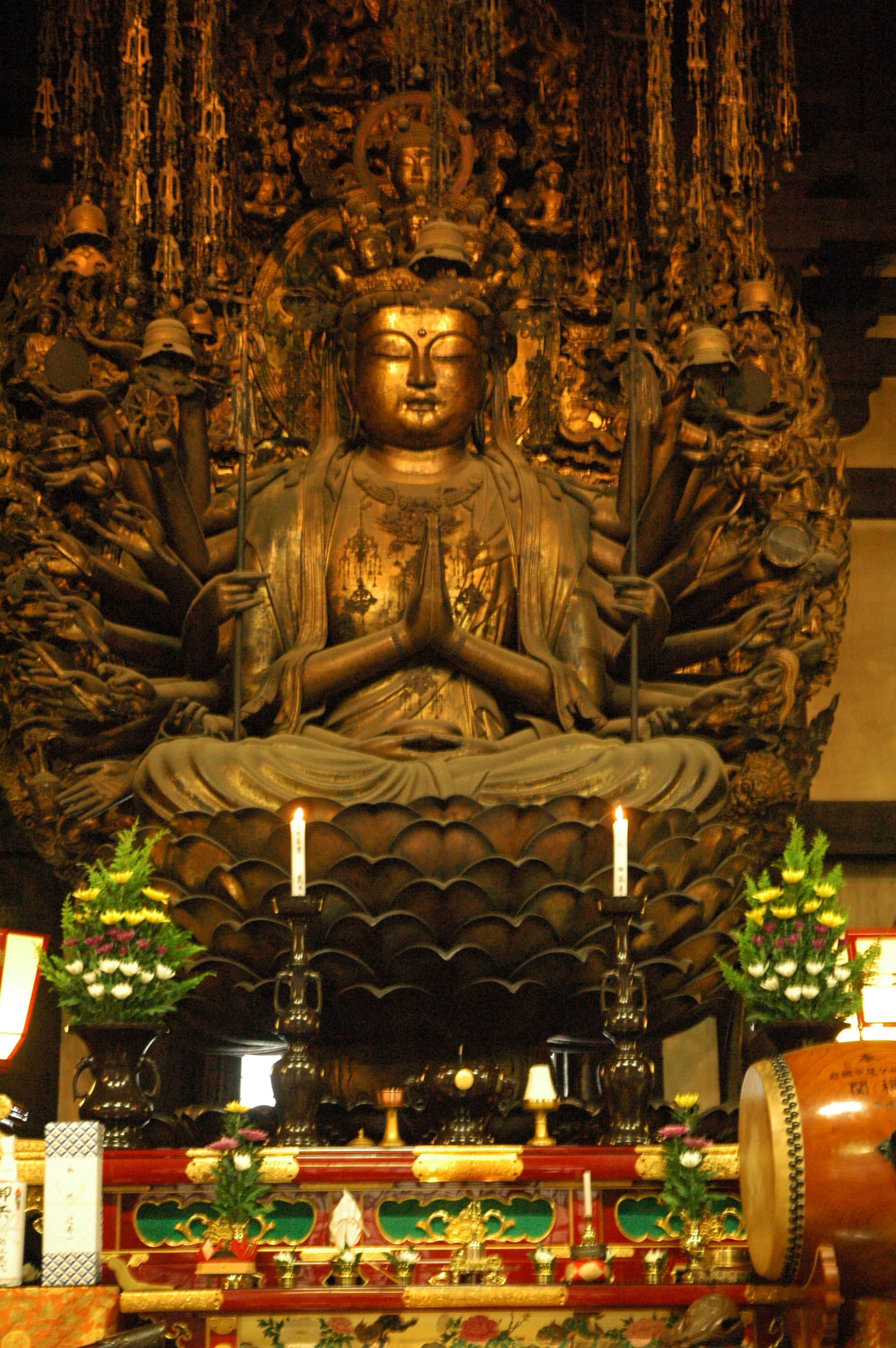
Kobo Daishi personally carved the temple's main image, a Thousand Armed Kannon, when he converted Yashima-ji to Shingon Buddhism in 815 and relocated it to its current spot on the plateau's south side.
The temple sits atop a lava plateau that once served as an ancient fortress connected to Japan's 7th-century defeat at the Battle of Hakusukinoe in Korea, when they allied with the Kingdom of Baekje.
Identiques aux heures d'ouverture
Ce temple offre des goshuin, mais nous n'avons pas encore de photos. Soyez le premier à partager le vôtre !
Équipements
Les esprits divins vénérés en ce lieu sacré
Non confirmé
Takamatsu, Kagawa Préfecture
Autres pages utiles liées à ce lieu.
Ce que ce lieu est censé accorder
0 publications récentes
Partagez votre visite pour aider d'autres voyageurs.
Aucune publication publique de la communauté pour le moment.
