Admission
Non confirmé
En bref
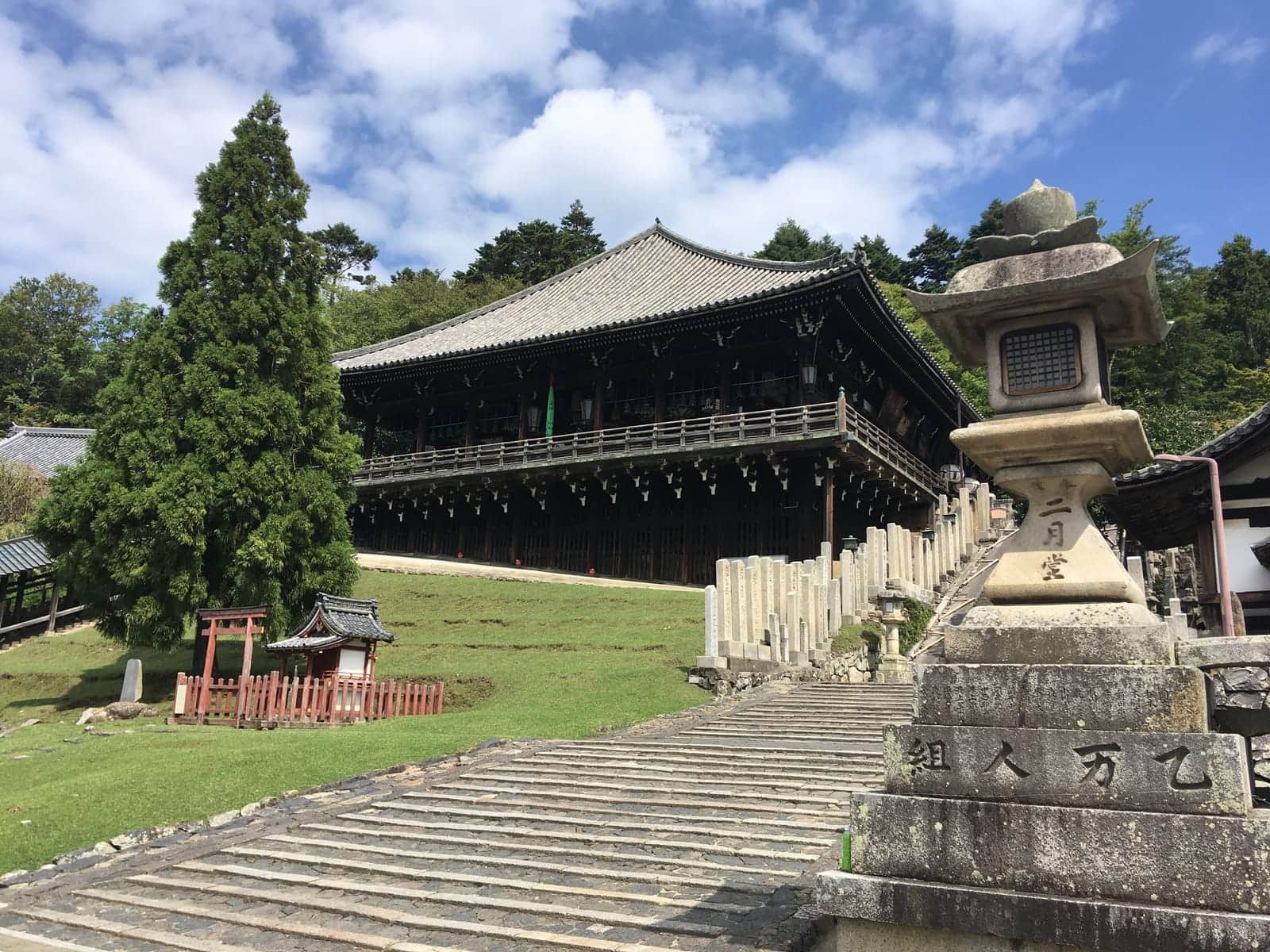
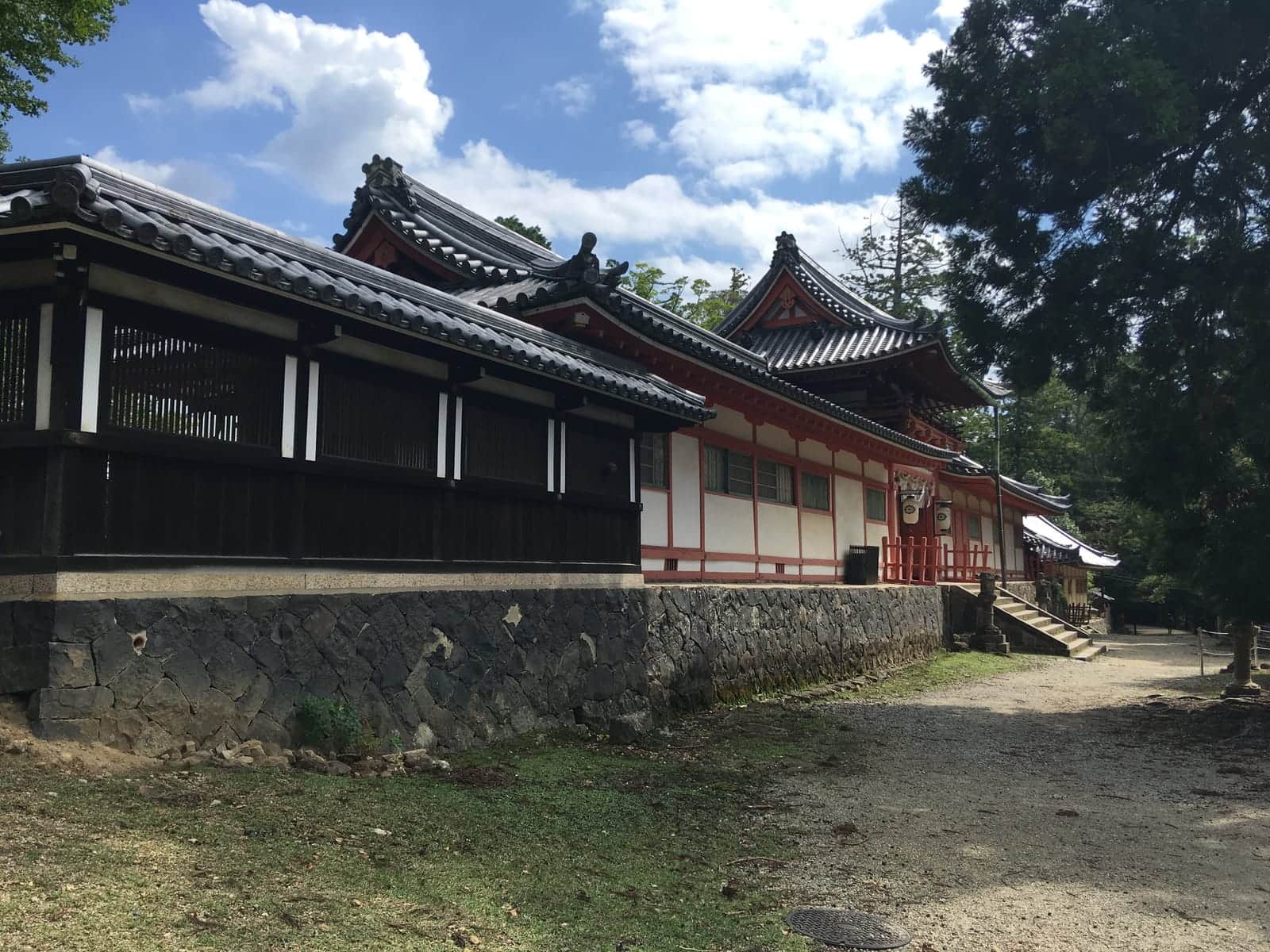
Built around 733, Hokke-dō is Tōdai-ji's oldest surviving structure, predating the famous Great Buddha Hall by nearly a century.
The hall's name comes from the Lotus Sutra ceremony held here every March, not from any lotus imagery, earning it the alternate name Sangatsu-dō (March Hall).
Non confirmé
Walk the full 20 minutes from Kintetsu Nara Station rather than taking a taxi, as this approach through Nara Park allows you to mentally transition away from crowds and arrive at the hall in a quieter, more contemplative state of mind.
Plan to spend at least 20-30 minutes inside to absorb the arrangement of the ten statues, particularly the multi-armed Fukūkensaku Kannon at the center flanked by the fierce Kongō Rikishi and the Four Divine Kings, which together create the intended effect of witnessing the world of the Buddhas.
Arrive early in the morning or visit on a weekday to experience the hall in near solitude, since most visitors focus on the larger Great Buddha Hall and remain unaware this oldest structure at Tōdai-ji exists.
Return on December 16th if you want to see Shukongōjin, the secret warrior figure that protects against enemies of the Buddha and is displayed only once per year with colors still bright from the Nara period.
Bring cash only, as the admission booth accepts no other payment methods, and note that the hall operates from 8:00 to 17:00 in winter months (November through March) and 7:30 to 17:30 from April through October.
Célébrations saisonnières et occasions spéciales
Hokke-e (Lotus Sutra Ceremony)
An annual Lotus Sutra ceremony held at Hokke-dō in the third month, giving the hall its name.
Shukongōjin Secret Image Viewing
Annual public viewing of the secret image of Shukongōjin, which protects people from the enemies of the Buddha.
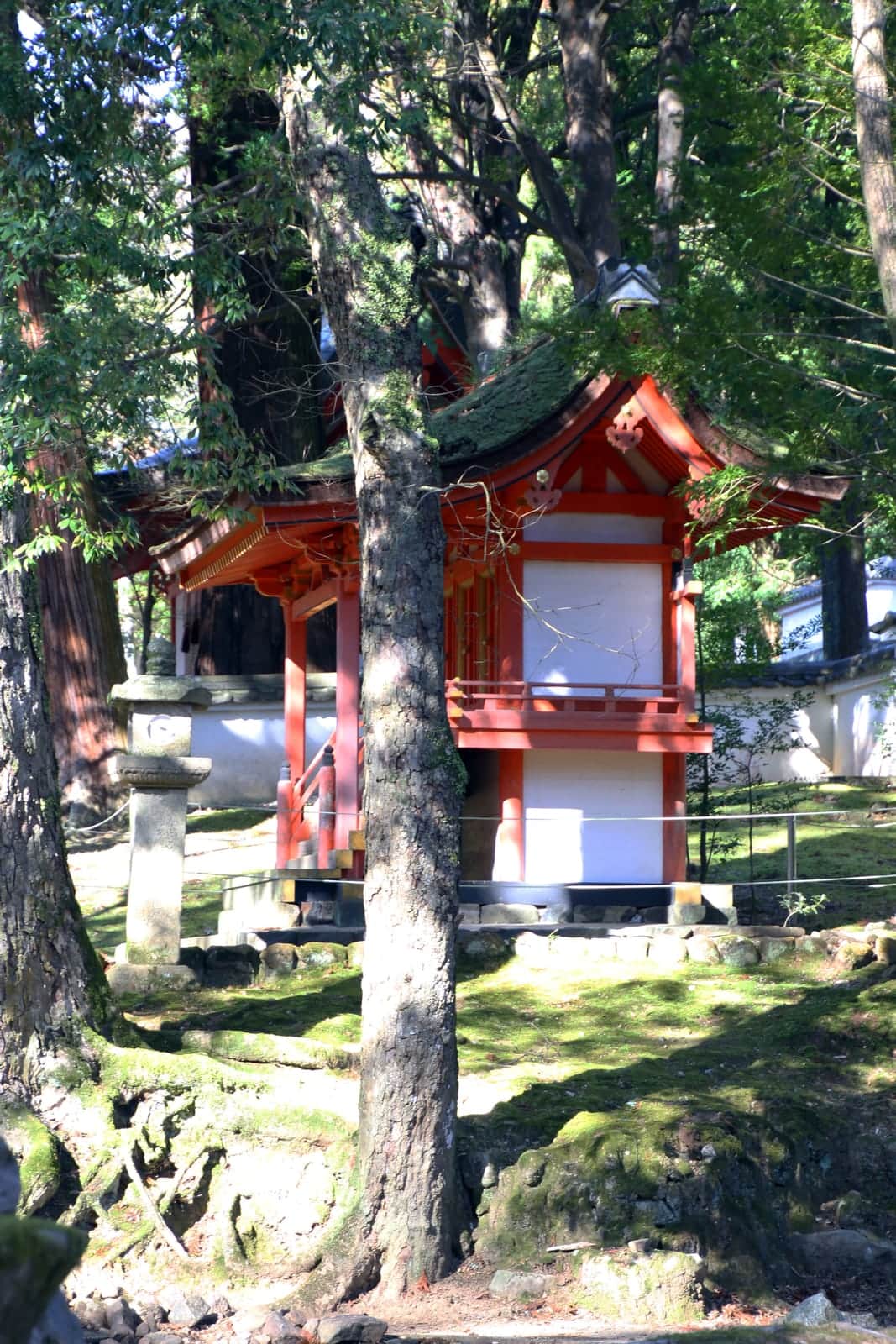
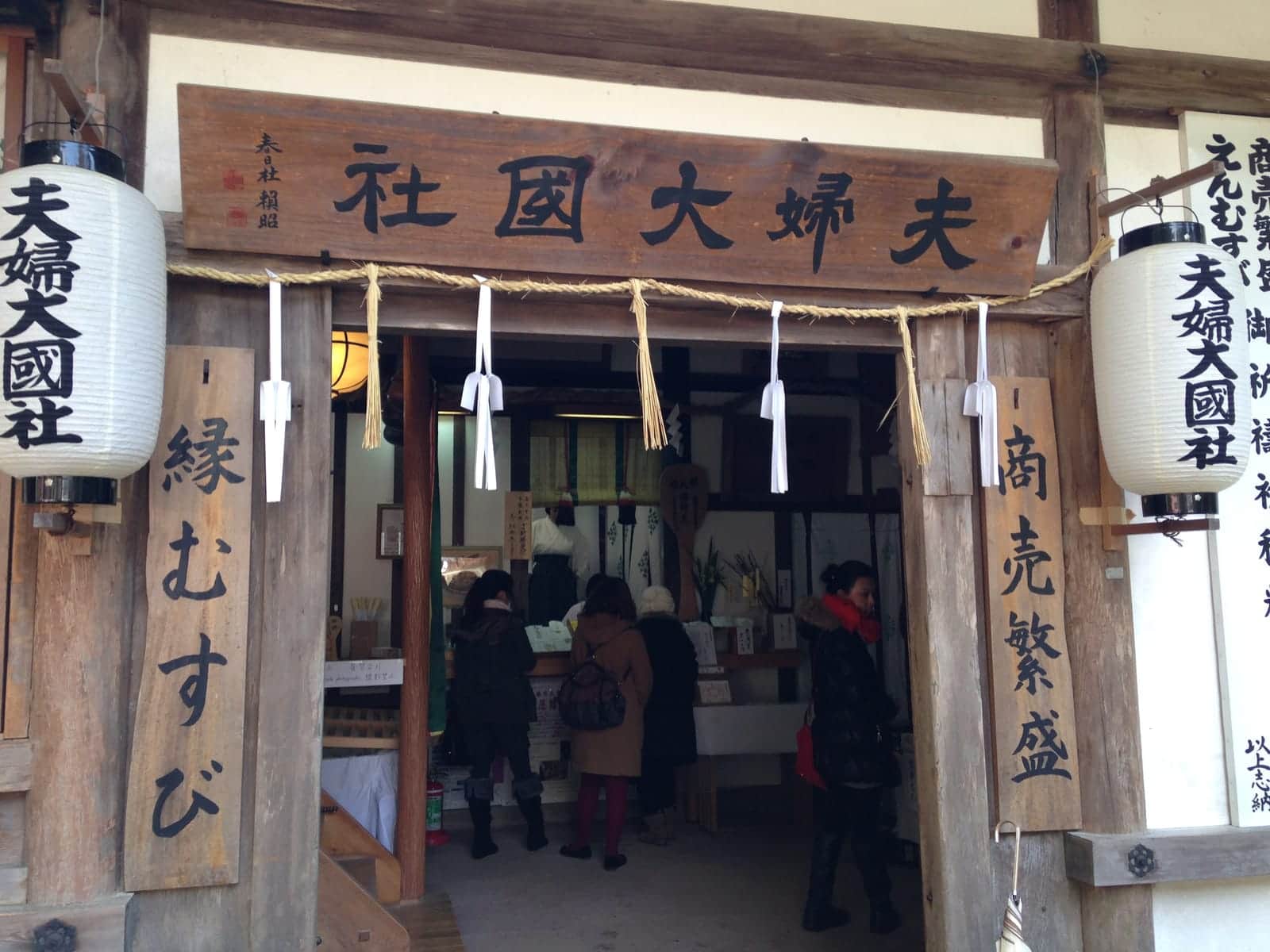
Nara, Nara Préfecture
Autres pages utiles liées à ce lieu.
0 publications récentes
Partagez votre visite pour aider d'autres voyageurs.
Aucune publication publique de la communauté pour le moment.
Moins de 300 m Moins de 600 m
La location nécessite l'application de l'opérateur et un numéro de téléphone japonais. Les pass journée docomo sont vendus dans les supérettes. Sources de données