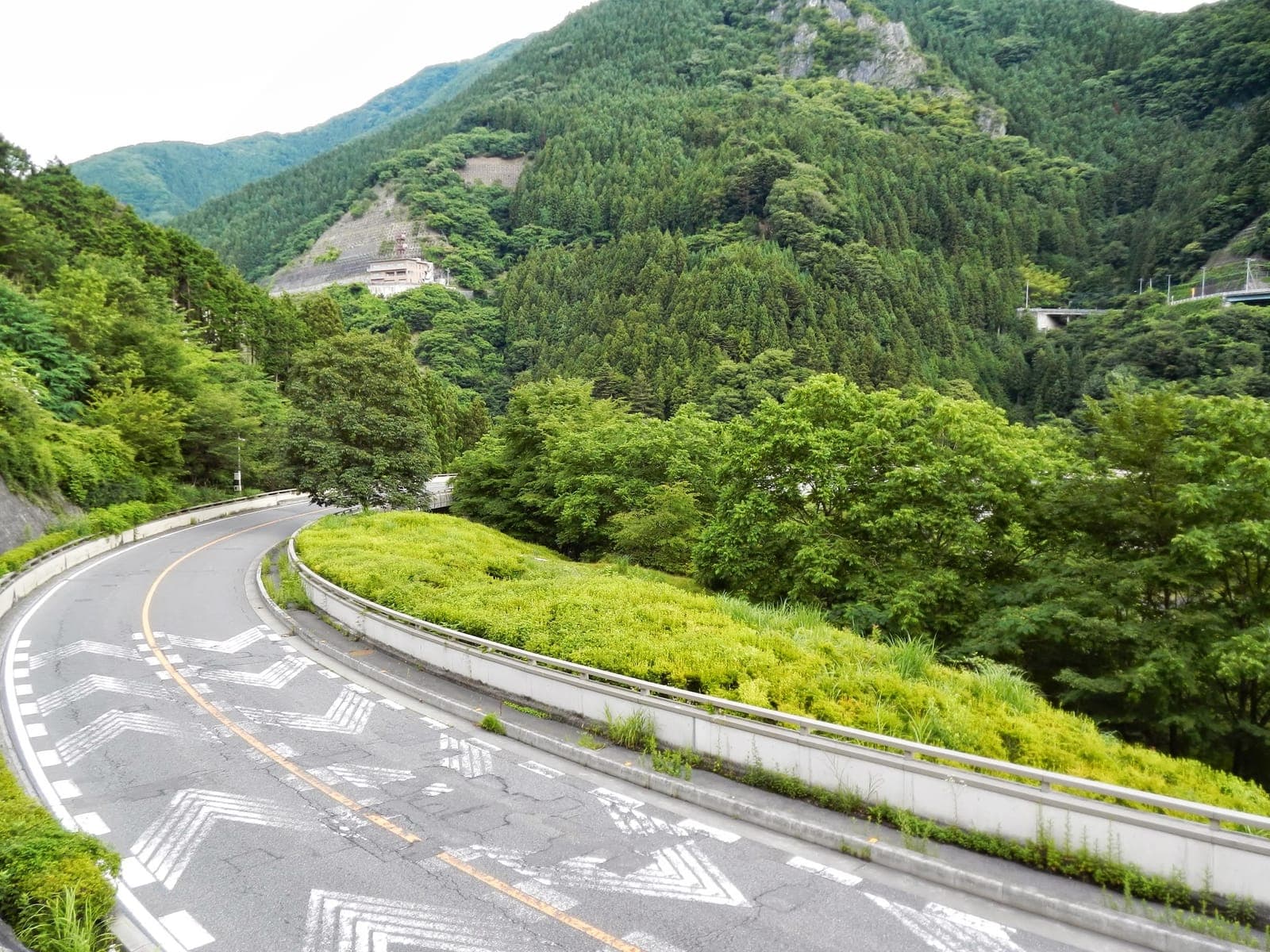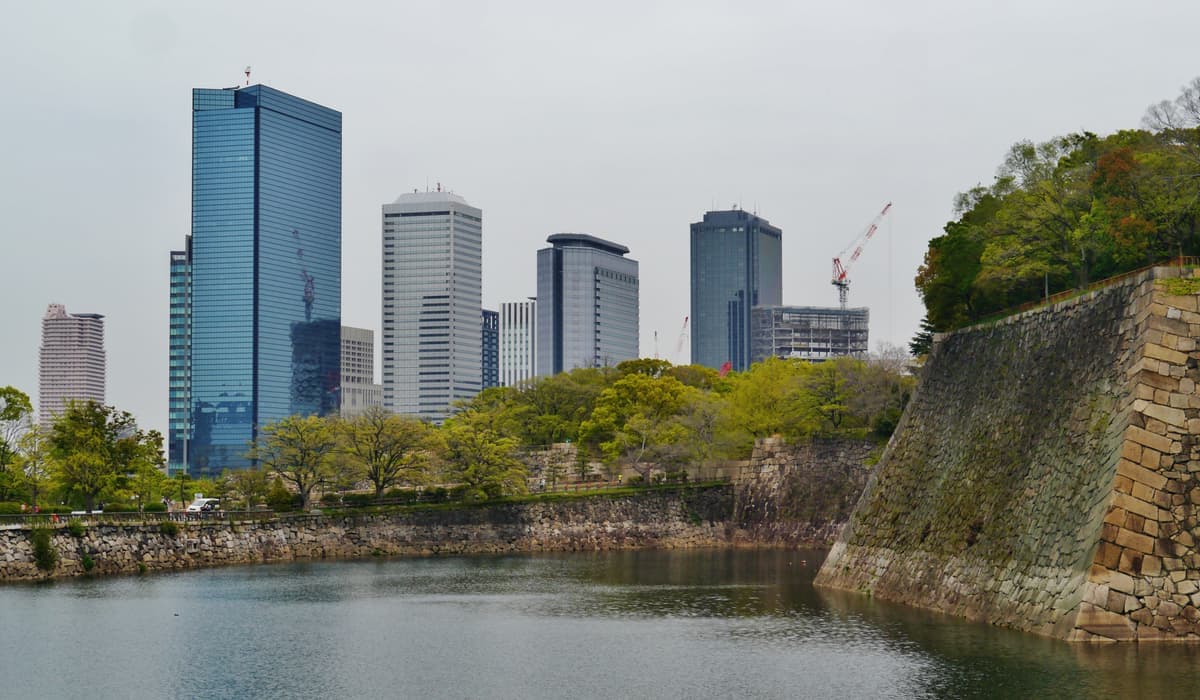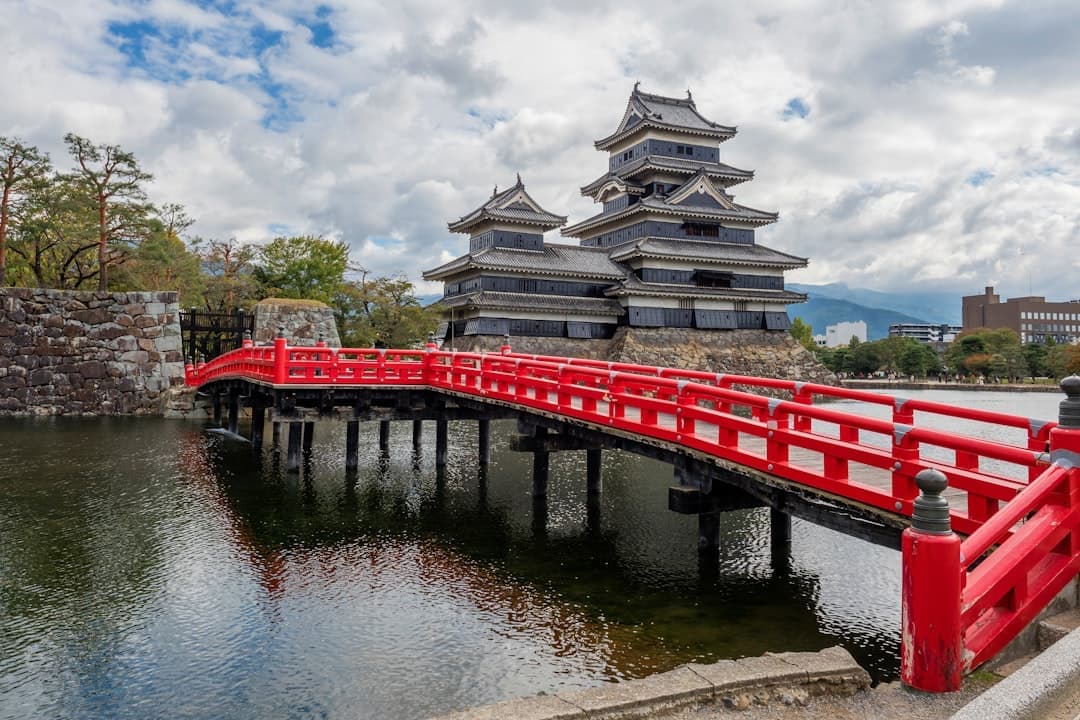
Die Präfektur Nagano (長野県) liegt in Japans Region Chubu, im Zentrum von Honshu. Bekannt für die Japanischen Alpen, den historischen Zenko-ji-Tempel und Bergstädte wie Matsumoto und Karuizawa, ist sie ein beliebtes Gebiet für Natur, Pilgerreisen und Reisen zu den Jahreszeiten.
One of Japan's most important Buddhist temples, founded in the 7th century. Houses the first Buddhist statue brought to Japan, a hidden Amida Buddha triad. Famous for its nonsectarian approach, welcoming all visitors regardless of sect or gender.
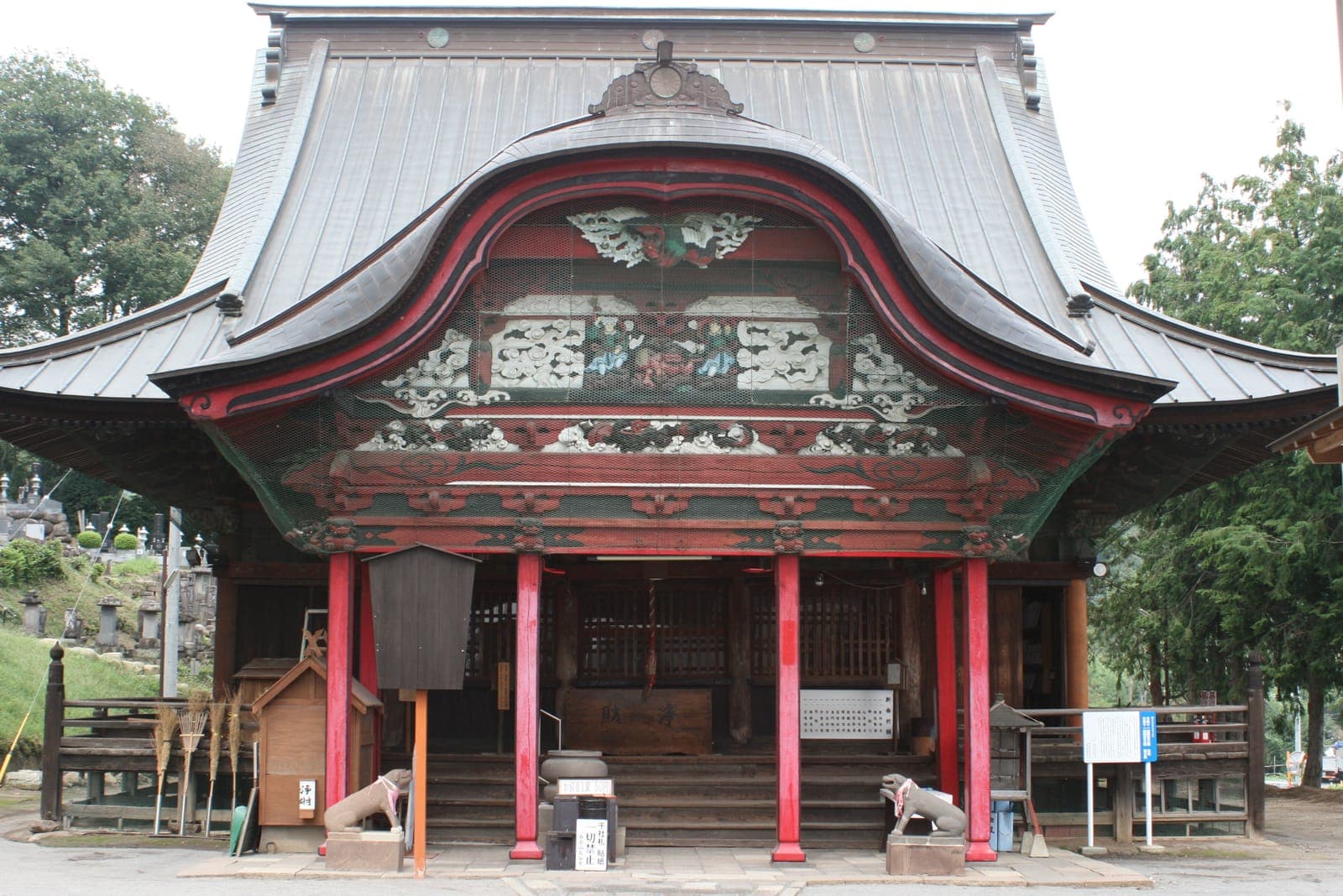
Fukashijinja is a large Shinto shrine in Matsumoto, Nagano, dedicated to Suwamyojin (deity of wind, water, and agriculture) and SugawaranoMichizane (deity of learning). Known as the "Tenjinsama of Fukashi," it hosts the famous Tenjin Matsuri festival each...
Warum du gehen solltest
Take the 10-15 minute walk east from Matsumoto Station along Agata-no-mori street, then turn south at the Miyamura-machi traffic signal just before the Performing Arts Centre.
Plan your visit for July to experience the Tenjin Matsuri, when 16 elaborately decorated floats from local neighborhoods are displayed at the shrine and paraded through the streets.
Arrive early on weekdays or outside festival season to enjoy the shrine's quiet, spiritual atmosphere without tourist crowds. Several visitors noted the shrine feels peaceful and contemplative when you're not competing with tour groups, making it easier to appreciate the ornate painted carvings and statues.
Chōkokuji (長國寺) ist ein buddhistischer Tempel in der SenzokuGegend von Taito, Tokio. Er liegt in einem urbanen Wohngebiet und dient als lokaler Ort der buddhistischen Verehrung sowie als kultureller Anlaufpunkt für Besucher, die die Gemeinschaftstempel und...
Ein zentraler ShintoSchrein in Matsumoto, Yōhashira Jinja liegt an der Nawate Street in der Nähe von Matsumoto Castle. Er ist bekannt für Segnungen des Glücks, der Partnervermittlung und der Familienharmonie und veranstaltet ein großes jährliches Herbstfest...
Warum du gehen solltest
Built in just nine days before the Emperor's 1879 visit, the shrine burned down nine years later in a fire that devastated central Matsumoto. The current buildings weren't completed until 1924.
Unlike most Shinto shrines dedicated to a single deity, Yohashira enshrines four gods at once, including the sun goddess Amaterasu and three creation deities, earning it the nickname 'Wish-Granting Shrine.'
The annual October festival features elaborately decorated wooden floats (butai) designated as Important Tangible Folk Cultural Properties, parading through streets while musicians perform aboard the moving platforms.
Suwa Taisha Shimosha Akimiya ist der Herbstschrein des Unteren Schreins des SuwaHauptschreins in Shimosuwa, Nagano. Es ist eine bedeutende ShintoStätte, die mit der alten regionalen Verehrung, saisonalen Ritualen und dem größeren SuwaSchreinkomplex mit Blick...
Warum du gehen solltest
Akimiya serves as the autumn shrine while its sister Harumiya functions as the spring shrine. Both form the Lower Shrine complex on Lake Suwa's northern shore in Shimosuwa town.
Suwa Taisha gilt als einer der ältesten Schreine Japans; das Nihon Shoki deutet darauf hin, dass er bereits im späten 7. Jahrhundert existierte.
Akimiya is one of four shrines in the Suwa complex, one of Japan's oldest Shinto sites dating to at least the 7th century. The complex splits into Upper and Lower shrines on opposite sides of Lake Suwa.
Ein historischer ShintōSchrein in Shimosuwa, Nagano, und einer der vier Hauptschreine des Suwa TaishaKomplexes. Am TogawaFluss gelegen, ist er bekannt für sein ruhiges bewaldetes Gelände, jahreszeitliche Rituale und seine Verbindung zum weiteren...
Warum du gehen solltest
The shrine sits beside the Togawa River and features a sacred Japanese cedar tree, blending so gradually into residential Shimosuwa streets that visitors say it 'emerges from ordinary town' rather than announcing itself.
Almost no historical documents from the Lower Shrine (which includes Harumiya) survived through the centuries. Nearly all records about Suwa Taisha come from the Upper Shrine across the lake.
Harumiya means 'Spring Shrine' because the deity traditionally resides here from February to July, then moves to nearby Akimiya (Autumn Shrine) for the rest of the year in a seasonal ritual unique to Suwa Taisha.
Eines der ältesten Schreine Japans und Hauptschrein von über 5.000 SuwaSchreinen im ganzen Land. Teil des Suwa TaishaKomplexes mit vier Hauptschreinen rund um den SuwaSee. Berühmt für das alle sechs Jahre stattfindende OnbashiraFest, bei dem massive...
Einer der vier Schreine von Suwa Taisha ist Kamisha Maemiya der ehemalige Schrein der Oberen Schreingruppe in Chino, Nagano. Es ist eine alte ShintoStätte, die mit der SuwaVerehrung, den OnbashiraTraditionen und dem größeren Schreinkomplex am SuwaSee...
Warum du gehen solltest
Maemiya is the only one of the four Suwa Taisha shrines with an actual honden (main sanctuary building) that houses the sacred shintai. The other three shrines have only worship halls.
The shrine's honden was built in 1932 using timber salvaged from the Grand Shrine of Ise, connecting it to Japan's most sacred shrine complex through its very structure.
The shrine is part of a system with over 60 auxiliary shrines scattered around Lake Suwa, ranging from tiny stone structures to full compounds, each playing a role in the ritual calendar.