
Zulassung
Nicht bestätigt
Auf einen Blick
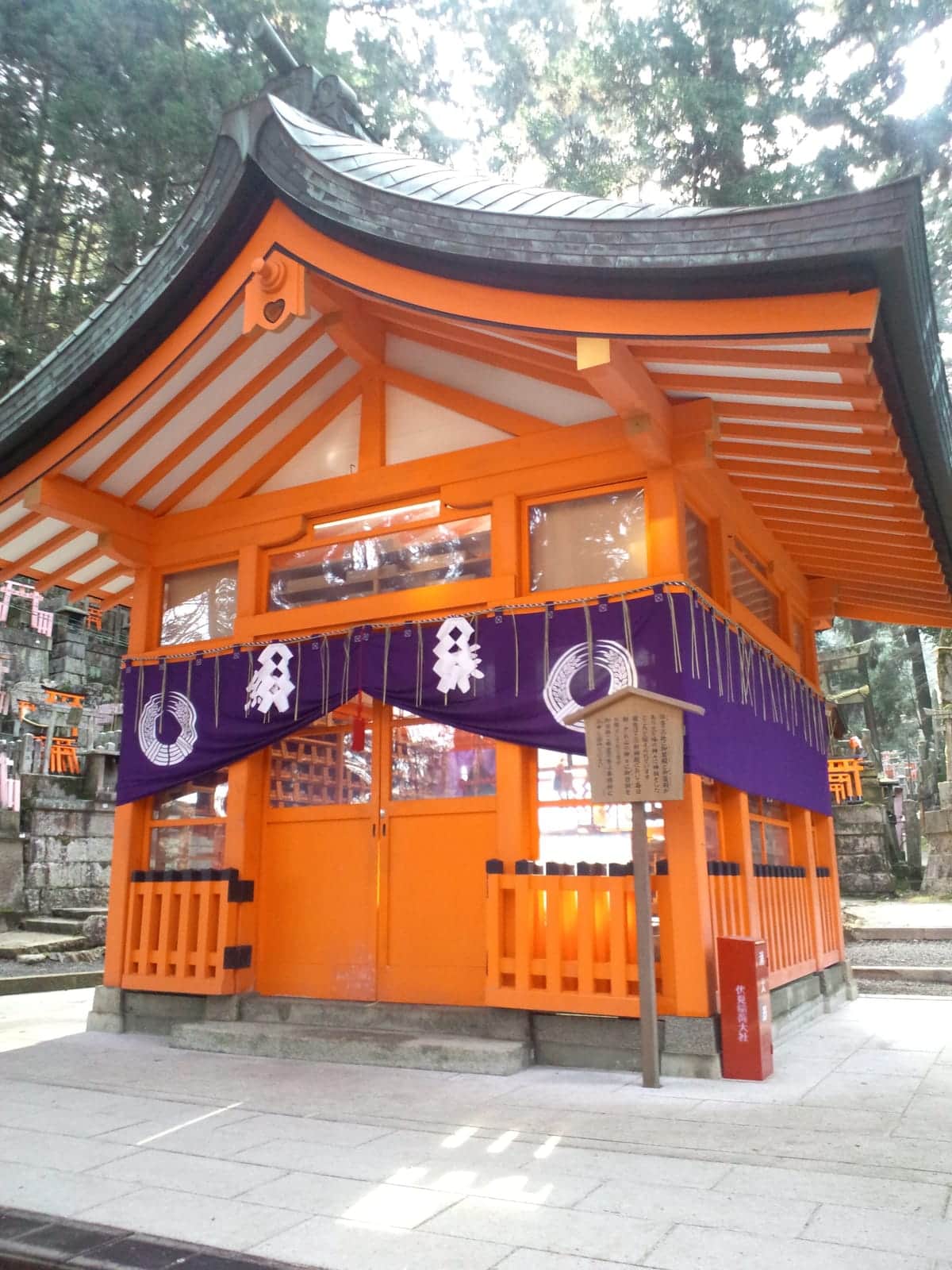
The building's existence is documented in a 1499 record called Senguki, making it one of the oldest continuously worshipped sites within Fushimi Inari Taisha's sprawling complex.
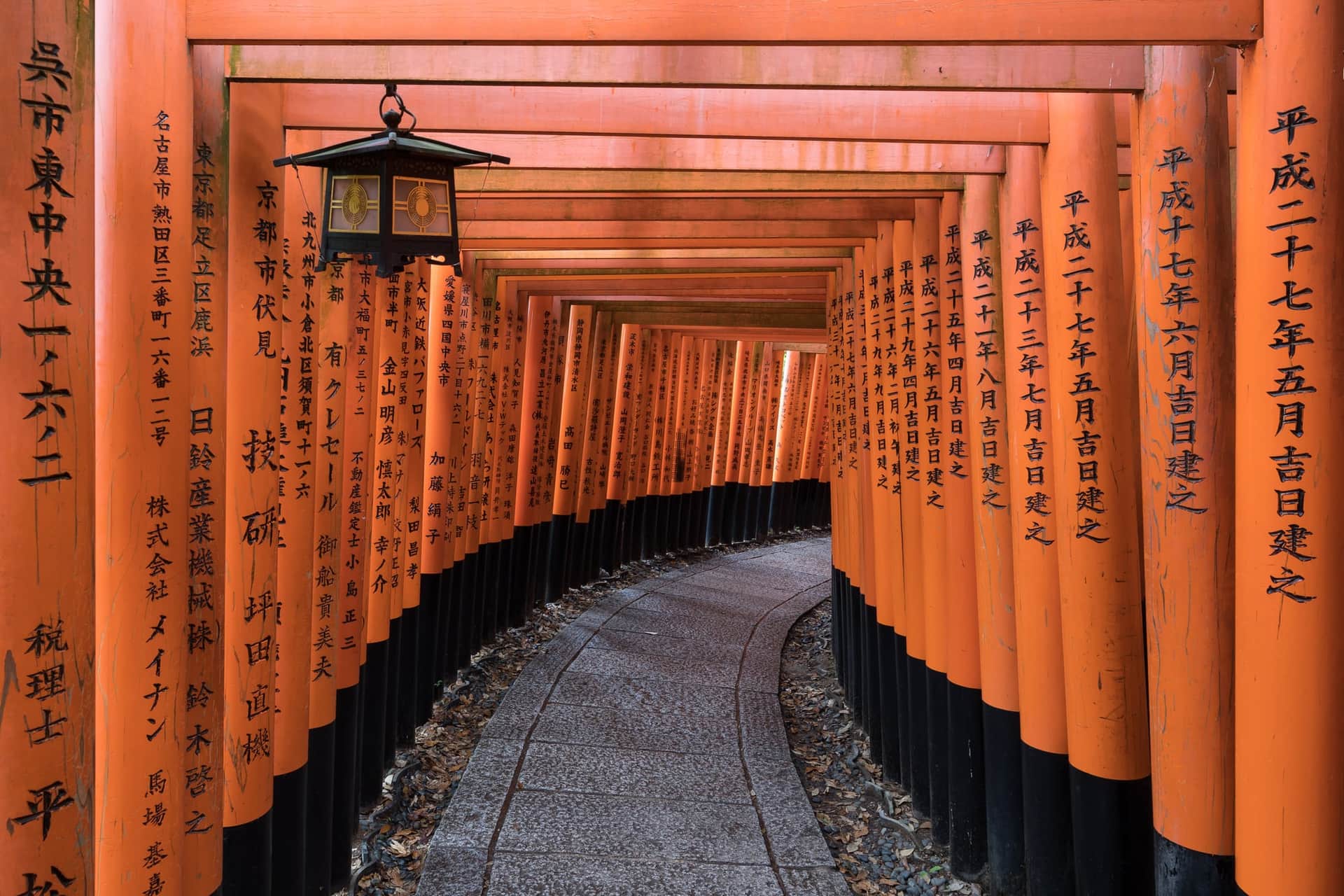
During the Edo period, this worship hall was also called Kumotsujo, meaning 'offering place,' reflecting its role as a destination for pilgrims completing their journey through the famous Senbon Torii gates.
Das schrein Angebote 1 verschiedene Goshuin-Designs
Regulär
¥300
Nicht bestätigt
Ausstattung
Set aside 2 to 3 hours minimum for your entire visit to Fushimi Inari Taisha if you want to reach Okuyashiro Hohaisho, as it sits at the end of the Senbon Torii tunnel and requires a substantial walk up the mountain.
Plan to arrive at Okuyashiro Hohaisho in the late morning or early afternoon after you've walked through the Senbon Torii, as the altitude and cooler air make this a refreshing destination midway through your shrine visit rather than a starting point.
Approach the Hohaisho with a quiet demeanor and take time to face the three peaks of Mount Inari in prayer or reflection, as this is fundamentally a place of worship rather than a photo checkpoint, and the cooler, more isolated setting invites genuine spiritual engagement.
Wear layers and bring a light jacket even on warm days, since the altitude of this worship hall combined with the valley setting creates noticeably cooler temperatures than the main shrine area below.
Position yourself to photograph Mount Inari's three peaks directly behind the Hohaisho building, as this is the intended focal point of the worship hall and creates the most spiritually resonant composition for your images.

Fushimi, Kyoto Präfektur
Weitere passende Seiten zu diesem Ort.
Unter 300 m Unter 600 m
Für die Ausleihe sind die Anbieter-App und eine japanische Telefonnummer erforderlich. docomo-Tagespässe gibt es in Convenience Stores. Datenquellen
5 aktuelle Beiträge
4.0
1 Bewertung
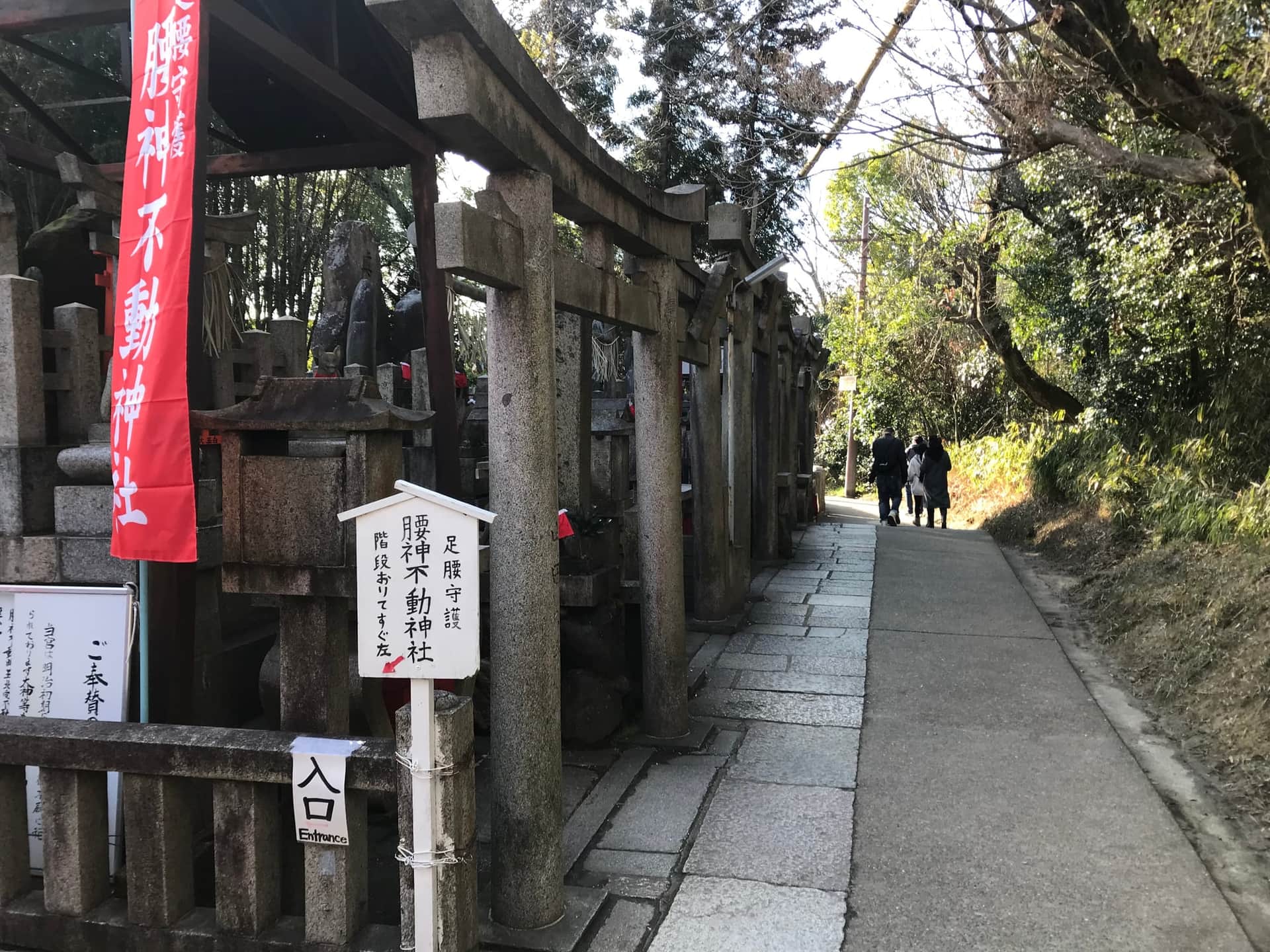
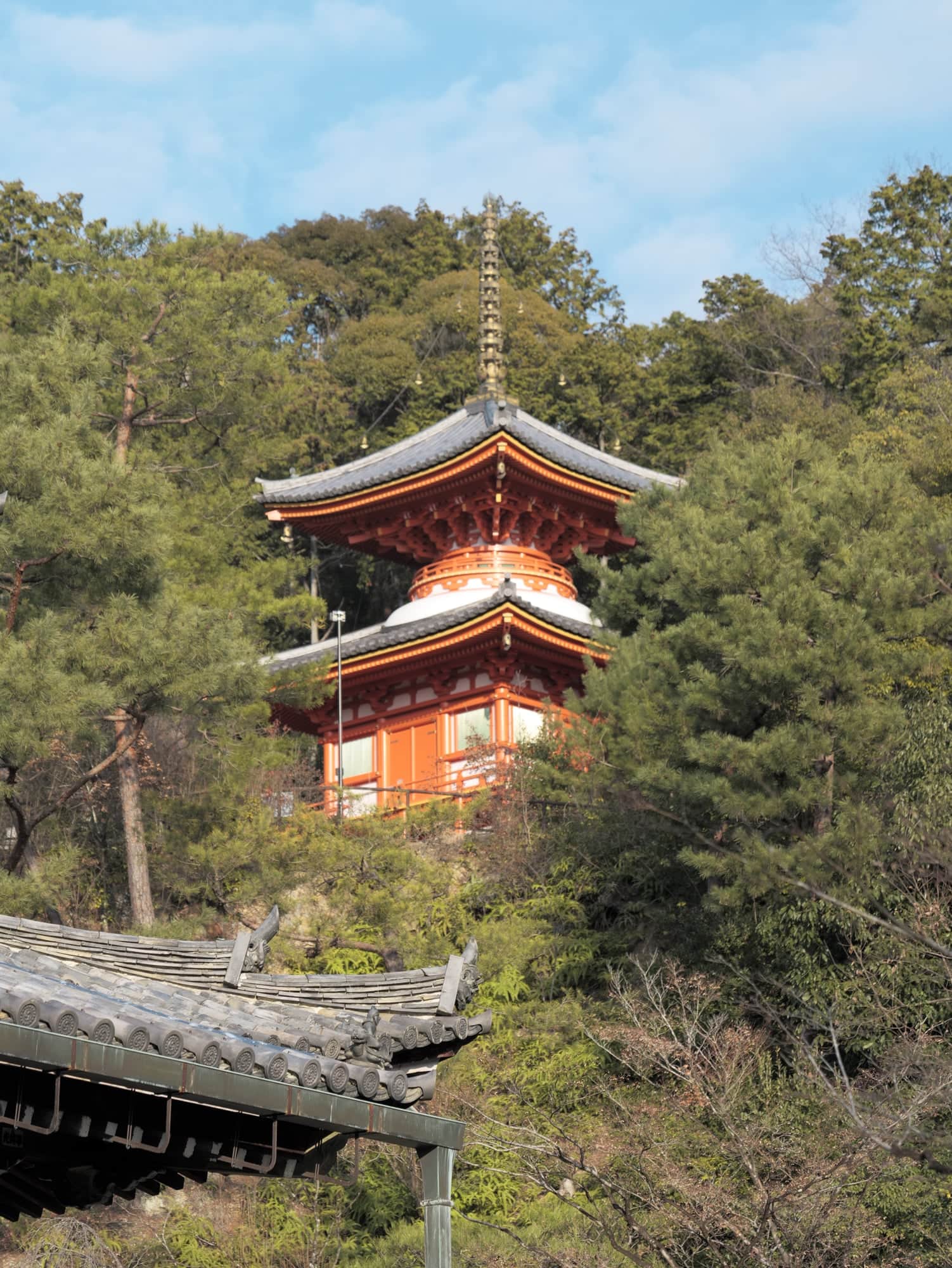
Sie erreichen diese Gebetshalle nach dem Durchgang durch das Senbon Torii und sie liegt gleich hinter dem Hauptschreinbereich auf dem Weg zum Mount Inari. Es ist ein ruhigerer Haltepunkt, bevor die vollständige Bergwanderung beginnt, mit den drei Gipfeln des Inariyama dahinter.
Auf der rechten Seite des Geländes finden Sie den Omokaru Stone, bei dem Sie nach einem Wunsch den oberen Stein einer Laterne heben. Wenn er sich leichter anfühlt als erwartet, soll sich der Wunsch erfüllen. Ein Goshuin ist hier ebenfalls erhältlich, und dies ist ein guter Ort zum Pausieren, bevor Sie den Bergpfad beginnen.
 ДБ
ДБДмитрий Бессонов hat eingecheckt
Okuyashiro Hohaisho
Fushimi, Kyoto