Visit early on a weekday to avoid the groups that arrive after noon.
Auf einen Blick
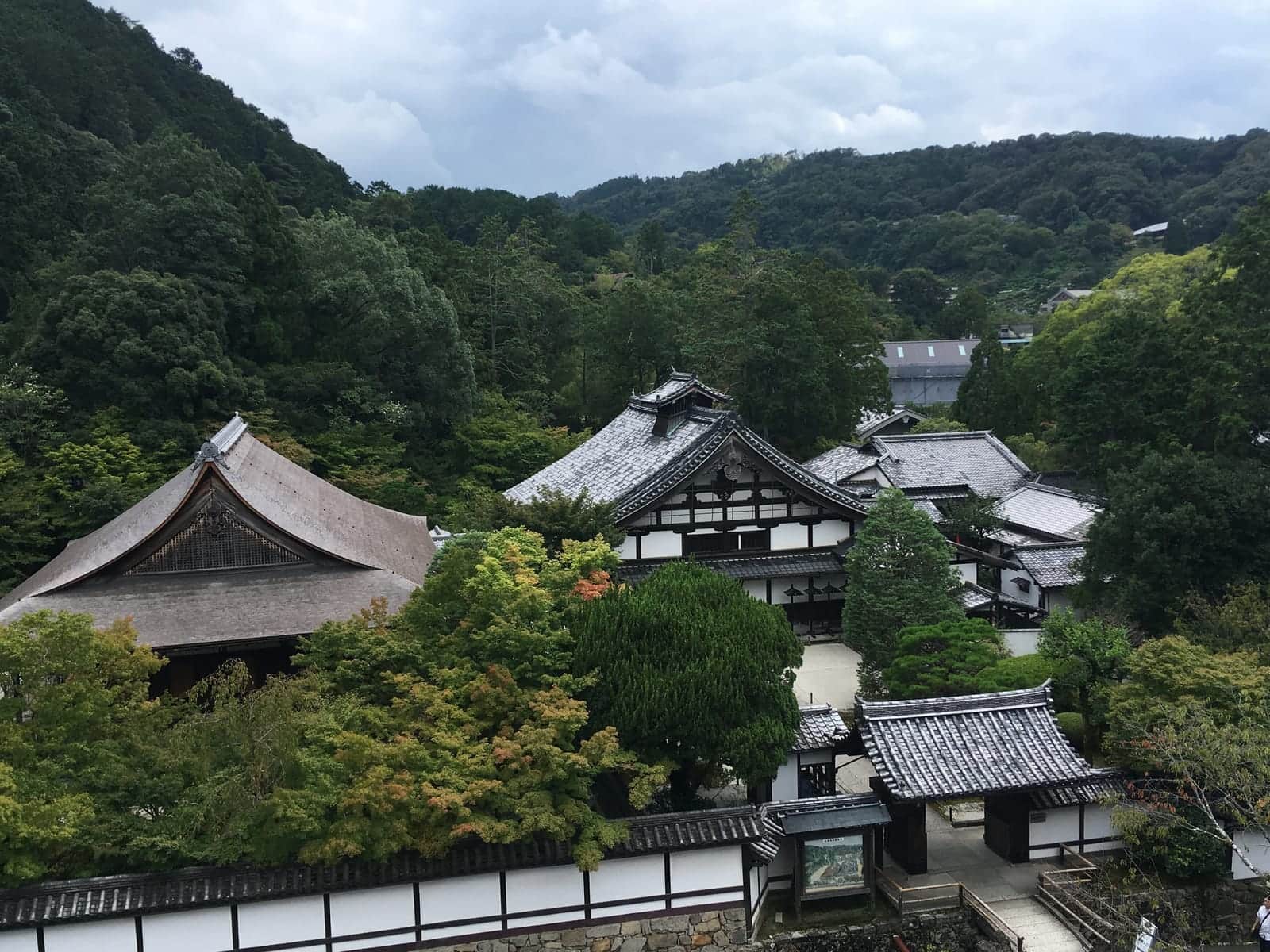
Konchi-in was moved to its current spot inside Nanzen-ji in 1605. Its garden was then designed for a planned visit by Tokugawa Iemitsu, but the shogun never actually came.
The Crane and Turtle Garden is one of Kyoto's clearest examples of shakkei, or borrowed scenery. The hills beyond the temple wall are part of the composition, even though they are not inside the garden.
Wie die Öffnungszeiten
Das tempel bietet Goshuin an, aber wir haben noch keine Fotos. Seien Sie der Erste, der Ihren Beitrag teilt!
Ausstattung
Visit early on a weekday to avoid the groups that arrive after noon.
Position yourself low to the ground to capture the crane and turtle stones against the raked gravel; the best light is soft morning sun from the east side.
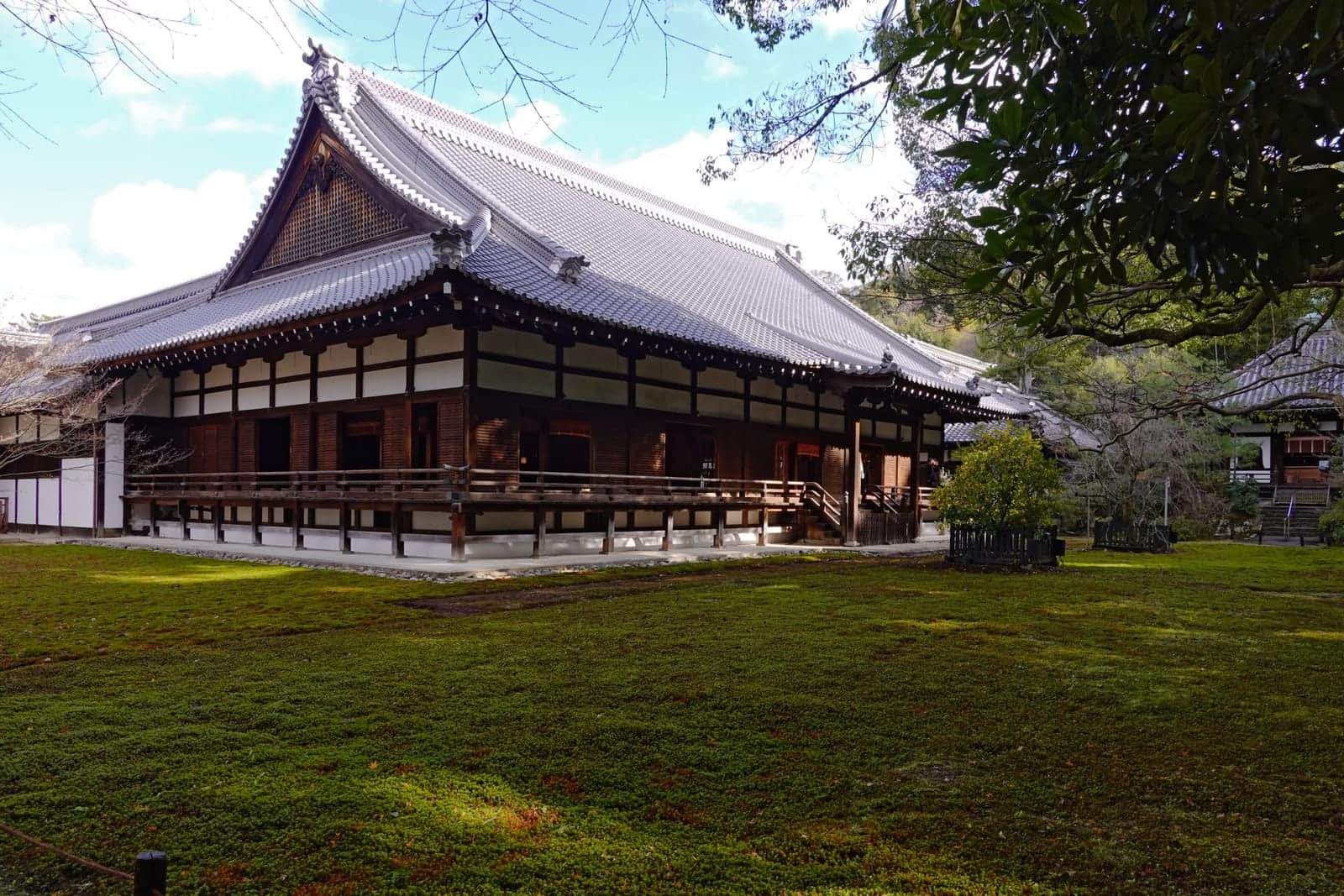
The tea room (shoin) is often open to visitors, offering a view of the garden from inside; ask the attendant about the borrowed scenery (shakkei) technique used in the design.
Speak quietly and turn off your phone ringer; this is an active temple, not just a tourist site, so observe the same quiet reverence you would in a larger hall.
There is no entrance fee, but a small donation is appreciated; combine the visit with Nanzen-ji for a single ticket if you plan to explore the aqueduct as well.
The temple grounds are mostly flat, but the garden viewing area has a slight step; wheelchair users can request assistance from the staff at the main Nanzen-ji gate.
Plan a stop of about 30 to 45 minutes for the garden and main hall. Konchi-in is usually much quieter than Nanzen-ji itself, so weekdays or the first opening hour are the best times if you want the Crane and Turtle Garden to feel still and uncrowded.
Bring a little cash for admission, since this is a small temple rather than a full tourist complex. If you are coming by subway, Keage Station is the easiest walk, and if you are already at Nanzen-ji, Konchi-in is just a short detour off the main flow of visitors.
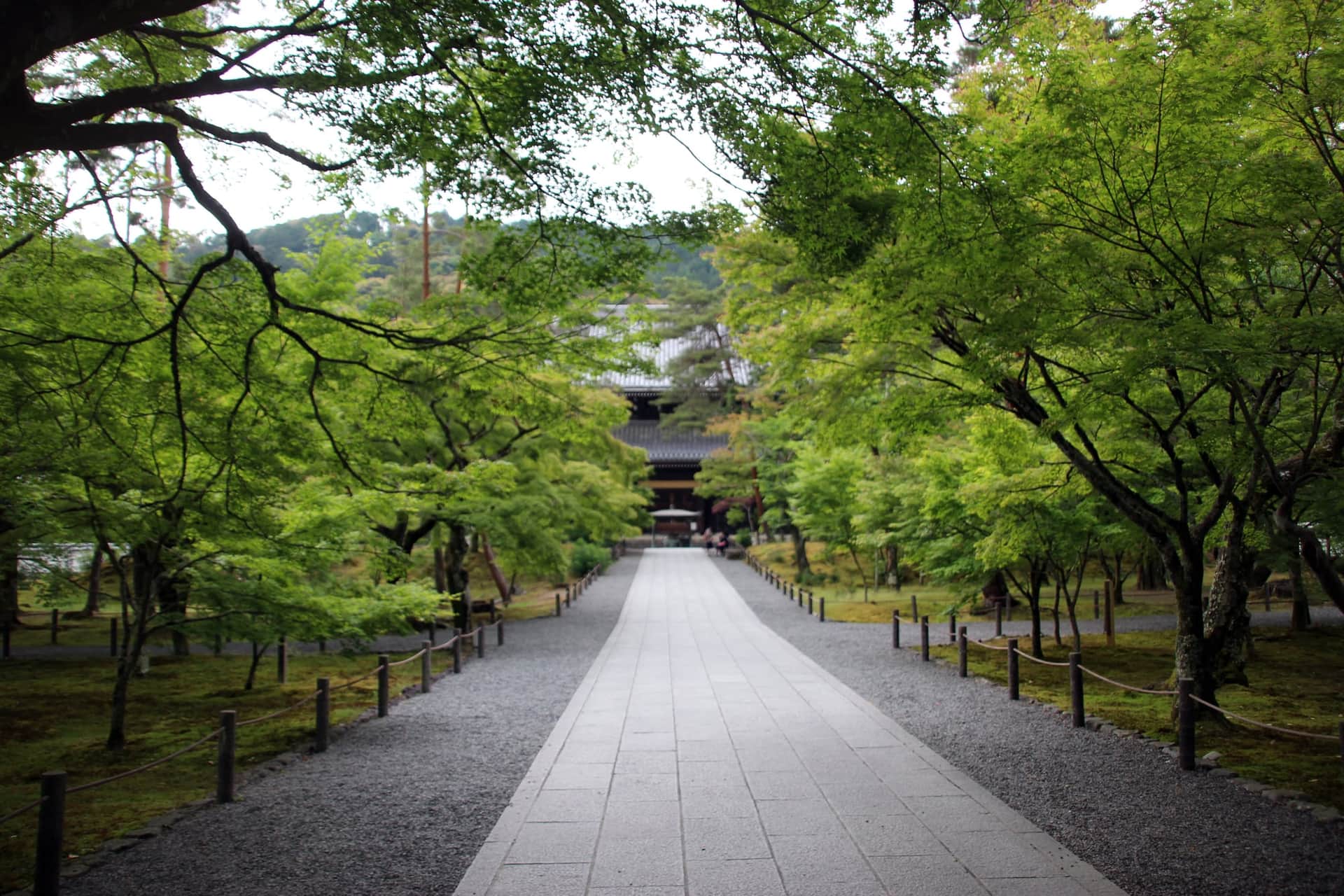
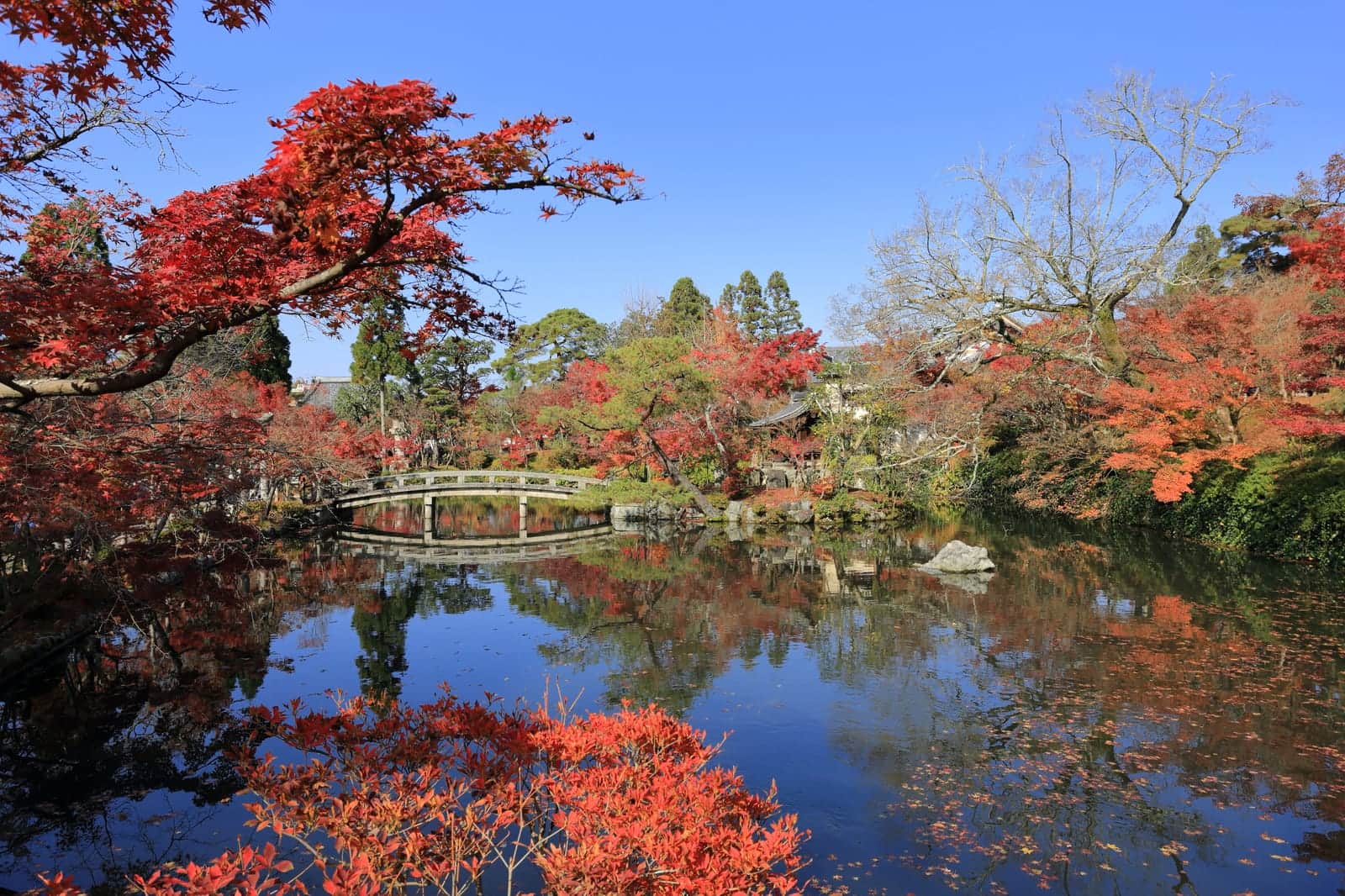
If you visit in spring, the fresh green around the stones softens the whole scene, while autumn adds scattered leaves that make the gravel and rock shapes stand out.
Look for the two stone islands that suggest a crane and a turtle, then scan the center for the Horai-style rock grouping. Once you know the symbolism, the garden reads very differently, and the visit becomes more than just a pretty dry landscape.
An diesem heiligen Ort werden die göttlichen Geister verehrt

Nicht bestätigt
Weitere passende Seiten zu diesem Ort.
Unter 300 m Unter 600 m
Für die Ausleihe sind die Anbieter-App und eine japanische Telefonnummer erforderlich. docomo-Tagespässe gibt es in Convenience Stores. Datenquellen
Sakyo, Kyoto Präfektur
Was dieser Ort der Überlieferung nach gewähren soll
3 aktuelle Beiträge
5.0
1 Bewertung
Gehen Sie früh an einem Wochentag, wenn Sie den Garten am ruhigsten erleben möchten; nach Mittag kommen mehr Gruppen. Planen Sie 30 bis 45 Minuten ein. Die Keage Station ist der einfachste Weg von der U-Bahn, und wenn Sie bereits bei Nanzen-ji sind, ist dies ein kurzer Abstecher abseits des Hauptstroms.
Es gibt keinen festen Eintrittspreis, aber eine kleine Spende oder etwas Bargeld wird geschätzt. Stellen Sie Ihr Telefon auf lautlos und sprechen Sie leise, da dies ein aktiver Tempel ist. Das Gelände ist größtenteils eben, obwohl der Bereich zur Gartenbesichtigung eine kleine Stufe hat, und das Personal kann bei Bedarf beim Zugang helfen.
Vom Teeraum aus können Sie über den Garten blicken und nach dem Konzept der geliehenen Landschaft fragen.
Agnieszka Kaczyńska hat eingechecktStandort bestätigt
Konchi-in
Sakyo, Kyoto
 SUPro member
Steffi UlrichPro hat ein Goshuin geteilt