
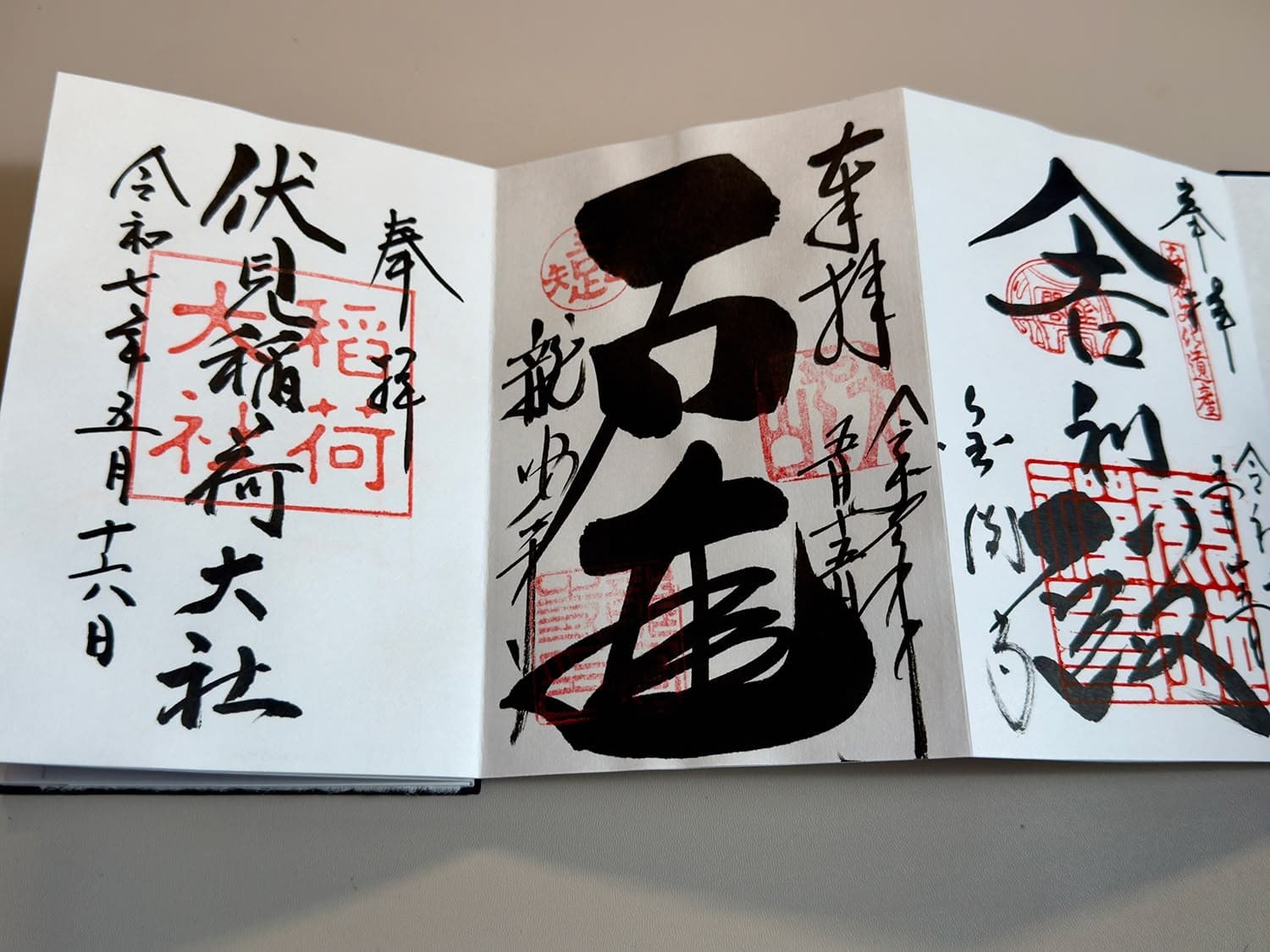
Erster Goshuin
Erfahren Sie, wie goshuin-Besuche funktionieren, und folgen Sie dann einer einfachen Eintages-Route durch anfängerfreundliche Tempel und Schreine mit gemächlichem Tempo.
- 1 Tag
- 4 Stopps
- Tokyo
Über diese Reise
Eine praktische erste Goshuin-Sammelroute mit einfacher Etikette, leichtem Zugang und zuverlässigen Tempel-/Schrein-Schaltern.
Reiseplan nach Tagen
Erster Tag zur Goshuin-Übung
- 4 Stopps
- ca. 270 Min. inkl. Besuche
Meiji Jingu
ShibuyaJedes Jahr durchschreiten allein in den ersten Januartagen mehr als drei Millionen Menschen dasselbe hoch aufragende Holztor, was diesen einzelnen heiligen Ort zur meistbesuchten Kultstätte ganz Japans während der Neujahrssaison macht. Dieses Tor, das große torii am südlichen Eingang zum Meiji Jingu, erhebt sich aus einem bewaldeten Korridor im Herzen von Shibuya, Tokyo, und in dem Moment, in dem man darunter hindurchschreitet, verschwindet die Stadt einfach. Historische Grundlagen Die Geschichte des Meiji Jingu beginnt mit einem Tod und einer Frage. Als Kaiser Meiji am 30. Juli 1912 starb, hatte Japan keinen klaren rechtlichen Rahmen dafür, was folgen sollte. Er hatte über eine der dramatischsten nationalen Transformationen der modernen Geschichte präsidiert und Japan während der Meiji Restoration von einer feudalen, isolierten Gesellschaft zu einer industrialisierten Weltmacht geführt. 1852 geboren, bestieg er den Thron 1867 genau am Angelpunkt dieser Transformation. Als er starb, hatte Japan eine moderne Verfassung, eine parlamentarische Regierung, ein nationales Eisenbahnnetz und ein Militär, das sowohl China als auch Russland besiegt hatte. Die Frage, die sein Tod aufwarf, war nicht nur zeremonieller Natur. Sie lautete: Wie ehrt eine Nation einen Mann, der sie neu erschaffen hat? Innerhalb weniger Wochen hatten prominente Persönlichkeiten, darunter der Industrielle Shibusawa Eiichi und Tokios Bürgermeister Sakatani Yoshiro, ein Komitee gebildet und ein formelles Memorandum veröffentlicht, das eine Vision darlegte: ein Schrein mit einem inneren Bezirk, der vom Staat finanziert wird, und einem äußeren Bezirk, der durch öffentliche Spenden finanziert wird. Der von ihnen identifizierte Standort war das Yoyogi Imperial Estate, ein 73 Hektar großes Grundstück im Westen Tokios, das zuvor in der frühen Edo-Zeit als Privatresidenz des Kato-Clans aus der Higo-Domäne gedient hatte, dann ab 1640 als unteres Anwesen des Ii-Clans aus der Hikone-Domäne, bevor es 1874 von der Meiji-Regierung gekauft wurde. Der Kaiserliche Reichstag genehmigte das Projekt offiziell, und am 1. Mai 1915 wurde die Errichtung des Meiji Jingu offiziell bekannt gegeben. Der Bau begann unter dem Architekten Ito Chuta im traditionellen nagare-zukuri-Stil, wobei hauptsächlich japanische Zypresse und Kupfer verwendet wurden. Die Hauptbauholzstämme kamen aus Kiso in der Präfektur Nagano und aus Alishan in Taiwan, damals ein japanisches Territorium, wobei Materialien aus jeder Präfektur des Kaiserreichs stammten, einschließlich Karafuto, Korea und Kwantung. Der Bau war ein wahrhaft nationales Unterfangen: Jugendgruppen und Bürgervereinigungen aus ganz Japan trugen Arbeitskraft und Finanzierung bei, und 100.000 Bäume wurden von Bürgern aus allen Regionen des Landes gespendet und ab 1916 gepflanzt. Der Schrein wurde am 3. November 1920, dem Geburtstag von Kaiser Meiji, offiziell geweiht, und sein Gelände war bis 1926 vollständig fertiggestellt. Das ursprüngliche Innen
Geschätzter Besuch · 90 Min.24 waren hier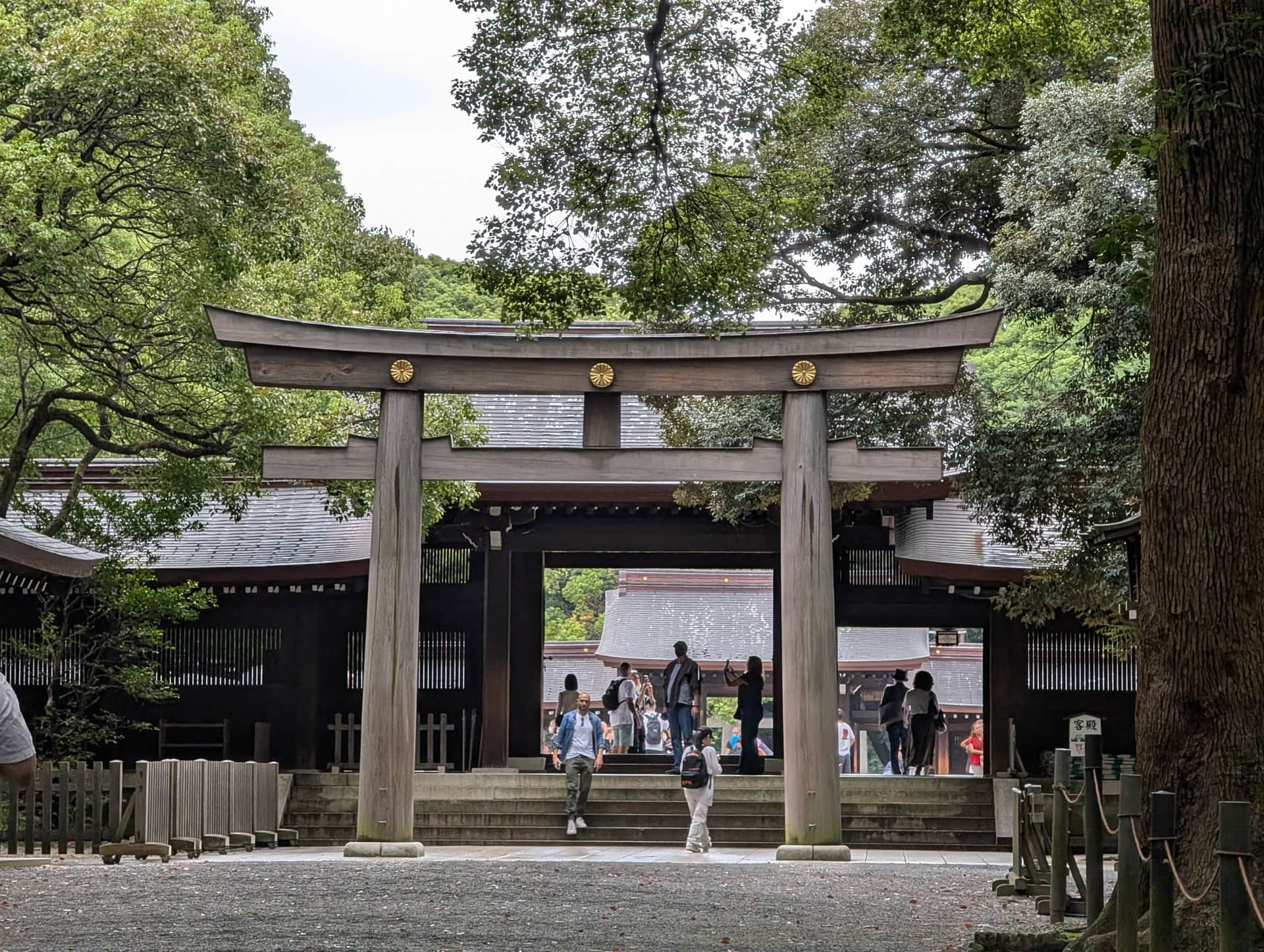
- Fahrt
ca. 20 Min.
Yushima Tenmangu
BunkyoYushima Tenmangu (湯島天満宮) ist ein Shinto-Schrein in Bunkyo, Tokio. Im Stadtviertel gelegen, ist er ein Ort für die Shinto-Verehrung und ein praktischer Anlaufpunkt für Besucher, die die Gemeindeschreine und den religiösen Alltag der Gegend kennenlernen.
Geschätzter Besuch · 45 Min.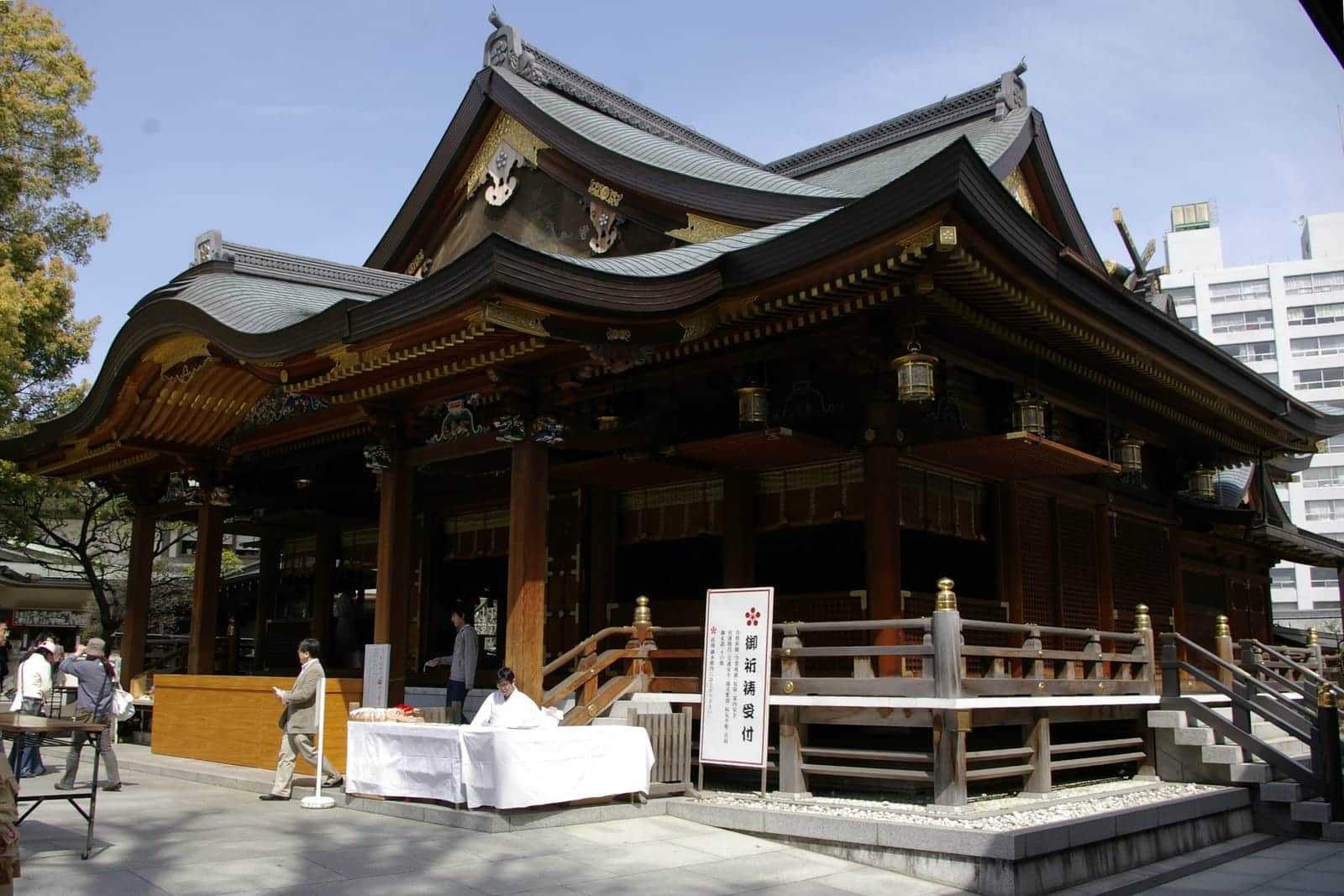
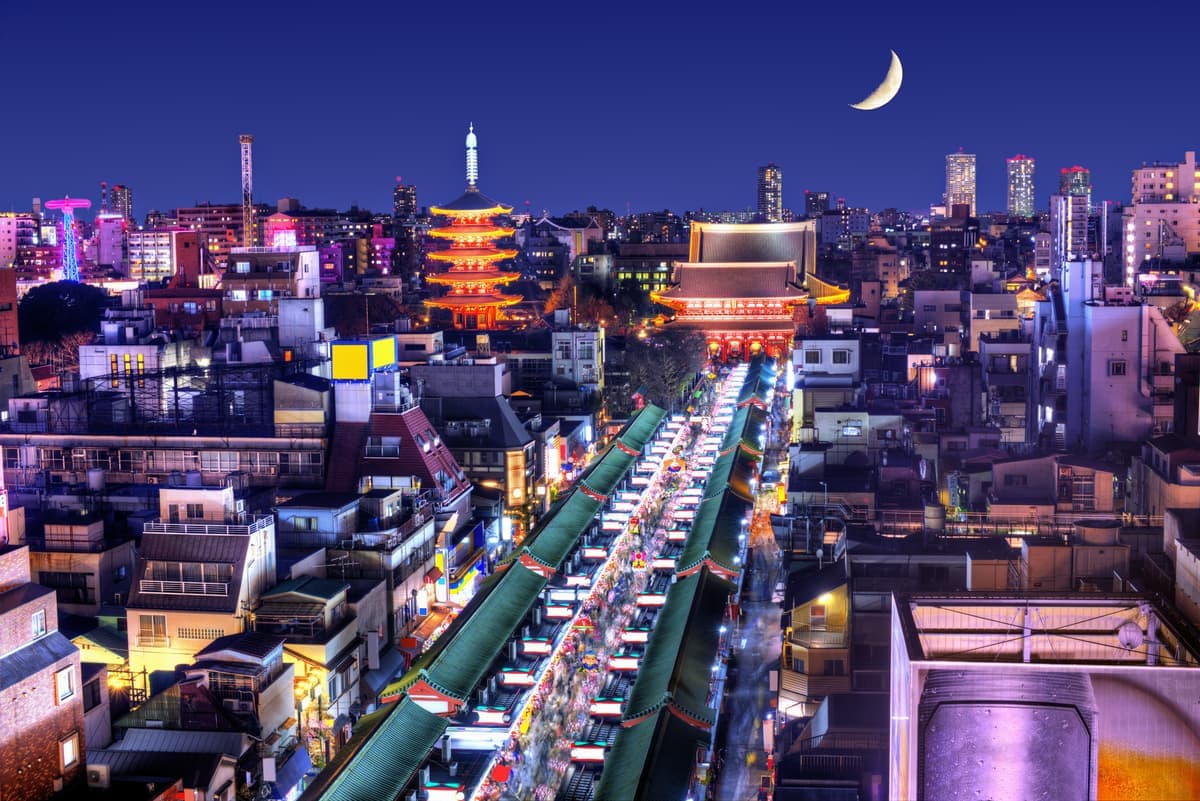
Senso-ji
TaitoThe first thing that grips you at Sensō-ji is the sense that this place has never been merely a monument. It is a living center of devotion, crowded with pilgrims, day-trippers, and local worshippers, yet still anchored by a single hidden image of Kannon, the bodhisattva of compassion. Founded in 628, and known formally as Kinryū-zan Sensō-ji, this is Tokyo’s oldest temple and one of Japan’s most visited sacred sites, drawing more than 30 million visitors a year. The temple’s heart is famously unseen, because the principal image has been kept out of public view for centuries. That mixture of revelation and concealment, ritual and street life, gives the whole precinct its unforgettable character. Historical Foundations The temple’s origin story is one of the best-known in Japan. According to tradition, on the morning of March 18, 628, two fishermen, Hinokuma Hamanari and his brother Takenari, were fishing in the Sumida River when they found a small statue in their net. Their village headman, Haji no Nakatomo, recognized the figure as Avalokitesvara Bodhisattva, called in Japan Kannon or Sho Kanzeon Bosatsu, and devoted himself to Buddhist practice. He converted his home into a temple and spent the rest of his life in worship and memorial services. In 645, the priest Shokai arrived in the area and built a hall for the image. After receiving a revelation in a dream, he decided to conceal the statue from view. Since then, the sacred image has remained hibutsu, never publicly unveiled. That hidden status is one of the great defining features of Sensō-ji. In the mid-ninth century, the renowned Tendai priest Ennin visited and created a replica image, also associated with the temple’s devotional life, so that something could be shown occasionally to the public. Through the Kamakura period (1185 to 1333), the temple attracted the devotion of shoguns, military leaders, and literati. Its status rose again in 1590, when Tokugawa Ieyasu, the first Tokugawa shogun, designated it as the temple for shogunal prayers. During the Edo period (1603 to 1867), successive shoguns visited, and devotion to Kannon spread widely among common people. As Edo grew into one of the world’s largest cities, Asakusa developed into a major cultural center, later associated with theater, film, music, and vaudeville in the modern era. The temple was devastated in the 10 March 1945 firebombing of Tokyo during World War II. The main hall was rebuilt in the 1950s, specifically 1958, using donations from supporters across Japan. After the war, in 1950, Sensō-ji became independent, having previously been associated with the Tendai school. That sequence, destruction followed by rebuilding, is central to the way people understand the temple today, as both an old sanctuary and a place that was restored by collective faith. Architectural Mastery Sensō-ji’s precinct is defined by a procession of gates and halls that shape the visitor’s experience from the first step. The best-known entrance is Kaminarimon Gate, often translated as the Thunder Gate, whose massive red lantern has become one of Tokyo’s most recognizable images. Passing through it, visitors enter Nakamise-dōri, the approach street lined with shops selling traditional snacks, souvenirs, and crafts. The street is not an incidental extra. It is part of the temple’s ritual atmosphere, extending the transition from ordinary city life into sacred space. Beyond Nakamise lies Hōzōmon Gate, commonly called the Nio-mon Gate, and also Niten-mon Gate, both important architectural markers within the grounds. The complex also includes the striking five-story pagoda, one of the temple’s best-known landmarks. Nearby are Bentendo Hall, Awashimado Hall, Yogodo Hall, and the Main Hall, or Kannon-do. The main hall’s roof is especially notable: it rises in a dramatic slope, taller and more emphatic than what many visitors expect of a temple building. The structure is divided into the naijin or inner sanctuary and the gejin or outer sanctuary, and the principal image rests in a miniature temple inside the inner space. That small inner shrine, locked and protected, reinforces the paradox at the center of the site, public worship around an image that remains unseen. One of the temple’s most important surviving treasures is Denboin and its garden, designated a National Scenic Beauty Site. The grounds are not only built space but carefully composed landscape, where the architecture and garden together guide movement, pause, and contemplation. In the Main Hall, there are also two calligraphic masterpieces by Noguchi Sekko, one of the Three Best Calligraphers of the Edo Period, with texts quoting Hanjusan by Shan-tao of the Pure Land tradition. Even in calligraphy, the temple’s message is one of compassion and equal regard for all beings. Religious & Cultural Significance The temple is dedicated to Kannon, the bodhisattva of mercy and compassion, who responds to suffering with boundless benevolence. In Japanese Buddhism, Kannon appears in multiple forms, including Juichimen with 11 faces, Senju with 1,000 hands, and Nyoirin, associated with the wish-granting jewel and the Dharma wheel. Sensō-ji’s principal image embodies the basic form, one face and two hands, but the theology around it extends far beyond a single icon. This is also an active pilgrimage site. Sensō-ji is the 13th stop on the Bandō Sanjūsankasho pilgrimage route, and it receives worshippers from across Japan and beyond. The temple’s own materials state that it draws around 30 million visitors each year, making it one of the most frequented religious sites in the world. Devotion here is visible in simple gestures, especially the prayer taught to visitors at the main hall: place your hands together and chant “Namu Kanzeon Bosatsu”, meaning “I place my trust in Bodhisattva Kannon.” Several auxiliary halls deepen the temple’s devotional life. Yogodo Hall houses eight Buddhas connected with the Yogoshu, protectors associated with the Chinese zodiac, each thought to watch over those born in certain years. Awashimado Hall and Bentendo Hall add further layers of worship and local practice. The presence of these subsidiary cults makes Sensō-ji feel less like a single shrine to a single deity and more like a whole religious landscape. Natural Setting & Environment Sensō-ji was first established in what was once a fishing village at the edge of the Sumida River, in the wild landscape of Musashino near the estuary of Tokyo Bay. That origin matters, because the temple’s present urban intensity hides the fact that it began at a watery frontier. Even now, the temple’s setting reflects that relationship between the sacred and the changing city. Asakusa is dense and energetic, yet the temple precinct creates intervals of quiet, especially in early morning or after dark. The garden of Denboin offers a more deliberate encounter with nature. Its designation as a scenic site points to the care with which this environment has been shaped. Seasonal changes, the view of the pagoda, and the contrasts between open courtyards, wooden halls, and planted spaces all contribute to the atmosphere. The temple’s tall rooflines and pagoda are visible markers above the district, but the interior experience is more intimate, with incense smoke, bells, and the movement of people slowing as they pass from gate to gate. Visitor Experience & Heritage For today’s visitor, Sensō-ji is both a major religious site and a place where the texture of Tokyo’s older culture is still easy to feel. The route itself is part of the experience, from Kaminarimon through Nakamise-dōri to the main hall. You can obtain scarlet seal stamps at the temple, visit the halls one by one, or simply stand for a moment in front of the incense burner and watch the flow of people around you. The temple’s modern popularity never fully overwhelms its devotional core, because the route, the hidden image, and the prayer practice all keep reminding you that this is a functioning Buddhist sanctuary. Sensō-ji’s fame comes from more than age alone. It has survived political transformation, wartime destruction, postwar rebuilding, and the relentless expansion of the city around it. Yet the essential story has remained stable for nearly fourteen centuries, a fisherman’s net, a hidden statue, a community turned toward compassion. That is why the temple continues to matter so widely, not only as an icon of Asakusa or Tokyo, but as a place where Japanese Buddhist devotion, urban history, and popular culture still meet in one remarkably alive space.
Geschätzter Besuch · 90 Min.Eintritt frei23 waren hier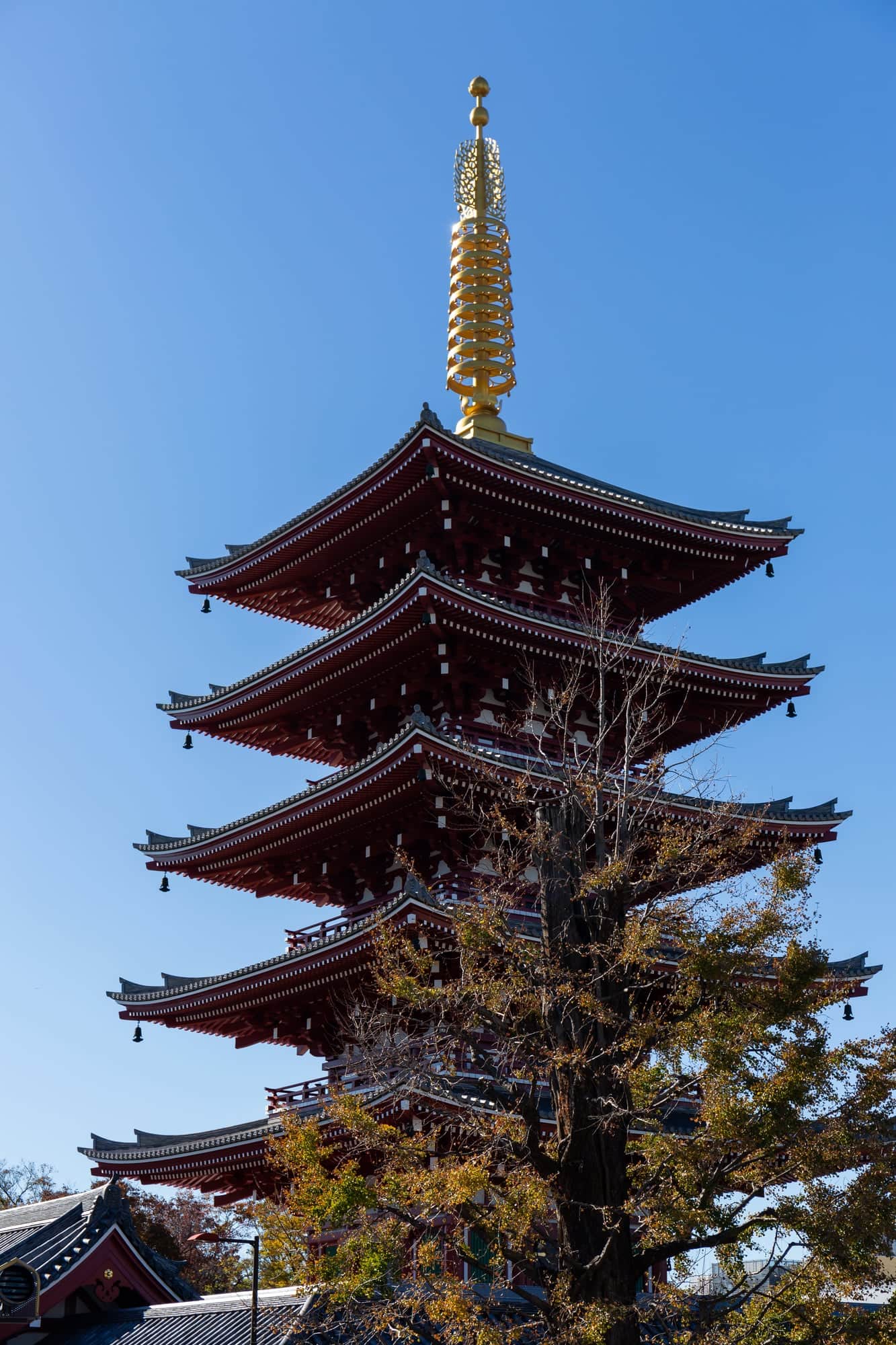
Asakusa Jinja
TaitoA single fishing net changed the destiny of Asakusa. On the morning of March 18, 628, two brothers, Hamanari and Takenari Hinokuma, cast their net into the Sumida River, then known as Asakusa Bay. They caught no fish. Instead, the net repeatedly brought up the same small image, a statue of Kannon, the Buddhist figure of compassion. Today, Asakusa Jinja preserves the memory of that discovery and venerates the three men connected with it: the fishermen and Hajinomatsuchi, the learned local landowner who recognized the statue. Known affectionately as Sanja-sama, or “the Three,” the shrine is also the spiritual center of Sanja Matsuri, one of Tokyo’s most famous traditional festivals. Historical Foundations The brothers first carried the mysterious image ashore near present-day Komagata and placed it on the stump of a Japanese pagoda tree, known as an enju. They then asked Hajinomatsuchi to examine it. He identified the figure as Kannon, a powerful object of devotion believed to bring benefits in this world. The brothers embraced faith in the image, prayed intensely, and asked that their next day’s fishing be successful. On March 19, their boat filled with fish. Hajinomatsuchi soon shaved his head, became a Buddhist monk, transformed his home into a temple, and devoted the remainder of his life to caring for the image and teaching the local population. This episode forms the legendary origin of Sensoji, whose growth brought prosperity to what had once been a small rural settlement. According to tradition, the descendants of the three men later received a dream revelation from Kannon. The message instructed them to enshrine their ancestors as protective deities beside the Kannon hall. The resulting sanctuary became known as Sanja Gongen, meaning the shrine of the Three Manifestations. Its precise foundation date is unknown. The tradition most plausibly places its establishment between the late Heian period and the early Kamakura period, when the religious idea of gongen was widespread. In that system, a buddha could appear temporarily in the form of a native Japanese kami in order to guide people. The shrine’s name changed during the modern separation of Buddhist and Shinto institutions. In 1868, the first year of the Meiji era, it became Sanja Myojin Shrine. It was designated a village shrine in 1872, and in 1873 received its present name, Asakusa Jinja, while becoming the general guardian shrine of Asakusa. Local residents still call it Sanja-sama, preserving the older identity. Architectural Mastery The present buildings were donated and constructed in 1649, during the reign of the third Tokugawa shogun, Tokugawa Iemitsu. Their survival is remarkable. Fires, wartime destruction, and the Great Kanto Earthquake of 1923 damaged much of Tokyo, yet the shrine buildings escaped major loss and retain the appearance of the early Edo period. The main complex consists of the inner sanctuary, the offering hall, and the worship hall. The latter two are connected by a covered passage, forming the architectural arrangement called gongen-zukuri. This style is associated with important Tokugawa-period sanctuaries, including Nikko Toshogu. It creates a layered progression from the public space of worship toward the more restricted sacred interior. The buildings were designated an Important Cultural Property of Japan in 1951. By 1996, their painted surfaces and lacquerwork had deteriorated substantially. A restoration costing 350 million yen renewed the exterior decoration. After 33 years had passed since the previous major restoration, the renewed colors brought back the strong reds, greens, golds, and dark lacquer tones characteristic of early Edo architecture. Look closely at the decorative creatures carved and painted throughout the complex. The phoenix represents auspicious rule and is associated with the birth of a virtuous sovereign. The kirin, a benevolent creature with the body of a deer, the head of a wolf, the tail of an ox, and the feet of a horse, is said to appear when an excellent ruler emerges. The unusual flying dragon, with a fish-like body and wings, governs water. Near the entrance, the right and left ministers, known as imperial retainers, hold weapons whose purpose is to repel evil. Religious and Cultural Significance The shrine’s central religious identity comes from the three founders, who are treated as local guardian deities. Their story links the sacred history of Asakusa with the origin of Sensoji and with the community’s prosperity. The relationship also reflects the older, intertwined religious world in which Buddhist and kami traditions worked together before the Meiji government ordered their institutional separation. The most dramatic expression of this local devotion is Sanja Matsuri, held each year on the third Saturday and Sunday of May. The festival’s present form developed during the Edo period, although its origins are older. The three principal portable shrines, Ichinomiya, Ninomiya, and Sannomiya, are carried through the neighborhood. The procession renews bonds among the shrine’s ujiko, or local parishioners, and expresses prayers for the prosperity of Asakusa. Visitors may see these great mikoshi in the portable shrine storehouse, which opens during the May festival, at New Year, and on some weekends and holidays in early spring. Other annual observances include sacred dances, miko maiden performances, the traditional Binzasara dance, purification rites, seasonal celebrations, and special worship services. The shrine also conducts ceremonies for newborn children, protection from misfortune, children’s festivals, and Shinto weddings. In modern Asakusa, it supports youth education and the continuation of traditional culture through workshops, seasonal farming activities, harvest events, and community programs. Natural Setting and Sacred Objects The torii marks the boundary between ordinary human space and the shrine’s sacred precinct. Asakusa Jinja’s front gate is a shinmei torii, erected in September 1885. Beside it is a shrine name tablet written by Sasaki Yukitada, a senior priest associated with the Grand Shrine of Ise. Before approaching the main building, visitors traditionally use the water purification pavilion to rinse their hands and mouth. The shrine’s sacred tree recalls the founding legend directly. Because the fishermen placed the recovered Kannon image on an enju stump, enju trees growing within the precinct are treated as shinboku, or sacred trees that can serve as vessels for divine presence. Two especially unusual stone guardian dogs date from the early Edo period. Rather than facing one another separately in the usual manner, these figures appear to sit close together. Their affectionate posture has given them associations with good relationships, marital harmony, and fulfilled love. The grounds also preserve an extraordinary record of Asakusa’s literary and performing-arts life. Monuments commemorate Kabuki actors, writers, poets, dancers, and local personalities, including Kawatake Mokuami, Nakamura Kichiemon I, Ichikawa En’o I, Kubota Mantaro, and Kawaguchi Matsutaro. Other stones honor the art of flowers, fans, and dance. A monument to the popular manga Kochikame connects the precinct with modern popular culture, while a hyakudo stone marks the route used for repeated devotional visits. The fan monument is connected with an annual ceremony on April 8, when old fans are ceremonially burned. Visitor Experience and Heritage Asakusa Jinja is located at 2-3-1 Asakusa, Taito-ku, Tokyo. It is approximately seven minutes on foot from Asakusa Station on the Tokyo Metro Ginza Line, Toei Asakusa Line, and Tobu Skytree Line, and about ten minutes from Tsukuba Express Asakusa Station. The shrine adjoins the Sensoji area, but vehicles may enter only from Umamichi-dori. On-site parking is reserved for people receiving prayers and for wedding participants, with permission from shrine staff. After worship, visitors may receive a goshuin, a calligraphic seal recording the date and place of pilgrimage. The practice originated as proof that a person had deposited a hand-copied sutra at a temple and became common at shrines during the Edo period. At Asakusa Jinja, regular seals include those of Asakusa Jinja, the Asakusa Seven Lucky Gods pilgrimage, and Hikan Inari Shrine, with each regular seal offered for 500 yen. Seasonal seals appear for New Year, Sanja Matsuri, and summer worship. The essential order is simple: bow at the torii, purify yourself, pray with two bows, two claps, and one bow, then request the seal. The shrine also participates in the Asakusa Seven Lucky Gods circuit, which actually visits nine temples and shrines, and in the Tokyo Fukume-guri, an eight-shrine pilgrimage. These routes extend the experience beyond a single precinct, revealing Asakusa as a living district where sacred tradition, neighborhood memory, performance, and everyday life remain closely connected.
Geschätzter Besuch · 45 Min.Eintritt frei13 waren hier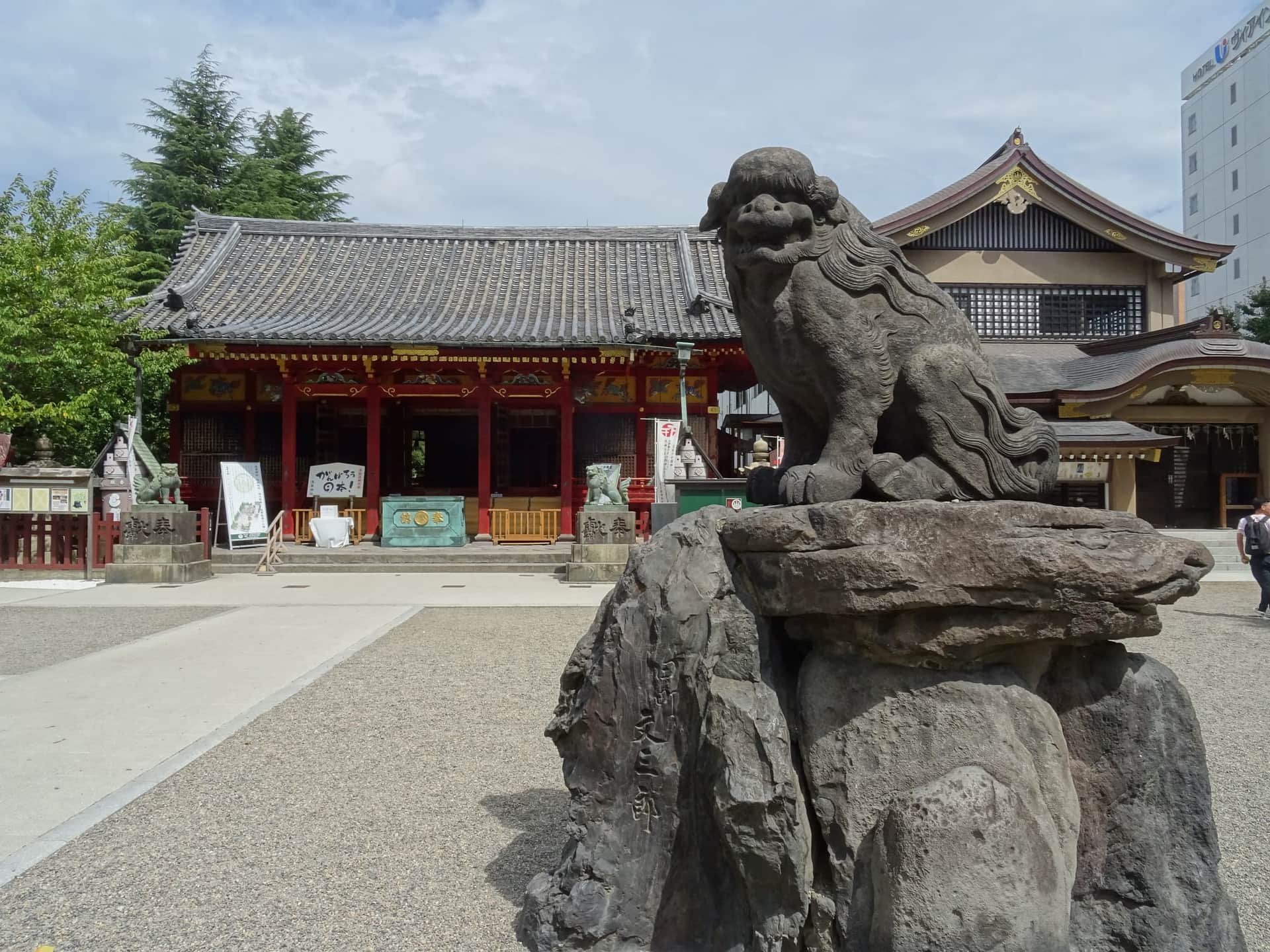
Mehr Möglichkeiten, Tokyo zu entdecken
Kürzere, ruhigere oder ausführlichere Routen für deine nächste Reise.
Tokio – Das Wesentliche
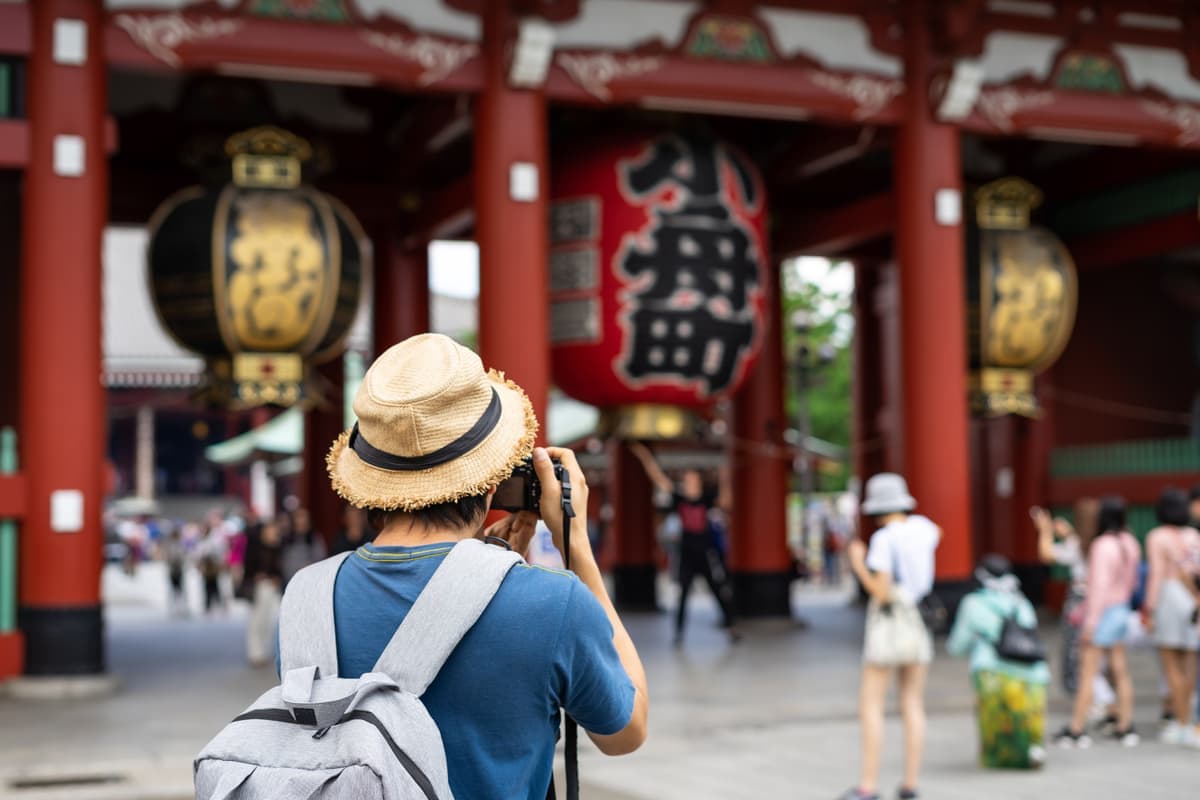
Verbringen Sie drei Tage in Tokios klassischen Schrein- und Tempelvierteln und verbinden Sie charakteristische Goshuin-Stationen mit Vierteln, die leicht mit der Bahn erreichbar sind.
- 3 Tage
- 13 Stopps
- Tokyo
 Pro
ProYanesen-Spaziergang
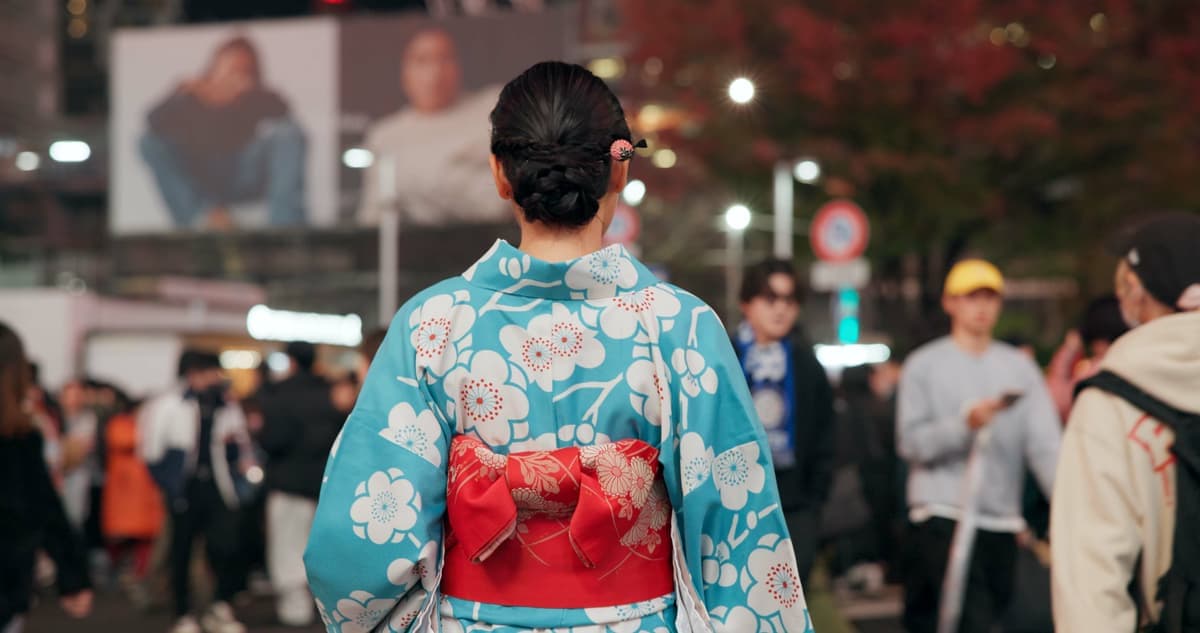
Ein gemächlicher eintägiger Spaziergang durch Yanaka, Nezu und Sendagi, der alte Tokioter Atmosphäre mit einer kleinen Auswahl durchdachter Goshuin-Stopps verbindet.
- 1 Tag
- 5 Stopps
- Tokyo
 Pro
ProVerstecktes Tokio
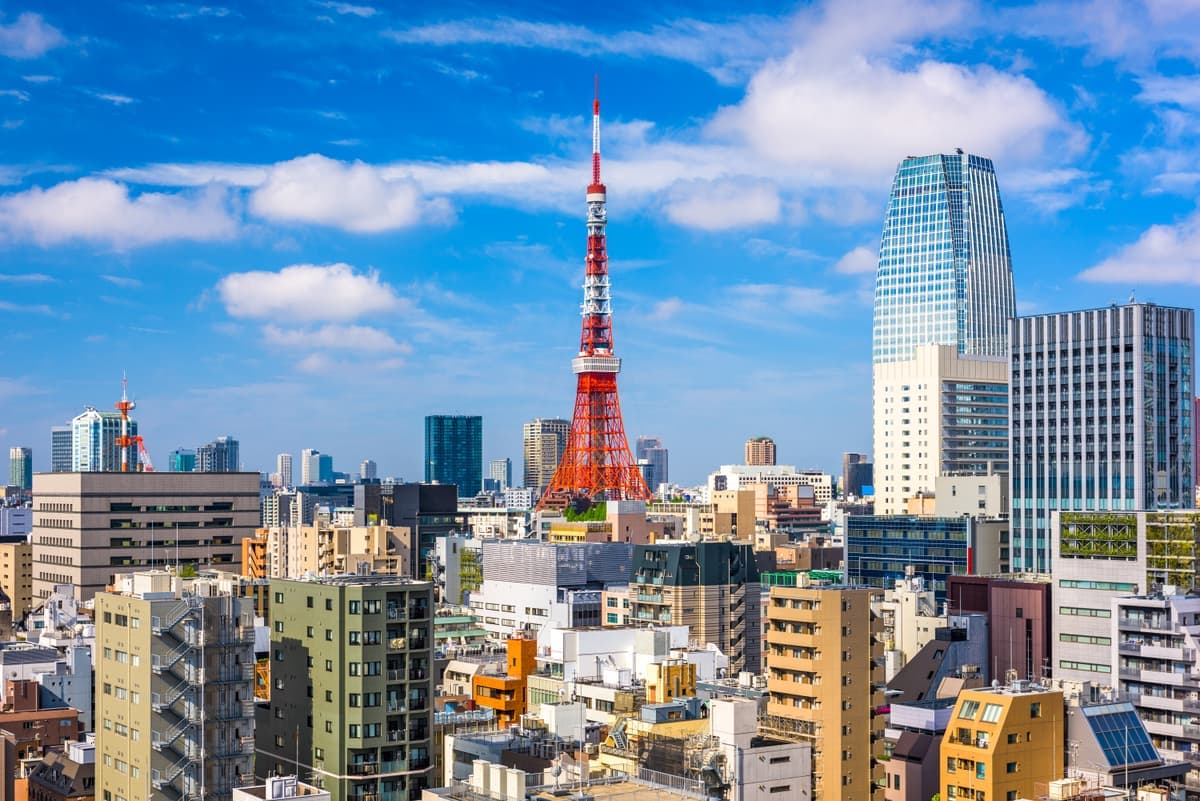
Eine zweitägige Route durch ruhigere Tōkyō-Schreine und Nebengassen, ideal wenn Sie sinnvolle Goshuin-Stopps abseits der belebtesten Routen möchten.
- 2 Tage
- 8 Stopps
- Tokyo
 Pro
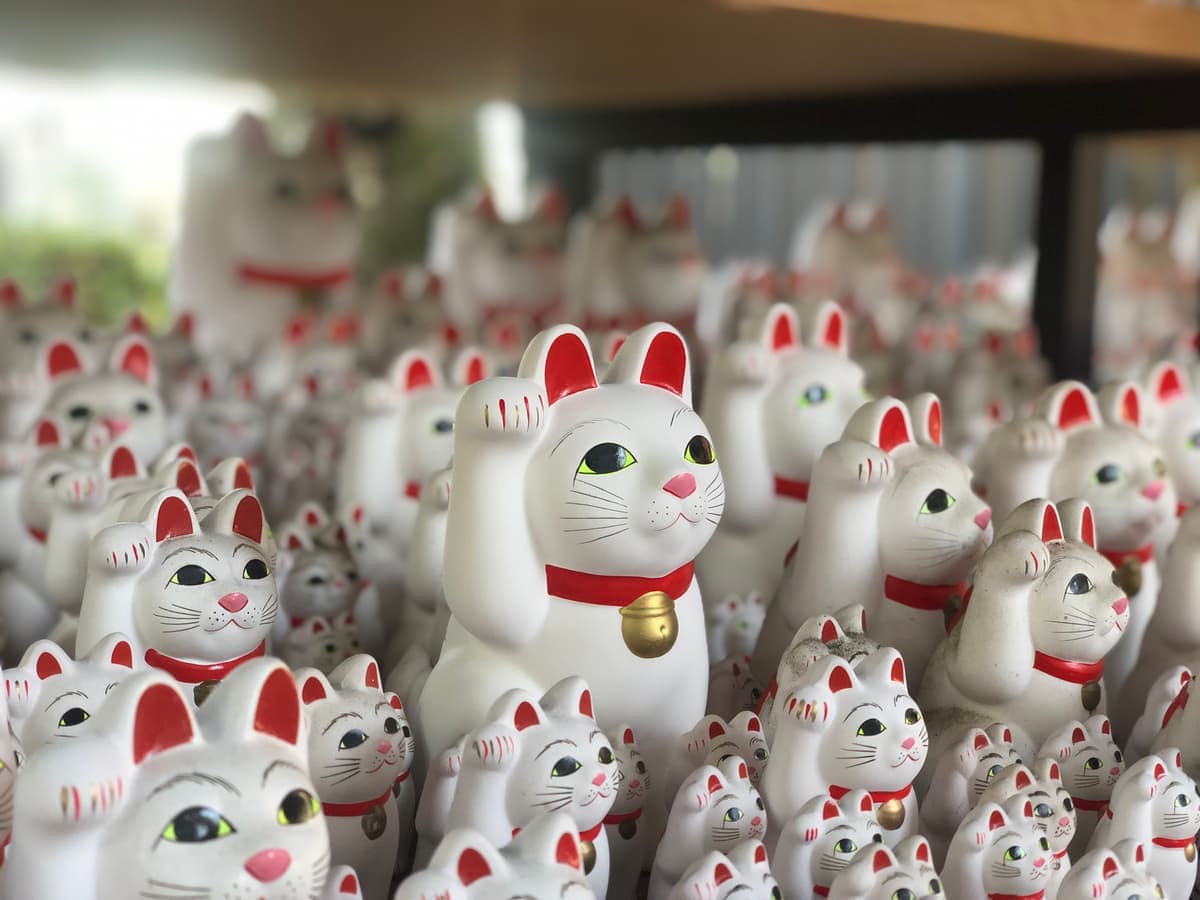
ProTokios Tierheiligtümer
Eine zweitägige Tokio-Route für Fuchs-, Katzen- und tiergestaltige Schreintempel, konzipiert für Sammler, die charaktervollere Goshuin-Designs bevorzugen.
- 2 Tage
- 9 Stopps
- Tokyo
 Pro
ProTokio intensiv entdecken
Ein fünftägiger Tokyo-Plan für Sammler, die über die offensichtlichen Zwischenstopps hinausgehen möchten, mit einer Mischung aus charakteristischen goshuin, ruhigeren Gegenden und tieferer Stadtabdeckung.
- 4 Tage
- 20 Stopps
- Tokyo