
Tokio – Das Wesentliche
Verbringen Sie drei Tage in Tokios klassischen Schrein- und Tempelvierteln und verbinden Sie charakteristische Goshuin-Stationen mit Vierteln, die leicht mit der Bahn erreichbar sind.
- 3 Tage
- 13 Stopps
- Tokyo
Über diese Reise
Eine Route für erste Tokyo-Goshuin, die bekannte Schreine mit leicht zugänglichen Sammelstationen verbindet.
Reiseplan nach Tagen
Harajuku nach Akasaka
- 4 Stopps
- ca. 225 Min. inkl. Besuche
Meiji Jingu
ShibuyaJedes Jahr durchschreiten allein in den ersten Januartagen mehr als drei Millionen Menschen dasselbe hoch aufragende Holztor, was diesen einzelnen heiligen Ort zur meistbesuchten Kultstätte ganz Japans während der Neujahrssaison macht. Dieses Tor, das große torii am südlichen Eingang zum Meiji Jingu, erhebt sich aus einem bewaldeten Korridor im Herzen von Shibuya, Tokyo, und in dem Moment, in dem man darunter hindurchschreitet, verschwindet die Stadt einfach. Historische Grundlagen Die Geschichte des Meiji Jingu beginnt mit einem Tod und einer Frage. Als Kaiser Meiji am 30. Juli 1912 starb, hatte Japan keinen klaren rechtlichen Rahmen dafür, was folgen sollte. Er hatte über eine der dramatischsten nationalen Transformationen der modernen Geschichte präsidiert und Japan während der Meiji Restoration von einer feudalen, isolierten Gesellschaft zu einer industrialisierten Weltmacht geführt. 1852 geboren, bestieg er den Thron 1867 genau am Angelpunkt dieser Transformation. Als er starb, hatte Japan eine moderne Verfassung, eine parlamentarische Regierung, ein nationales Eisenbahnnetz und ein Militär, das sowohl China als auch Russland besiegt hatte. Die Frage, die sein Tod aufwarf, war nicht nur zeremonieller Natur. Sie lautete: Wie ehrt eine Nation einen Mann, der sie neu erschaffen hat? Innerhalb weniger Wochen hatten prominente Persönlichkeiten, darunter der Industrielle Shibusawa Eiichi und Tokios Bürgermeister Sakatani Yoshiro, ein Komitee gebildet und ein formelles Memorandum veröffentlicht, das eine Vision darlegte: ein Schrein mit einem inneren Bezirk, der vom Staat finanziert wird, und einem äußeren Bezirk, der durch öffentliche Spenden finanziert wird. Der von ihnen identifizierte Standort war das Yoyogi Imperial Estate, ein 73 Hektar großes Grundstück im Westen Tokios, das zuvor in der frühen Edo-Zeit als Privatresidenz des Kato-Clans aus der Higo-Domäne gedient hatte, dann ab 1640 als unteres Anwesen des Ii-Clans aus der Hikone-Domäne, bevor es 1874 von der Meiji-Regierung gekauft wurde. Der Kaiserliche Reichstag genehmigte das Projekt offiziell, und am 1. Mai 1915 wurde die Errichtung des Meiji Jingu offiziell bekannt gegeben. Der Bau begann unter dem Architekten Ito Chuta im traditionellen nagare-zukuri-Stil, wobei hauptsächlich japanische Zypresse und Kupfer verwendet wurden. Die Hauptbauholzstämme kamen aus Kiso in der Präfektur Nagano und aus Alishan in Taiwan, damals ein japanisches Territorium, wobei Materialien aus jeder Präfektur des Kaiserreichs stammten, einschließlich Karafuto, Korea und Kwantung. Der Bau war ein wahrhaft nationales Unterfangen: Jugendgruppen und Bürgervereinigungen aus ganz Japan trugen Arbeitskraft und Finanzierung bei, und 100.000 Bäume wurden von Bürgern aus allen Regionen des Landes gespendet und ab 1916 gepflanzt. Der Schrein wurde am 3. November 1920, dem Geburtstag von Kaiser Meiji, offiziell geweiht, und sein Gelände war bis 1926 vollständig fertiggestellt. Das ursprüngliche Innen
Geschätzter Besuch · 90 Min.24 waren hier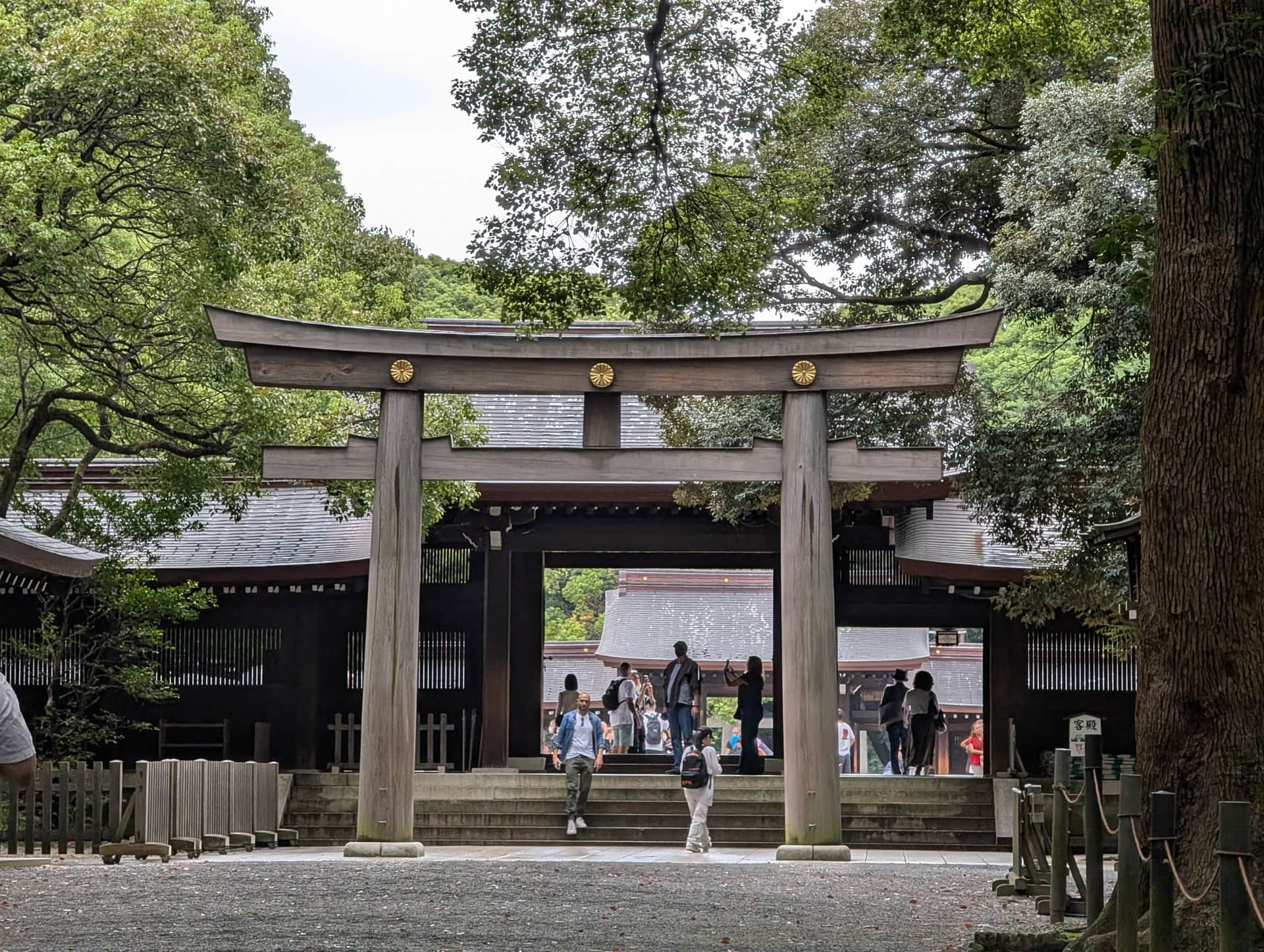
Togo Jinja
ShibuyaTōgō Jinja ist ein Shinto-Schrein in Harajuku, Tokio, der Admiral Tōgō Heihachirō gewidmet ist, der hier als kami verehrt wird. Er wurde 1940 gegründet, durch die Bombardierung Tokios zerstört und 1964 wieder aufgebaut, was ihn zu einer Nachkriegsrekonstruktion mit großem Gedenkwert macht. Das Gelände umfasst ein kleines Museum und eine Buchhandlung, die Tōgō gewidmet sind. Der Schrein liegt in der Nähe der Kreuzung von Takeshita Street und Meiji Avenue, unweit des Bahnhofs Harajuku, und beherbergt auch Tōgōs original Kriegsflagge aus der Schlacht von Tsushima, die 2005 erworben wurde. Obwohl Tōgōs sterbliche Überreste auf dem Tama-Friedhof begraben sind, bleibt der Schrein ein wichtiger Ort der Kriegserinnerung und modernen Shinto-Verehrung. Er ist ein lokaler Wallfahrtsort für diejenigen, die sich für Marinegeschichte und Japans Gedenkkultur der Kriegszeit interessieren.
Geschätzter Besuch · 30 Min.Eintritt frei8 waren hier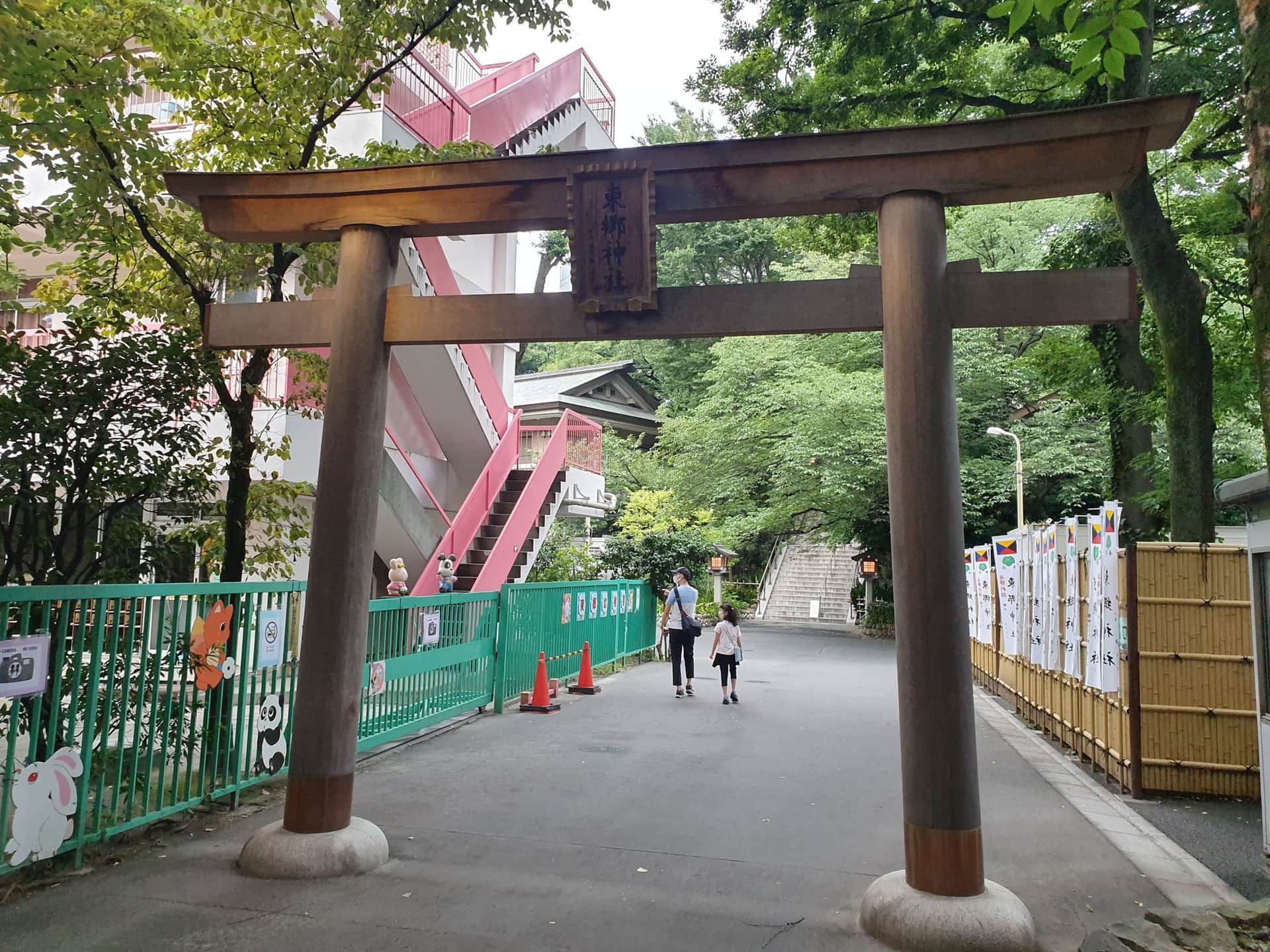
Nogi Jinja
MinatoEin stiller Steinweg führt Sie in genau jenes Haus, in dem ein gefeierter General und seine treue Ehefrau ihr Leben beendeten – ein Akt der Loyalität, der eine Nation erschütterte und bis heute moralische und historische Komplexität ausstrahlt. Hier im zentralen Tokios Bezirk Minato bewahren die friedlichen Anlagen des Nogi-Schreins – offiziell Nogi-jinja – die Geister von General Nogi Maresuke und Nogi Shizuko als Shinto-Kami. Gegründet am 1. November 1923, steht der Schrein auf dem ehemaligen Wohnsitz des Paares, einem einzigartigen Anwesen, auf dem ein Beispiel westlicher Architektur aus der Meiji-Zeit neben traditionellen heiligen Bauwerken erhalten ist. Der Ort ist untrennbar mit dem Datum 13. September 1912 verbunden, als General Nogi und seine Frau nach dem Tod des Meiji-Kaisers den rituellen Tod wählten – die Erfüllung lebenslanger Ideale. Der ursprüngliche Schrein wurde später bei den Luftangriffen am 25. Mai 1945 zerstört; das, was Sie heute sehen, wurde 1962 wieder aufgebaut – eine Nachkriegsbekräftigung von Erinnerung und Bedeutung. Historische Grundlagen Reist man zurück an die turbulente Jahrhundertwende, begegnet man einer Figur, die Japans rasante Transformation symbolisiert: General Nogi Maresuke (1849–1912), ein Offizier, dessen Dienst und persönliche Strenge ihn zum Nationalsymbol machten. Seine Frau, Nogi Shizuko (1856–1912), teilte seine Überzeugungen und in ihrem Tod sein Schicksal. Ihr letzter Akt ereignete sich am 13. September 1912, dem Tag der Beerdigung des Meiji-Kaisers. Für Zeitgenossen war dies ein streng traditionelles Loyalitätszeichen – was spätere Kommentatoren als Echo von junshi (dem Herrn in den Tod folgen) bezeichneten. Für andere war es ein tief umstrittener Akt, der die Spannungen und Widersprüche der Modernisierung offenlegte. Unmittelbar danach suchten städtische Führungspersönlichkeiten einen Ort, an dem die Öffentlichkeit trauern und reflektieren konnte. Der Bürgermeister von Tokio, Baron Yoshio Sakatani, rief den Chūō Nogi Kai – die Zentrale Nogi-Vereinigung – mit der klaren Mission zusammen, einen Schrein für das Paar auf dem Gelände ihres Wohnsitzes zu errichten. Diese Entscheidung ehrte nicht nur zwei Individuen, sondern auch eine nationale Debatte über Pflicht, Moderne, Trauer und die Form des öffentlichen Gedächtnisses. Offiziell am 1. November 1923 gegründet, öffnete Nogi-jinja als ein Ort der Verehrung der Nogis als Kami, eine Geste, die auf der langjährigen shintoistischen Praxis beruht, beispielhafte Menschen zu vergöttlichen, ähnlich wie die Verehrung von Sugawara no Michizane an Tenmangū-Schreinen oder Tokugawa Ieyasu an Tōshōgū. Die frühen Jahrzehnte des Schreins waren von den einschneidenden Ereignissen im modernen Tokio überschattet. Ein großer Teil der Stadt litt unter Feuer und Krieg, gipfelnd in den verheerenden Luftangriffen am 25. Mai 1945, bei denen die ursprünglichen Schreinbauten zerstört wurden. Doch die Geschichte endete nicht mit dem Verlust im Krieg. 1962 wurde der heutige Schreinkomplex errichtet, der den Gründungsgeist von 1923 übernahm und den Ort als öffentlichen Erinnerungsort wiederherstellte. Dieser Bogen – Gründung nach 1912, Zerstörung 1945, Wiederaufbau 1962 – reiht Nogi-jinja ein in viele Schreine Tokios, die Widerstandsfähigkeit verkörpern: eine Stadt und eine Tradition, die sich immer wieder neu erfinden, dabei aber tief verwurzelt bleiben. Die Resonanz der Nogis reicht weit über Tokio hinaus. In ganz Japan ehren zahlreiche Schreine ihr Andenken. Darunter sind Stätten in Nasushiobara (Präfektur Tochigi), Fushimi-ku (Kyoto), Shimonoseki (Präfektur Yamaguchi) und Hannō (Präfektur Saitama). Diese verstreuten Heiligtümer markieren eine landesweite Gedenkgeographie und signalisieren das ungewöhnliche kulturelle Gewicht der Geschichte der Nogis sowie die Anpassungsfähigkeit des Shinto, moderne historische Figuren in sein Pantheon der Kami aufzunehmen. Architektonische Meisterschaft Die Kraft von Nogi-jinja liegt nicht nur in der Erzählung; sie liegt im gebauten Gefüge des Anwesens. Einzigartig ist, dass das Gelände ein seltenes westliches Wohnhaus aus der Meiji-Zeit umfasst, das als Teil des Schreinareals erhalten ist. Dieses Haus – ruhig, streng und elegant – spricht die Sprache des westlichen Designs des späten 19. und frühen 20. Jahrhunderts: ausgewogene Proportionen, formale Symmetrie und eine zurückhaltende Materialpalette. Mit seiner rechteckigen Form und zurückhaltenden Details steht es als Zeugnis der Meiji-Zeit, in der westliche Formen in Bildung, Militär und ziviler Architektur übernommen wurden. Betritt man dieses Gebäude, spürt man, wie importierte Ästhetik in das japanische Leben integriert wurde, von Grundrissen, die westlicher Wohnlogik folgen, bis zu Fenstern und Oberflächen, die von traditionellen japanischen Holzhallen abweichen. Draußen tritt man in eine andere Raumgrammatik ein. Die 1962 wiederaufgebauten Schreinbauten führen zurück zur Sprache des Shinto: eine Achse, die auf ein Torii-Tor ausgerichtet ist, ein ritueller Zugang, der zum Haiden (Gebetshalle) und schließlich zum Honden (Heiligtum) führt. Diese Bauten sind aus Holz gefertigt, wie es der Schreinarchitektur entspricht, ihre Oberflächen und Verbindungen spiegeln eine jahrhundertealte Tischlertradition wider. Die Dachformen wölben sich mit stiller Autorität und fangen Licht und Schatten im Tagesverlauf ein; das Dachmaterial besteht in Nachkriegsbauten oft aus Kupferlegierung oder Ziegeln, die Haltbarkeit mit traditioneller Silhouette verbinden. Die räumliche Abfolge – vom städtischen Trubel durch das Torii, zur Waschung am Temizuya (Reinigungsbecken), zur Stille des Haiden –
Geschätzter Besuch · 45 Min.Eintritt frei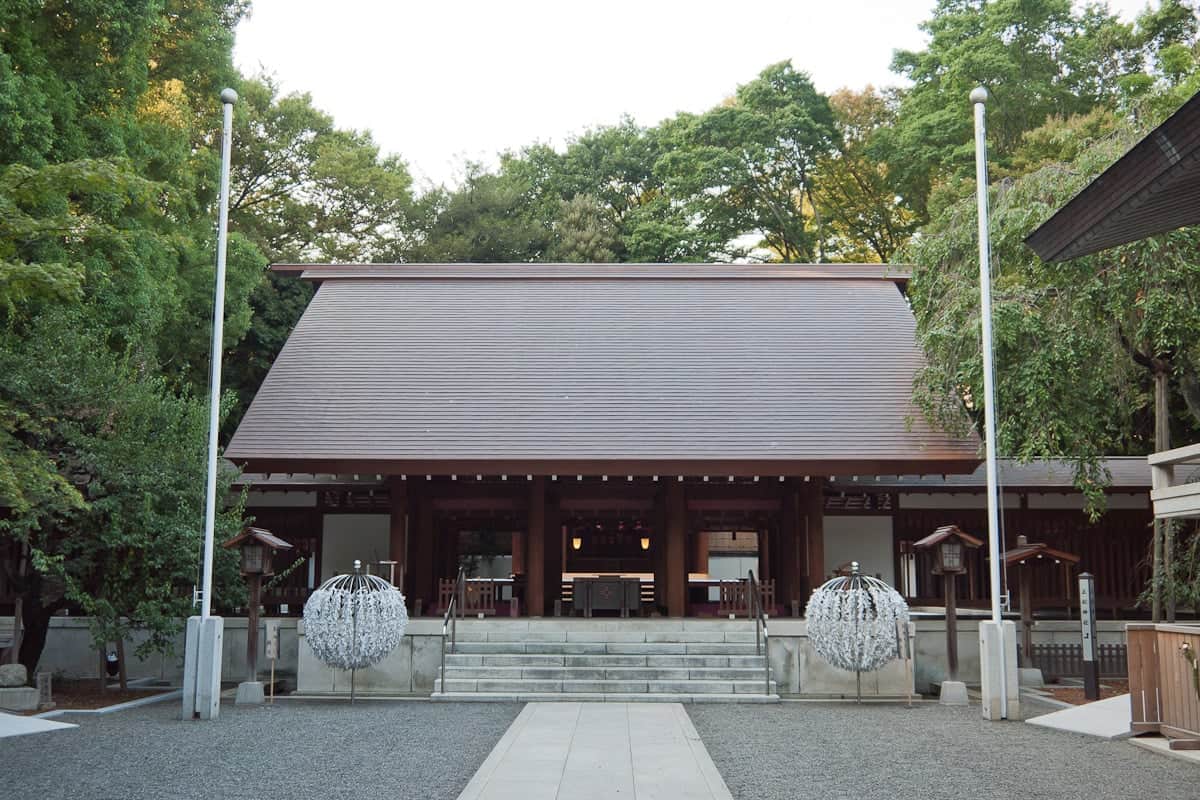
Hie Jinja
ChiyodaSlip from Tokyo’s corridors of power into a sudden splash of vermilion. In the heart of Nagatachō—steps from the National Diet—this sanctuary reveals itself through a tunnel of crimson torii leading up a hillside to a complex rebuilt in 1958 yet rooted in a story that begins in 1478. This is Hie Shrine—once the tutelary shrine of Edo Castle, now one of the Tokyo Ten Shrines—dedicated to Oyamakui-no-kami, the guardian deity of mountains and the spiritual anchor of the capital’s Sannō faith. Celebrated for the Sannō Matsuri, among the three great festivals of old Edo, Hie is where ancient devotion and modern city pulse meet: a shrine that burned, moved, survived wartime devastation in 1945, and rose again to continue blessing the center of Japanese government and the millions who pass through this district each year. Historical Foundations Hie’s story begins amid the formative years of Edo, long before skyscrapers and subways. In 1478, the military tactician and castle-builder Ōta Dōkan fortified his new stronghold on a low hill overlooking a tidal estuary. With the founding of his castle came the indispensable spiritual counterpart: a guardian shrine to protect the domain. Tradition holds that this act planted the seed of Hie Shrine—a tutelary presence charged with safeguarding the nascent castle town that would later become Tokyo. The shrine’s destiny transformed in the early seventeenth century when Tokugawa Ieyasu chose Edo as the seat of his shogunate. Recognizing the protective prestige of Hie’s deity and the deep cultural pull of the Sannō tradition, Ieyasu relocated and patronized the shrine in the opening decades of the 1600s, elevating it as the spiritual guardian of the new shogunal capital. From then on, Hie stood not just as a local protector but as the official tutelary shrine of Edo Castle—its rituals intertwined with the rhythms of governance and city life. The centuries that followed were marked by both growth and fragility. Edo, a city of wood and paper, repeatedly suffered conflagrations. Hie’s precincts, too, burned more than once, each time rebuilt through the backing of shoguns, daimyō, and townspeople who understood the shrine’s protective role over the city. This cycle of destruction and renewal culminated in the most devastating blow: the 1945 air raids of the Second World War, which obliterated much of central Tokyo and destroyed Hie Shrine’s buildings. Resilience defines Hie’s modern chapter. In 1958, the shrine was reconstructed in reinforced concrete, a pragmatic and forward-looking choice that allowed traditional forms to live securely within modern materials. The new complex retained the recognizable silhouette of a Shinto shrine while acknowledging the realities of postwar urban Tokyo. Today, Hie’s presence, a survivor reborn, speaks to continuity: of community, of state, and of faith in a city that has rebuilt itself more than once. Architectural Mastery Approach Hie from any direction and architecture guides the body into devotion. The first encounter is often the Sannō Torii—a distinctive gateway type associated with the Sannō tradition—announcing a threshold between the secular and the sacred. The torii is more than a symbol; its proportions and elegant lines frame a path, focus the gaze, and prepare the mind for ritual space. At Hie, the Sannō Torii stands as a visual signature of the shrine’s identity. Climb next through the famous torii-lined staircase, a corridor of vermilion that turns the act of ascent into a rhythmic experience: step, shadow, light, step. This stairway—photographed by countless visitors—distills a key architectural idea of Shinto space: repetition generates holiness. Each gate reiterates that you are crossing from the everyday to the precinct of the kami, and the repetitive geometry makes your movement intentional, meditative. At the complex’s center are the twin hearts of shrine architecture: the Honden (sanctuary) and the Haiden (worship hall). The Haiden is where the public kneels, claps, and prays; it is an open, inviting volume designed to embrace the congregation. Beyond it, aligned on the same axis but set off-limits to most, the Honden enshrines Oyamakui-no-kami. It is here—within the sanctuary—that offerings are made, norito prayers are chanted by priests, and the deity’s presence is ritually affirmed. Rebuilt in 1958, Hie’s structures are composed of reinforced concrete—a deliberate choice after wartime loss—given surfaces and profiles that echo traditional shrine carpentry. Rooflines reference classic Shinto forms with broad eaves and pronounced ridgelines that shelter the building and soften its mass. The exterior palette emphasizes vermilion and white, accented with metal fittings, conjuring continuity with prewar aesthetics while ensuring durability in Tokyo’s seismic, urban environment. This fusion of traditional expression and modern engineering characterizes postwar shrine reconstruction across Japan, but Hie’s example is especially resonant given its role as guardian of Edo and neighbor to Japan’s contemporary political institutions. The effect is simultaneously timeless and contemporary: stone, concrete, and bright paint adaptable to decades of heavy use by worshippers, officiants, and festival teams. Finally, pay attention to the textures underfoot and overhead. Stone pavements and broad stairways choreograph movement; lanterns illuminate courtyards in evening ceremonies; banners announce rites and festivals. The shrine precinct is not a museum diorama—it is a functioning ritual machine, adaptable and sturdy, built for annual cycles of prayer, celebration, and community. Religious & Cultural Significance Hie Shrine enshrines Oyamakui-no-kami, a powerful mountain and tutelary deity at the core of the Sannō tradition. The word “Sannō” literally means “Mountain King,” signaling the deity’s protective authority and the religious geography that once connected Tokyo to the wider sacred landscape of Japan. Historically, the Sannō faith has strong roots in the guardianship of Mount Hiei and the capital, and Tokyo’s Hie Shrine serves as a metropolitan anchor for this devotion. As the historic tutelary shrine of Edo Castle, Hie’s rituals were linked to the wellbeing of the city and its rulers. Prayers for protection from fire, disease, and misfortune—pressing concerns in a wooden city—were central. Ceremonies marking seasonal transitions, prosperity, and safe governance further entwined the shrine with civic life. This public-facing religious role lives on in the shrine’s schedule of rites and its most famous celebration: the Sannō Matsuri. The Sannō Matsuri is among Edo’s three great festivals, alongside the Kanda and Fukagawa festivals, and its history stretches back to the Tokugawa era. Its grand processions occur in even-numbered years, with portable shrines, priests, musicians, and parishioners traveling in ceremonial order through the city center. In the Edo period, the Sannō procession held rare privilege: authorization to enter the castle precincts, signaling Hie’s unique bond with political authority. In modern times, while the route has adapted to public streets and urban logistics, the festival still manifests as a city-wide blessing—an annual rhythm that connects ancient rite and modern capital. Beyond the festival, Hie acts as a compass for everyday spirituality. Shinto weddings, new-year prayers (hatsumōde), and rites of purification punctuate the calendar. Office workers on lunch break step in for a quick bow and a coin offering; parents bring children for milestone blessings; and petitioners buy amulets for safe business, good health, or exam success. The shrine’s proximity to political buildings adds another layer: it is a place where national policy-makers and clerks alike can seek composure, reflection, and favor from the kami, a quiet counterpart to the debates across the street. Hie’s status as one of the Tokyo Ten Shrines underscores its civic importance. This elite group, distributed across the metropolis, collectively safeguards the city. Membership signals a historical mandate: not merely a neighborhood shrine, but a guardian operating on the scale of the capital. Finally, consider how Hie bridges eras. It embodies the continuity of Shinto practice—the honoring of kami, the purity of space, the seasonal round of celebrations—while standing squarely in a hypermodern district. This tension is not a contradiction but a strength. The shrine’s resilience in 1945, its 1958 rebirth, and the ongoing vitality of the Sannō Matsuri demonstrate a living tradition capable of renewal without losing its essence. Natural Setting & Environment Nagatachō is a district built for policy and power—broad avenues, stately government buildings, sweeping stone. Hie Shrine softens this geometry. The precinct occupies a modest rise, and the approaches make clever use of topography: long stairs and the famed torii-lined slope translate a change in elevation into a pilgrim’s ascent. Even modest hills matter in Shinto. They lift the worshipper, reveal sky, and create a sense of threshold. In a city so heavily engineered, this gentle relief is a perceptible change in atmosphere. The shrine grounds weave greenery into the urban grid. Trees flank stone paths; small courtyards open to sky; shrubs and plantings frame the main axis from Sannō Torii to worship hall. Light and shadow play across the vermilion surfaces, and breezes passing through the gates produce a quiet rustle that contrasts with nearby traffic. Seasonal changes—soft spring light, the heat shimmer of midsummer, autumnal clarity, winter crispness—give the precinct a cyclical mood that mirrors Shinto’s calendar of rites. Space is also choreographed to offer moments of pause. Step aside from the main approach and the bustle thins; a side path, a lantern, a stone basin for purification recalibrate your senses. Water, stone, and wood—arranged with restraint—contribute to the overall feeling of clarity that Shinto strives for. The shrine’s environment may not be a sprawling landscape garden, but it functions as a spiritual garden: a vessel for calm in the city’s most intense district. And yet, the skyline is always near. Look up from the courtyard and modern Tokyo frames the sacred space: office towers, the silhouette of the National Diet, and, depending on your vantage, glimpses into Akasaka’s high-rise canyons. This juxtaposition—vermilion gates against glass and steel—makes Hie a signature sight in contemporary Tokyo and a case study in how the sacred inhabits the city rather than escaping it. Visitor Experience & Heritage Arriving is part of the experience. The shrine lies within easy reach of Akasaka and Tameike-Sannō stations, and the walk from either point heightens the contrast between civic bustle and shrine serenity. As you approach, the first threshold is a torii—pause here. Bow lightly before passing beneath; then continue toward the courtyard where the Haiden awaits. If the torii-lined staircase is on your route, consider climbing its corridor of gates for a more dramatic approach and a striking photo opportunity. At the Haiden, you’ll find the familiar ritual choreography: bow twice, clap twice, offer your prayer, and bow once more. The sound of the claps echoes under the broad eaves and across the stone paving. From here, you can admire the alignment of the complex: the Haiden opening to the courtyard and, beyond, the Honden housing Oyamakui-no-kami. While access to the Honden is restricted, seasonal ceremonies sometimes spill outward, letting visitors glimpse the patterned movements of priests and attendants. Elsewhere in the precinct, you can explore additional gates and sub-precincts, each scaled to different forms of devotion. Chōzuya basins for ritual purification—cool water over cupped hands—offer a sensory reset. Amulet counters present a spectrum of talismans tuned to modern needs: safe travels, good business, academic success, health. The design language is deliberately contemporary-traditional: clean signage, practical circulation, and durable finishes that welcome thousands of daily visitors without losing warmth. Hie’s festival calendar culminates in the Sannō Matsuri. In even-numbered years, the shrine’s ceremonial procession takes to the streets in a meticulously ordered parade. Portable shrines carried on shoulders, priests in formal robes, musicians keeping rhythm—the city becomes a stage for blessing. Watching the procession pass through business districts and government neighborhoods is to see a centuries-old rite reconciling the sacred with the civic. Between major processions, annual rites maintain continuity: purification ceremonies, harvest thanksgiving, and New Year observances ensure that rituals touch every season. Historically, Hie was privileged in ways few shrines could claim. In Edo times, the Sannō Matsuri procession entered castle precincts—a literal crossing into centers of power that cemented Hie’s role as protector of the political heart. That privilege, transmuted into modern forms, survives as proximity: today, the shrine stands beside the institutions of national governance, offering a spiritual counterpoint to policy and debate. In heritage terms, Hie is notable not for ancient timber preserved against time but for resilient tradition preserved through rebuilding. The complex is not UNESCO-listed, and its current buildings date to 1958, yet the shrine’s cultural status within Tokyo is deeply felt: it is a key node in the Tokyo Ten Shrines, it anchors the Sannō faith in the capital, and it embodies the continuity of devotion from 1478 to the present. That continuity is what visitors come to witness and participate in: an ongoing relationship between deity and city, renewed with each bow and clap. For those who appreciate architectural detail, linger at the Sannō Torii. Compare its profile to the more common torii seen elsewhere in Japan: subtle differences in proportions and the way the top elements meet give the Sannō type its identity. Then turn back to the Haiden and note how the broad eaves shelter worshippers from sun and rain, creating an outdoor room where the boundary between building and courtyard dissolves—a hallmark of shrine design, here executed in robust postwar materials. If you’re visiting around midday, you may share the courtyard with office workers on their lunch break, pausing for a moment of quiet or sipping tea on the steps. In the early evening, lanterns begin to glow, and the shrine shifts into a more contemplative register. During festival preparations, the energy changes again: ropes, palanquins, and ceremonial gear appear; priests rehearse; banners unfurl. Each phase reveals a different facet of Hie’s living heritage. Practical orientation matters in an urban shrine, and Hie’s layout is intuitive. Major paths converge on the main courtyard; signage directs you without intruding; thresholds are legible. The shrine’s staff navigates a dual brief: to maintain ritual purity and to welcome visitors from around the world. This duality reflects Shinto at its best—rooted in local practice, open to the global public. As you prepare to leave, take one last look back through the torii. The gate frames the city beyond—taxis, suits, umbrellas, protest placards on some days, and on others the quiet of a weekend morning. This view captures Hie’s essence. It is not a retreat away from the world but a lens for seeing the world differently. For more than five centuries—from Ōta Dōkan’s first act of devotion in 1478, through Tokugawa Ieyasu’s elevation of the shrine in the 1600s, through fires, the 1945 devastation, and the 1958 reconstruction—Hie has persisted as a guardian of the capital’s wellbeing. In that persistence lies its power. Hie Shrine shows how a city remembers: through ritual repetition, through rebuilding, through the steady return of festivals and prayers. It is a place to witness the living continuity of Japanese tradition in the very district where the nation charts its future. Whether you come for the Sannō Matsuri, for a quick prayer between meetings, or to savor the visual poetry of a torii-lined staircase in the afternoon light, you step into a story still being written—one clap, one procession, one year at a time.
Geschätzter Besuch · 60 Min.Eintritt frei6 waren hier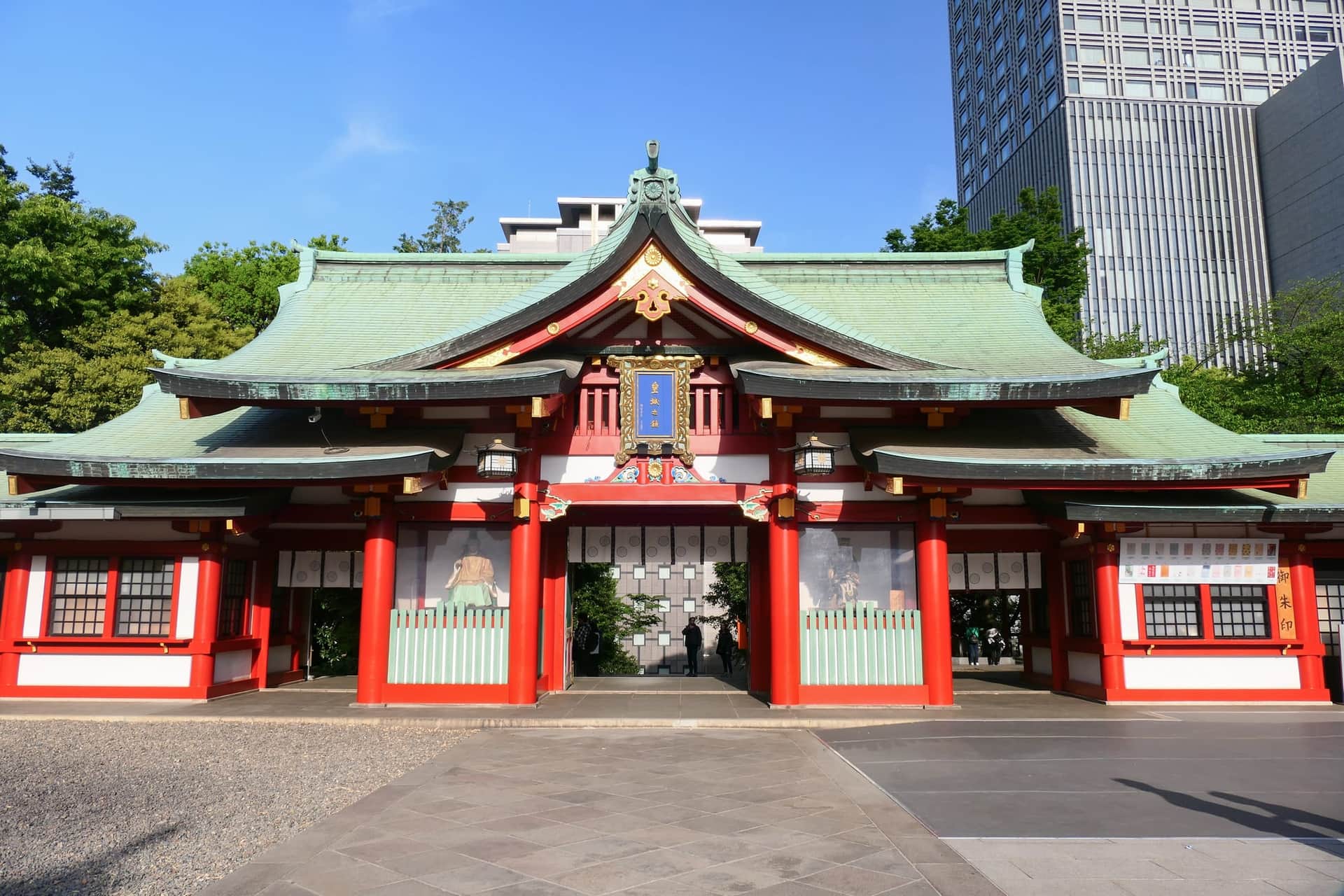
Asakusa Altstadt
- 5 Stopps
- ca. 270 Min. inkl. Besuche
Senso-ji
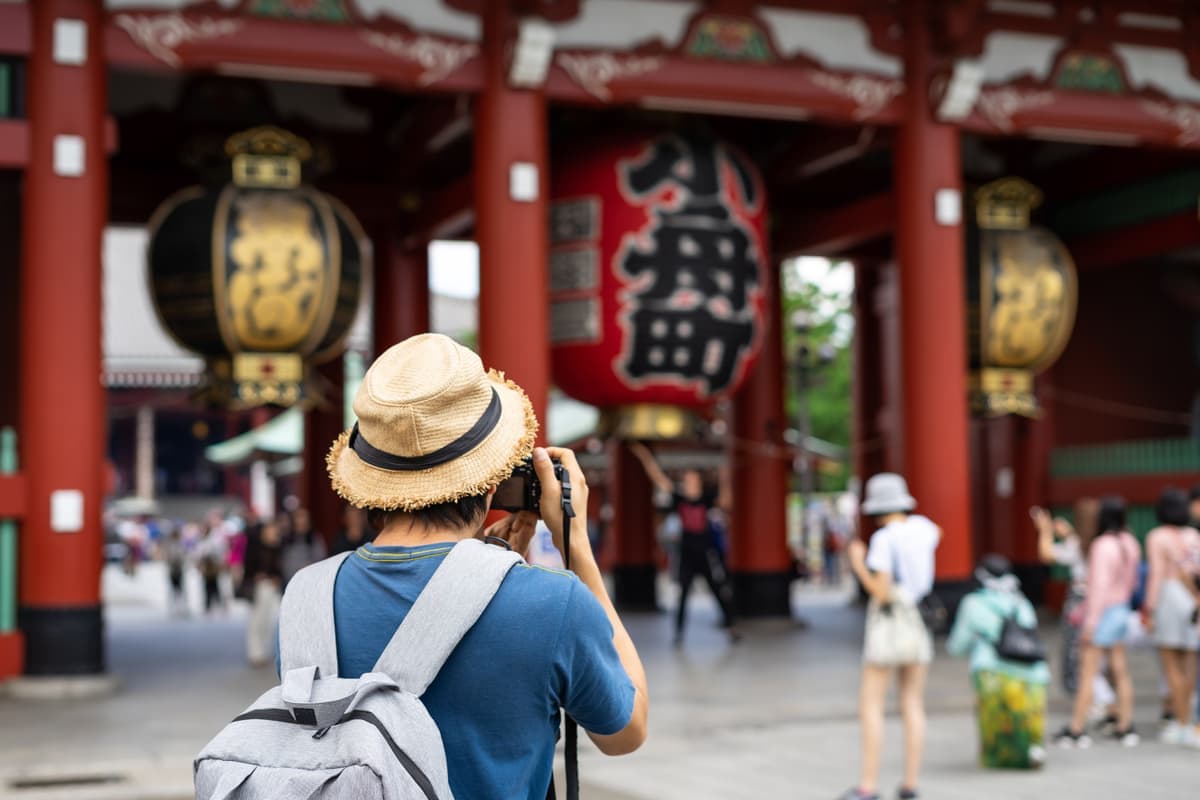
TaitoThe first thing that grips you at Sensō-ji is the sense that this place has never been merely a monument. It is a living center of devotion, crowded with pilgrims, day-trippers, and local worshippers, yet still anchored by a single hidden image of Kannon, the bodhisattva of compassion. Founded in 628, and known formally as Kinryū-zan Sensō-ji, this is Tokyo’s oldest temple and one of Japan’s most visited sacred sites, drawing more than 30 million visitors a year. The temple’s heart is famously unseen, because the principal image has been kept out of public view for centuries. That mixture of revelation and concealment, ritual and street life, gives the whole precinct its unforgettable character. Historical Foundations The temple’s origin story is one of the best-known in Japan. According to tradition, on the morning of March 18, 628, two fishermen, Hinokuma Hamanari and his brother Takenari, were fishing in the Sumida River when they found a small statue in their net. Their village headman, Haji no Nakatomo, recognized the figure as Avalokitesvara Bodhisattva, called in Japan Kannon or Sho Kanzeon Bosatsu, and devoted himself to Buddhist practice. He converted his home into a temple and spent the rest of his life in worship and memorial services. In 645, the priest Shokai arrived in the area and built a hall for the image. After receiving a revelation in a dream, he decided to conceal the statue from view. Since then, the sacred image has remained hibutsu, never publicly unveiled. That hidden status is one of the great defining features of Sensō-ji. In the mid-ninth century, the renowned Tendai priest Ennin visited and created a replica image, also associated with the temple’s devotional life, so that something could be shown occasionally to the public. Through the Kamakura period (1185 to 1333), the temple attracted the devotion of shoguns, military leaders, and literati. Its status rose again in 1590, when Tokugawa Ieyasu, the first Tokugawa shogun, designated it as the temple for shogunal prayers. During the Edo period (1603 to 1867), successive shoguns visited, and devotion to Kannon spread widely among common people. As Edo grew into one of the world’s largest cities, Asakusa developed into a major cultural center, later associated with theater, film, music, and vaudeville in the modern era. The temple was devastated in the 10 March 1945 firebombing of Tokyo during World War II. The main hall was rebuilt in the 1950s, specifically 1958, using donations from supporters across Japan. After the war, in 1950, Sensō-ji became independent, having previously been associated with the Tendai school. That sequence, destruction followed by rebuilding, is central to the way people understand the temple today, as both an old sanctuary and a place that was restored by collective faith. Architectural Mastery Sensō-ji’s precinct is defined by a procession of gates and halls that shape the visitor’s experience from the first step. The best-known entrance is Kaminarimon Gate, often translated as the Thunder Gate, whose massive red lantern has become one of Tokyo’s most recognizable images. Passing through it, visitors enter Nakamise-dōri, the approach street lined with shops selling traditional snacks, souvenirs, and crafts. The street is not an incidental extra. It is part of the temple’s ritual atmosphere, extending the transition from ordinary city life into sacred space. Beyond Nakamise lies Hōzōmon Gate, commonly called the Nio-mon Gate, and also Niten-mon Gate, both important architectural markers within the grounds. The complex also includes the striking five-story pagoda, one of the temple’s best-known landmarks. Nearby are Bentendo Hall, Awashimado Hall, Yogodo Hall, and the Main Hall, or Kannon-do. The main hall’s roof is especially notable: it rises in a dramatic slope, taller and more emphatic than what many visitors expect of a temple building. The structure is divided into the naijin or inner sanctuary and the gejin or outer sanctuary, and the principal image rests in a miniature temple inside the inner space. That small inner shrine, locked and protected, reinforces the paradox at the center of the site, public worship around an image that remains unseen. One of the temple’s most important surviving treasures is Denboin and its garden, designated a National Scenic Beauty Site. The grounds are not only built space but carefully composed landscape, where the architecture and garden together guide movement, pause, and contemplation. In the Main Hall, there are also two calligraphic masterpieces by Noguchi Sekko, one of the Three Best Calligraphers of the Edo Period, with texts quoting Hanjusan by Shan-tao of the Pure Land tradition. Even in calligraphy, the temple’s message is one of compassion and equal regard for all beings. Religious & Cultural Significance The temple is dedicated to Kannon, the bodhisattva of mercy and compassion, who responds to suffering with boundless benevolence. In Japanese Buddhism, Kannon appears in multiple forms, including Juichimen with 11 faces, Senju with 1,000 hands, and Nyoirin, associated with the wish-granting jewel and the Dharma wheel. Sensō-ji’s principal image embodies the basic form, one face and two hands, but the theology around it extends far beyond a single icon. This is also an active pilgrimage site. Sensō-ji is the 13th stop on the Bandō Sanjūsankasho pilgrimage route, and it receives worshippers from across Japan and beyond. The temple’s own materials state that it draws around 30 million visitors each year, making it one of the most frequented religious sites in the world. Devotion here is visible in simple gestures, especially the prayer taught to visitors at the main hall: place your hands together and chant “Namu Kanzeon Bosatsu”, meaning “I place my trust in Bodhisattva Kannon.” Several auxiliary halls deepen the temple’s devotional life. Yogodo Hall houses eight Buddhas connected with the Yogoshu, protectors associated with the Chinese zodiac, each thought to watch over those born in certain years. Awashimado Hall and Bentendo Hall add further layers of worship and local practice. The presence of these subsidiary cults makes Sensō-ji feel less like a single shrine to a single deity and more like a whole religious landscape. Natural Setting & Environment Sensō-ji was first established in what was once a fishing village at the edge of the Sumida River, in the wild landscape of Musashino near the estuary of Tokyo Bay. That origin matters, because the temple’s present urban intensity hides the fact that it began at a watery frontier. Even now, the temple’s setting reflects that relationship between the sacred and the changing city. Asakusa is dense and energetic, yet the temple precinct creates intervals of quiet, especially in early morning or after dark. The garden of Denboin offers a more deliberate encounter with nature. Its designation as a scenic site points to the care with which this environment has been shaped. Seasonal changes, the view of the pagoda, and the contrasts between open courtyards, wooden halls, and planted spaces all contribute to the atmosphere. The temple’s tall rooflines and pagoda are visible markers above the district, but the interior experience is more intimate, with incense smoke, bells, and the movement of people slowing as they pass from gate to gate. Visitor Experience & Heritage For today’s visitor, Sensō-ji is both a major religious site and a place where the texture of Tokyo’s older culture is still easy to feel. The route itself is part of the experience, from Kaminarimon through Nakamise-dōri to the main hall. You can obtain scarlet seal stamps at the temple, visit the halls one by one, or simply stand for a moment in front of the incense burner and watch the flow of people around you. The temple’s modern popularity never fully overwhelms its devotional core, because the route, the hidden image, and the prayer practice all keep reminding you that this is a functioning Buddhist sanctuary. Sensō-ji’s fame comes from more than age alone. It has survived political transformation, wartime destruction, postwar rebuilding, and the relentless expansion of the city around it. Yet the essential story has remained stable for nearly fourteen centuries, a fisherman’s net, a hidden statue, a community turned toward compassion. That is why the temple continues to matter so widely, not only as an icon of Asakusa or Tokyo, but as a place where Japanese Buddhist devotion, urban history, and popular culture still meet in one remarkably alive space.
Geschätzter Besuch · 90 Min.Eintritt frei23 waren hier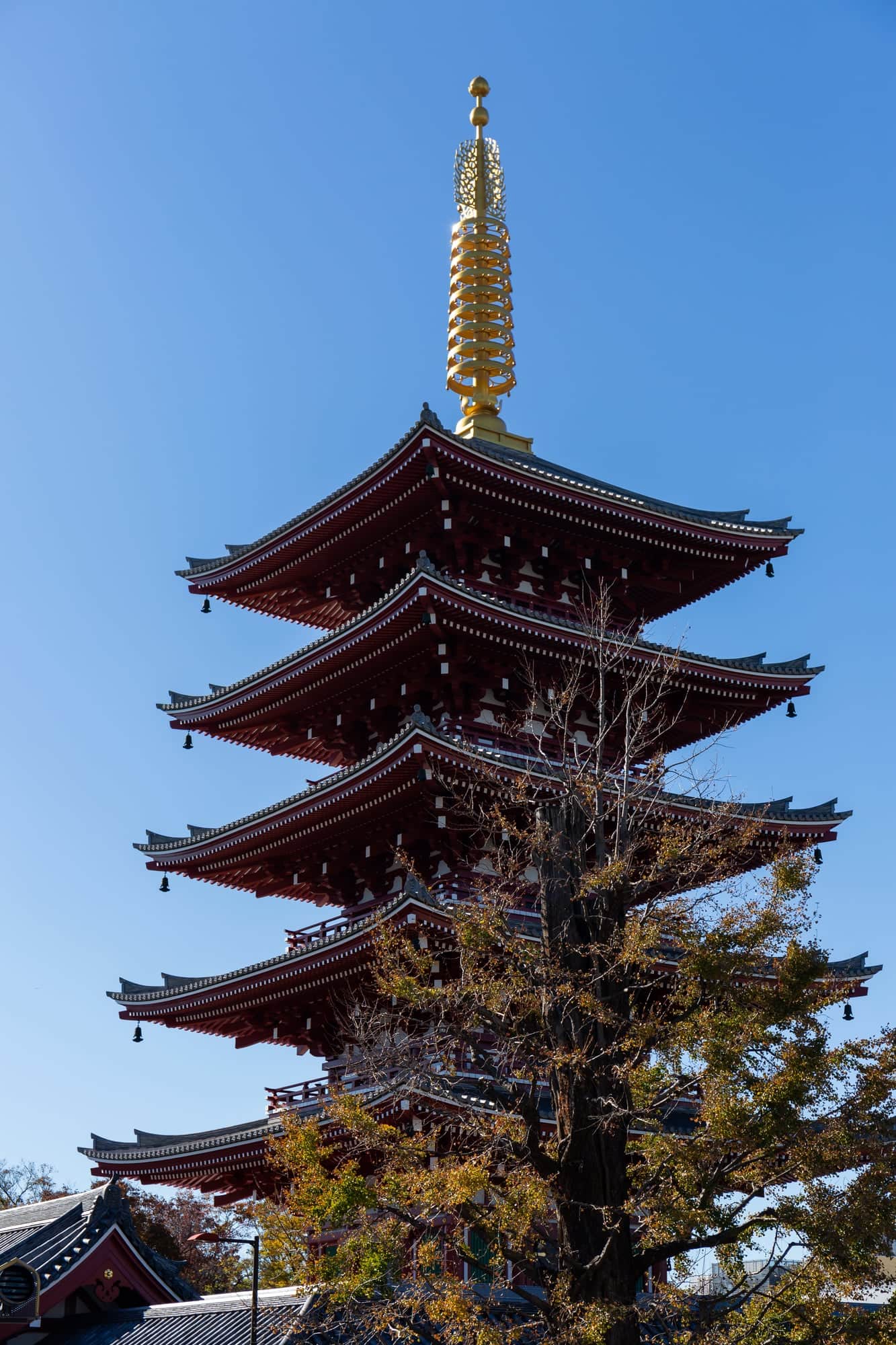
Asakusa Jinja
TaitoA single fishing net changed the destiny of Asakusa. On the morning of March 18, 628, two brothers, Hamanari and Takenari Hinokuma, cast their net into the Sumida River, then known as Asakusa Bay. They caught no fish. Instead, the net repeatedly brought up the same small image, a statue of Kannon, the Buddhist figure of compassion. Today, Asakusa Jinja preserves the memory of that discovery and venerates the three men connected with it: the fishermen and Hajinomatsuchi, the learned local landowner who recognized the statue. Known affectionately as Sanja-sama, or “the Three,” the shrine is also the spiritual center of Sanja Matsuri, one of Tokyo’s most famous traditional festivals. Historical Foundations The brothers first carried the mysterious image ashore near present-day Komagata and placed it on the stump of a Japanese pagoda tree, known as an enju. They then asked Hajinomatsuchi to examine it. He identified the figure as Kannon, a powerful object of devotion believed to bring benefits in this world. The brothers embraced faith in the image, prayed intensely, and asked that their next day’s fishing be successful. On March 19, their boat filled with fish. Hajinomatsuchi soon shaved his head, became a Buddhist monk, transformed his home into a temple, and devoted the remainder of his life to caring for the image and teaching the local population. This episode forms the legendary origin of Sensoji, whose growth brought prosperity to what had once been a small rural settlement. According to tradition, the descendants of the three men later received a dream revelation from Kannon. The message instructed them to enshrine their ancestors as protective deities beside the Kannon hall. The resulting sanctuary became known as Sanja Gongen, meaning the shrine of the Three Manifestations. Its precise foundation date is unknown. The tradition most plausibly places its establishment between the late Heian period and the early Kamakura period, when the religious idea of gongen was widespread. In that system, a buddha could appear temporarily in the form of a native Japanese kami in order to guide people. The shrine’s name changed during the modern separation of Buddhist and Shinto institutions. In 1868, the first year of the Meiji era, it became Sanja Myojin Shrine. It was designated a village shrine in 1872, and in 1873 received its present name, Asakusa Jinja, while becoming the general guardian shrine of Asakusa. Local residents still call it Sanja-sama, preserving the older identity. Architectural Mastery The present buildings were donated and constructed in 1649, during the reign of the third Tokugawa shogun, Tokugawa Iemitsu. Their survival is remarkable. Fires, wartime destruction, and the Great Kanto Earthquake of 1923 damaged much of Tokyo, yet the shrine buildings escaped major loss and retain the appearance of the early Edo period. The main complex consists of the inner sanctuary, the offering hall, and the worship hall. The latter two are connected by a covered passage, forming the architectural arrangement called gongen-zukuri. This style is associated with important Tokugawa-period sanctuaries, including Nikko Toshogu. It creates a layered progression from the public space of worship toward the more restricted sacred interior. The buildings were designated an Important Cultural Property of Japan in 1951. By 1996, their painted surfaces and lacquerwork had deteriorated substantially. A restoration costing 350 million yen renewed the exterior decoration. After 33 years had passed since the previous major restoration, the renewed colors brought back the strong reds, greens, golds, and dark lacquer tones characteristic of early Edo architecture. Look closely at the decorative creatures carved and painted throughout the complex. The phoenix represents auspicious rule and is associated with the birth of a virtuous sovereign. The kirin, a benevolent creature with the body of a deer, the head of a wolf, the tail of an ox, and the feet of a horse, is said to appear when an excellent ruler emerges. The unusual flying dragon, with a fish-like body and wings, governs water. Near the entrance, the right and left ministers, known as imperial retainers, hold weapons whose purpose is to repel evil. Religious and Cultural Significance The shrine’s central religious identity comes from the three founders, who are treated as local guardian deities. Their story links the sacred history of Asakusa with the origin of Sensoji and with the community’s prosperity. The relationship also reflects the older, intertwined religious world in which Buddhist and kami traditions worked together before the Meiji government ordered their institutional separation. The most dramatic expression of this local devotion is Sanja Matsuri, held each year on the third Saturday and Sunday of May. The festival’s present form developed during the Edo period, although its origins are older. The three principal portable shrines, Ichinomiya, Ninomiya, and Sannomiya, are carried through the neighborhood. The procession renews bonds among the shrine’s ujiko, or local parishioners, and expresses prayers for the prosperity of Asakusa. Visitors may see these great mikoshi in the portable shrine storehouse, which opens during the May festival, at New Year, and on some weekends and holidays in early spring. Other annual observances include sacred dances, miko maiden performances, the traditional Binzasara dance, purification rites, seasonal celebrations, and special worship services. The shrine also conducts ceremonies for newborn children, protection from misfortune, children’s festivals, and Shinto weddings. In modern Asakusa, it supports youth education and the continuation of traditional culture through workshops, seasonal farming activities, harvest events, and community programs. Natural Setting and Sacred Objects The torii marks the boundary between ordinary human space and the shrine’s sacred precinct. Asakusa Jinja’s front gate is a shinmei torii, erected in September 1885. Beside it is a shrine name tablet written by Sasaki Yukitada, a senior priest associated with the Grand Shrine of Ise. Before approaching the main building, visitors traditionally use the water purification pavilion to rinse their hands and mouth. The shrine’s sacred tree recalls the founding legend directly. Because the fishermen placed the recovered Kannon image on an enju stump, enju trees growing within the precinct are treated as shinboku, or sacred trees that can serve as vessels for divine presence. Two especially unusual stone guardian dogs date from the early Edo period. Rather than facing one another separately in the usual manner, these figures appear to sit close together. Their affectionate posture has given them associations with good relationships, marital harmony, and fulfilled love. The grounds also preserve an extraordinary record of Asakusa’s literary and performing-arts life. Monuments commemorate Kabuki actors, writers, poets, dancers, and local personalities, including Kawatake Mokuami, Nakamura Kichiemon I, Ichikawa En’o I, Kubota Mantaro, and Kawaguchi Matsutaro. Other stones honor the art of flowers, fans, and dance. A monument to the popular manga Kochikame connects the precinct with modern popular culture, while a hyakudo stone marks the route used for repeated devotional visits. The fan monument is connected with an annual ceremony on April 8, when old fans are ceremonially burned. Visitor Experience and Heritage Asakusa Jinja is located at 2-3-1 Asakusa, Taito-ku, Tokyo. It is approximately seven minutes on foot from Asakusa Station on the Tokyo Metro Ginza Line, Toei Asakusa Line, and Tobu Skytree Line, and about ten minutes from Tsukuba Express Asakusa Station. The shrine adjoins the Sensoji area, but vehicles may enter only from Umamichi-dori. On-site parking is reserved for people receiving prayers and for wedding participants, with permission from shrine staff. After worship, visitors may receive a goshuin, a calligraphic seal recording the date and place of pilgrimage. The practice originated as proof that a person had deposited a hand-copied sutra at a temple and became common at shrines during the Edo period. At Asakusa Jinja, regular seals include those of Asakusa Jinja, the Asakusa Seven Lucky Gods pilgrimage, and Hikan Inari Shrine, with each regular seal offered for 500 yen. Seasonal seals appear for New Year, Sanja Matsuri, and summer worship. The essential order is simple: bow at the torii, purify yourself, pray with two bows, two claps, and one bow, then request the seal. The shrine also participates in the Asakusa Seven Lucky Gods circuit, which actually visits nine temples and shrines, and in the Tokyo Fukume-guri, an eight-shrine pilgrimage. These routes extend the experience beyond a single precinct, revealing Asakusa as a living district where sacred tradition, neighborhood memory, performance, and everyday life remain closely connected.
Geschätzter Besuch · 45 Min.Eintritt frei13 waren hier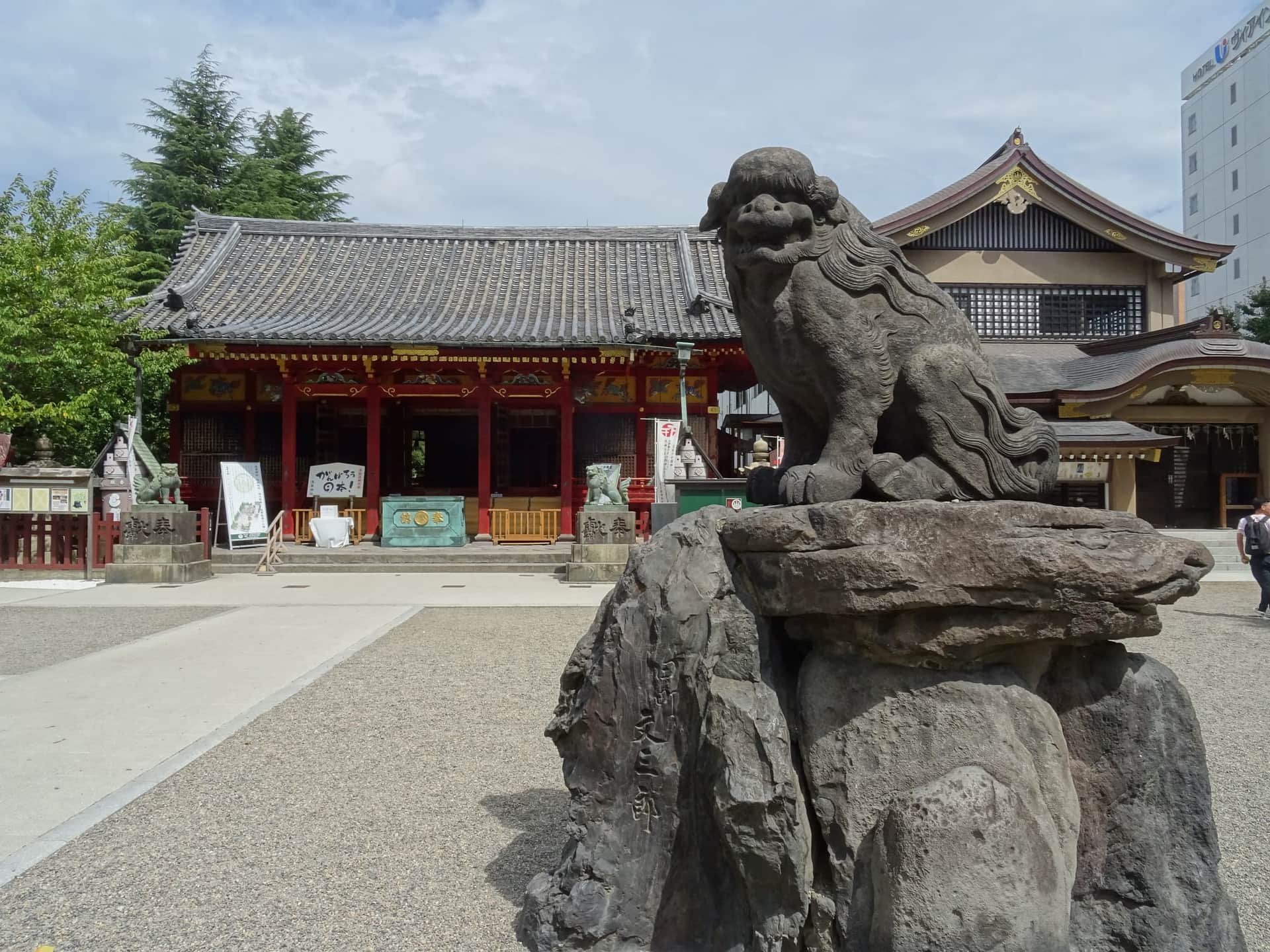
- Fahrt
ca. 20 Min.
Matsuchiyama Shoden
TaitoEin buddhistischer Tempel in Asakusa, bekannt für die Verehrung von Kangiten (Shoten), dem elefantenköpfigen Gott des Glücks und der Beziehungen. Berühmt für Rettichopfer und seine Lage auf einem Hügel mit Blick auf den Sumida River.
Geschätzter Besuch · 45 Min.Eintritt frei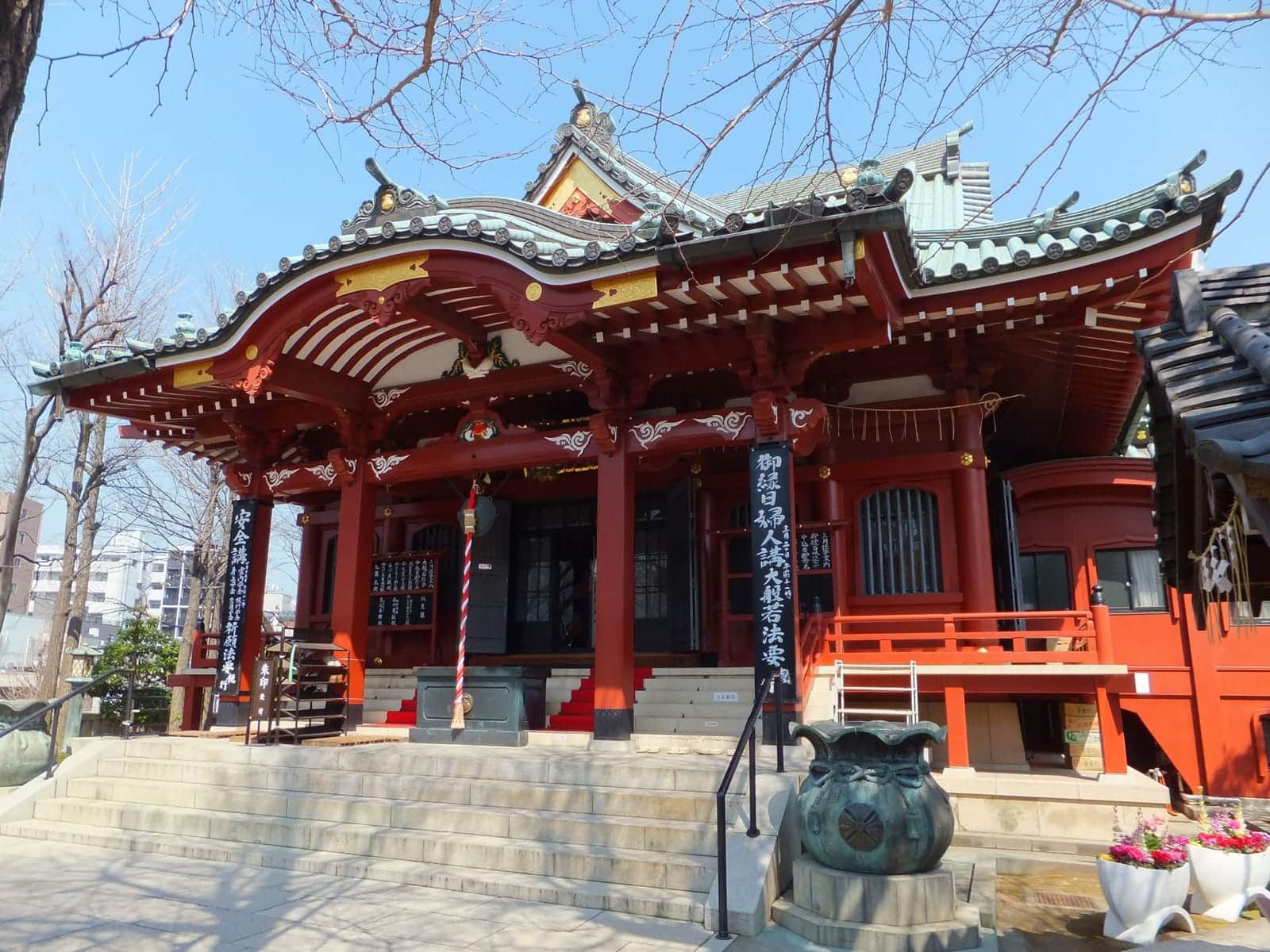
Imado Jinja
TaitoEin Meer einladender Pfoten empfängt Sie hier – Reihen glänzender Figuren mit erhobenen Armen, deren Ausdrücke gelassen und einladend sind. Dies ist Imado, in Asakusa, östliches Tokio, gefeiert als der Geburtsort des maneki-neko, der „einladenden Katze“, die Glück über Japan und darüber hinaus gewunken hat. Einst eine eigenständige Gemeinde, heute in den Asakusa-Distrikt des Taitō-Bezirks eingegliedert, ist Imado auch bekannt für Imado-Geschirr und Imado-Puppen, Volkskunsthandwerke, die während der Edo-Zeit (1603–1868) entstanden. Die Geschichte, die dieses Viertel belebt, ist verblüffend einfach – eine Legende von einer alten Frau, die nach einem Traum Katzenfiguren aus lokalem Ton formte – und doch ist ihr kultureller Einfluss immens: Händler übernahmen die Figur als Glückszeichen, und ein Bild, das in Hinterhoföfen geboren wurde, wurde zum Symbol für Wohlstand in Schaufenstern von Edo bis zur Welt. Historische Grundlagen Um Imado zu schätzen, beginnen Sie mit der Stadt, die es diente: Edo, die pulsierende frühmoderne Metropole, die zu Tokio werden sollte. In der Edo-Zeit (1603–1868) produzierten lokale Öfen hier in Imado haltbare Keramiken und ausdrucksstarke Tontöpfe für einen wachsenden städtischen Markt. Volkskunst blühte in solchen Vierteln, wo Handwerker auf die Vorlieben der Stadtbewohner – Ladenbesitzer, Entertainer, Pilger – reagierten, deren tägliches Leben mit Objekten durchzogen war, die Sicherheit, Erfolg und kleine Freuden versprachen. In diesem Kontext nahm eine Geschichte Gestalt an und hielt an: eine alte Frau, arm, aber fromm, träumte, dass sie Katzenfiguren modellieren sollte. Sie folgte der Vision, formte Katzen aus Ton; die Figuren verkauften sich, und damit stiegen ihre Geschäfte. So bescheiden diese Legende auch ist, sie lieferte einen menschlichen Ursprung für den maneki-neko, der den populären Charme in die Hände und Hoffnungen eines einzelnen Handwerkers verwurzelt. Historisch zählt das Ergebnis: diese Volkskunst verbreitete sich durch Edo, und Händler – sensibel für Zeichen, die Kunden anzogen – übernahmen die einladende Katze als Emblem für Glück. Die Figur war leicht zu erkennen, leicht zu reproduzieren und leicht in Schaufenstern zu platzieren. Im Laufe der Zeit wurde die einladende Geste der Katze Teil des visuellen Vokabulars der Straßen von Edo. Die Identität Imados – verwobenes Viertel, Werkstätten und ein geschichtsträchtiger Gegenstand – hielt an, während sich die administrativen Grenzen änderten. Einst eine eigenständige Gemeinde, wird es nun im Taitō-Bezirk verwaltet, verankert in Asakusa, einem Gebiet, das für seine vielschichtige urbane Kultur bekannt ist. Es gibt hier keinen UNESCO-Eintrag, und doch hat das immaterielle Erbe – Handwerk, Geschichte und Symbol – sich als ebenso beständig erwiesen wie gebrannter Ton. Architektonische Meisterschaft Imados „Architektur“ ist die Architektur des Machens: Öfen, Werkstätten und Schaufenster, in denen Ton zu Handel wurde. Während der Edo-Zeit produzierten lokale Öfen in Imado Imado-Geschirr – utilitaristische Keramiken – und Tontöpfe, die geformt, getrocknet und gebrannt wurden, um Erschwinglichkeit und Charme zu gewährleisten. Der Prozess war einfach: bearbeitbarer Ton wurde von Hand geformt oder in einfache Formen gepresst und dann sorgfältig getrocknet, um Risse zu vermeiden. Das Brennen härtete die Stücke; das Handmalen verlieh Gesichter, Gesten und Farbe. Die resultierenden Imado-Puppen waren ausdrucksvoll und nicht monumental – gedacht für die Hand und den Herd, nicht für die Palastpräsentation. Der maneki-neko gehört zu dieser Welt praktischer, reproduzierbarer Kunst. Seine Kraft liegt nicht in monumentalem Maßstab, sondern in einer standardisierten Silhouette: runder Körper, aufrechte Haltung, Pfote in einladendem Bogen erhoben. Ein solches Design kann wiederholt modelliert, mit Variationen bemalt und zu Preisen verkauft werden, die ein Ladenbesitzer sich leisten kann. In diesem Sinne ist die Figur ein Meisterwerk des Produktdesigns der Edo-Zeit – auf einen Blick erkennbar, sofort lesbar in einem Schaufenster, endlos anpassbar in der Oberflächengestaltung, während sie in der Form stabil bleibt. Die Handwerker Imados spezialisierten sich genau auf dieses Gleichgewicht. Wenn Sie heute spazieren gehen, sind die „gebauten Umgebungen“, die zählen, die Läden und Studios, in denen die Tradition fortgeführt wird: Schaufenster, die wie ein Katalog von Gesten wirken; Regale, die einen visuellen Chor einladender Pfoten aufführen; Werkbänke, an denen zeitgenössische Hersteller immer noch formen und malen. Die Architektur des Handwerks – Tische, Werkzeuge, Trockenregale – ist bescheiden, aber sie offenbart eine ausgeklügelte Choreografie von Arbeit und Objekt, die sich seit der Edo-Zeit im Prinzip wenig verändert hat. Religiöse & kulturelle Bedeutung Obwohl es kein Tempelbezirk ist, liegt Imado innerhalb der spirituellen Ökonomie von Edo-Tokio, wo Glaube, Handel und tägliches Leben miteinander verwoben sind. Der maneki-neko verkörpert diese Fusion: eine Glücksfigur, die Wohlstand einladen soll. In der Edo-Zeit fungierten solche Objekte als praktische Talismane; ein Ladenbesitzer könnte einen am Eingang platzieren, um Passanten einzuladen. Die Händler von Edo nahmen ihn aus demselben Grund an, aus dem moderne Unternehmen es immer noch tun: er kommuniziert Willkommen und Hoffnung in einer Sprache, die jeder lesen kann. Die Legende von der alten Frau ist hier entscheidend. Sie verortet das Glück nicht in kaiserlicher Protektion oder esoterischen Ritualen, sondern in der bescheidenen Handlung des Handwerks. Diese Demokratisierung des Glücks – Wohlstand, greifbar gemacht durch eine kleine Tonfigur – spiegelt passend die Ethik von Asakusa wider, historisch ein Bezirk von Entertainern, Händlern und Handwerkern. Im Laufe der Zeit transcendente der maneki-neko seine Ursprünge im Viertel und wurde zu einem allgegenwärtigen Zeichen in Japan und ganz Ostasien, doch seine kulturelle DNA bleibt tief in Imado verwurzelt: handgefertigt, erschwinglich und optimistisch. Heute finden Sie im Asakusa-Gebiet ständige Verweise auf die Legende – Karten, Plakate und Maskottchen, die die Geste widerspiegeln; Geschäfte, die Regale mit einladenden Katzen kuratieren, als würden sie kleine Altäre für den Wohlstand anordnen. Obwohl es kein einzelnes „richtiges“ rituelles Praktiken gibt, die mit der Figur verbunden sind, ist der Akt, eine auszuwählen, sie an einer Schwelle zu platzieren und sie „arbeiten“ zu lassen, selbst eine volkstümliche Hingabe. Natürliche Umgebung & Umwelt Imados Umgebung ist urban und intim: die engen Straßen von Asakusa, niedrige Schaufenster und lebhafte Fußgängerströme. Das wichtigste natürliche Material hier ist die Erde selbst – der Ton, der einst die lokalen Öfen ernährte und weiterhin die Handwerksidentität der Gegend untermauert. Statt dramatischer Bergpanoramen oder Tempelgärten bietet Imado eine andere Ästhetik: die warme taktile Präsenz von handgeformtem Ton, das Matt und Glanz von Glasuren im wechselnden Tageslicht und die menschlich dimensionierten Straßen, wo Handwerk und Handel aufeinandertreffen. Saisonal verändert sich die Energie des Viertels mit dem Fußverkehr – an Wochenenden geschäftig, an Wochentagen nachdenklich – was es Ihnen ermöglicht, die Figuren in unterschiedlichen Lichtern zu erleben. Da das Erbe hier in die alltägliche Stadtlandschaft verwoben ist, fühlt es sich lebendig an: nicht unter Glas konserviert, sondern in Schaufenstern, Werkbankbänken und dem schnellen Austausch zwischen Käufer und Hersteller begegnet. Besuchererlebnis & Erbe Was können Sie heute sehen? Erwarten Sie eine reiche Konzentration von Läden und Studios, die maneki-neko-Figuren, Imado-Geschirr und Imado-Puppen verkaufen. Achten Sie auf visuelle Hinweise auf die Legende der alten Frau – Illustrationen, Beschilderungen oder kleine narrative Ausstellungen. Viele Geschäfte präsentieren Katzenfamilien in unterschiedlichen Größen, manchmal thematisch gruppiert, was Ihnen hilft, zu spüren, wie die Figur vom Handwerker-Bereich zur Marktauslage migrierte. Der Genuss ist vergleichend: Beachten Sie die subtilen Unterschiede im Ausdruck, den Winkel der erhobenen Pfote, das Zusammenspiel von Farbe und Glasur – alles Hinweise auf die Hand des Herstellers. Da Imado im Asakusa-Distrikt des Taitō-Bezirks verwaltet wird, liegt es in unmittelbarer Nähe zu anderen kulturellen Höhepunkten, behält jedoch eine ausgeprägte Identität, die im Handwerk verankert ist. Es gibt hier keine UNESCO-Auszeichnung, was seltsamerweise befreiend ist: Das Erbe fühlt sich unzeremoniell und partizipativ an. Der Kauf einer kleinen Figur ist nicht nur Einkaufen; es ist das Engagement mit einer lebendigen Tradition, die bis in die Edo-Zeit (1603–1868) zurückreicht. Wenn Sie Kontext mögen, fragen Sie die Ladenbesitzer nach ihrem Sortiment – viele erklären gerne Muster, Preisspannen und wie diese Objekte in den lokalen Brauch passen. Als Symbol hat der maneki-neko weite Reisen gemacht, aber seine resonanteste Adresse bleibt hier, wo die Geschichte begann: ein Viertel, das Vorstellungskraft in Ton, Ton in Figuren und Figuren in eine stadtweite Sprache des Willkommens verwandelte. Das Erlebnis ist still, aber kraftvoll. Sie verfolgen den Bogen von Legende zu Ofen zu Schaufenster, und auf dieser Reise erhaschen Sie einen Blick darauf, wie alltägliche Objekte das Gewicht der Erinnerung einer Stadt tragen. Imado mag keine großen Hallen oder hohe Tore aufweisen, aber es bietet etwas ebenso Beständiges: eine konzentrierte Lektion darüber, wie Handwerk, Handel und Glaube miteinander verknüpft sind – und wie eine kleine Figur mit erhobener Pfote die moderne Welt einlud.
Geschätzter Besuch · 45 Min.Eintritt frei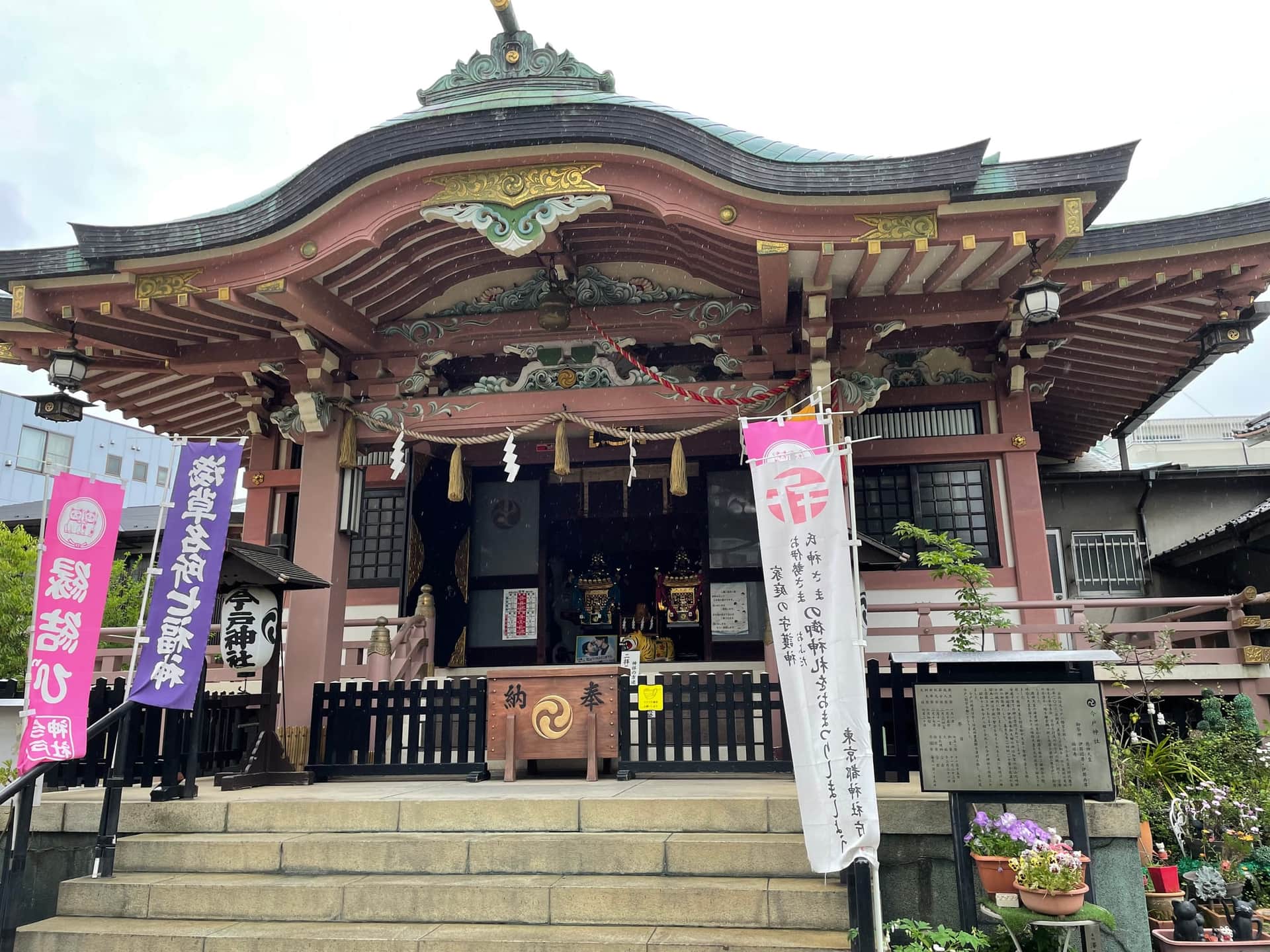
- Fahrt
ca. 20 Min.
Ono Terusaki Jinja
TaitoOno Terusaki-jinja ist ein historischer Schrein in Shitaya, Taito City, nahe den Bahnhöfen Iriya und Uguisudani. Laut Überlieferung wurde er 852 gegründet und Ono no Takamura gewidmet. Auf dem Hügel liegt das Gelände, dazu der Shitaya Sakamoto Fuji-zuka, ein wichtiges materielles Volkskulturgut.
Geschätzter Besuch · 45 Min.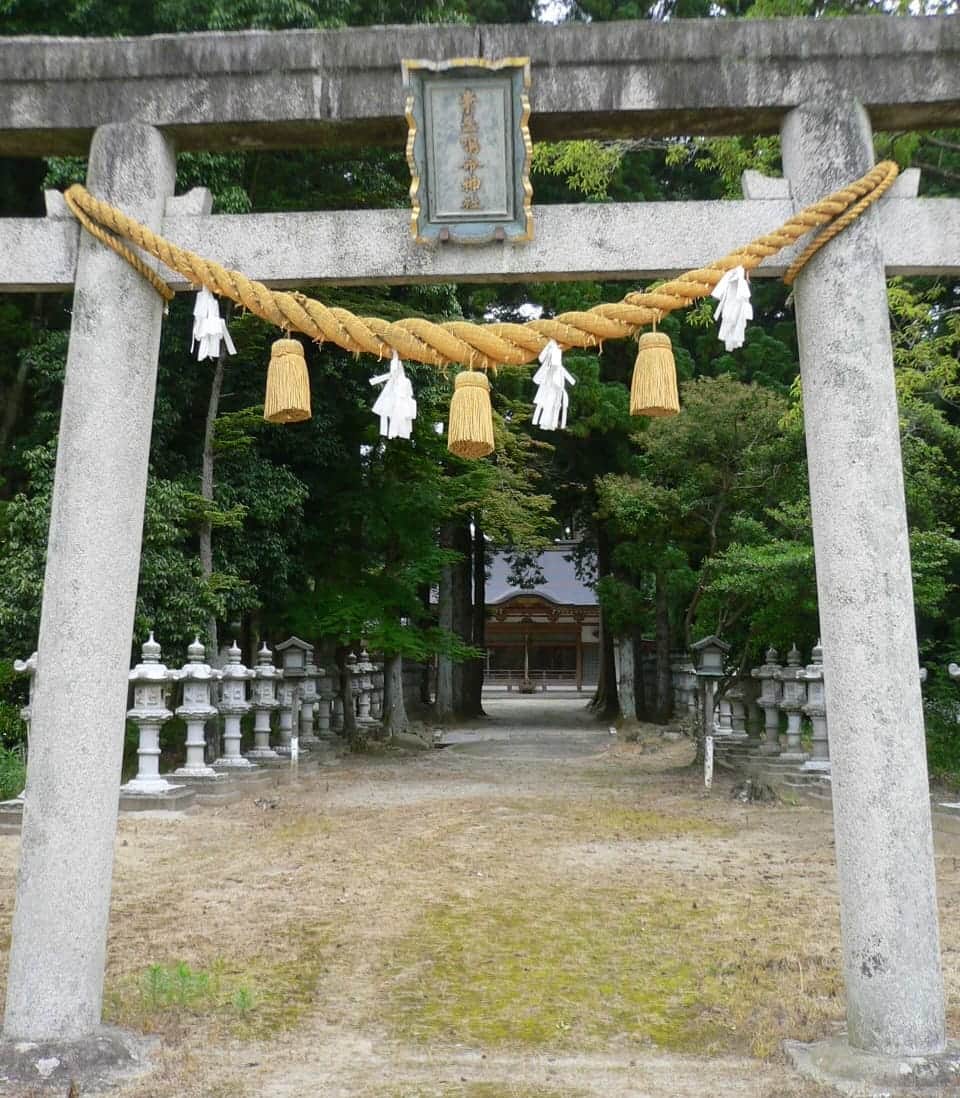
Ueno nach Kanda
- 4 Stopps
- ca. 180 Min. inkl. Besuche
Shinobazu Benten-do
TaitoA 17th-century Buddhist temple hall dedicated to Benzaiten, goddess of water, music, and fortune. Located on an island in Shinobazu Pond within Ueno Park, the temple is surrounded by lotus flowers and accessible via a short bridge, creating a serene atmosphere.
Geschätzter Besuch · 30 Min.Eintritt frei10 waren hier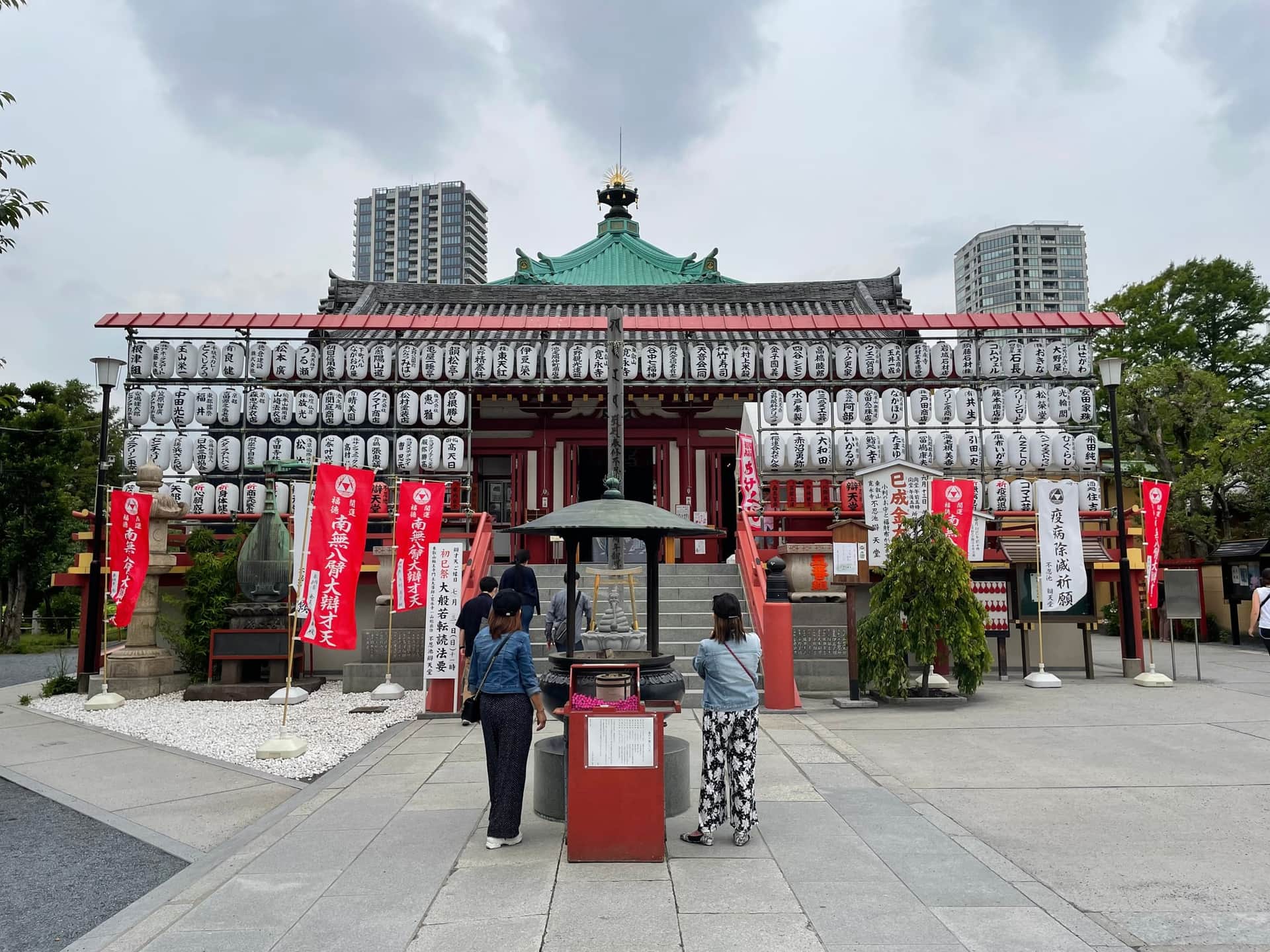
Kanei-ji
TaitoHistorischer Tendai-buddhistischer Tempel, gegründet 1625, einst eine ausgedehnte Anlage, die mit Enryaku-ji rivalisierte. Diente als Familientempel der Tokugawa und beherbergte sechs Tokugawa-Shogune. Während des Boshin-Krieges 1868 weitgehend zerstört, bewahren die verbliebenen Bauwerke sein Erbe.
Geschätzter Besuch · 45 Min.Eintritt frei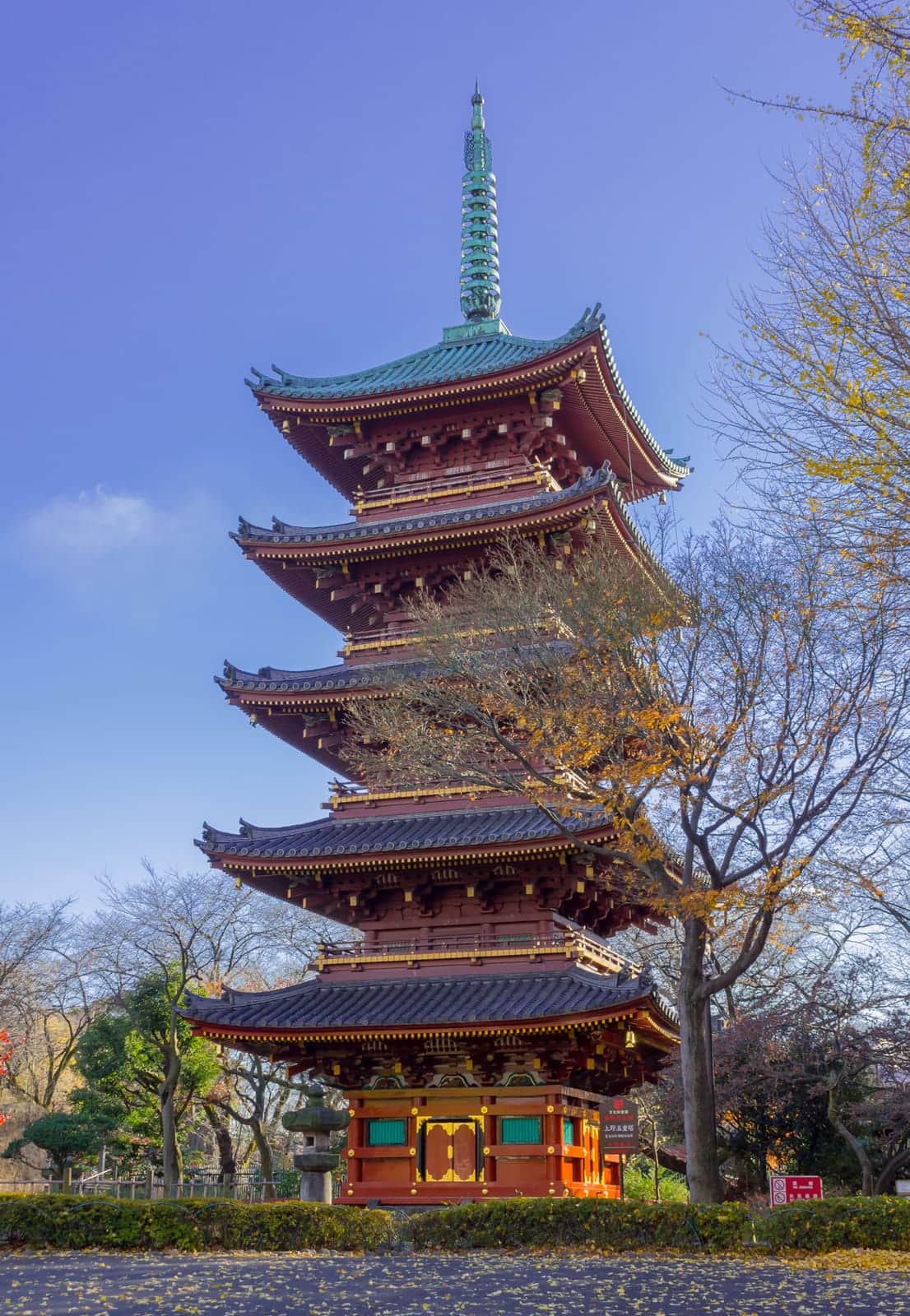
- Fahrt
ca. 20 Min.
Yushima Tenmangu
BunkyoYushima Tenmangu (湯島天満宮) ist ein Shinto-Schrein in Bunkyo, Tokio. Im Stadtviertel gelegen, ist er ein Ort für die Shinto-Verehrung und ein praktischer Anlaufpunkt für Besucher, die die Gemeindeschreine und den religiösen Alltag der Gegend kennenlernen.
Geschätzter Besuch · 45 Min.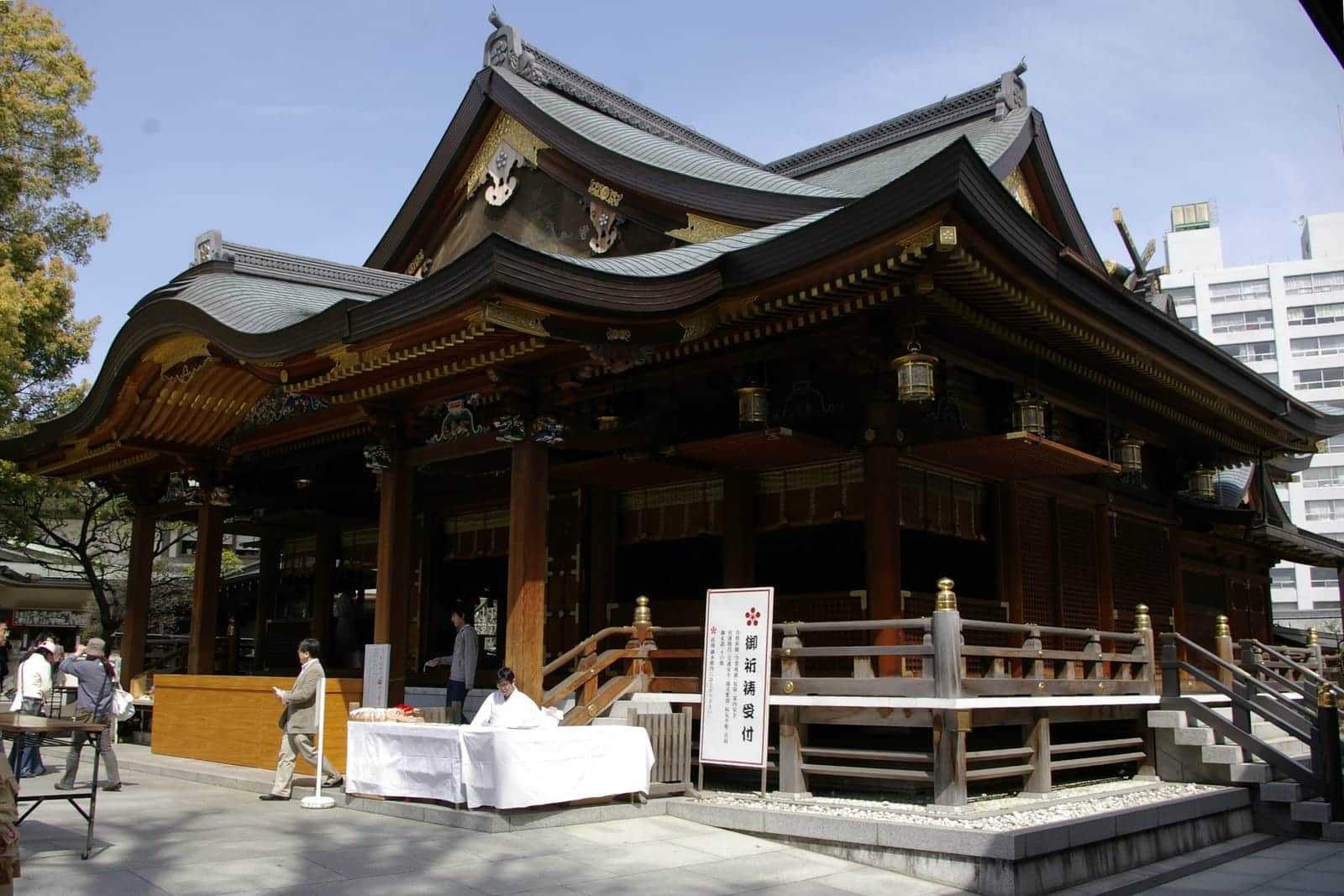
Kanda Myoujin
ChiyodaGeschätzter Besuch · 60 Min.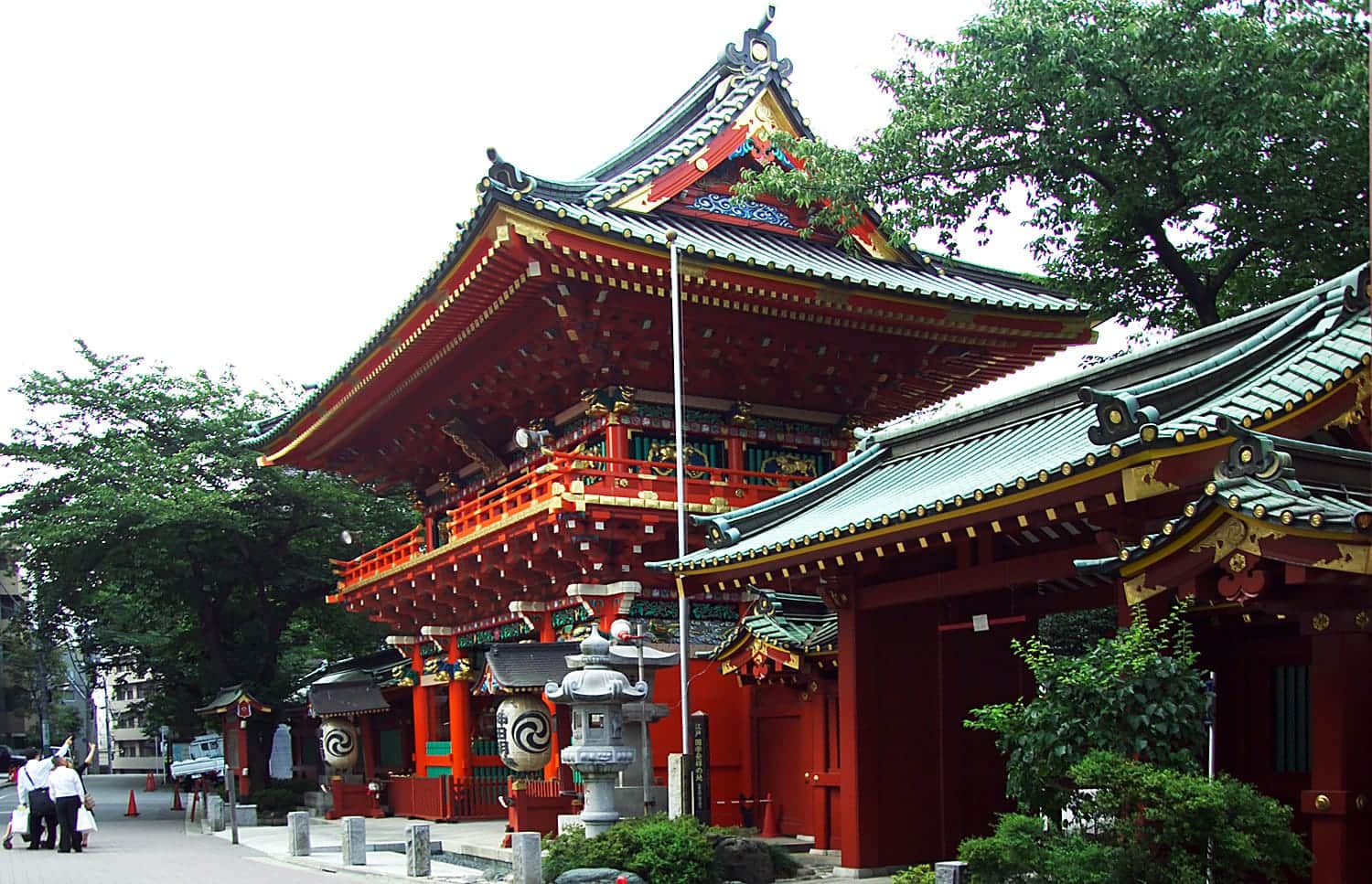
Mehr Möglichkeiten, Tokyo zu entdecken
Kürzere, ruhigere oder ausführlichere Routen für deine nächste Reise.
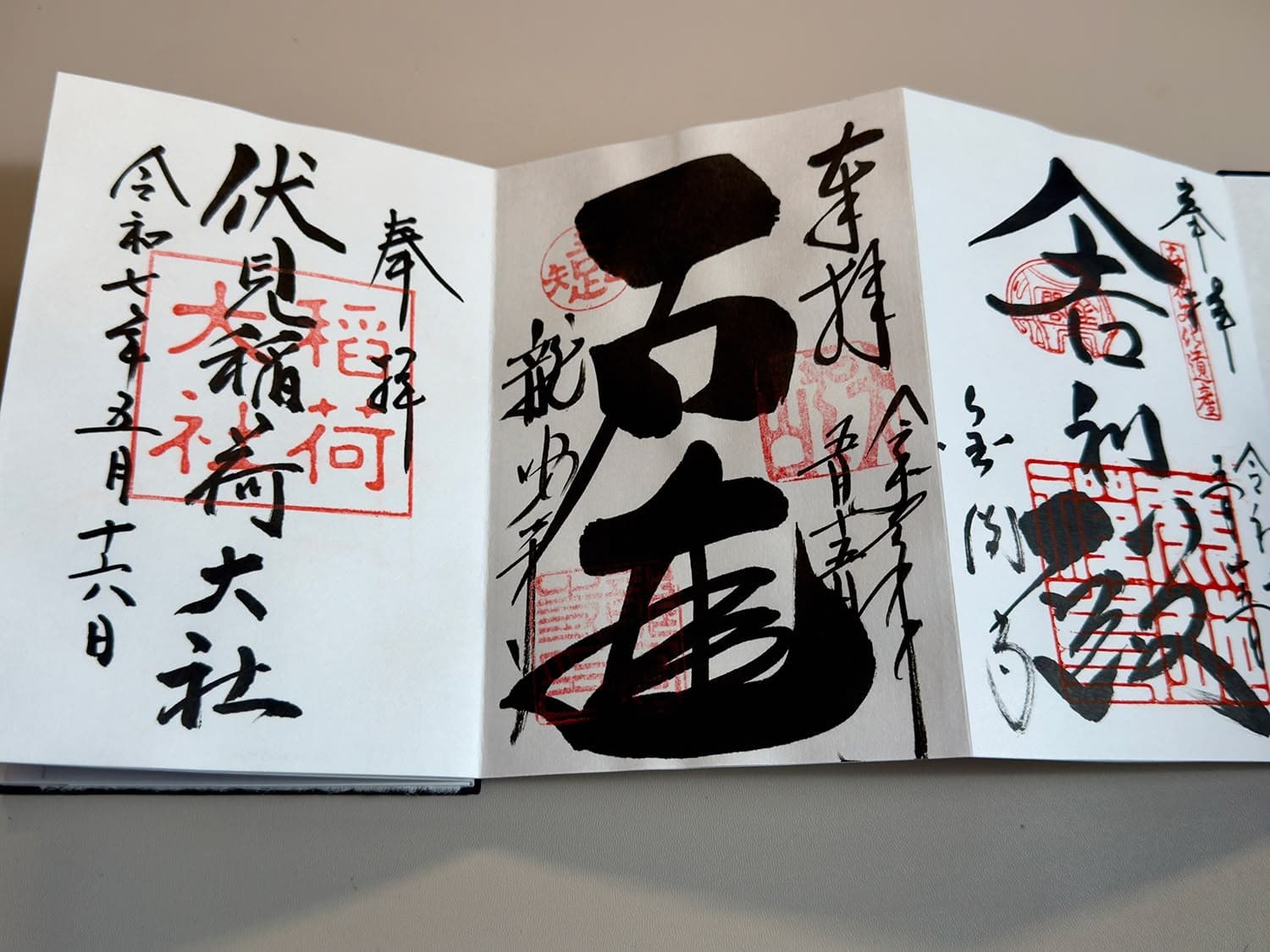
Erster Goshuin
Erfahren Sie, wie goshuin-Besuche funktionieren, und folgen Sie dann einer einfachen Eintages-Route durch anfängerfreundliche Tempel und Schreine mit gemächlichem Tempo.
- 1 Tag
- 4 Stopps
- Tokyo
 Pro
ProVerstecktes Tokio
Eine zweitägige Route durch ruhigere Tōkyō-Schreine und Nebengassen, ideal wenn Sie sinnvolle Goshuin-Stopps abseits der belebtesten Routen möchten.
- 2 Tage
- 8 Stopps
- Tokyo
 Pro
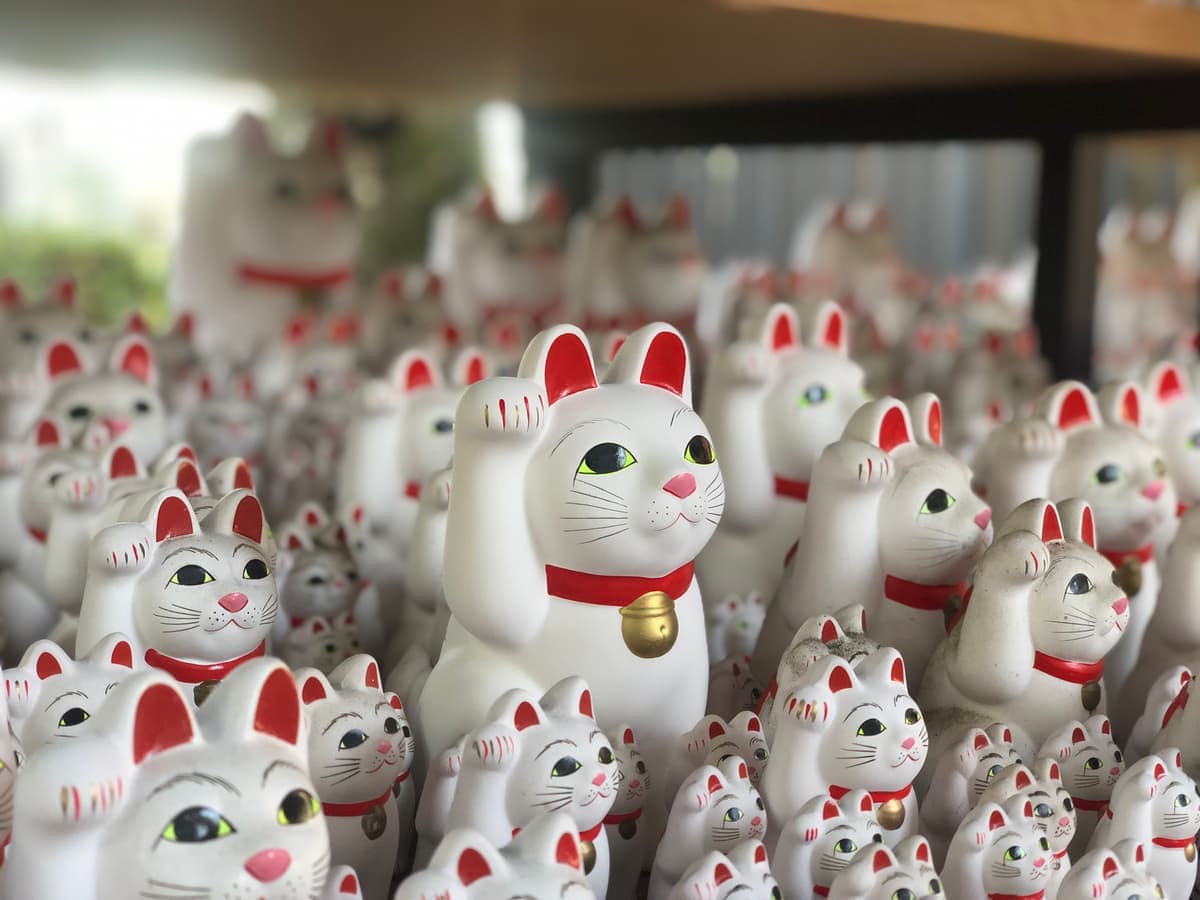
ProTokios Tierheiligtümer
Eine zweitägige Tokio-Route für Fuchs-, Katzen- und tiergestaltige Schreintempel, konzipiert für Sammler, die charaktervollere Goshuin-Designs bevorzugen.
- 2 Tage
- 9 Stopps
- Tokyo
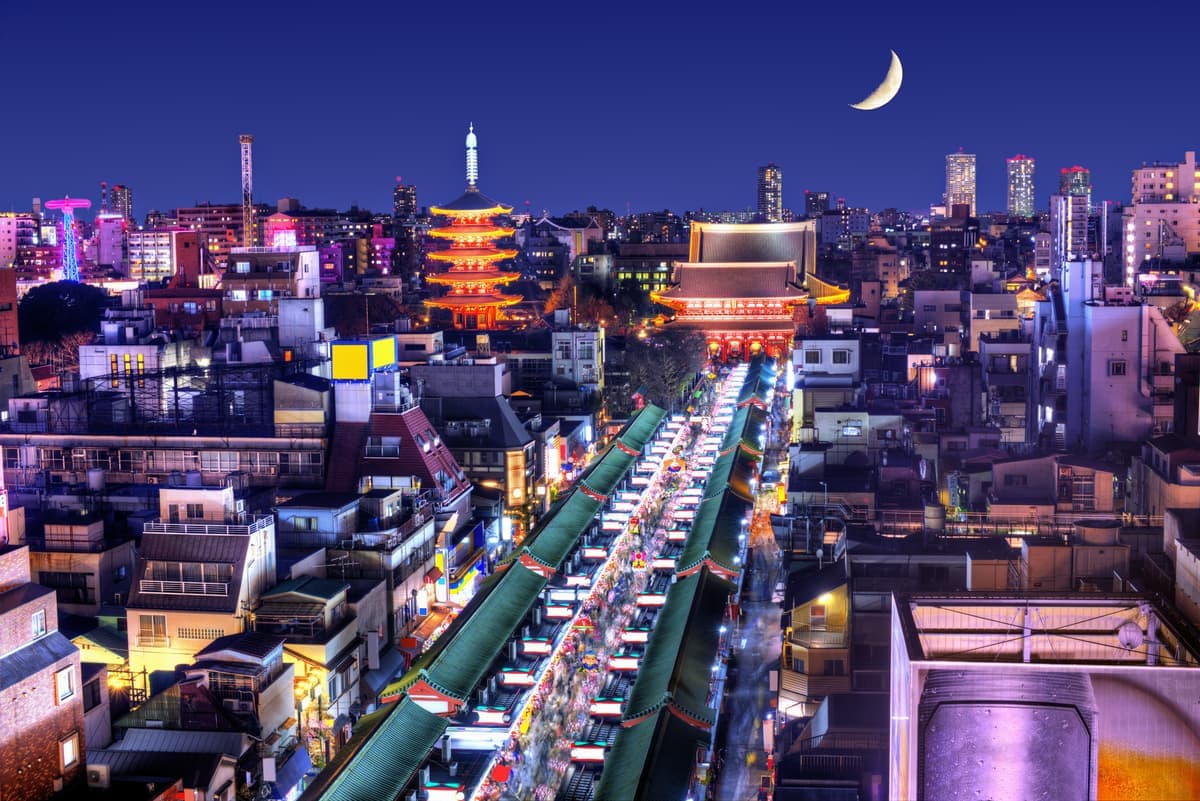 Pro
ProTokio intensiv entdecken
Ein fünftägiger Tokyo-Plan für Sammler, die über die offensichtlichen Zwischenstopps hinausgehen möchten, mit einer Mischung aus charakteristischen goshuin, ruhigeren Gegenden und tieferer Stadtabdeckung.
- 4 Tage
- 20 Stopps
- Tokyo
 Pro
ProYanesen-Spaziergang
Ein gemächlicher eintägiger Spaziergang durch Yanaka, Nezu und Sendagi, der alte Tokioter Atmosphäre mit einer kleinen Auswahl durchdachter Goshuin-Stopps verbindet.
- 1 Tag
- 5 Stopps
- Tokyo