参观费用
尚未确认
概览
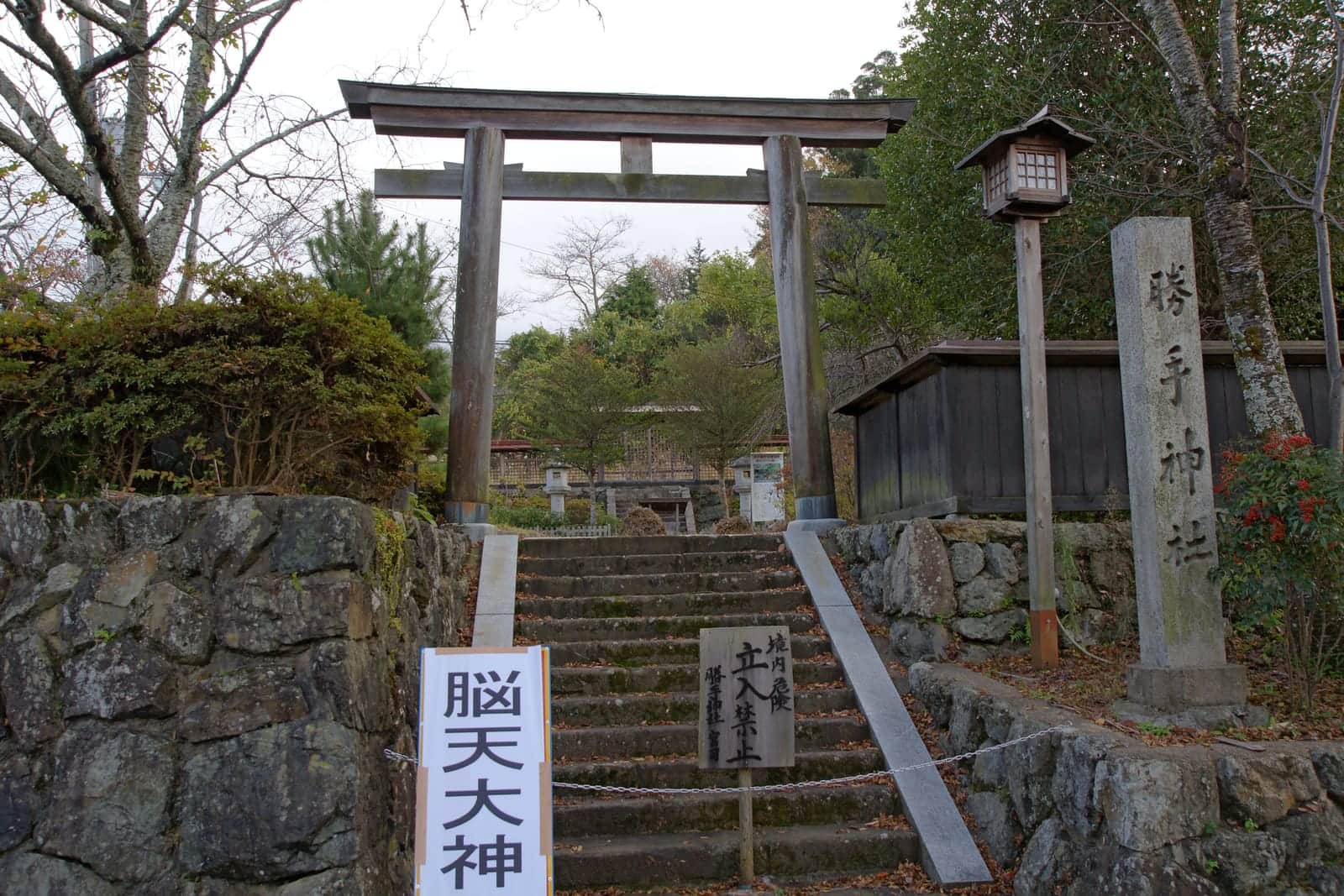
Toyotomi Hideyoshi prayed here for a son, and when his wish was granted, his son Hideyori rebuilt the entire shrine in 1605 as an act of gratitude to the water goddess.
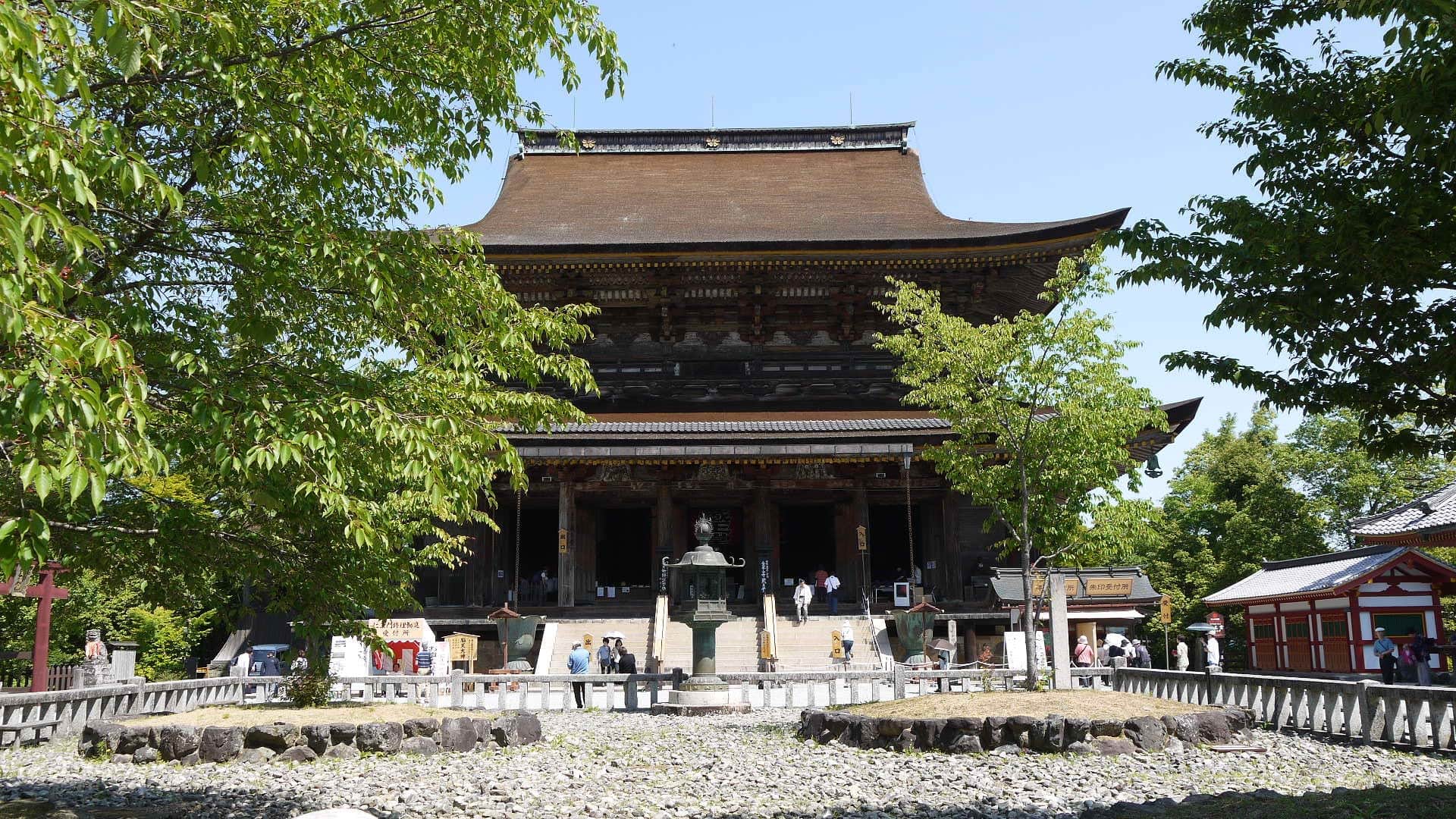
The shrine's main hall is architecturally bizarre: three separate buildings sit under one bark roof with three dormer gables, blending two different classical shrine styles.
此 神社 提供 1 款不同的御朱印设计
与开放时间相同
通常
尚未确认
设施与服务
Arrive by mid-afternoon since the shrine closes at 16:00 (17:00 only in April), and the forest canopy gets quite dark as evening approaches.
Plan for a 70-minute uphill walk from Yoshinoyama Station if arriving by ropeway, so wear sturdy hiking boots with good ankle support rather than casual sneakers.
If you're praying here, understand that many visitors come specifically to pray to Ameno Mikumari for fertility and safe childbirth, so approach the main altar with quiet reverence and avoid loud conversations.
Look for the mysterious wooden owl sculpture near the shrine's exit, which locals say appeared mysteriously with no documented origin. Take a moment to examine its unusually lifelike carving, as it's a small detail many visitors miss while leaving.
高取町, 奈良县 县
0 条最新帖子
分享你的参访体验,帮助其他旅行者。
暂无公开社区帖子。
与此地点相关的更多页面。
300米以内 600米以内