参观费用
尚未确认
概览
Prime Minister Jawaharlal Nehru was the first Indian dignitary to visit this temple in October 1957, beginning a tradition where Indian leaders pay respects at the golden pagoda holding Subhas Chandra Bose's ashes.
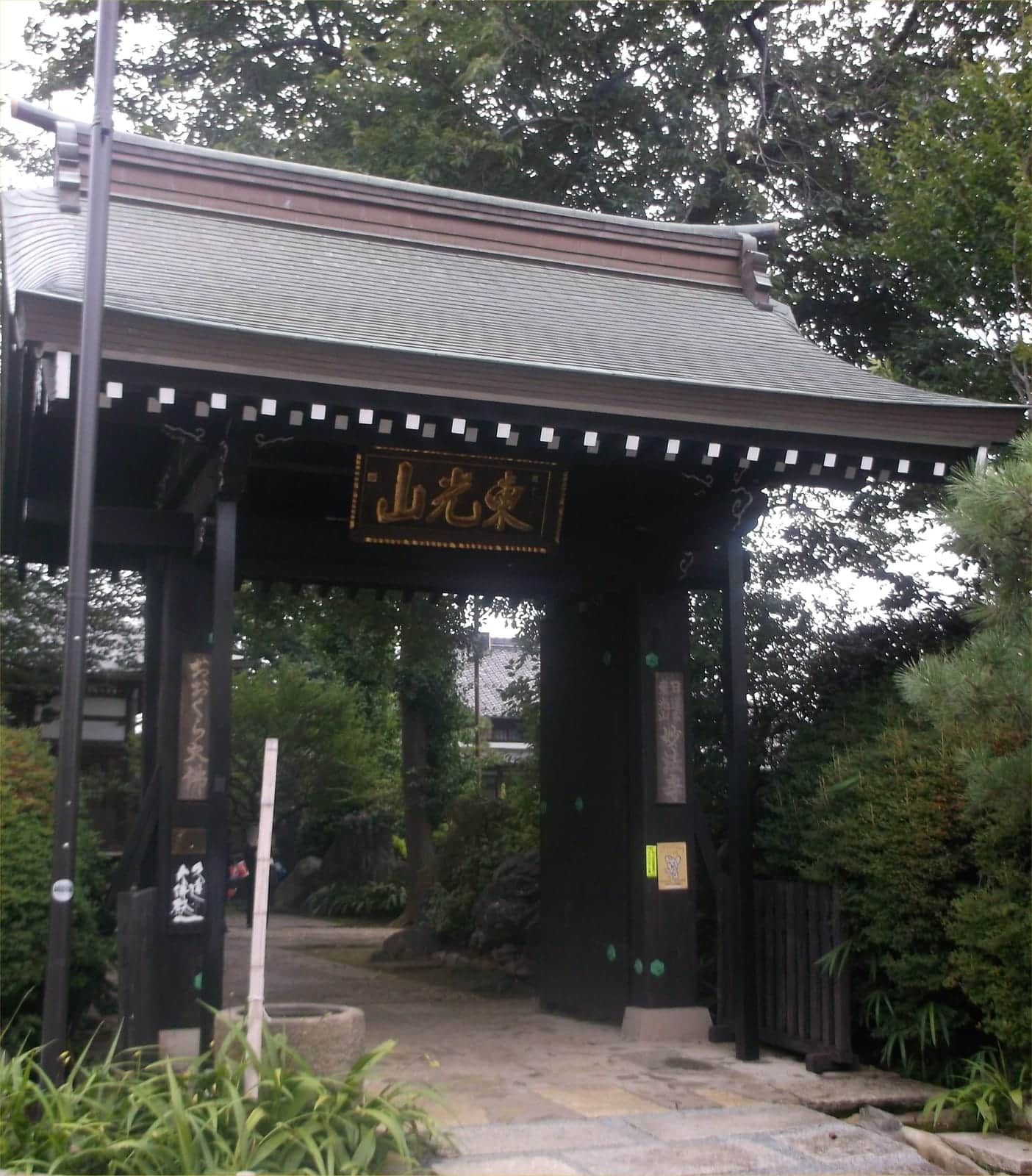
The temple houses ashes in a small golden pagoda that were placed here after a funeral ceremony on September 18, 1945, just one month after Indian revolutionary Subhas Chandra Bose died in a plane crash in Taiwan.
与开放时间相同
此 寺院 提供御朱印,但我们还没有照片。欢迎成为第一个分享的人!
尚未确认
设施与服务
Plan your visit for August 18 if you want to witness the annual death anniversary observance of Subhas Chandra Bose, when his associates gather at the temple for commemorative ceremonies.
Expect free admission and a visit lasting 20 to 30 minutes, as the temple grounds are small and the main points of interest include the commemorative statue, the Buddha statue outside, the minor shrine, and the main temple hall.
Take the Marunouchi Line to Higashi-Koenji Station and walk about 200 meters through a nearby public park to reach the temple, which sits in a quiet residential neighborhood.
Visit during weekday mornings to experience the temple in its most peaceful state, as visitor reviews note it is not very touristy and remains a quiet, contemplative space.
Approach the golden pagoda housing Bose's ashes with the same reverence you would show at a major memorial site, as this is not a typical Buddhist worship space but a place of historical remembrance visited by Indian dignitaries and officials.
中野区, 东京都 县
0 条最新帖子
分享你的参访体验,帮助其他旅行者。
暂无公开社区帖子。
300米以内 600米以内
时刻数据:公共交通开放数据中心
租借需要运营商的应用程序和日本手机号码。docomo 单日券可在便利店购买。 数据来源