参观费用
- 成人 (18岁以上)免费
概览
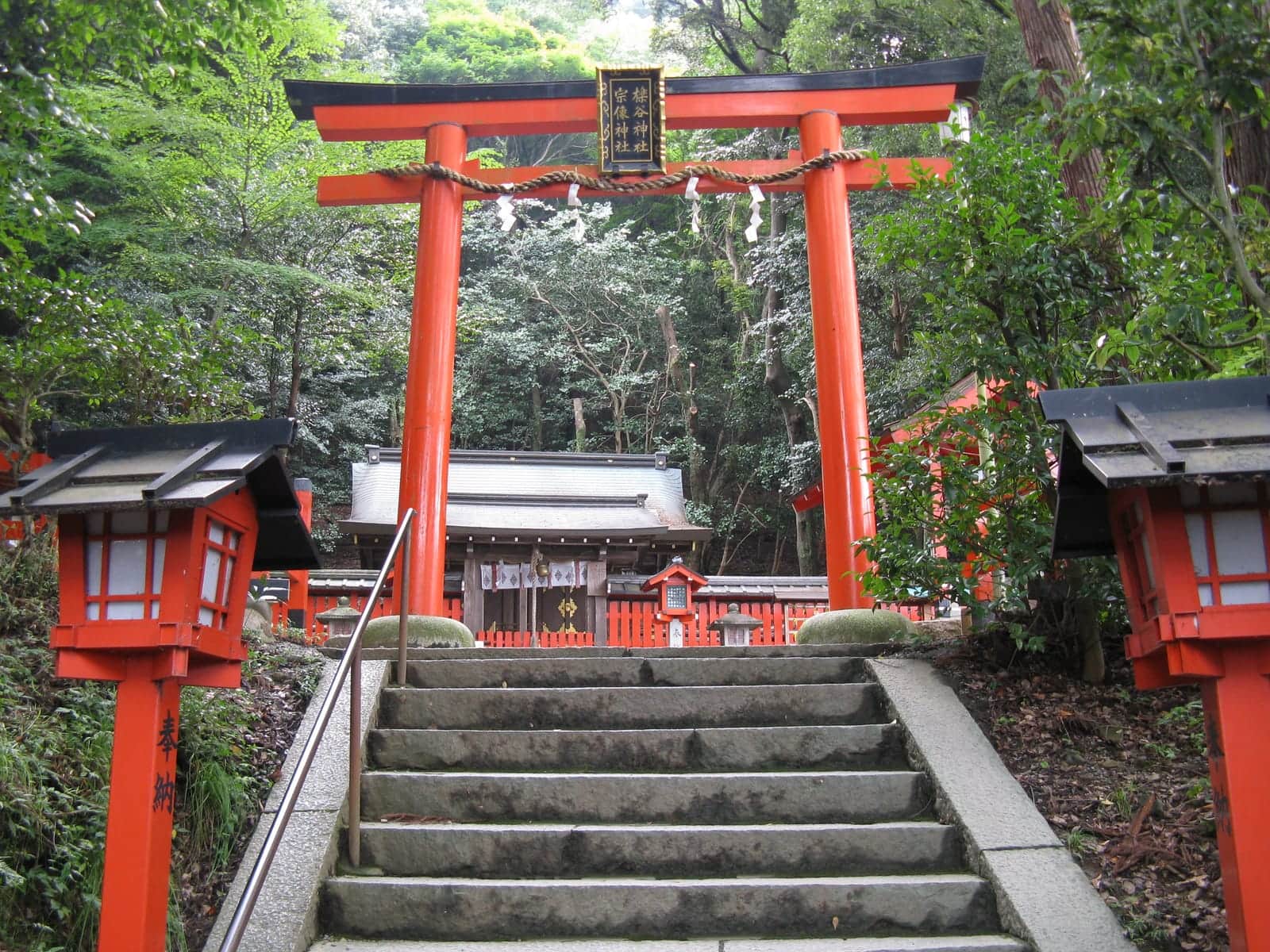
A scene from the Tale of Genji, written in the 11th century, specifically describes this shrine's black torii gate and brushwood fences, making it one of Japan's oldest literary landmarks.
Nonomiya Shrine relocated every time a new emperor took the throne during the Heian period, with each location chosen through divination to purify imperial princesses before they served at Ise Shrine.
此 神社 提供 1 款不同的御朱印设计
与开放时间相同
通常
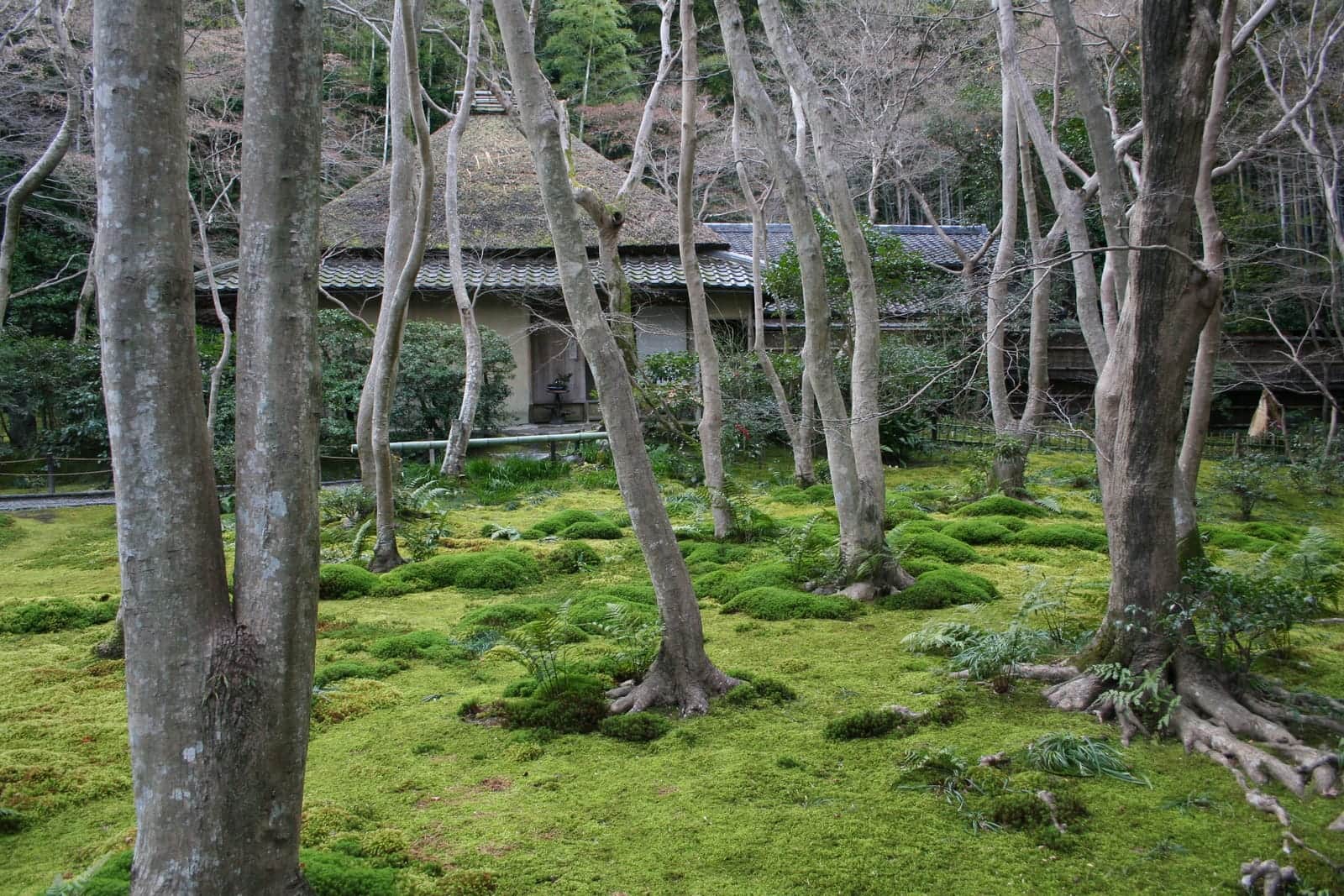
Visit on a weekday morning before 10 AM to experience the shrine's moss garden and sub-shrines without the crowds that build up during afternoon hours when tour groups arrive from nearby Tenryū-ji temple.
Plan to spend 20-30 minutes at the shrine itself, then continue on the Sagano walking path through the bamboo forest to Tenryū-ji or toward the foothills, as Nonomiya works best as part of a larger Arashiyama itinerary rather than a standalone destination.
If you're visiting for matchmaking or childbirth blessings, purchase an ema (wooden votive tablet) and hang it at the appropriate sub-shrine: Daikokuten for marriage or Shirafuku Inari for childbirth and easy labor, as these deities have specific roles in women's life transitions.
Photograph the distinctive black torii gate and brushwood fencing from multiple angles during your visit, as these unbarked timber elements are historically accurate to the Heian period and directly referenced in the Tale of Genji, making them the shrine's most photogenic features.
神圣的灵魂在这个神圣的地方受到崇敬

据信此地能赐予的福佑
与此地点相关的更多页面。
300米以内 600米以内
5 条最新帖子
3.5
2 条评价
你可以通过步行约15分钟穿过岚山竹林到达Nonomiya Shrine,因此它自然地成为那里的一个观光景点。它常常很拥挤,特别是海外游客众多,所以如果你想要一个更安静的参访,请避开高峰时段。
这座神社以婚配和与生育、安全分娩相关的祈祷而闻名。游客常常会停留在黑色的木制鸟居、小围栏和神圣石头处,人们在许愿时会轻轻触摸它。整个场地紧凑而宁静,竹林和苔藓赋予它独特的古京都风情。