该神社距离四つ橋线或御堂筋线的大黒町站仅4分钟步行路程,比从难波站(7分钟路程)更容易到达。如果您从难波地区西侧前来,请使用大黒町站。
概览
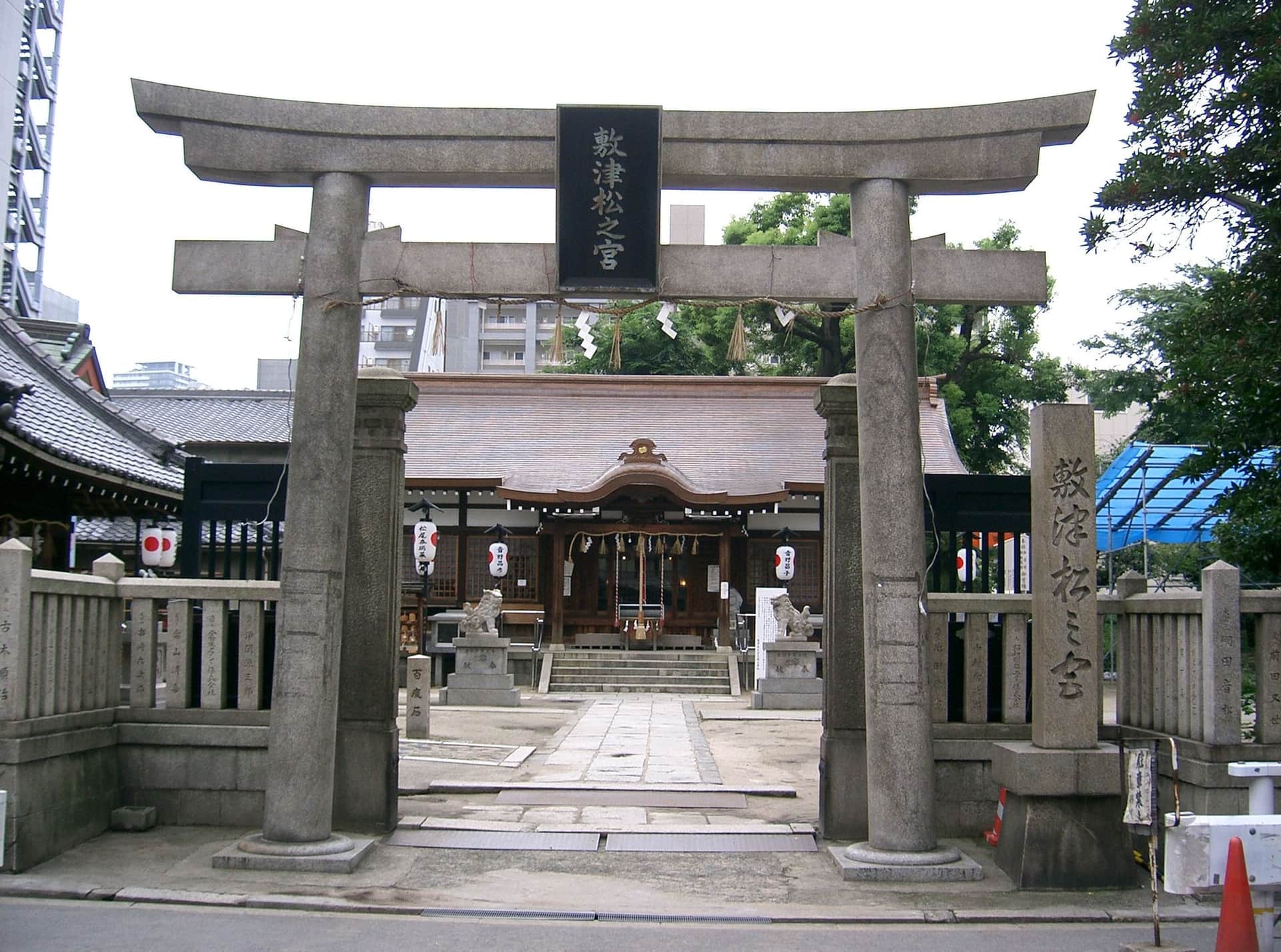
The first thing that catches your eye at Namba Yasaka Jinja is not a gate or a main hall, but a colossal lion-headed stage with a mouth wide open as if it is about to swallow the bad luck of the city itself. That dramatic structure has made this Shinto shrine one of Osaka’s most photographed landmarks, yet the atmosphere on the grounds is often unexpectedly calm, almost intimate, especially compared with the noise and density of nearby Namba. Located in the heart of Osaka, only about 355 meters from Daikokucho Station and roughly 588 meters from Namba Station, this shrine pairs an unusual postwar identity with older devotional traditions. Its principal deity is Susanoo, and its reputation centers on protection, victory, and good fortune, especially for people hoping to overcome obstacles in business, examinations, or daily life.
The shrine’s modern appearance is inseparable from the destruction it suffered during wartime and its subsequent rebuilding. The grounds you see today reflect a postwar reconstruction, which gives the site a distinctly modern chapter in the middle of Osaka’s older urban fabric. That history matters because it helps explain why the shrine feels both traditional and strikingly contemporary. The rebuilt complex does not simply imitate the past. Instead, it presents a bold visual identity that has become part of its meaning.
While the available sources emphasize the shrine’s reconstruction and present form more than its earliest origins, its enduring identity is rooted in devotion to Susanoo, a deity associated with purification, protection, and forceful divine intervention. In a dense urban district where commerce, entertainment, and transit converge, a shrine dedicated to victory and warding off misfortune fits the emotional rhythm of the neighborhood remarkably well. The shrine’s annual observances also show that it remains a living place of worship, not just a scenic stop for visitors.
The defining feature of Namba Yasaka Jinja is the extraordinary lion-head stage, often described as the shrine’s signature sight. The structure is immense enough to dominate the grounds, and its open mouth is understood to swallow evil spirits while inviting good luck and victory. In practical visual terms, the design is unforgettable. The lion’s face is rendered in a way that is both stylized and theatrical, turning the stage into a symbolic guardian as well as a ritual space.
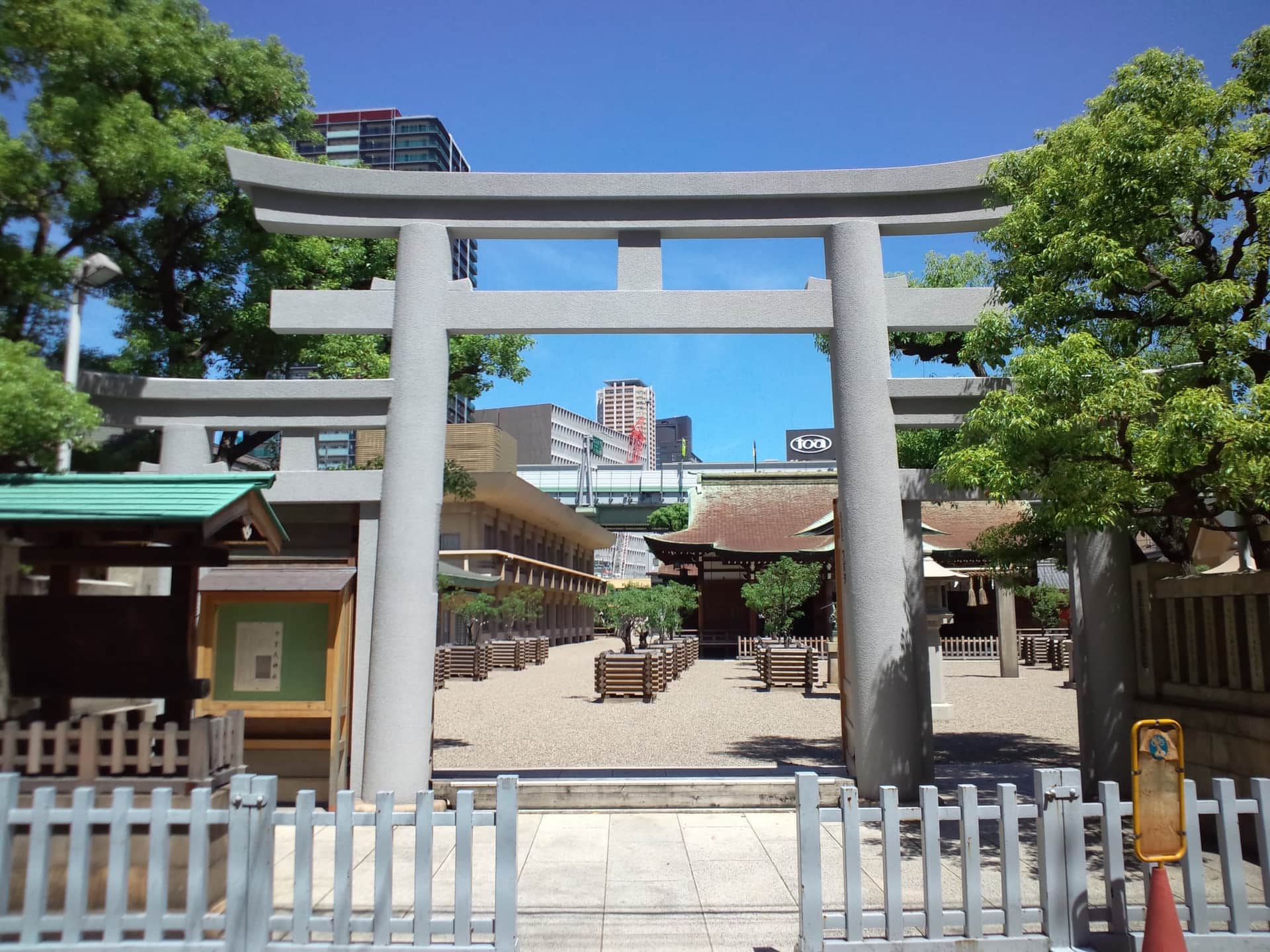
What makes the architecture so effective is the contrast between this single dramatic object and the rest of the shrine’s more restrained setting. Around the grounds, visitors encounter the kinds of elements expected in a Shinto precinct, including prayer areas, stone lanterns, and shaded corners that slow the pace of movement. The overall effect is not sprawling or monumental in the classical sense. Instead, it is compact, concentrated, and memorable. The shrine’s grounds are also described as clean, well maintained, and easy to explore in a short visit, which suits the urban environment and the typical rhythm of Osaka sightseeing.
Photographers are drawn to the lion stage because its scale and expression shift with the light. In strong daylight it reads as bold and graphic; in softer light it becomes more atmospheric. The open mouth creates a strong compositional frame, and the structure’s unusual presence makes it unlike the more familiar shrine forms seen elsewhere in Japan. It is precisely this difference that has helped the site gain such wide recognition on social media and in travel reviews.
The shrine is dedicated to Susanoo, a deity widely associated with purification, overcoming calamity, and asserting protection against harmful forces. That theological background fits neatly with the popular understanding of the lion stage, which is said to swallow evil spirits and bring good fortune, especially in business, examinations, and personal success. For visitors arriving with a wish for luck or a specific challenge in mind, the shrine offers a very direct symbolic focus. The lion structure is not just decorative. It functions as a visual distillation of the shrine’s spiritual promise.
A particularly important ritual event is the annual tug-of-war ceremony held on the third Sunday of January. This detail gives the shrine a strong communal dimension and shows how its worship is tied to seasonal cycles of renewal and collective participation. The sources also suggest that the shrine can be especially crowded during New Year, when shrine staff and visitors concentrate in the grounds. That seasonal pattern is typical of major Shinto sites, but at Namba Yasaka Jinja it is amplified by the shrine’s urban setting and strong reputation for luck and success.
The overall experience of devotion here is direct and accessible. Rather than requiring a long circuit of buildings or a large precinct to understand its meaning, the shrine presents its spiritual identity almost immediately. You see the lion, you understand the symbolism, and then you begin to notice the quieter spaces where prayer and reflection take place.
Although the shrine sits in one of Osaka’s busiest districts, the atmosphere inside is often described as peaceful, quiet, and surprisingly serene. That contrast is part of its appeal. The city presses in from outside, but once you step into the grounds, the sound and pace soften. Visitors frequently mention that it feels like a calm pause from the surrounding shops and streets of Namba.
The shrine’s environment is not dominated by vast gardens or deep woodland. Instead, its natural setting is defined by careful order, small pockets of shade, and the visual relief created by the open shrine grounds. The lion-head stage becomes even more dramatic against this modest backdrop. Seasonal changes still matter, though, because light, weather, and crowd density all alter the character of a visit. Early morning and winter weekdays are likely to be the quietest times, while holidays and New Year bring much heavier traffic.
For the modern visitor, Namba Yasaka Jinja offers a rare combination of accessibility and distinctiveness. It is easy to reach, with Daikokucho Station about 4 minutes away on foot and Namba Station roughly 7 minutes away. The shrine is also close to Ashiharabashi Station, about 12 minutes on foot, making it straightforward to include in a wider Osaka itinerary. The site is small enough for a short visit, but memorable enough to linger in the mind long after.
The shrine’s reputation is strong, reflected in a Google rating of 4.5 from nearly 14,890 reviews, and much of that praise centers on the same themes: the dramatic lion stage, the calm atmosphere, and the feeling that this is a place where urban intensity and spiritual quiet meet. Photography is allowed, and many visitors plan extra time to capture the lion structure from different angles. If your visit has a prayerful purpose, the best-known practice is to focus on the lion stage and its symbolism of victory and protection.
There is also a practical rhythm to visiting here. The shrine is manageable, clearly laid out, and easy to take in without rushing. That makes it especially rewarding for people who want more than a photo stop. You can observe the architecture, consider the symbolism, and experience a place that has adapted to destruction, reconstruction, and modern urban life without losing its devotional core.
In the end, what makes Namba Yasaka Jinja memorable is not simply that it is unusual, but that its strangeness feels purposeful. The giant lion is not an ornament pasted onto a shrine for effect. It is the visual expression of the shrine’s spiritual character, a guardian with an open mouth set in the middle of Osaka, ready to consume misfortune and make space for good fortune to enter.
距离大黑町站仅4分钟步行路程,这座小巧的神社作为一个邻里地标,在周围街道上清晰可见,影响力超出其规模。
该神社在1月第三个星期日举办年度拔河仪式,这是一项传统活动,吸引众多信众前来祈求新年的好运。
此 神社 提供 3 款不同的御朱印设计
与开放时间相同
季节限定
¥1,000
通常
¥500
通常
¥500
设施与服务
参拜与体验
该神社距离四つ橋线或御堂筋线的大黒町站仅4分钟步行路程,比从难波站(7分钟路程)更容易到达。如果您从难波地区西侧前来,请使用大黒町站。
建议在早上早些时候参观,最好在神社上午6:30开放时就到达,这样可以在没有人群的情况下拍摄狮头舞台,并体验这座神社相比繁忙的难波景点所独有的宁静氛围。
根据您是否只想快速拍照,或者想花时间祈祷和浏览护身符选择,计划在这里花费5到15分钟。护身符选择包括独特的物品,如为保护儿童上学途中安全而设计的微型书包护身符(randoseru)。
狮子头舞台根据一天中的时间和光线会呈现不同的样子。如果你稍后回到难波购物或用餐,可以在傍晚或晚间再拍一次照片,以捕捉新的光线和氛围。
神圣的灵魂在这个神圣的地方受到崇敬
参观时间
15-30 分钟
浪速区, 大阪府 县
据信此地能赐予的福佑
与此地点相关的更多页面。
300米以内 600米以内

E-09.東横INN大阪なんば西
docomo bike share
E-24.ホテルWBFなんば元町
docomo bike share
E-32.WELL STAY難波
docomo bike share
租借需要运营商的应用程序和日本手机号码。docomo 单日券可在便利店购买。 数据来源
13 条最新帖子
分享你的参访体验,帮助其他旅行者。
Nathan Pelletier 签到了位置已确认
Namba Yasaka Jinja
Naniwa, Osaka
 SUPro member
Steffi UlrichPro 分享了御朱印