参观费用
尚未确认
概览
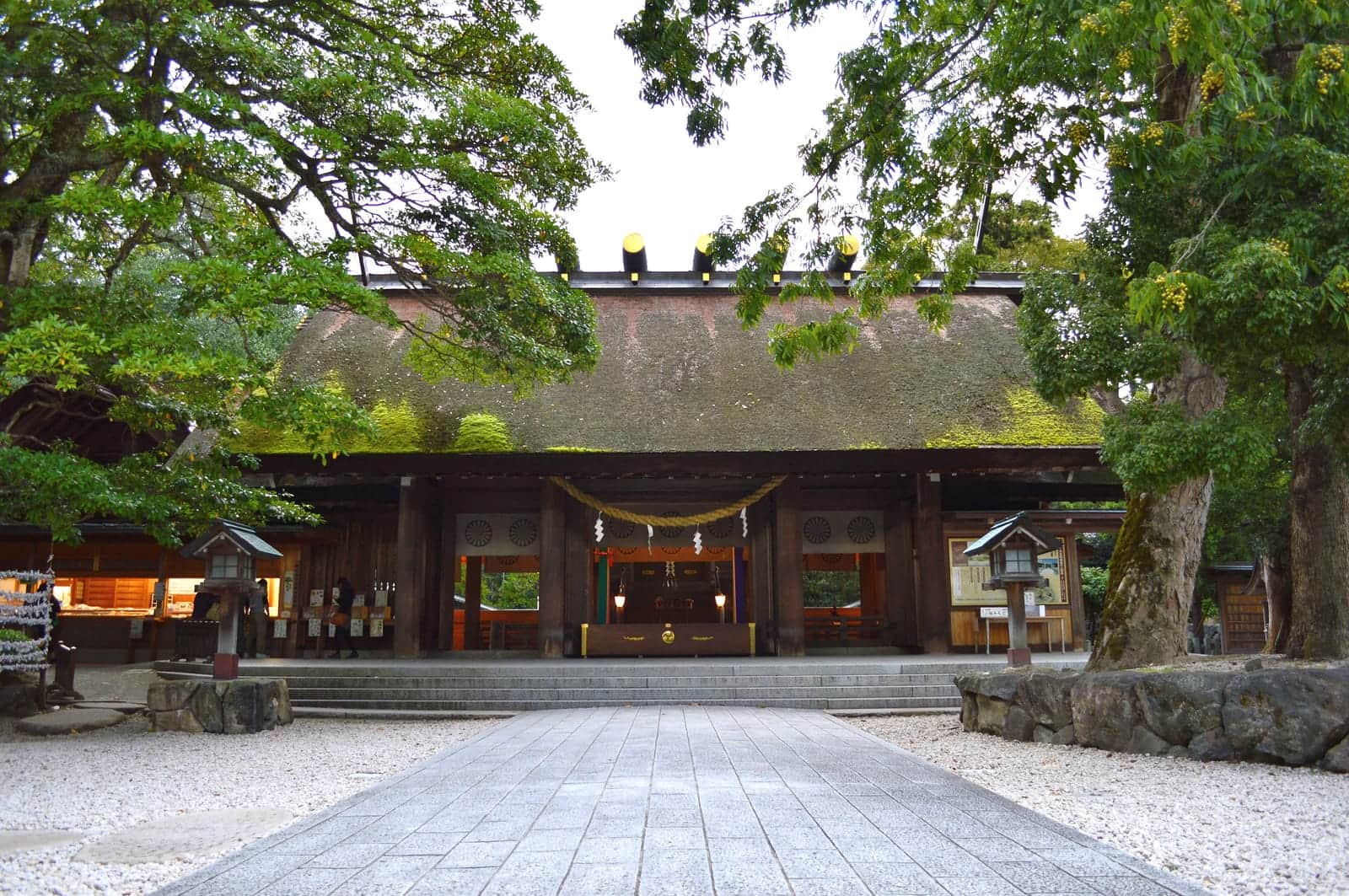
The sacred rocks (iwakura) behind Manai Shrine's main hall have been worshipped in their exact form for 2,500 years, making them older than the shrine building itself.
Manai Shrine was originally called Yosanomiya and once housed both Amaterasu and Toyouke no Okami before they were transferred to Ise Grand Shrine, earning it the title 'hometown of Ise.'
与开放时间相同
此 神社 提供御朱印,但我们还没有照片。欢迎成为第一个分享的人!
尚未确认
Visit on a weekday morning if possible to experience the shrine as an active place of worship rather than a photo stop, since the previous head priest implemented protective measures as visitor numbers grew.
Photography is now restricted in parts of the sacred grounds to protect the iwakura (ancient sacred rocks), so check the signs on site before taking pictures and be prepared to put your camera away in the inner sanctuary areas.
Walk inland from Kono Shrine through the quiet tree-lined approach to reach Manai Shrine, which sits on a wooded hilltop and offers a completely different atmosphere from the busy Amanohashidate sandbar just minutes away.
The iwakura behind the main hall have been worshiped in their current form for approximately 2,500 years as dwelling places of deities, predating the shrine building itself, so take time to sit quietly and observe rather than rushing through.
Bring a small cup or container to collect Ama no Manai no Mizu, the sacred spring water that rises beside the torii gate, which visitors traditionally take home as blessed water from the heavens.
The shrine is also called Kushihama no Miya, with 'kushi' referring to the source of mysterious subtle power, so approach your visit with intention rather than as a casual sightseeing stop on the Amanohashidate route.
宫津市, 京都府 县
300米以内 600米以内
0 条最新帖子
分享你的参访体验,帮助其他旅行者。
暂无公开社区帖子。